How to Say "clearing" in Spanish
The most common Spanish word for “clearing” is “claro” — use 'claro' when referring to an open, uncultivated space within a forest or wooded area.

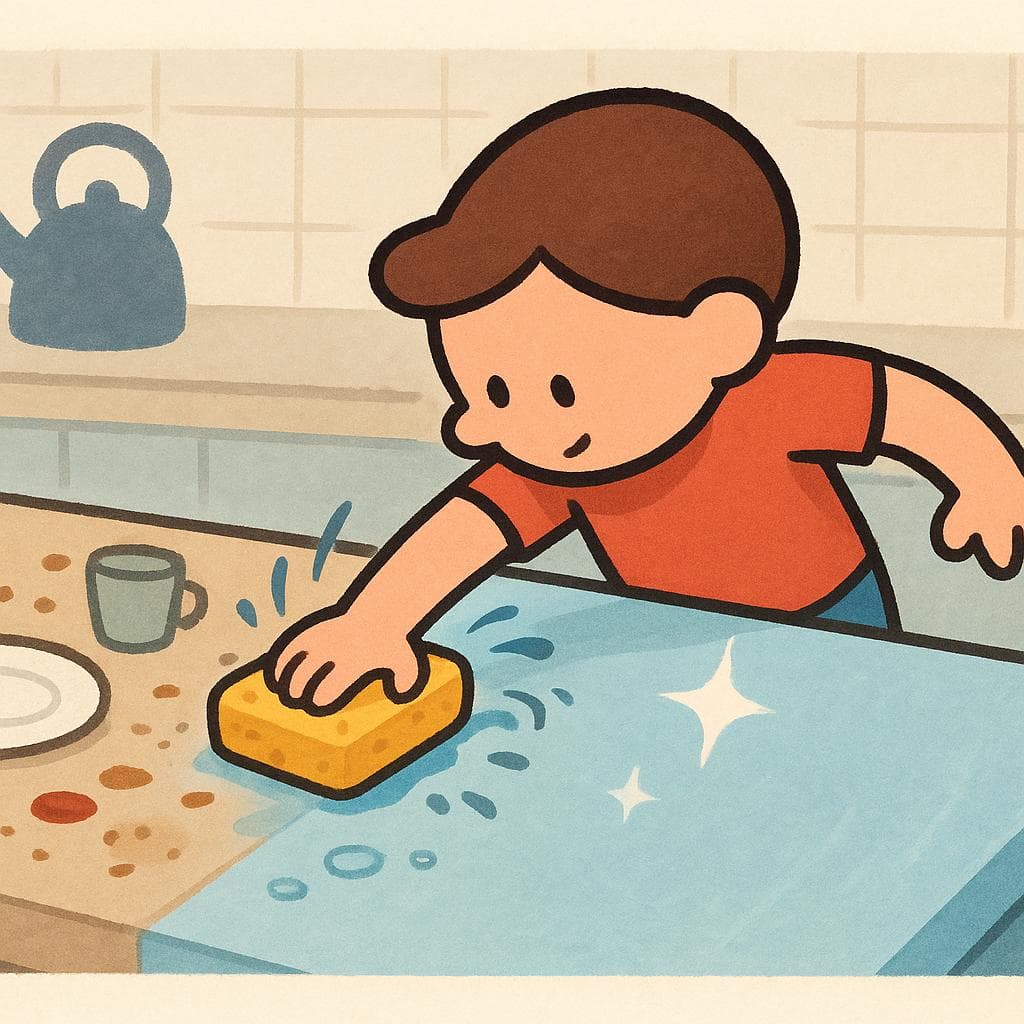
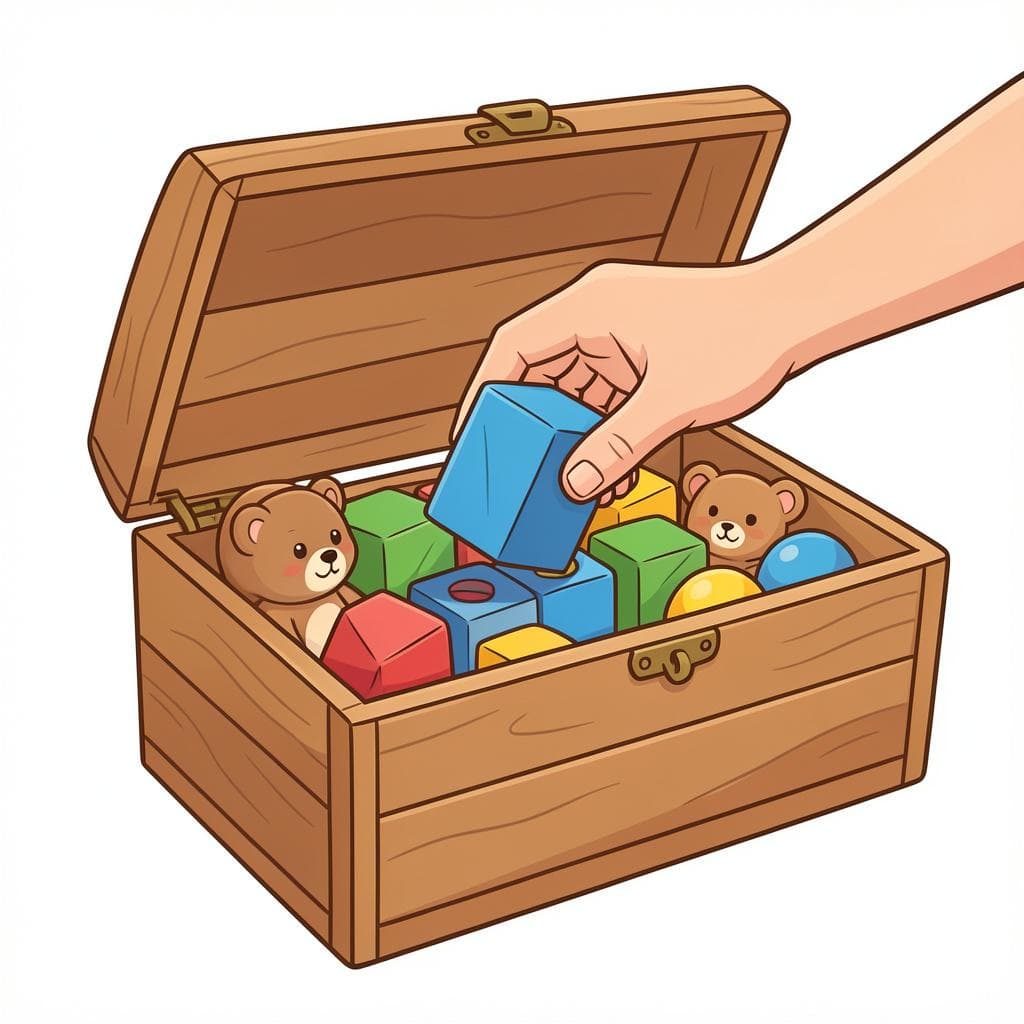
claro
KLAH-rohˈkla.ɾo

Examples
Vimos un ciervo en un claro del bosque.
We saw a deer in a clearing in the forest.
A través de un claro en las nubes, vimos la luna.
Through a gap in the clouds, we saw the moon.
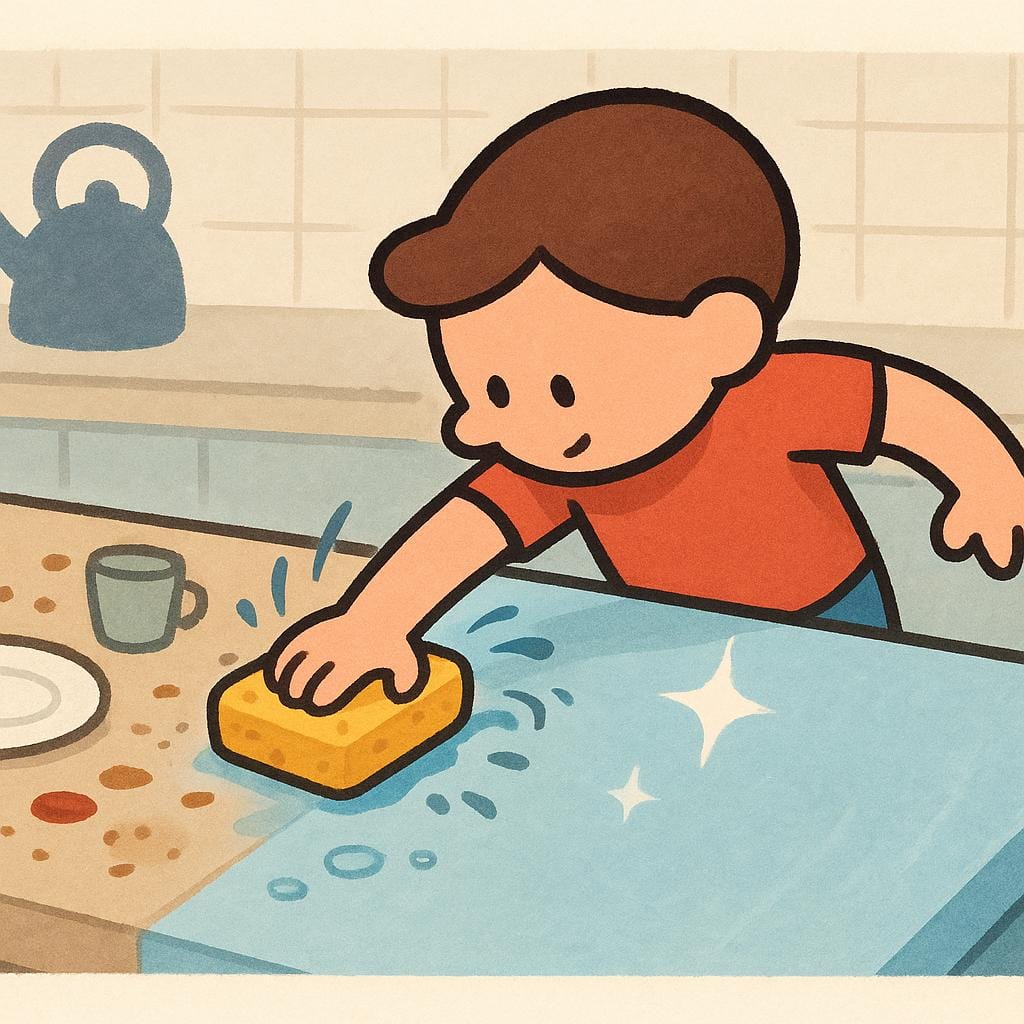
limpiando
lim-pee-AN-dohlimˈpjan.do
Examples
Mi hermano está limpiando la cocina en este momento.
My brother is cleaning the kitchen right now.
Pasé toda la tarde limpiando el garaje, ¡estaba terrible!
I spent the whole afternoon cleaning the garage, it was terrible!
El equipo está limpiando los datos antes de analizarlos.
The team is cleaning the data before analyzing it.
The '-ing' Form
This word, ending in '-ando', is the Spanish way of saying the '-ing' action in English (like 'cleaning'). It describes an action that is ongoing.
Using it Right Now
To talk about what is happening right this second, you must use a form of the verb 'estar' (to be) followed by 'limpiando': 'Estoy limpiando' (I am cleaning).
It Never Changes
'Limpiando' is an invariable form, meaning it always stays the same regardless of who is doing the cleaning or how many people there are.
Confusing 'Ser' and 'Estar'
Mistake: “Soy limpiando.”
Correction: Estoy limpiando. You must use 'estar' when talking about ongoing actions, never 'ser'.
Using the Infinitive
Mistake: “Ella está limpiar la casa.”
Correction: Ella está limpiando la casa. Remember to use the '-ando' form after 'estar' to show the action is in progress.
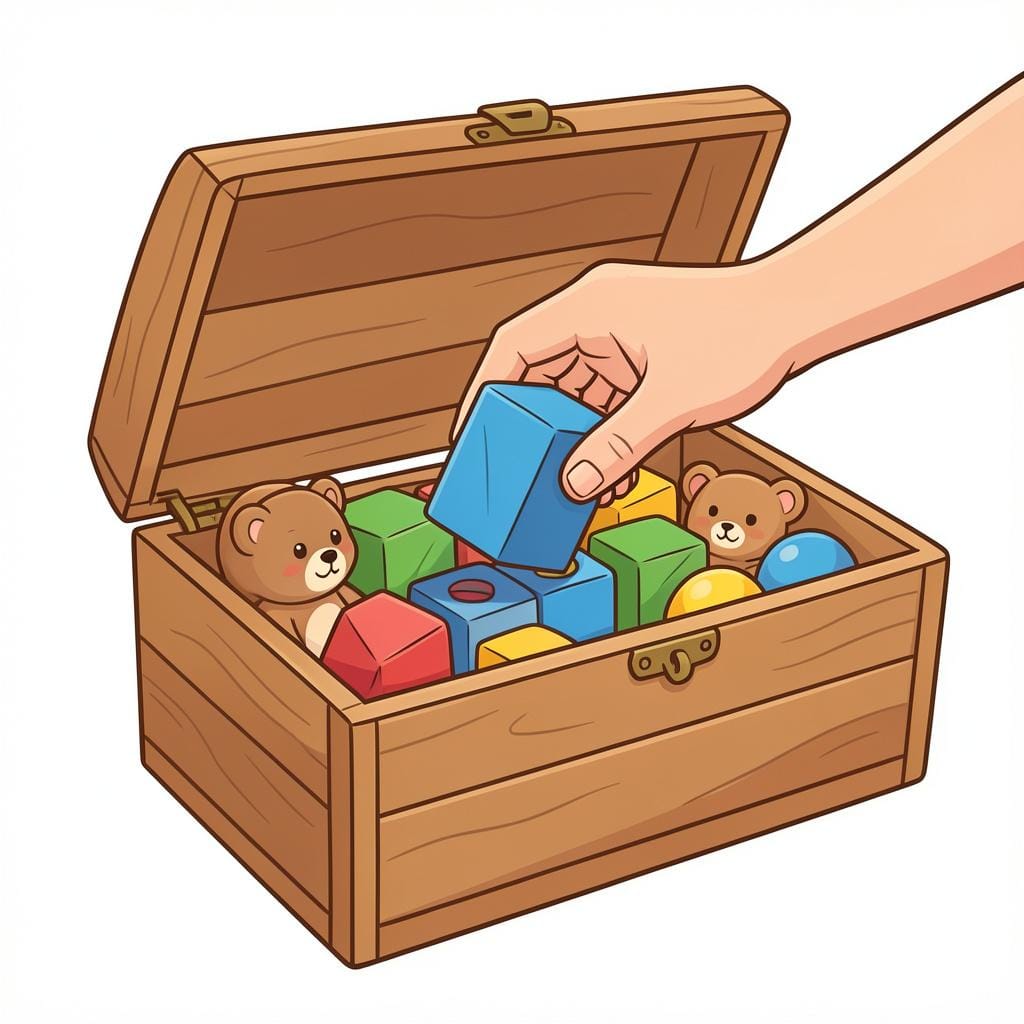
recogiendo
re-ko-HYEN-dorekoˈxjendo
Examples
Termina de comer y ayuda recogiendo la mesa.
Finish eating and help by clearing the table.
Estamos recogiendo la casa porque viene visita.
We are tidying up the house because guests are coming.
Clearing a Space vs. Clearing a Table
Related Translations
Learn Spanish with Inklingo
Interactive stories, personalized learning, and more.