bizcocho
“bizcocho” means “sponge cake” in Spanish. It has 2 different meanings depending on context:
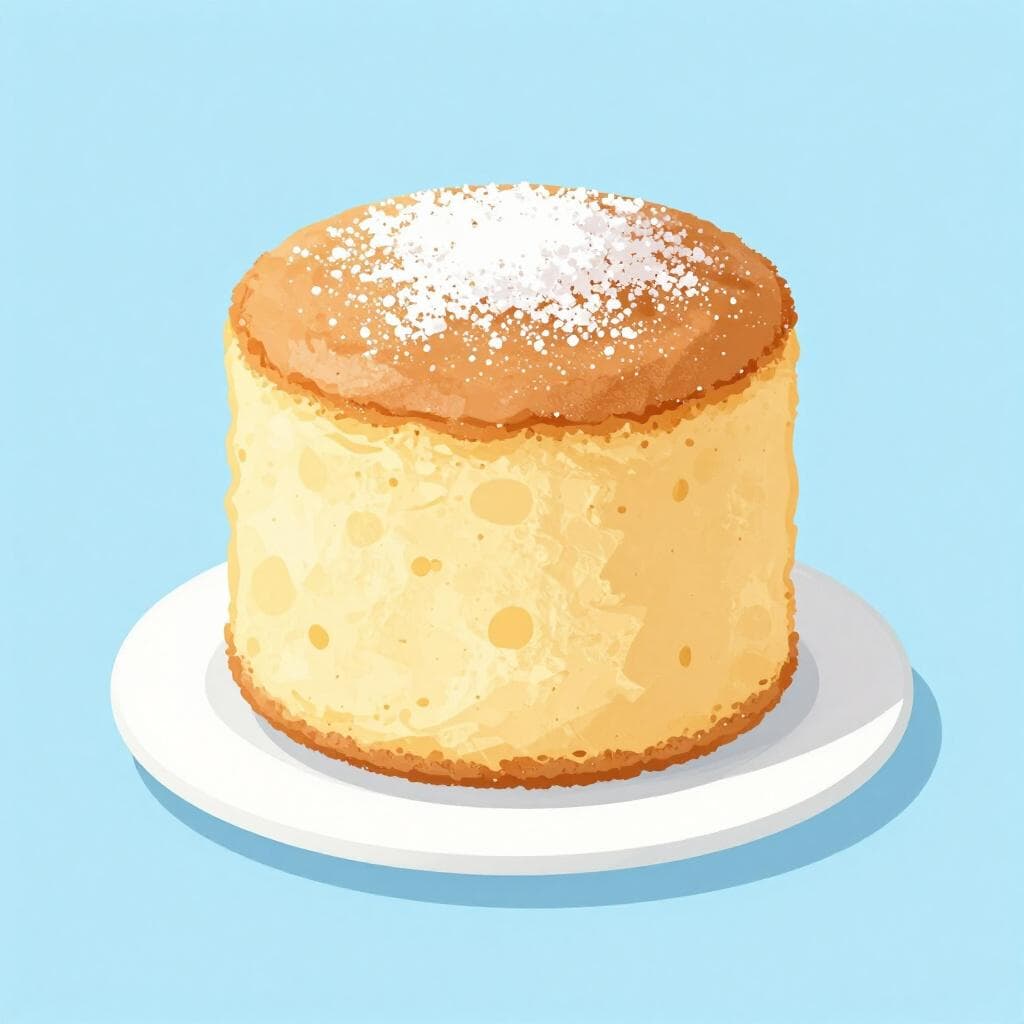

sponge cakeAlso: pound cake, cake
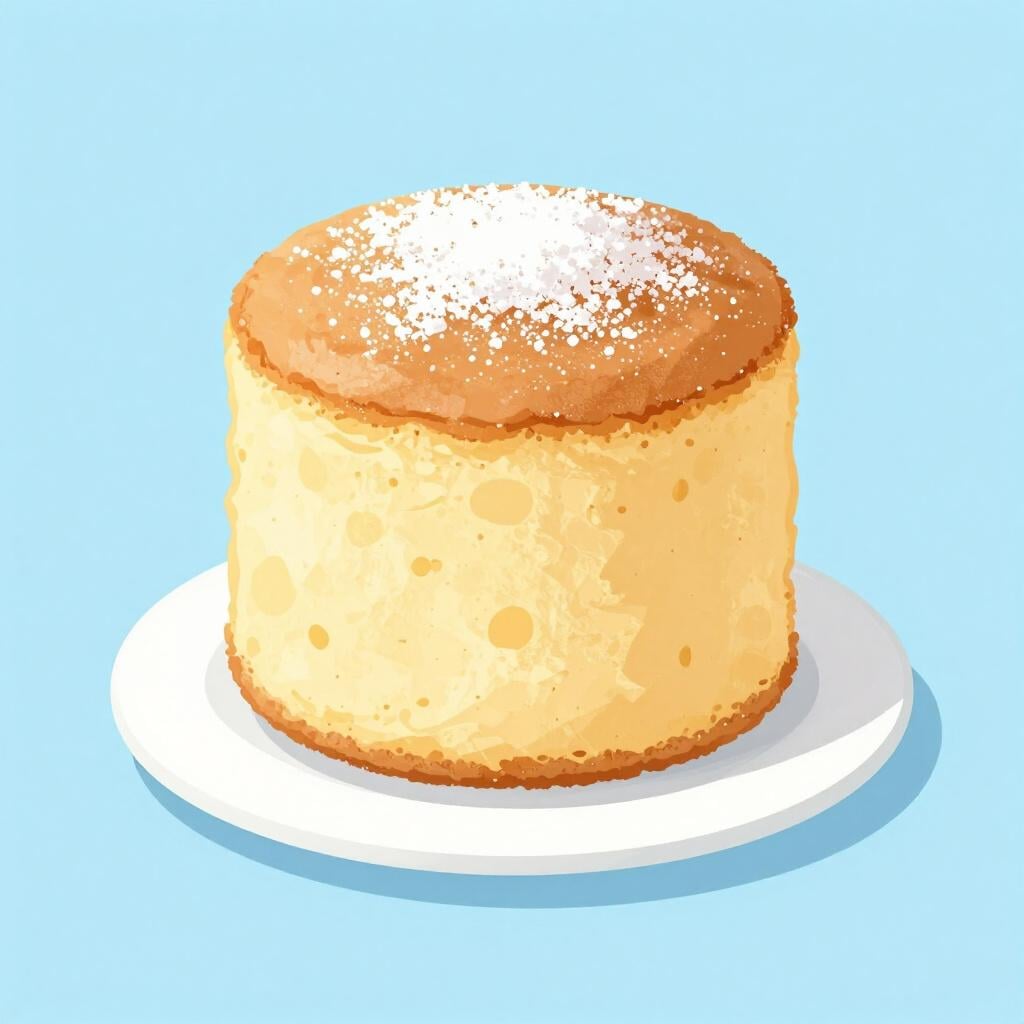
📝 In Action
Mi abuela hizo un bizcocho de limón para la merienda.
A1My grandmother made a lemon sponge cake for the afternoon snack.
El secreto de un buen bizcocho es batir bien los huevos.
B1The secret to a good sponge cake is beating the eggs well.
Este bizcocho está muy esponjoso y tierno.
A2This sponge cake is very fluffy and tender.
Word Connections
hottieAlso: cutie

📝 In Action
¡Mira a ese chico! Es un bizcocho.
B2Look at that guy! He's a hottie.
Hola, bizcocho, ¿cómo estás?
B2Hey, cutie, how are you?
Word Connections
Translate to Spanish
Words that translate to "bizcocho" in Spanish:
✏️ Quick Practice
Quick Quiz: bizcocho
Question 1 of 3
If you are in Spain and you order a 'bizcocho', what will you likely receive?
📚 More Resources
👥 Word Family
🎵 Rhymes
📚 Etymology
From the Latin 'bis' (twice) and 'coctus' (cooked). Originally, it referred to bread that was baked twice to make it very dry and hard so it would last a long time on sea voyages.
First recorded: 13th century
Cognates (Related words)
💡 Master Spanish
Take your Spanish to the next level. Read 200+ illustrated and narrated Spanish stories tailored to your level with the Inklingo app!
Frequently Asked Questions
What is the difference between 'bizcocho' and 'pastel'?
In most places, 'bizcocho' is the sponge part of the cake (the bread-like part), while 'pastel' or 'tarta' is the whole finished product with frosting, fillings, and decorations.
Is 'bizcocho' always sweet?
Yes, in modern Spanish it almost always refers to a sweet baked good, though its historical ancestor was a hard, dry bread used by sailors.
Can I use 'bizcocho' for a brownie?
Not really. A brownie is too dense and specific. Spanish speakers usually just use the English word 'brownie' or call it 'bizcocho de chocolate' if it's fluffier.