How to Say "bar" in Spanish
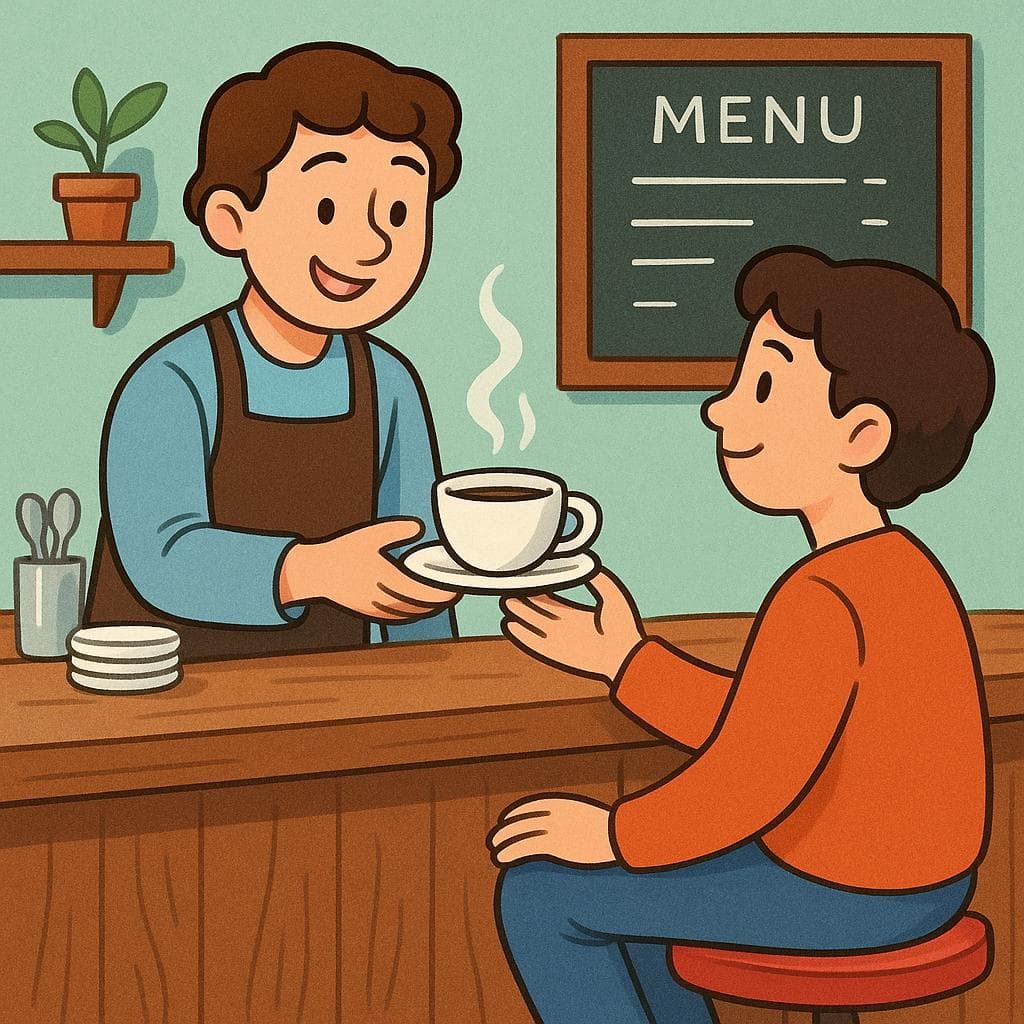
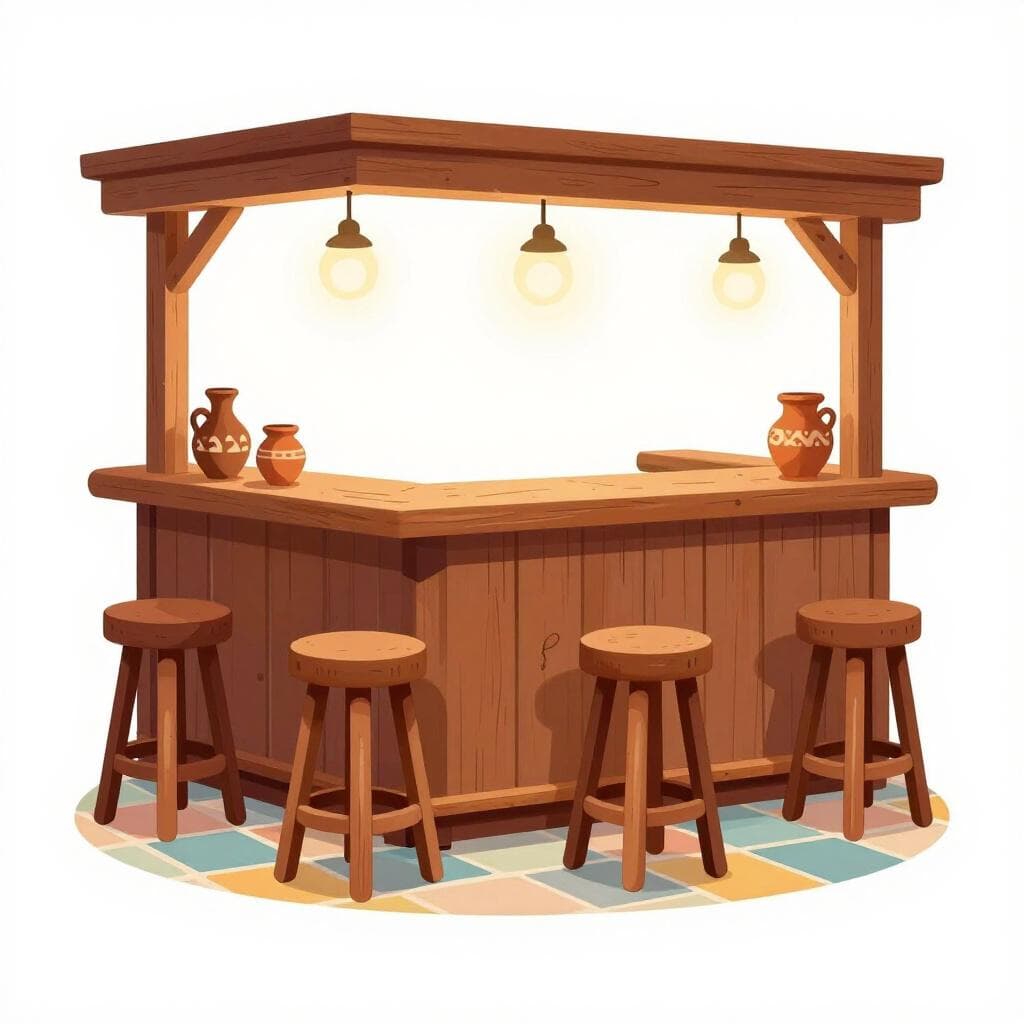
The most common Spanish word for “bar” is “bar” — use 'bar' when referring to an establishment that serves drinks and often food, similar to a pub or tavern in English.
bar
barˈbaɾ
Examples
Quedamos en el bar de la esquina a las ocho.
Let's meet at the corner bar at eight.
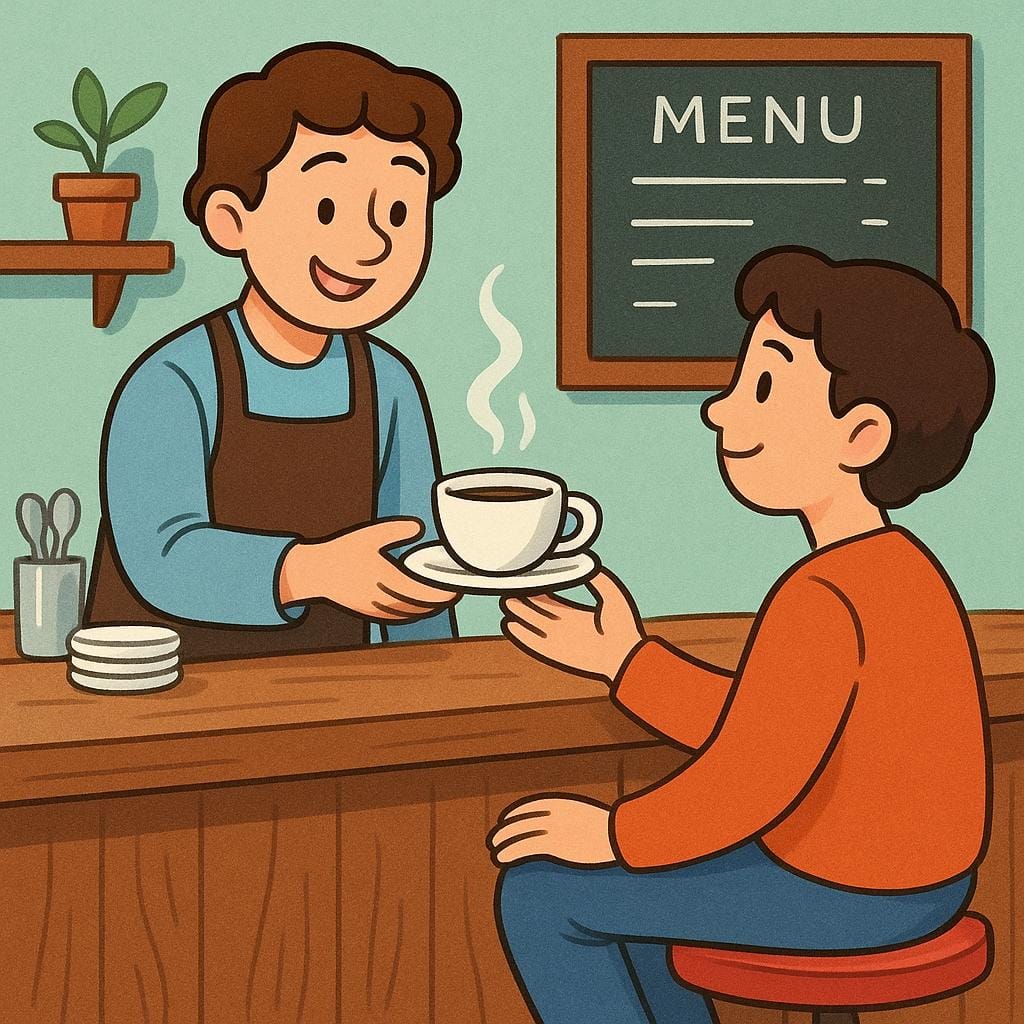
En España, es normal desayunar en un bar.
In Spain, it's normal to have breakfast at a bar/café.
Pídele otra ronda al camarero que está en el bar.
Ask the waiter who is at the counter for another round.
La presión del neumático debe ser de 2,5 bares.
The tire pressure should be 2.5 bars.
Gender: It's a Masculine Noun
Even though it doesn't end in '-o', 'bar' is a masculine word. So, you always say 'el bar' (the bar) or 'un bar' (a bar).
Confusing 'bar' with 'barra'
Mistake: “Me senté en el bar para beber.”
Correction: Me senté en la barra para beber. (I sat at the counter to drink.) While the first sentence is okay ('I sat in the bar...'), if you mean the physical counter, you need to use 'la barra'.
barra
BAH-rrah (Roll the 'rr' sound strongly)ˈba.rra
Examples
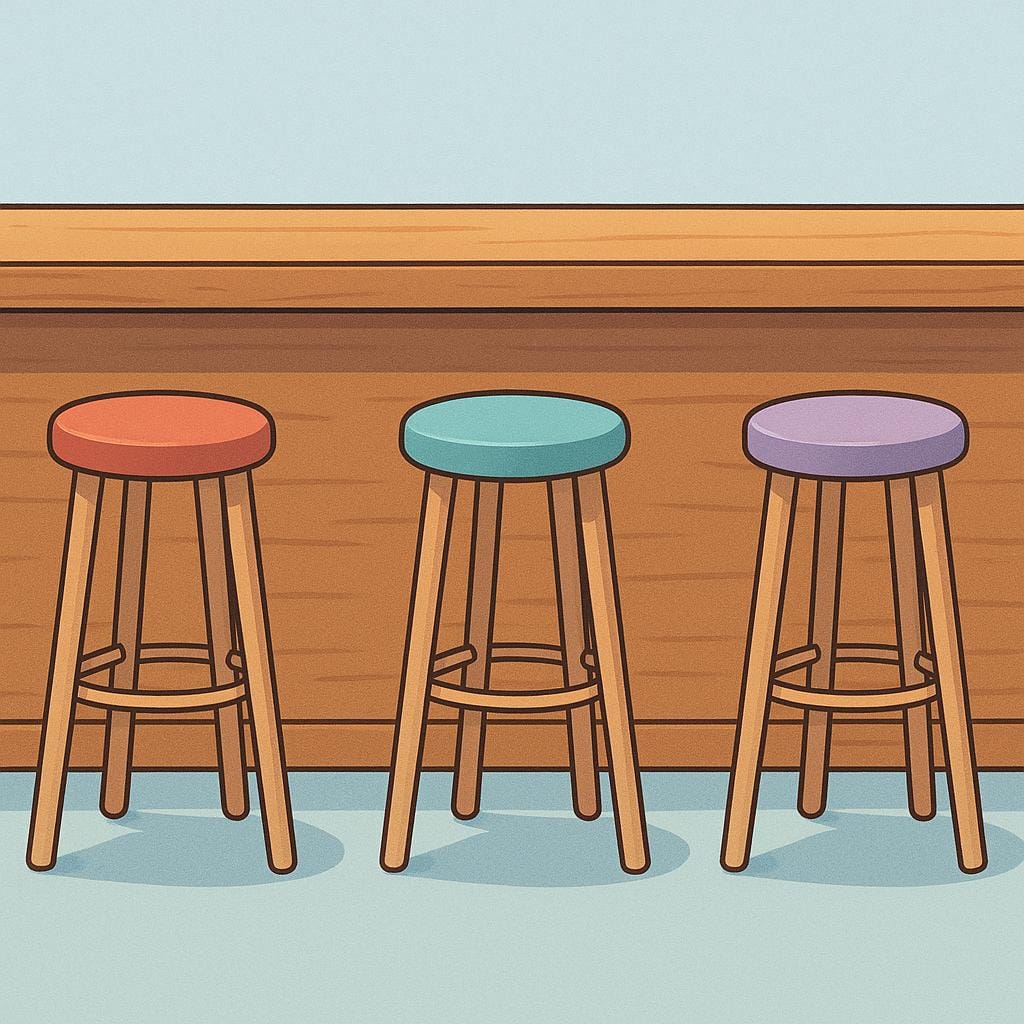
Pedimos dos cervezas directamente en la barra.
We ordered two beers directly at the bar counter.
No encontramos mesa, así que comimos en la barra.
We couldn't find a table, so we ate at the counter.
El ladrón usó una barra de hierro para abrir la caja fuerte.
The thief used an iron bar to open the safe.
Compramos una barra de pan integral.
We bought a loaf of whole wheat bread. (A long, stick-like loaf)
Gender Reminder
Even though 'bar' (the place) is often 'el bar', the counter/surface is always feminine: 'la barra'.
Metaphorical Extension
The word 'barra' is used for anything long, straight, and solid, including a loaf of bread ('barra de pan') or a stick of makeup ('barra de labios').
mostrador
mohs-trah-DOHRmostɾaˈðoɾ
Examples
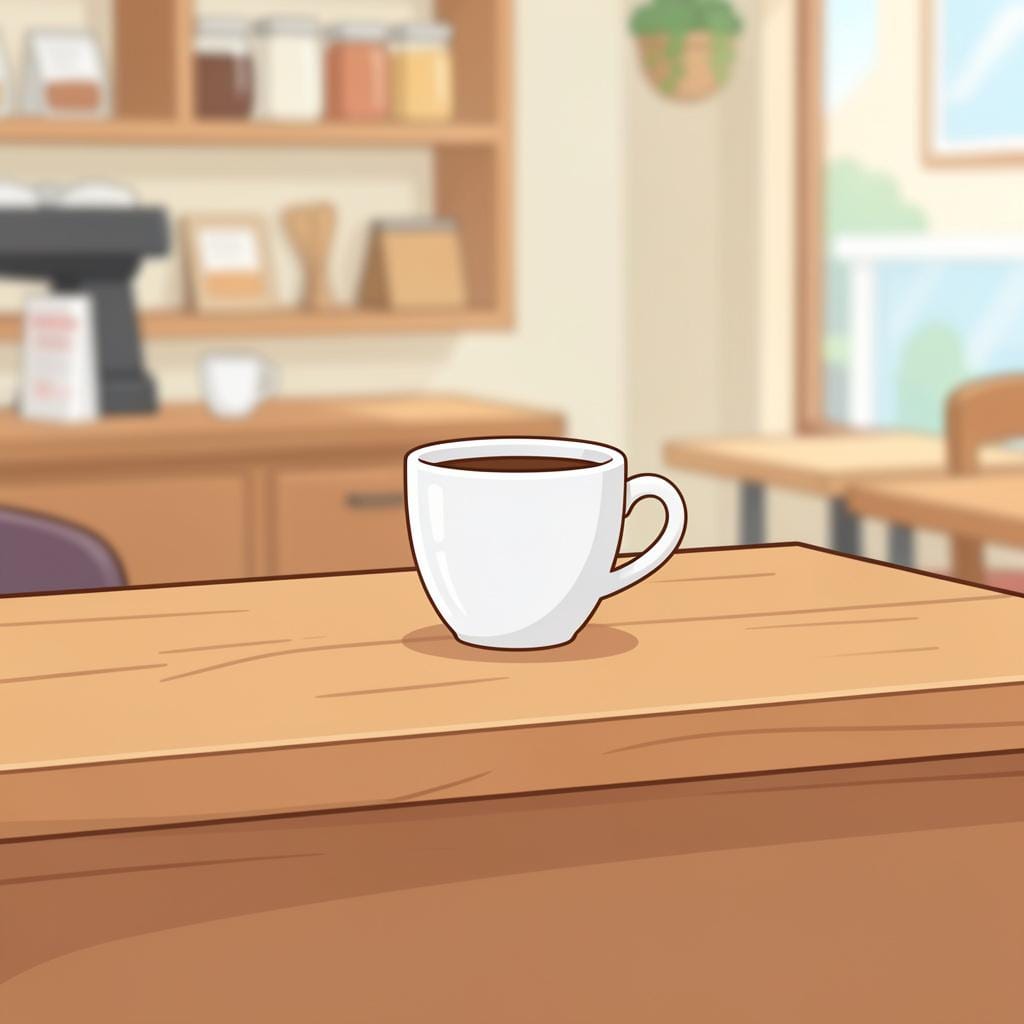
Por favor, deje su maleta en el mostrador.
Please, leave your suitcase on the counter.
El dependiente está atendiendo a un cliente en el mostrador.
The shop assistant is helping a customer at the counter.
No hay nadie en el mostrador de información.
There is no one at the information desk.
Gender Identification
Words ending in -dor are almost always masculine, so you'll use 'el' or 'un' with them.
The '-dor' Suffix
In Spanish, adding -dor to a verb often creates a noun for a person or a place that performs that action. It comes from 'mostrar' (to show), so it literally means 'the place where things are shown'.
Mostrador vs. Escritorio
Mistake: “Using 'mostrador' to refer to your personal desk at home.”
Correction: Use 'escritorio' for a private work desk and 'mostrador' for a public service counter.
cantina
kan-TEE-nahkanˈtina

Examples
Vamos a la cantina para tomar unos tequilas y comer botanas.
Let's go to the bar to have some tequilas and eat snacks.
Los trabajadores almuerzan todos los días en la cantina de la fábrica.
The workers eat lunch every day in the factory cafeteria.
La cantina del instituto vende sándwiches muy buenos.
The high school snack bar sells very good sandwiches.
Gender Identification
Since this word ends in '-a', it is feminine. Always use feminine markers like 'la cantina' (the bar) or 'una cantina' (a bar).
Pluralization
To make it plural, just add an '-s' at the end: 'las cantinas'. The stress remains on the second-to-last syllable.
Canteen vs. Cantimplora
Mistake: “Using 'cantina' to mean a water bottle for hiking.”
Correction: Use 'cantimplora' for a portable water flask. In Spanish, a 'cantina' is a place (a room or building), not a bottle you carry.
barra
BAH-rrah (Roll the 'rr' sound strongly)ˈba.rra
Examples
El ladrón usó una barra de hierro para abrir la caja fuerte.
The thief used an iron bar to open the safe.
Pedimos dos cervezas directamente en la barra.
We ordered two beers directly at the bar counter.
No encontramos mesa, así que comimos en la barra.
We couldn't find a table, so we ate at the counter.
Compramos una barra de pan integral.
We bought a loaf of whole wheat bread. (A long, stick-like loaf)
Gender Reminder
Even though 'bar' (the place) is often 'el bar', the counter/surface is always feminine: 'la barra'.
Metaphorical Extension
The word 'barra' is used for anything long, straight, and solid, including a loaf of bread ('barra de pan') or a stick of makeup ('barra de labios').
barra
BAH-rrah (Roll the 'rr' sound strongly)ˈba.rra
Examples
Recuerda usar la barra inclinada en la dirección web.
Remember to use the forward slash in the web address.
Pedimos dos cervezas directamente en la barra.
We ordered two beers directly at the bar counter.
No encontramos mesa, así que comimos en la barra.
We couldn't find a table, so we ate at the counter.
El ladrón usó una barra de hierro para abrir la caja fuerte.
The thief used an iron bar to open the safe.
Gender Reminder
Even though 'bar' (the place) is often 'el bar', the counter/surface is always feminine: 'la barra'.
Metaphorical Extension
The word 'barra' is used for anything long, straight, and solid, including a loaf of bread ('barra de pan') or a stick of makeup ('barra de labios').
pastilla
pas-TEE-yahpasˈtiʝa
Examples
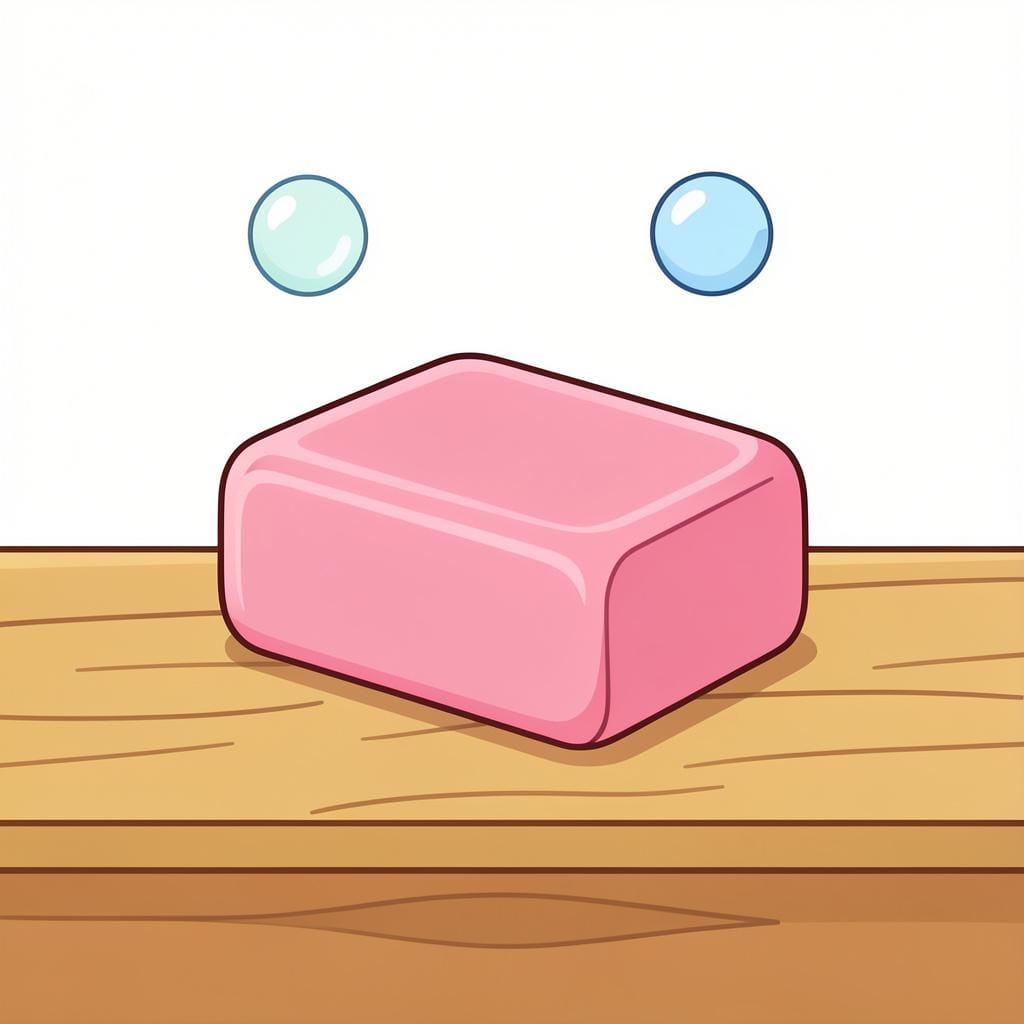
Compré una pastilla de jabón con olor a lavanda.
I bought a bar of soap with a lavender scent.
Añade una pastilla de caldo a la sopa.
Add a bouillon cube (stock block) to the soup.
bar
barˈbaɾ
Examples
La presión del neumático debe ser de 2,5 bares.
The tire pressure should be 2.5 bars.
Quedamos en el bar de la esquina a las ocho.
Let's meet at the corner bar at eight.
En España, es normal desayunar en un bar.
In Spain, it's normal to have breakfast at a bar/café.
Pídele otra ronda al camarero que está en el bar.
Ask the waiter who is at the counter for another round.
Gender: It's a Masculine Noun
Even though it doesn't end in '-o', 'bar' is a masculine word. So, you always say 'el bar' (the bar) or 'un bar' (a bar).
Confusing 'bar' with 'barra'
Mistake: “Me senté en el bar para beber.”
Correction: Me senté en la barra para beber. (I sat at the counter to drink.) While the first sentence is okay ('I sat in the bar...'), if you mean the physical counter, you need to use 'la barra'.
pub
pabpab
Examples
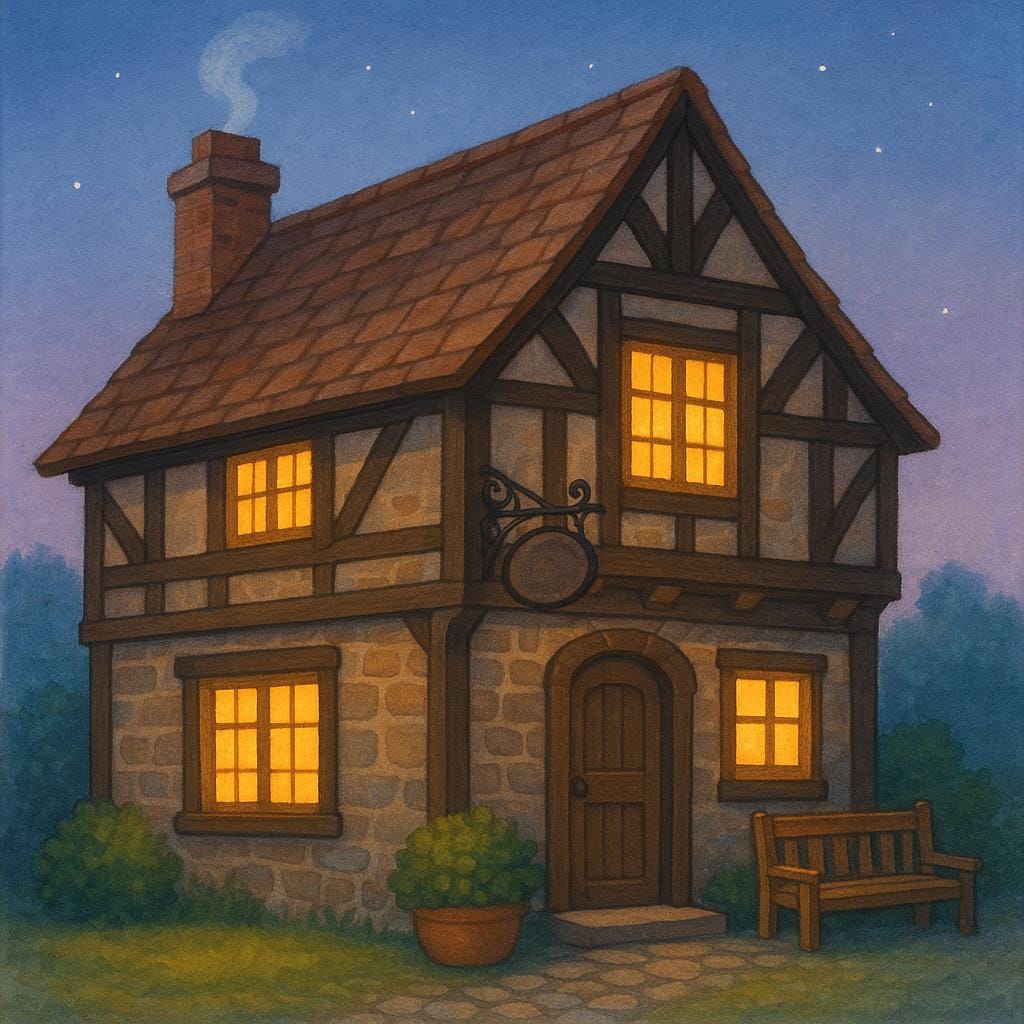
Quedamos en el pub a las ocho.
Let's meet at the pub at eight.
Este pub tiene muy buena música en directo.
This pub has very good live music.
Hay un pub irlandés muy famoso en el centro.
There is a very famous Irish pub downtown.
A Borrowed Word
This word is taken directly from English. Even though it's borrowed, it behaves like a normal Spanish masculine word: use 'el' or 'un'.
Making it Plural
To talk about more than one, simply add an 's' to get 'pubs'.
Pronunciation
Mistake: “Pronouncing it exactly like English 'pub'.”
Correction: In Spanish, the 'u' usually sounds more like a short 'a' (pab) or sometimes a soft 'u' (poob), depending on where you are.
Bar vs. Barra
Related Translations
Learn Spanish with Inklingo
Interactive stories, personalized learning, and more.