How to Say "counter" in Spanish
The most common Spanish word for “counter” is “mostrador” — use 'mostrador' for the flat surface in a shop, café, or reception area where you interact with staff or place items.

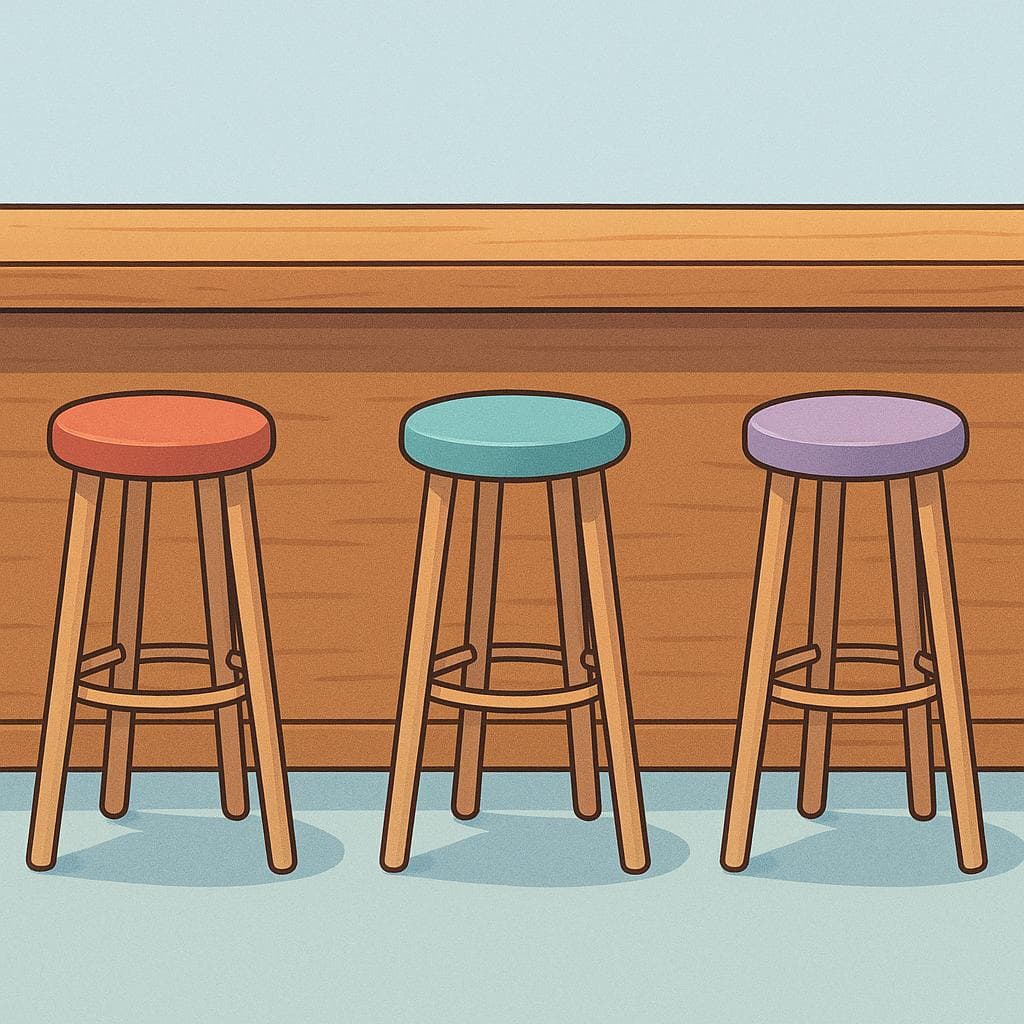
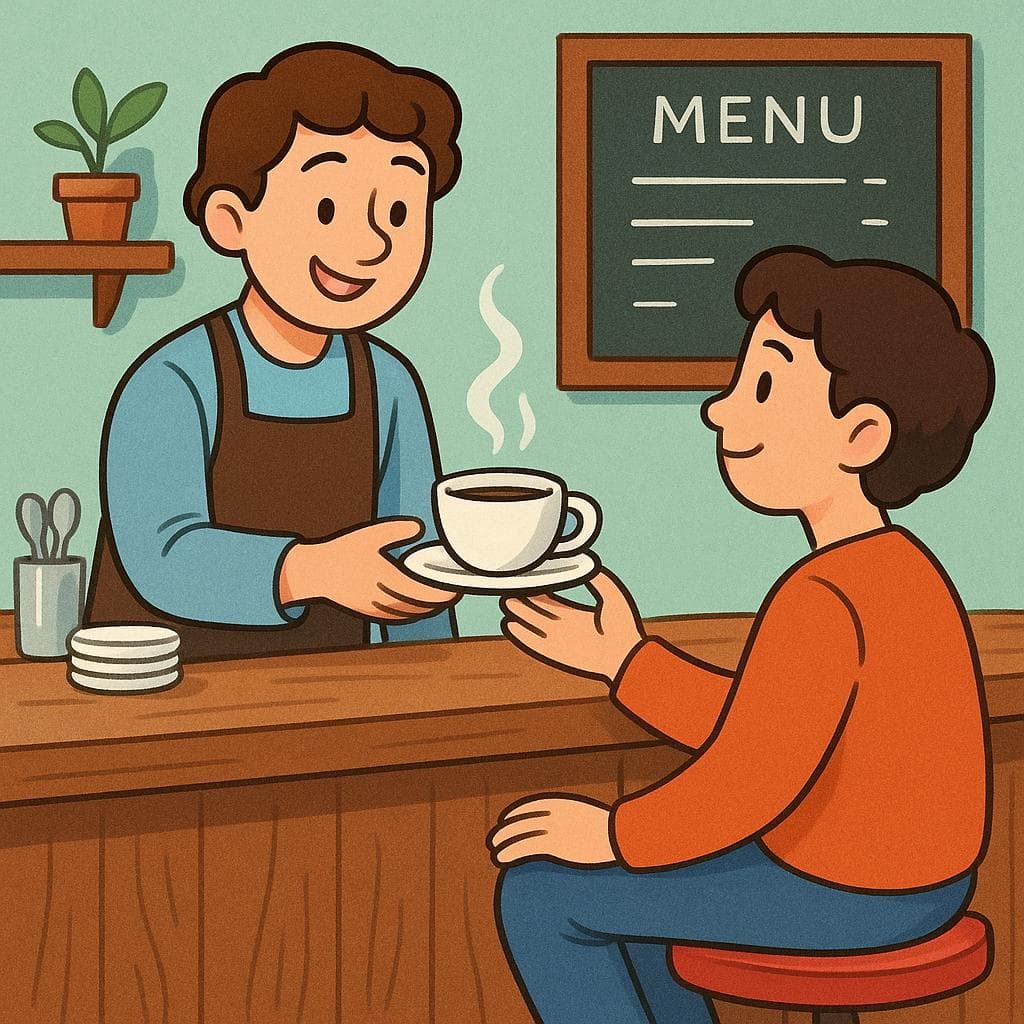

mostrador
mohs-trah-DOHRmostɾaˈðoɾ

Examples
Por favor, deje su maleta en el mostrador.
Please, leave your suitcase on the counter.
El dependiente está atendiendo a un cliente en el mostrador.
The shop assistant is helping a customer at the counter.
No hay nadie en el mostrador de información.
There is no one at the information desk.
Gender Identification
Words ending in -dor are almost always masculine, so you'll use 'el' or 'un' with them.
The '-dor' Suffix
In Spanish, adding -dor to a verb often creates a noun for a person or a place that performs that action. It comes from 'mostrar' (to show), so it literally means 'the place where things are shown'.
Mostrador vs. Escritorio
Mistake: “Using 'mostrador' to refer to your personal desk at home.”
Correction: Use 'escritorio' for a private work desk and 'mostrador' for a public service counter.
barra
BAH-rrah (Roll the 'rr' sound strongly)ˈba.rra
Examples
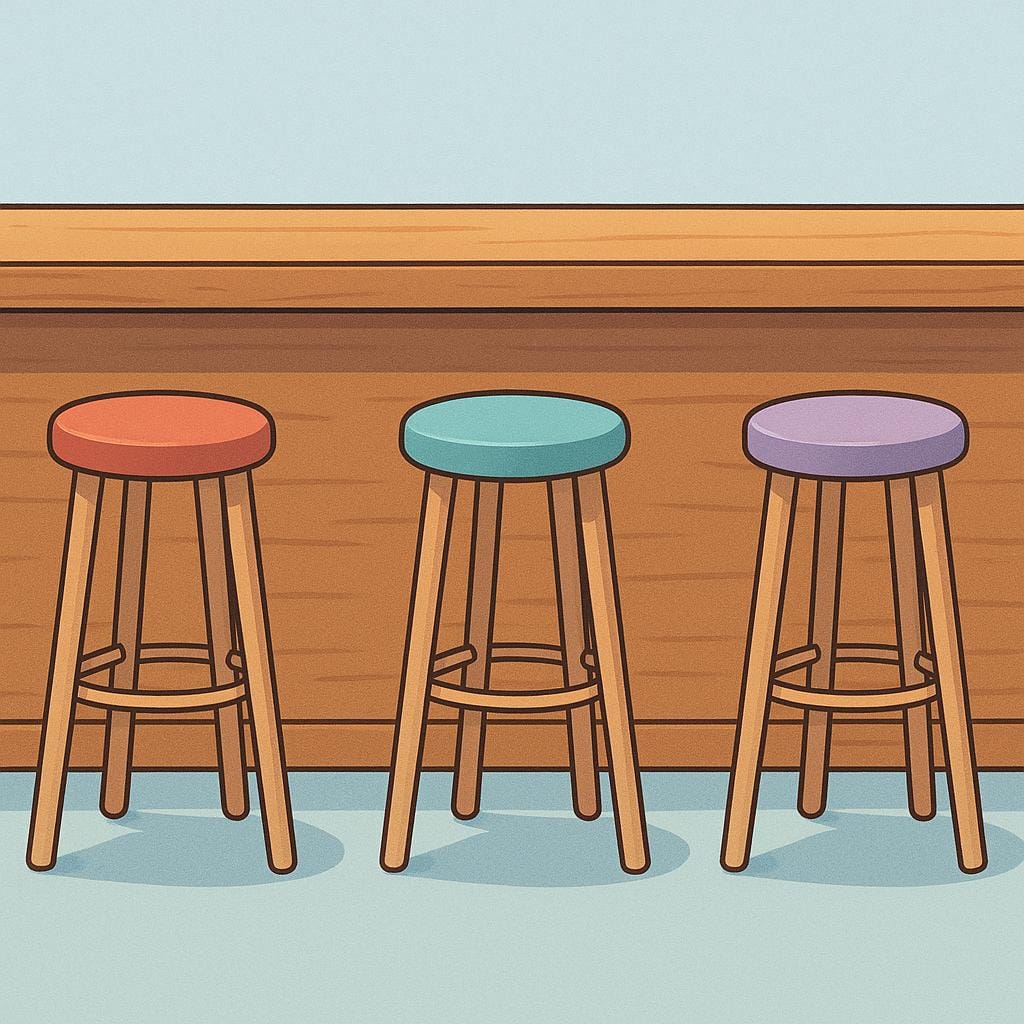
Pedimos dos cervezas directamente en la barra.
We ordered two beers directly at the bar counter.
No encontramos mesa, así que comimos en la barra.
We couldn't find a table, so we ate at the counter.
Gender Reminder
Even though 'bar' (the place) is often 'el bar', the counter/surface is always feminine: 'la barra'.
bar
barˈbaɾ
Examples
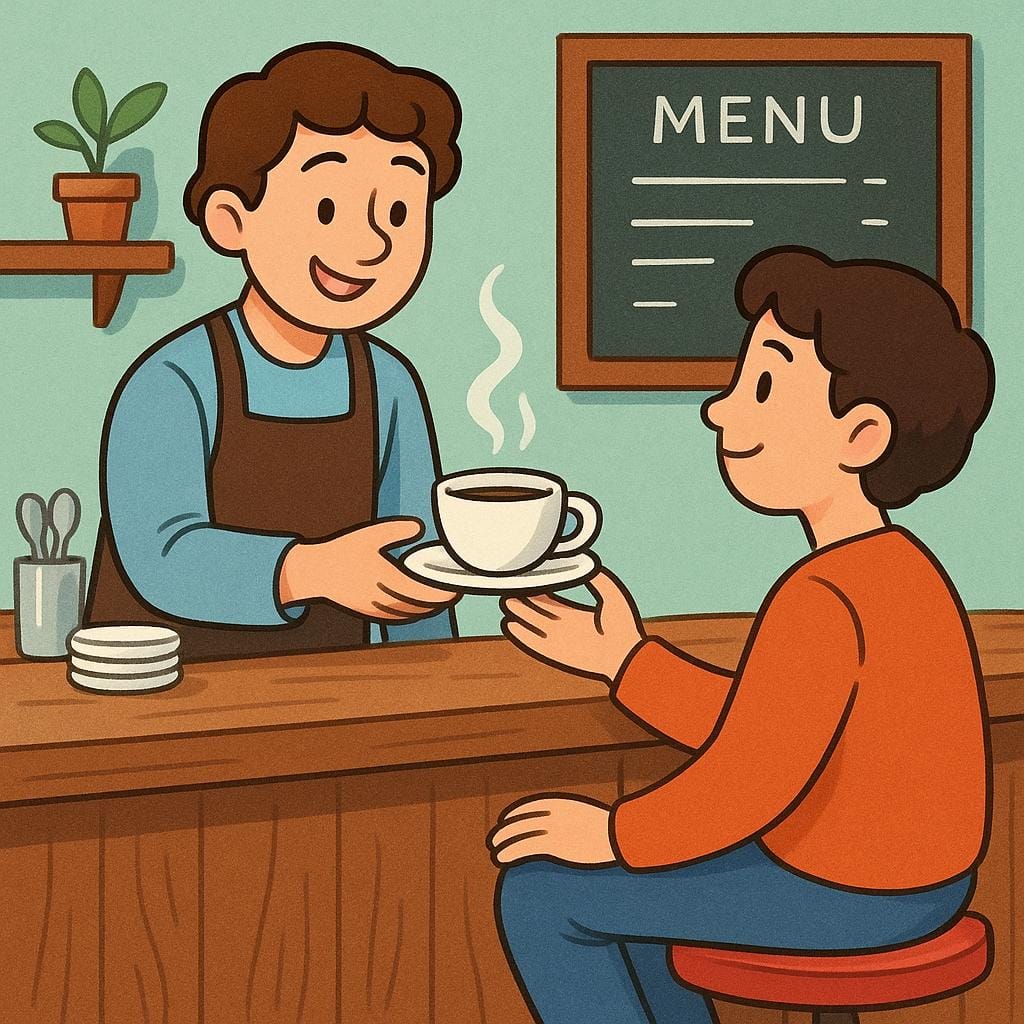
Quedamos en el bar de la esquina a las ocho.
Let's meet at the corner bar at eight.
En España, es normal desayunar en un bar.
In Spain, it's normal to have breakfast at a bar/café.
Pídele otra ronda al camarero que está en el bar.
Ask the waiter who is at the counter for another round.
Gender: It's a Masculine Noun
Even though it doesn't end in '-o', 'bar' is a masculine word. So, you always say 'el bar' (the bar) or 'un bar' (a bar).
Confusing 'bar' with 'barra'
Mistake: “Me senté en el bar para beber.”
Correction: Me senté en la barra para beber. (I sat at the counter to drink.) While the first sentence is okay ('I sat in the bar...'), if you mean the physical counter, you need to use 'la barra'.
contador
kon-tah-DORkontaˈðoɾ
Examples
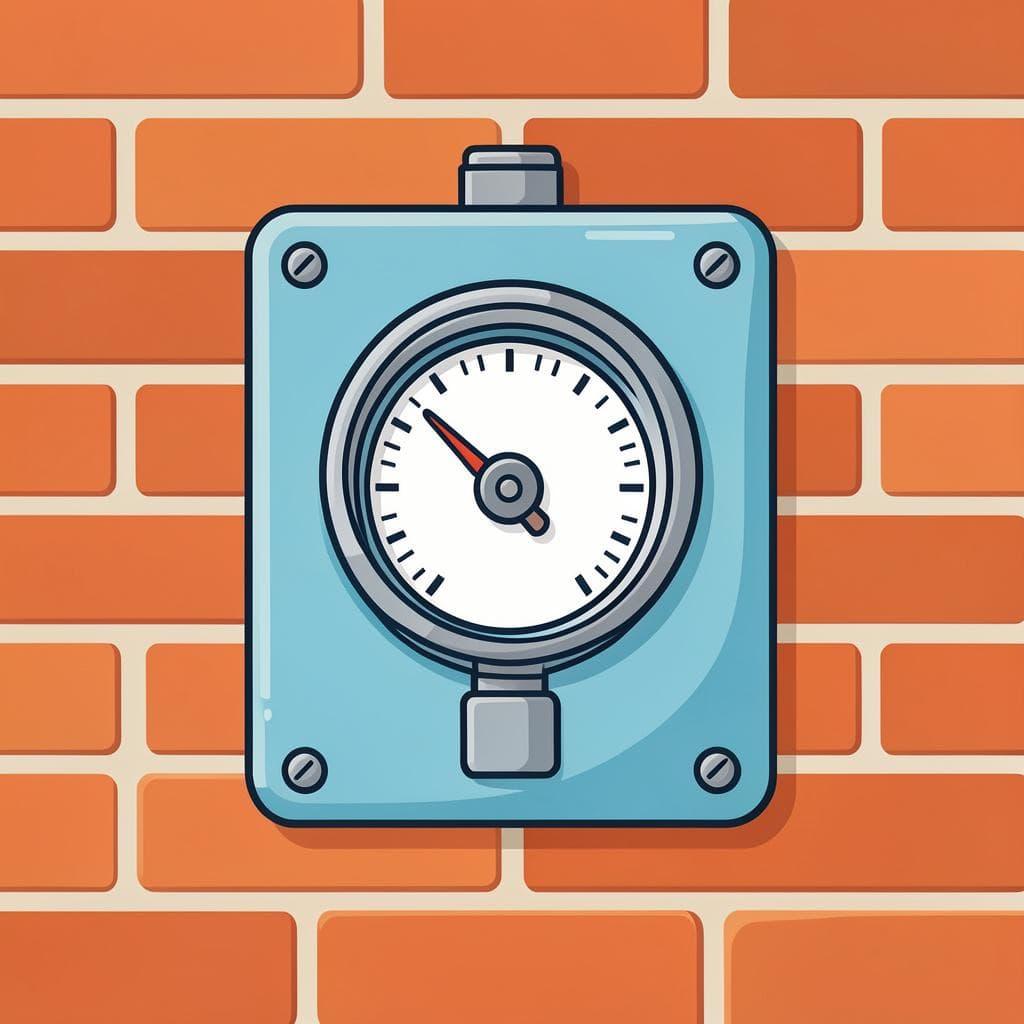
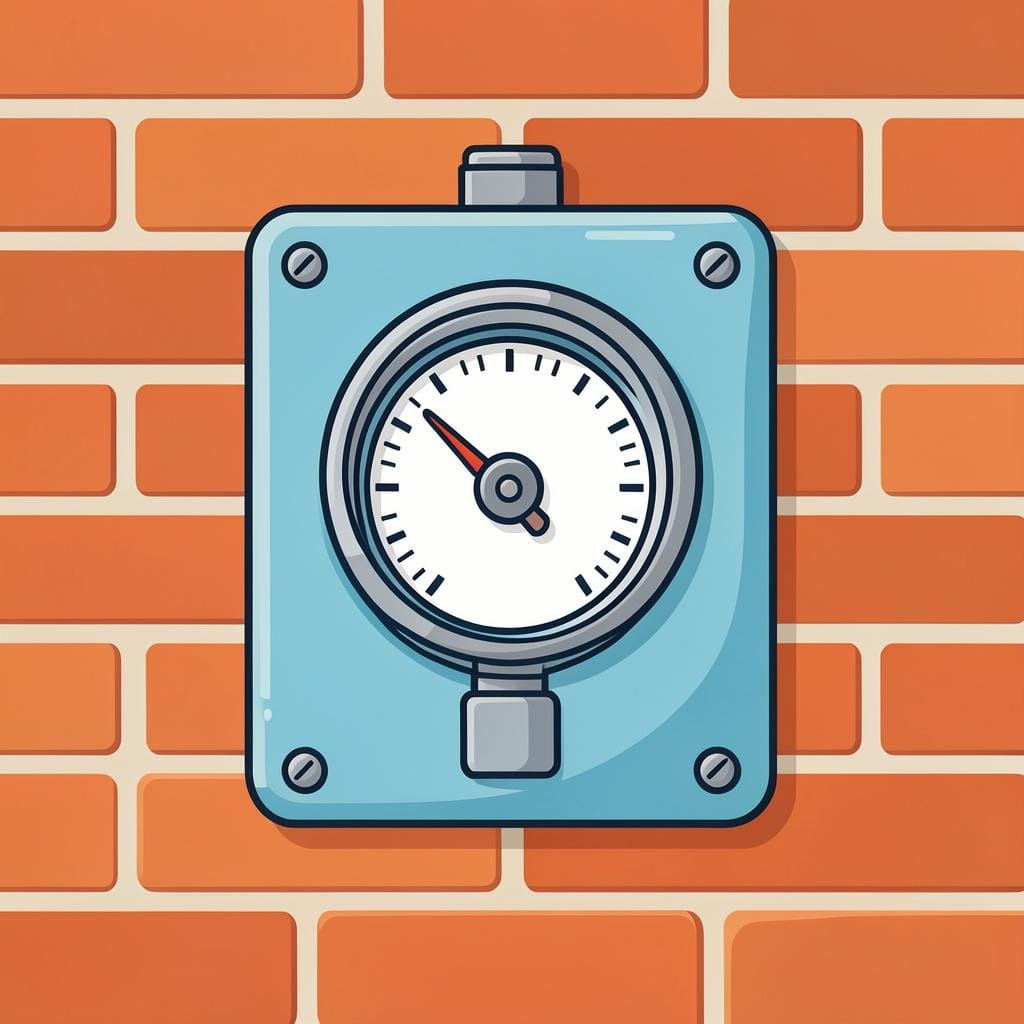
El contador del agua está afuera de la casa.
The water meter is outside the house.
El video tiene un contador de visitas en la esquina.
The video has a view counter in the corner.
Measuring Devices
When 'contador' refers to a machine, it is always masculine, regardless of who owns it or where it is.
ventanilla
ben-tah-NEE-yahβentaˈniʝa

Examples
Fui a la ventanilla del banco para cobrar un cheque.
I went to the bank teller window to cash a check.
Por favor, espere su turno frente a la ventanilla número tres.
Please wait for your turn in front of window number three.
La ventanilla de información está al fondo del pasillo.
The information desk is at the end of the hallway.
The 'Small' Ending
The ending '-illa' is a 'diminutive,' which usually means something is small. Here, it turns a regular 'ventana' (window) into a specific small window used for service.
Using 'En'
When you are talking about being at the window, use 'en la ventanilla.' It works just like 'at the window' in English.
Don't use 'ventana' for service
Mistake: “Hice el trámite en la ventana.”
Correction: Hice el trámite en la ventanilla. Use 'ventana' for house windows and 'ventanilla' for office or service windows.
Mostrador vs. Barra
Related Translations
Learn Spanish with Inklingo
Interactive stories, personalized learning, and more.