How to Say "café" in Spanish
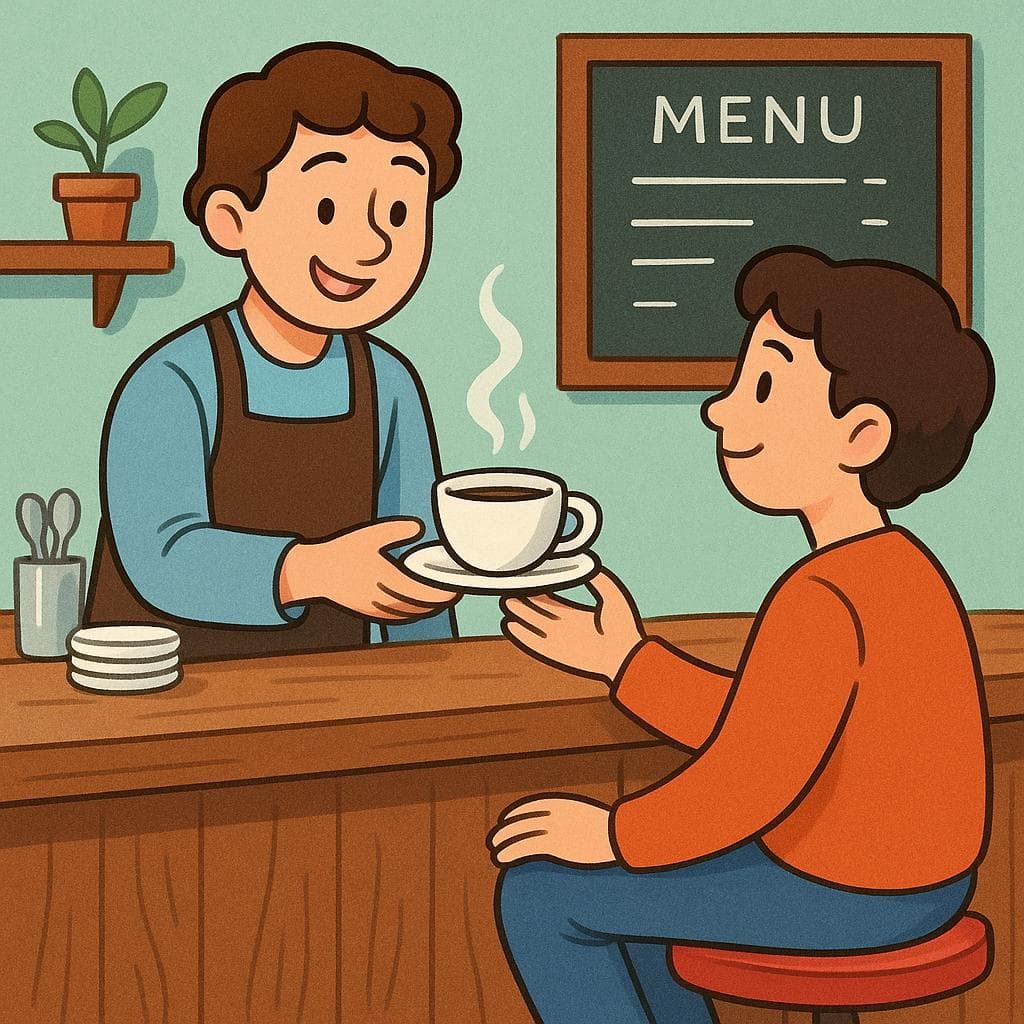
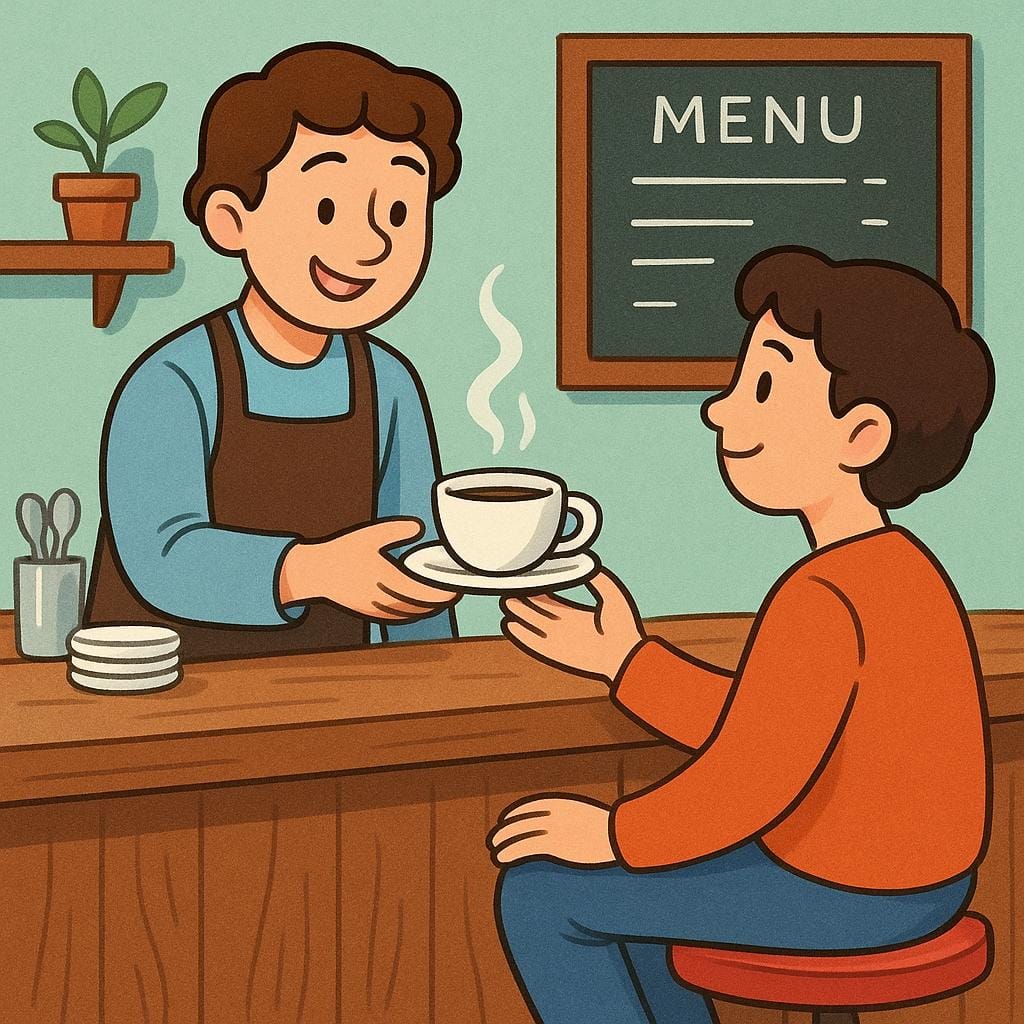
The most common Spanish word for “café” is “bar” — use 'bar' when referring to a place that serves coffee, drinks, and often snacks, particularly common in Spain. It can sometimes overlap with the function of a pub or a casual eatery.
bar
barˈbaɾ
Examples
Quedamos en el bar de la esquina a las ocho.
Let's meet at the corner bar at eight.
En España, es normal desayunar en un bar.
In Spain, it's normal to have breakfast at a bar/café.
Pídele otra ronda al camarero que está en el bar.
Ask the waiter who is at the counter for another round.
Gender: It's a Masculine Noun
Even though it doesn't end in '-o', 'bar' is a masculine word. So, you always say 'el bar' (the bar) or 'un bar' (a bar).
Confusing 'bar' with 'barra'
Mistake: “Me senté en el bar para beber.”
Correction: Me senté en la barra para beber. (I sat at the counter to drink.) While the first sentence is okay ('I sat in the bar...'), if you mean the physical counter, you need to use 'la barra'.
café
Examples
Nos vemos en el café de la esquina a las cinco.
See you at the corner café at five.
Bar vs. Café in Spain
Related Translations
Learn Spanish with Inklingo
Interactive stories, personalized learning, and more.