How to Say "brown" in Spanish
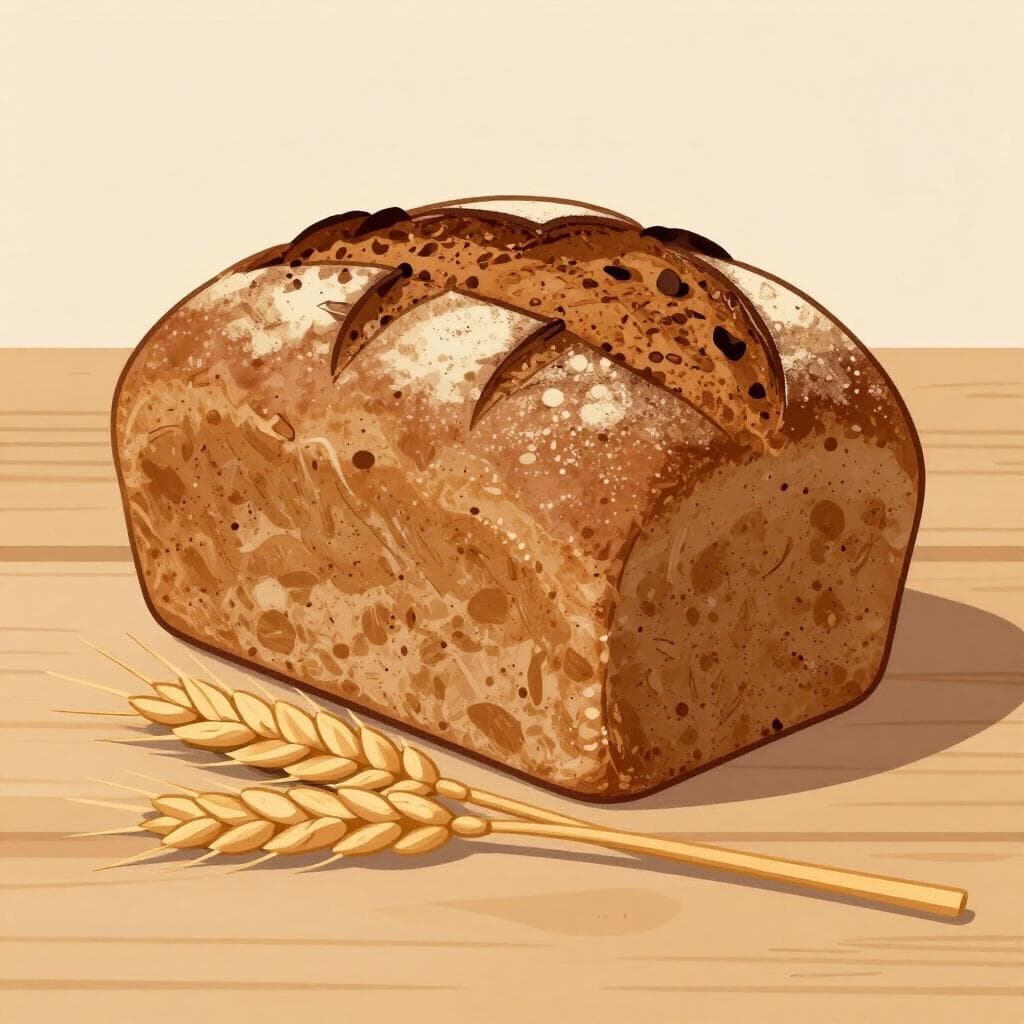
The most common Spanish word for “brown” is “marrón” — use this as the general, all-purpose word for the color brown when describing objects, animals, or general colors.


marrón
Examples
Mi perro tiene el pelo marrón y blanco.
My dog has brown and white fur.
castaño
Examples
Mi hermano tiene el pelo castaño y los ojos verdes.
My brother has brown hair and green eyes.
café
Examples
Tiene los ojos de color café.
He/She has brown eyes.
moreno
mo-REH-nohmoˈɾeno

Examples
Mi hermano es moreno y tiene los ojos verdes.
My brother is dark-haired and has green eyes.
Estás muy moreno después de tu viaje a la playa.
You are very tanned after your trip to the beach.
Prefiero usar azúcar moreno para el café.
I prefer to use brown sugar for the coffee.
The Tan vs. The Trait
Use 'ser' with moreno to describe someone's natural hair or skin color. Use 'estar' if you want to say someone looks tanned because they've been in the sun.
Gender Changes
Remember to change the ending to -a (morena) when describing a woman or a feminine object, like 'azúcar' (masculine) vs 'piel' (feminine).
Confusing 'moreno' with 'negro'
Mistake: “Using 'moreno' to describe a person of African descent when you mean 'Black'.”
Correction: While 'moreno' is a polite way to say dark-skinned, 'negro' is the standard word for Black. 'Moreno' usually implies brunette or tanned.
chocolate
cho-co-LA-tetʃokoˈlate

Examples
Necesito un par de botas color chocolate para el invierno.
I need a pair of chocolate-colored boots for the winter.
El perro tiene un pelaje marrón chocolate muy brillante.
The dog has a very shiny chocolate brown coat.
Color Adjective Rule
When 'chocolate' is used to describe a color, it is invariable. This means it doesn't change its ending to match the gender or number of the item it describes (e.g., 'las casas chocolate' not 'chocolates').
Do not pluralize the color
Mistake: “Compré unas camisas chocolates.”
Correction: Compré unas camisas chocolate.
integral
een-teh-gralinteˈɡɾal
Examples
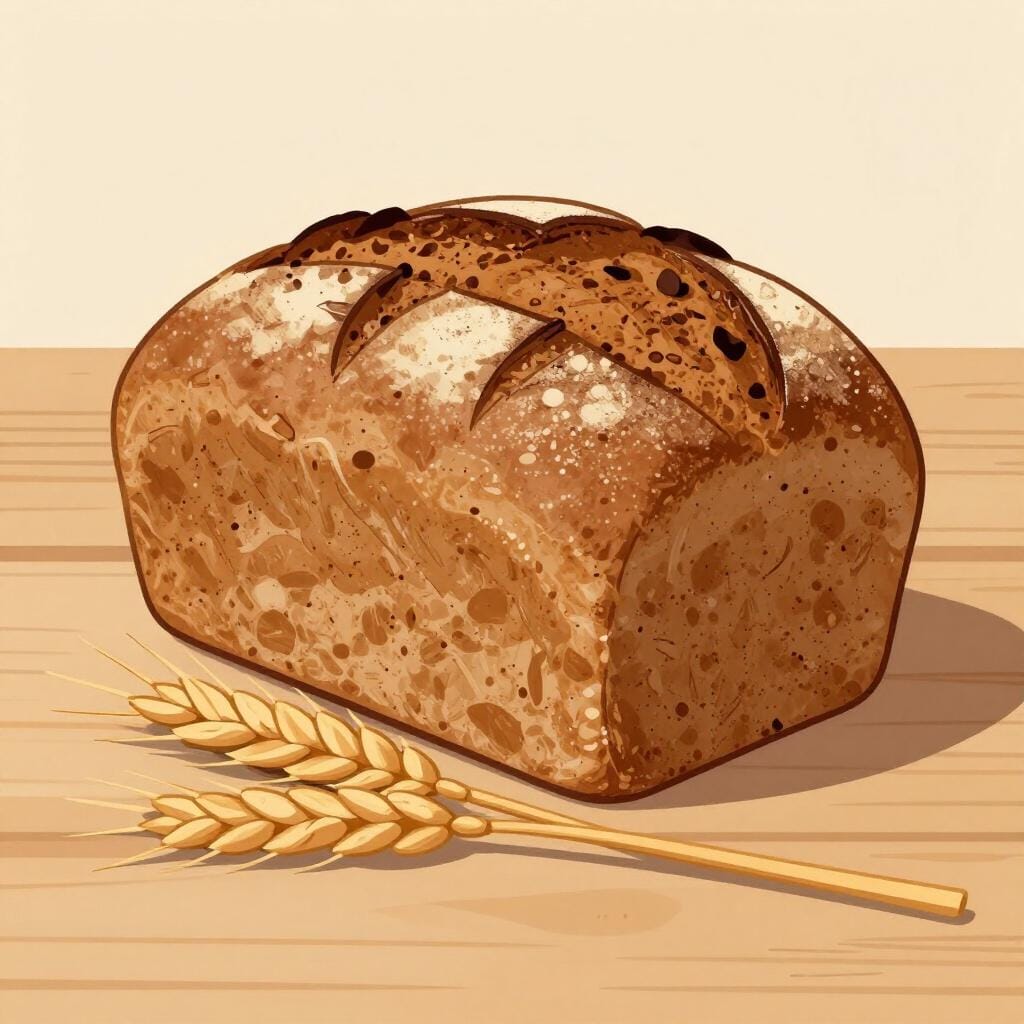
El pan integral es más saludable que el pan blanco.
Whole-wheat bread is healthier than white bread.
Prefiero comer arroz integral con las verduras.
I prefer eating brown rice with vegetables.
Compramos galletas integrales en el supermercado.
We bought whole-grain crackers at the supermarket.
One size fits all
This word doesn't change based on gender. You can say 'el pan integral' (masculine) or 'la pasta integral' (feminine) and the word stays exactly the same.
Making it plural
Since it ends in a consonant (L), you just add '-es' to make it plural: 'los panes integrales' or 'las galletas integrales'.
Avoid 'entero' for bread
Mistake: “Quiero pan entero.”
Correction: Quiero pan integral.
General Color vs. Specific Use
Related Translations
Learn Spanish with Inklingo
Interactive stories, personalized learning, and more.