How to Say "harvest" in Spanish
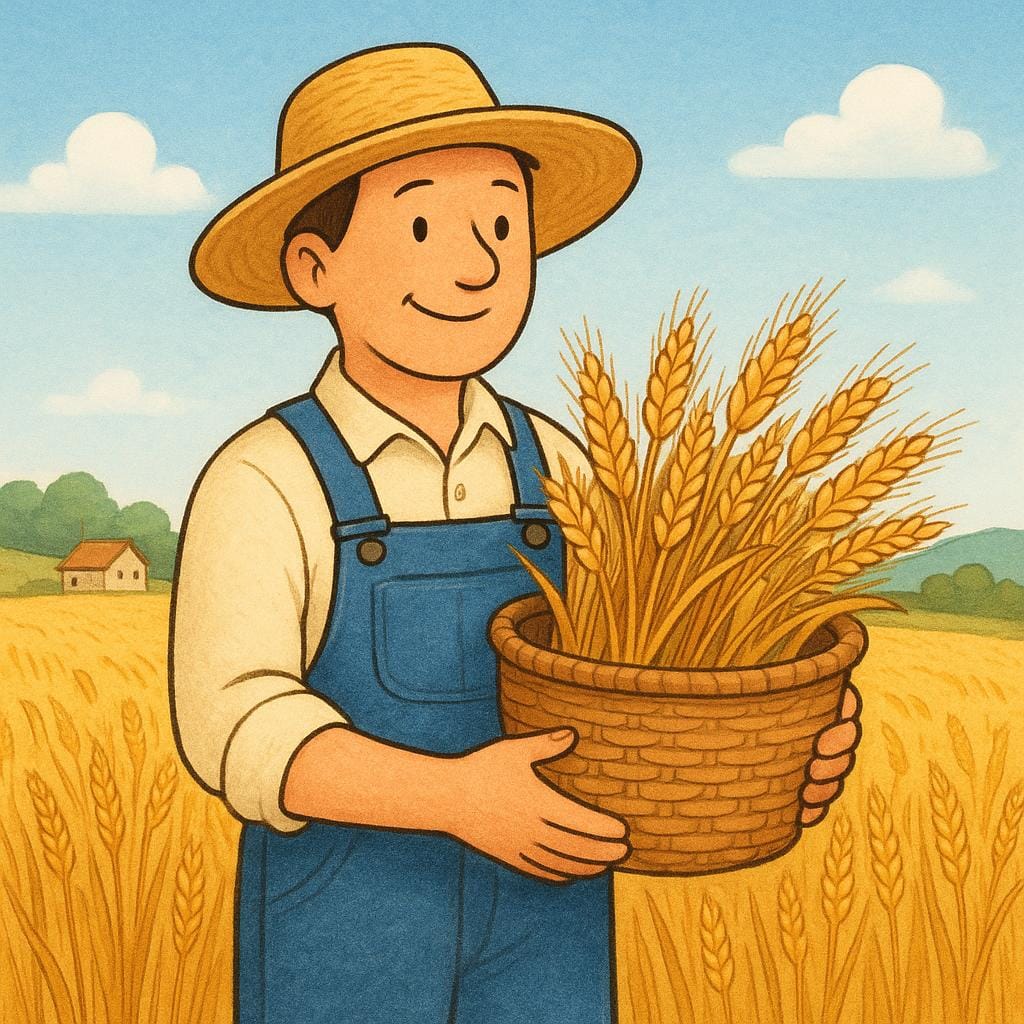
The most common Spanish word for “harvest” is “cosecha” — use 'cosecha' when referring to the agricultural act of gathering ripe crops from the field, emphasizing the yield or season.
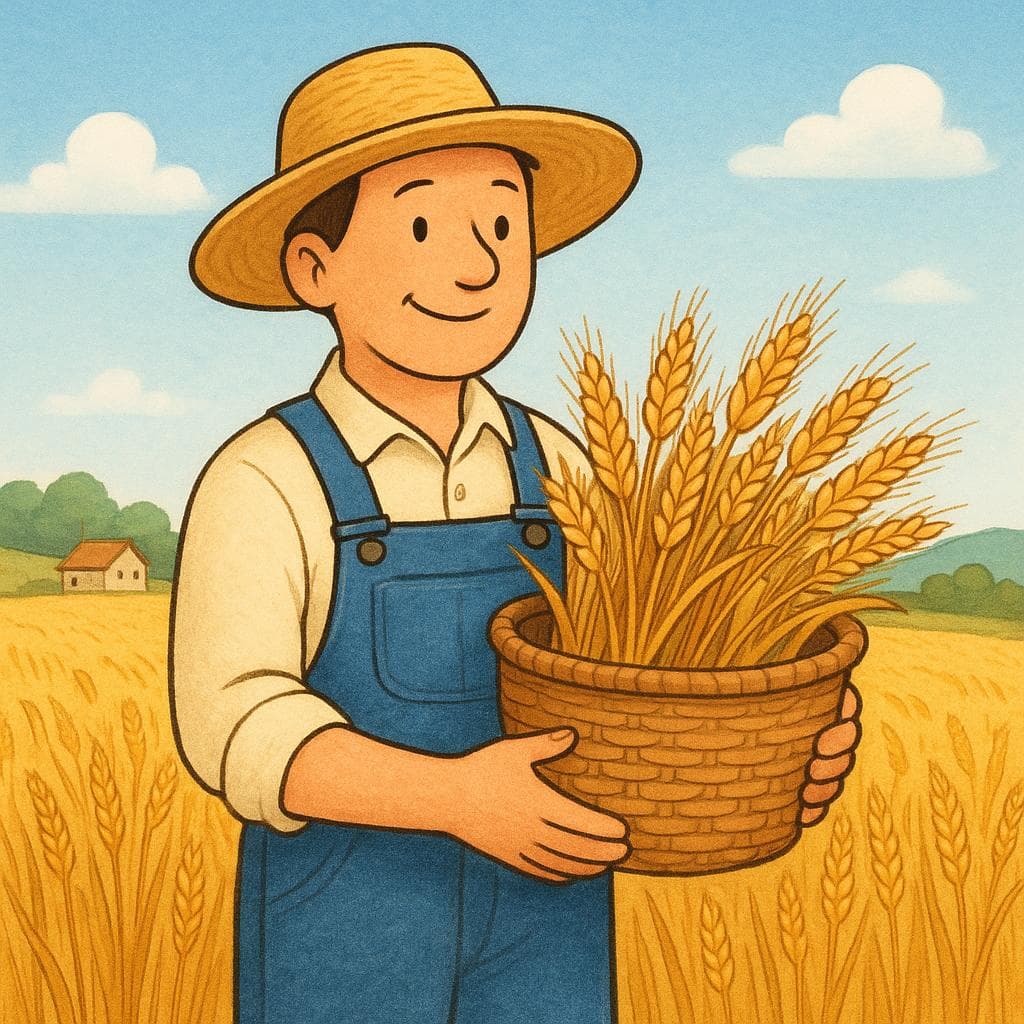

cosecha
koh-SEH-chakoˈsetʃa
Examples
La cosecha de uvas se realizará la próxima semana.
The grape harvest will take place next week.
La cosecha de trigo fue abundante gracias a la lluvia.
The wheat harvest was abundant thanks to the rain.
Estamos en plena época de cosecha de uvas.
We are right in the middle of the grape harvest season.
Feminine Noun
Since 'cosecha' is feminine, it always pairs with feminine words like 'la' or 'una', and descriptive words (adjectives) must also end in '-a' (e.g., 'la cosecha buena').
Using the wrong verb
Mistake: “Hacer la cosecha”
Correction: Levantar la cosecha or recoger la cosecha. Use verbs that mean 'to gather' or 'to raise' when talking about the act of harvesting.
recogida
rre-ko-HEE-dahrekoˈxiða

Examples
La recogida de fresas es un trabajo delicado.
The picking of strawberries is delicate work.
La recogida de equipaje está al final del pasillo.
Baggage claim (luggage pickup) is at the end of the hallway.
El horario de recogida de basura ha cambiado.
The trash collection schedule has changed.
Confirmaron la recogida del paquete para mañana por la tarde.
They confirmed the pickup of the package for tomorrow afternoon.
A Noun from a Verb
This word is the noun version of the verb 'recoger' (to pick up). It describes the action of picking something up as a single event.
Using it for 'Pick up'
Mistake: “Voy a la recogida de mi hermano.”
Correction: Voy a recoger a mi hermano.
Cosecha vs. Recogida for 'Harvest'
Related Translations
Learn Spanish with Inklingo
Interactive stories, personalized learning, and more.