How to Say "crop" in Spanish
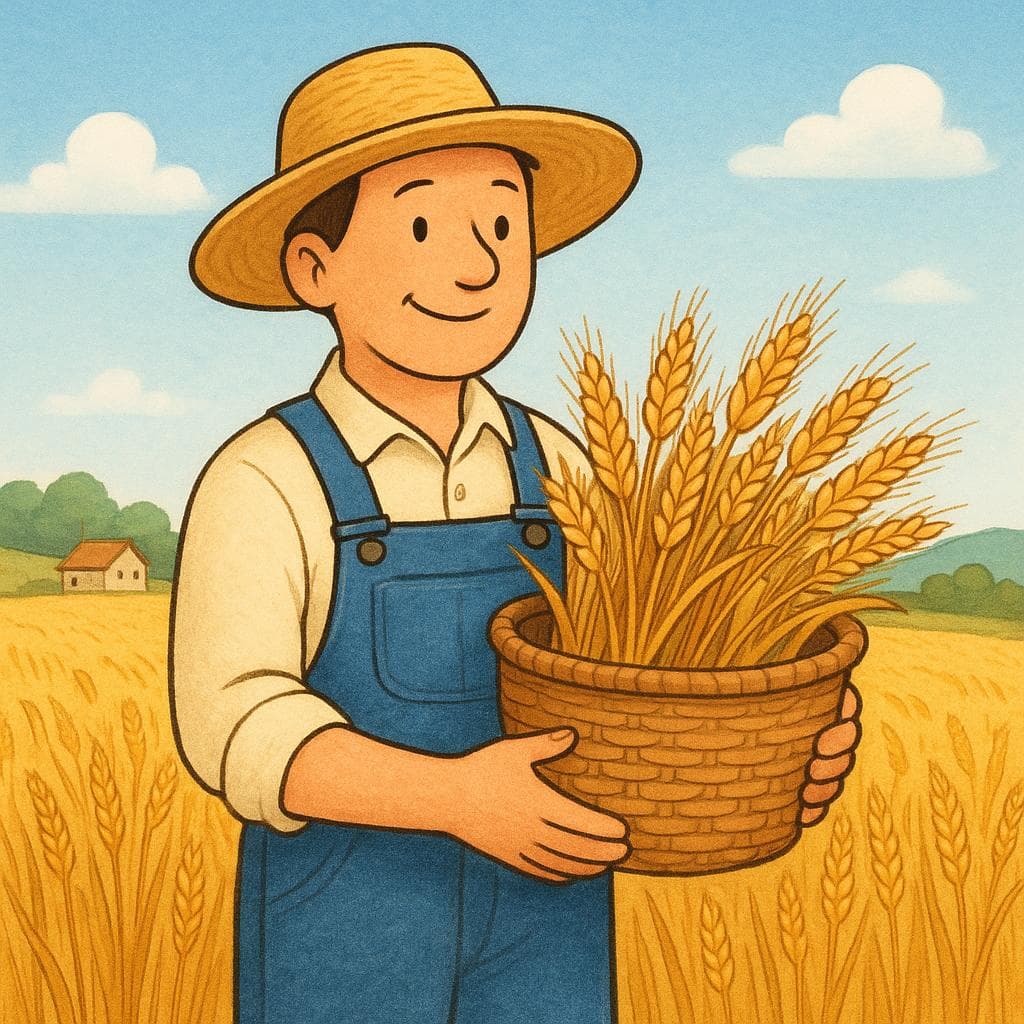
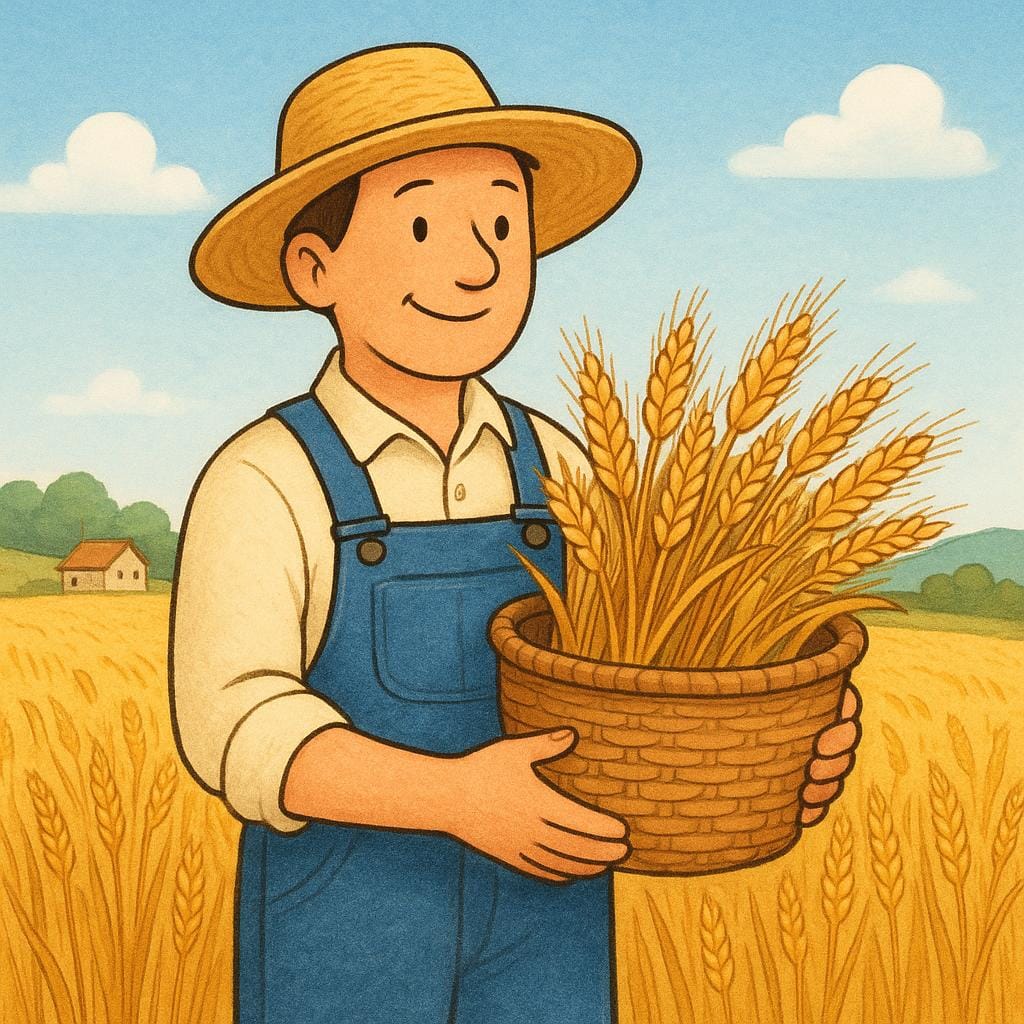
The most common Spanish word for “crop” is “cosecha” — use 'cosecha' when referring to the actual harvested produce or the act of harvesting it, emphasizing the result of agricultural labor.

cosecha
koh-SEH-chakoˈsetʃa
Examples
La cosecha de este año fue excelente.
This year's harvest was excellent.
La cosecha de trigo fue abundante gracias a la lluvia.
The wheat harvest was abundant thanks to the rain.
Estamos en plena época de cosecha de uvas.
We are right in the middle of the grape harvest season.
Feminine Noun
Since 'cosecha' is feminine, it always pairs with feminine words like 'la' or 'una', and descriptive words (adjectives) must also end in '-a' (e.g., 'la cosecha buena').
Using the wrong verb
Mistake: “Hacer la cosecha”
Correction: Levantar la cosecha or recoger la cosecha. Use verbs that mean 'to gather' or 'to raise' when talking about the act of harvesting.
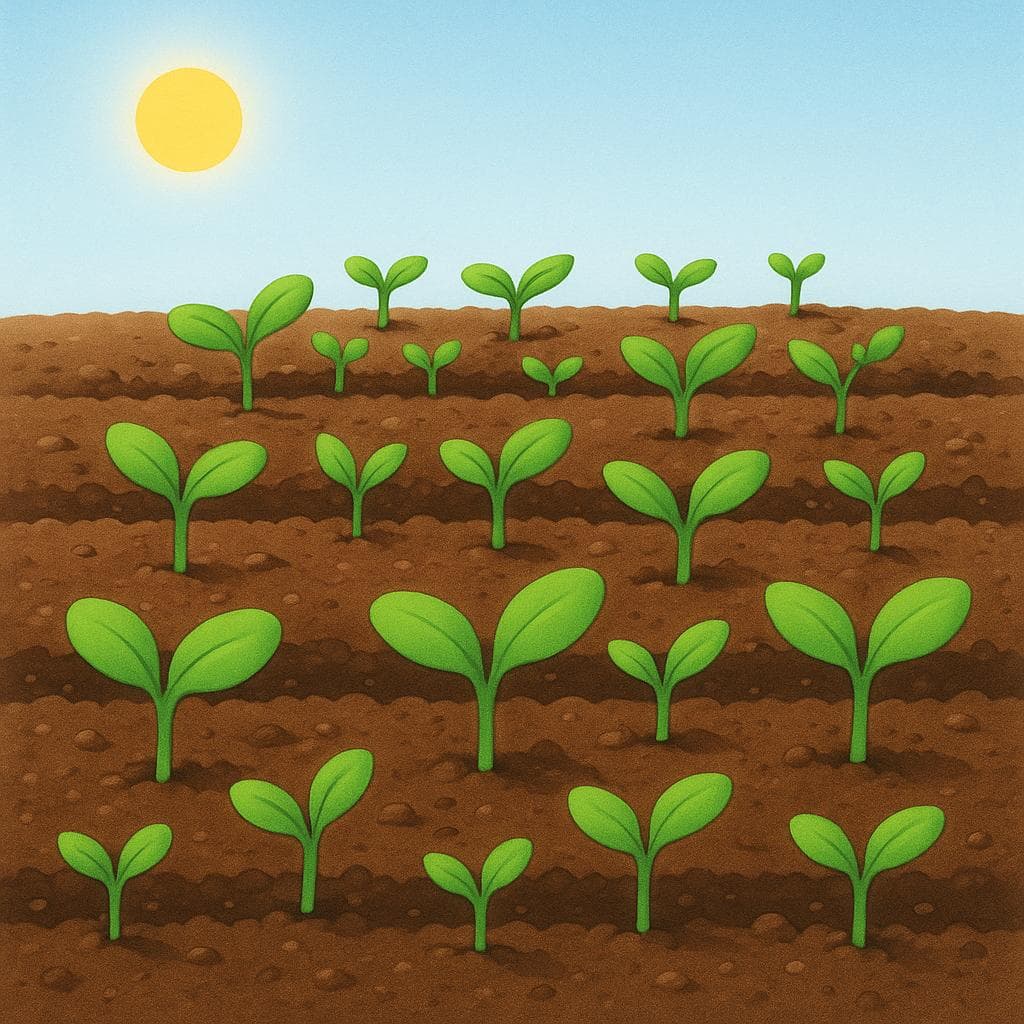
cultivo
kool-TEE-bohkulˈti.βo

Examples
El cultivo de café requiere un clima específico.
The cultivation of coffee requires a specific climate.
El cultivo de hortalizas es muy común en esta zona.
The cultivation of vegetables is very common in this area.
La lluvia dañó los cultivos de trigo.
The rain damaged the wheat crops.
Necesitamos técnicas de cultivo más sostenibles.
We need more sustainable farming techniques.
Always Masculine
Even though it ends in 'o', just remember it always takes 'el' or 'un'. It doesn't change to 'cultiva' for girls!
Naming the Plant
When talking about a specific plant, use 'de' followed by the plant name, like 'cultivo de café' (coffee cultivation).
Cultivo vs. Cultura
Mistake: “La cultura de tomates es difícil.”
Correction: El cultivo de tomates es difícil. Use 'cultivo' for plants and 'cultura' for social traditions/arts.
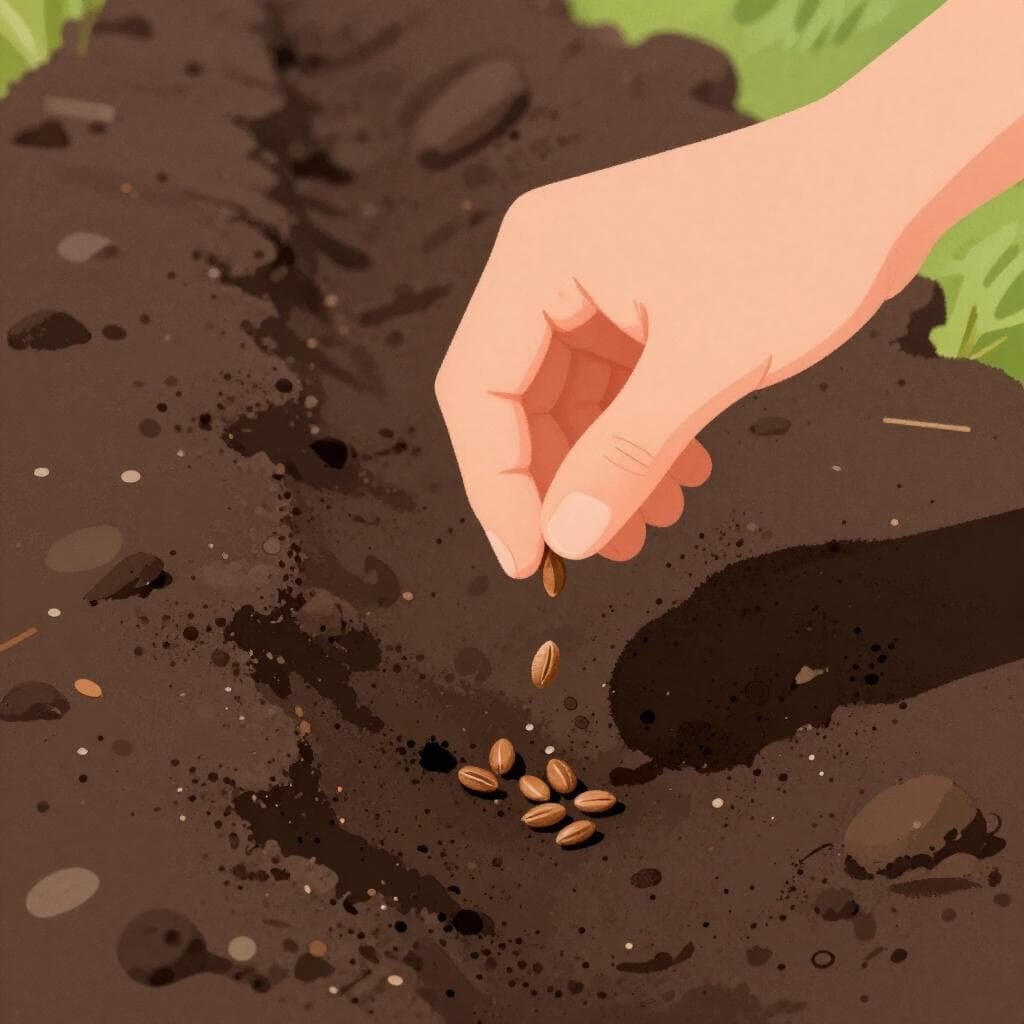
siembra
SYEM-brahˈsjem.bɾa

Examples
La siembra de trigo se realiza en otoño.
The sowing of wheat is done in autumn.
La siembra de maíz comienza en primavera.
The corn sowing begins in spring.
Este año la siembra fue muy difícil por la falta de lluvia.
This year the planting was very difficult due to the lack of rain.
Sus buenas acciones son una siembra para el futuro.
His good actions are a sowing for the future.
Using 'La' with Siembra
Even though it ends in 'a' like most feminine words, it's helpful to remember it always stays feminine: 'la siembra' or 'las siembras'.
Confusing Process with Result
Mistake: “Using 'siembra' to mean the fruit you pick.”
Correction: Use 'cosecha' for what you pick and 'siembra' for what you put into the ground.
cultura
kool-TOO-rahkulˈtuɾa
Examples
La cultura del maíz es fundamental para muchas economías.
The cultivation of corn is fundamental for many economies.
La cultura del arroz requiere mucha agua.
The cultivation of rice requires a lot of water.
Están haciendo una cultura de bacterias en el laboratorio.
They are growing a culture of bacteria in the lab.
Specialized Context
This meaning is usually followed by 'de' and the specific item being grown or developed (e.g., 'cultura de maíz' or 'cultura de hongos').
Harvest vs. Growing
Related Translations
Learn Spanish with Inklingo
Interactive stories, personalized learning, and more.