siembra
“siembra” means “sowing” in Spanish. It has 2 different meanings depending on context:
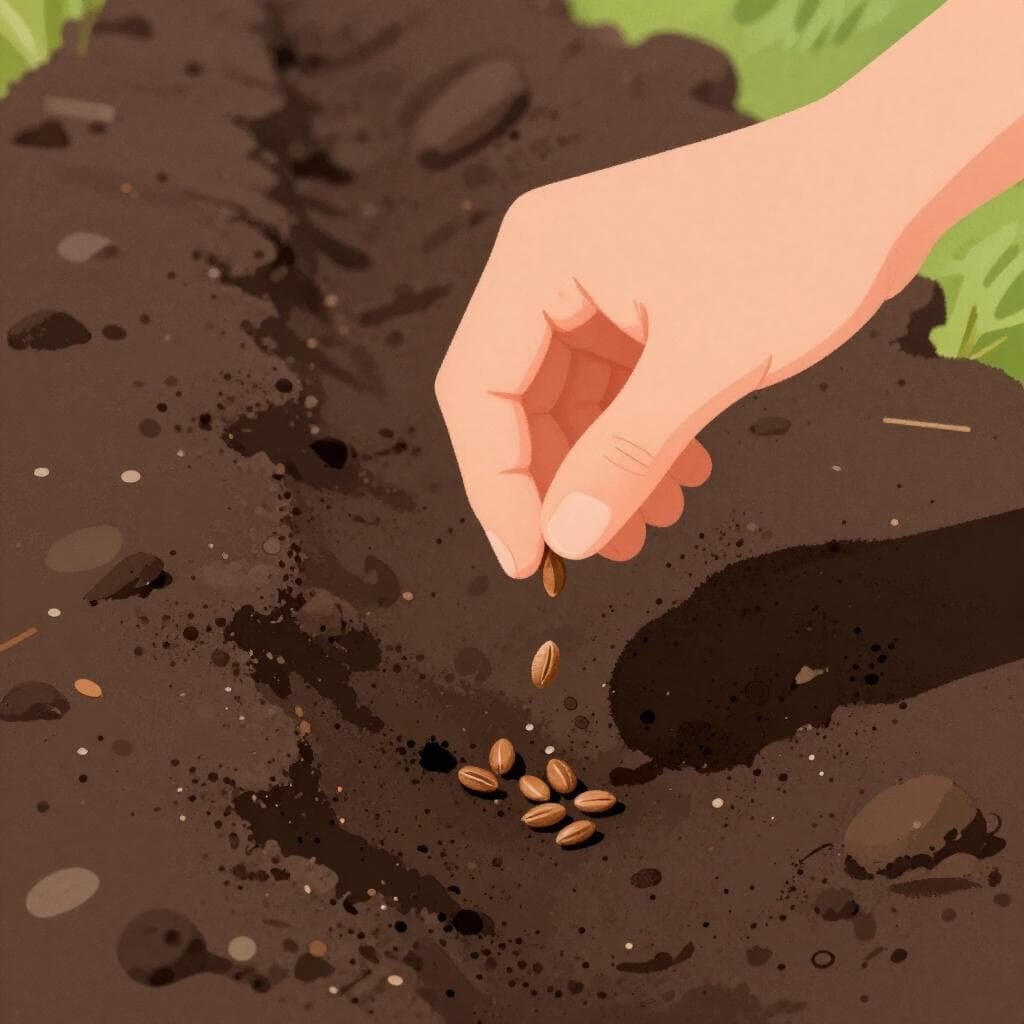

sowing, planting
Also: planting season, crop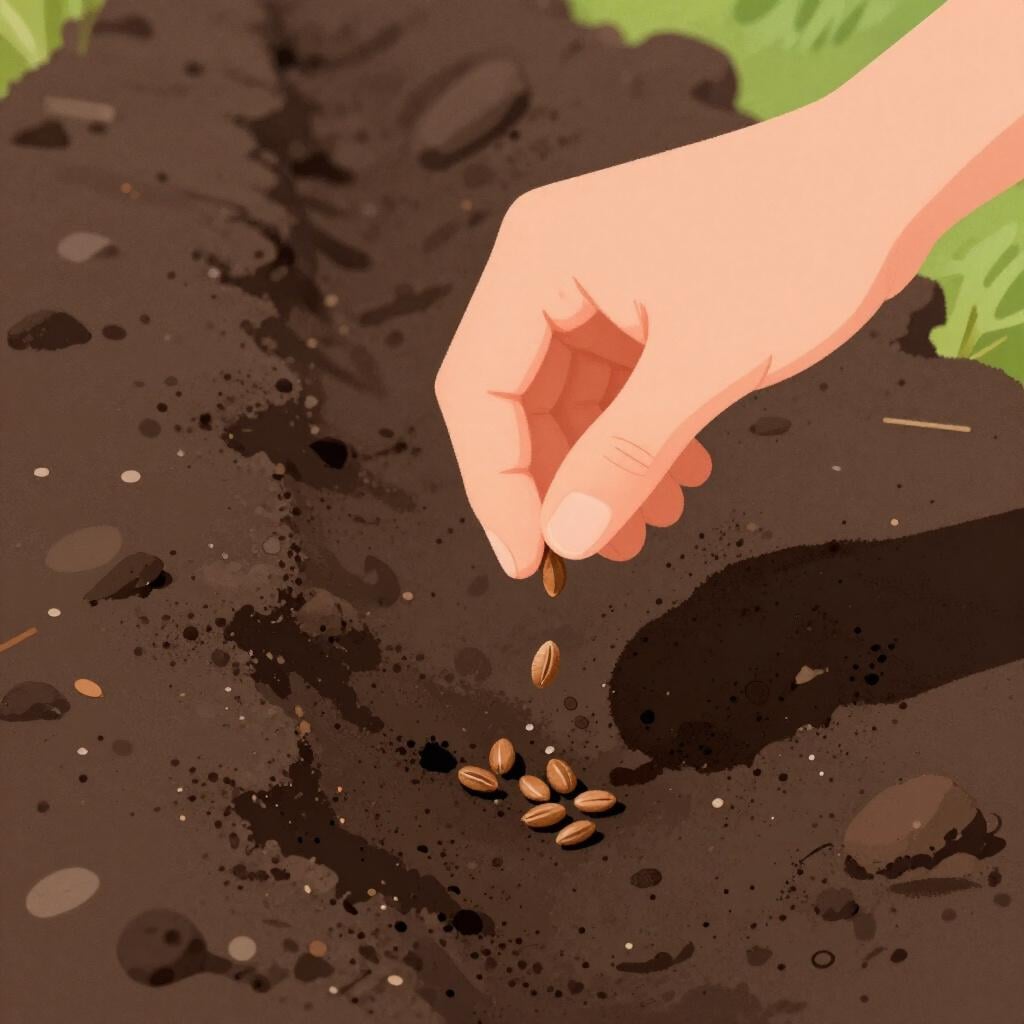
📝 In Action
La siembra de maíz comienza en primavera.
A2The corn sowing begins in spring.
Este año la siembra fue muy difícil por la falta de lluvia.
B1This year the planting was very difficult due to the lack of rain.
Sus buenas acciones son una siembra para el futuro.
C1His good actions are a sowing for the future.
sows, plants
Also: sow!
📝 In Action
Él siembra tomates en su jardín todos los años.
A2He plants tomatoes in his garden every year.
¡Siembra las semillas ahora antes de que llueva!
B1Plant the seeds now before it rains!
Quien siembra vientos, recoge tempestades.
B2He who sows winds, reaps storms (Spanish proverb).
Subjunctive
Imperfect Subjunctive
Present Subjunctive
Indicative
Preterite
Imperfect
Present
Translate to Spanish
✏️ Quick Practice
Quick Quiz: siembra
Question 1 of 3
Which of these is the best translation for 'La siembra'?
📚 More Resources
👥 Word Family▼
🎵 Rhymes▼
📚 Etymology▼
From the Latin word 'seminare', which means 'to spread seeds'. This comes from 'semen', meaning seed.
First recorded: 13th century
Cognates (Related words)
💡 Master Spanish
Take your Spanish to the next level. Read 200+ illustrated and narrated Spanish stories tailored to your level with the Inklingo app!
Frequently Asked Questions
Does 'siembra' mean 'seed'?
No, 'seed' is 'semilla'. 'Siembra' is the act of putting those seeds in the ground.
How do you say 'You reap what you sow' in Spanish?
A very common way is 'Cosechas lo que siembras'.
Is 'siembra' used for things other than farming?
Yes! It is often used figuratively, like 'siembra de discordia' (sowing discord) or 'siembra de ideas' (planting ideas).