How to Say "plants" in Spanish
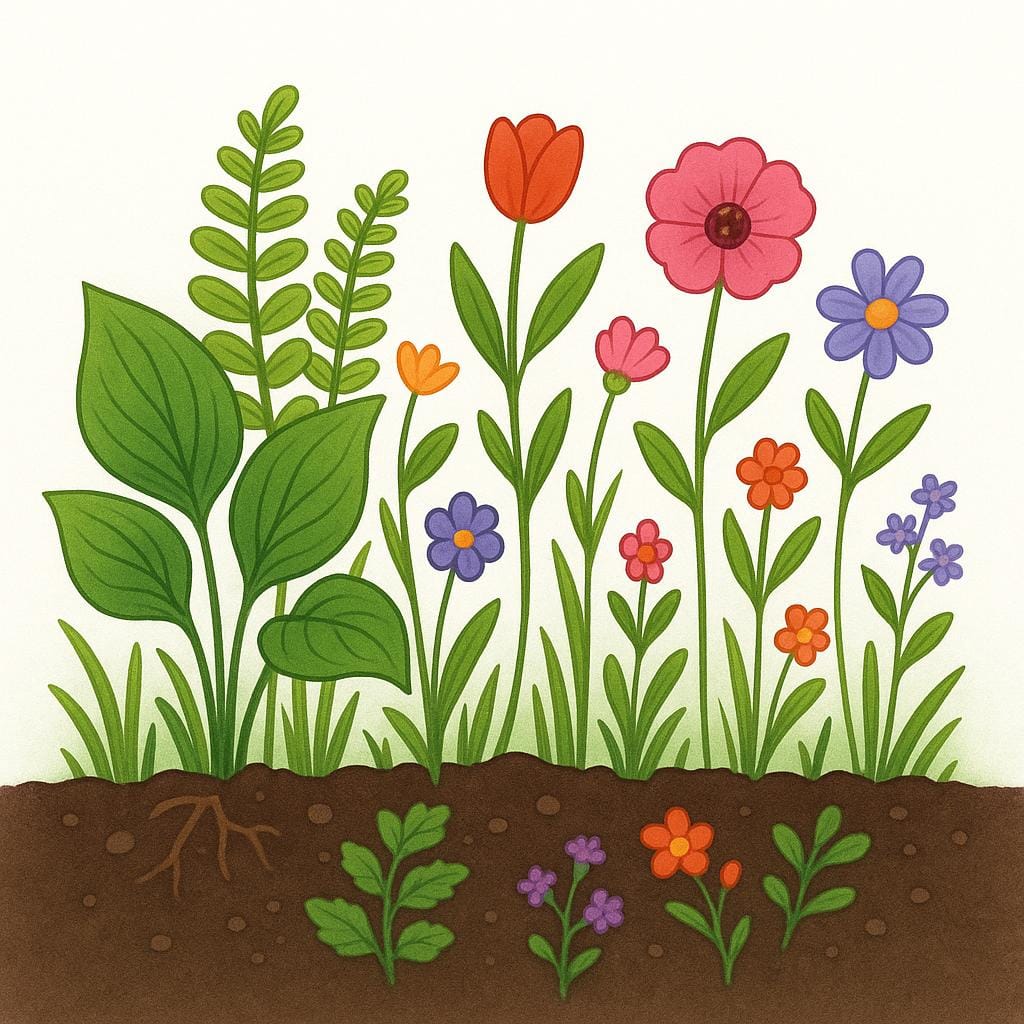
The most common Spanish word for “plants” is “plantas” — use 'plantas' when referring to living organisms that grow in the ground or in pots, like flowers, trees, or vegetables.
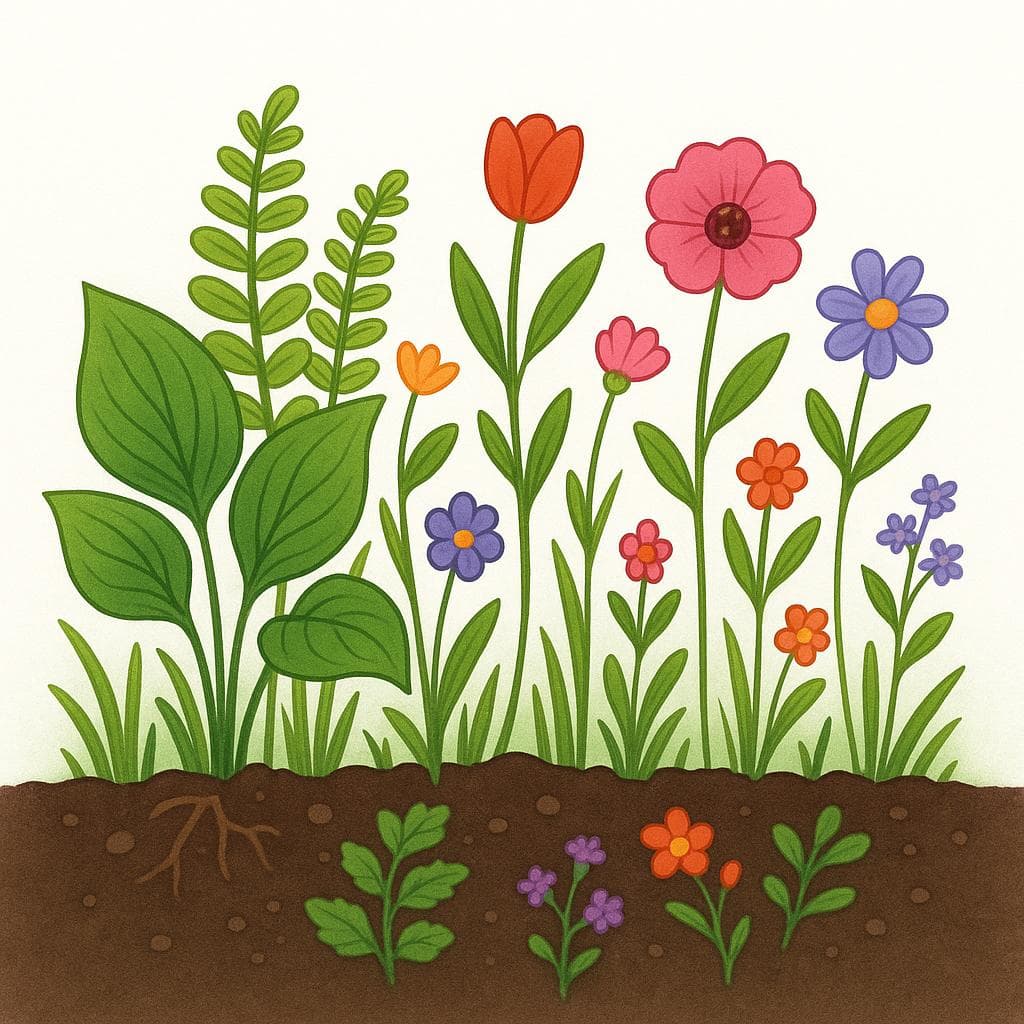

plantas
plan-tasˈplantas
Examples
Necesito regar las plantas del balcón.
I need to water the plants on the balcony.
Hay muchas plantas medicinales en el jardín de mi abuela.
There are many medicinal plants in my grandmother's garden.
Gender and Number
Since 'planta' is feminine, 'plantas' is always used with feminine articles and adjectives, like 'las plantas verdes' (the green plants).
siembra
SYEM-brahˈsjem.bɾa

Examples
Él siembra tomates en su jardín todos los años.
He plants tomatoes in his garden every year.
¡Siembra las semillas ahora antes de que llueva!
Plant the seeds now before it rains!
Quien siembra vientos, recoge tempestades.
He who sows winds, reaps storms (Spanish proverb).
The 'E' to 'IE' Change
This verb is a 'boot verb.' The 'e' in the middle changes to 'ie' in all forms except 'we' (nosotros) and 'you all' (vosotros).
The 'Siembra' Dual Role
'Siembra' is used for 'he plants' but also when you tell a friend 'Plant!' (the command form).
Forgetting the Stem Change
Mistake: “He plants = 'Él sembra'”
Correction: Say 'Él siembra'. The 'e' must change to 'ie' when it is stressed.
Noun vs. Verb Confusion
Learn Spanish with Inklingo
Interactive stories, personalized learning, and more.