cultura
“cultura” means “culture” in Spanish. It has 3 different meanings depending on context:
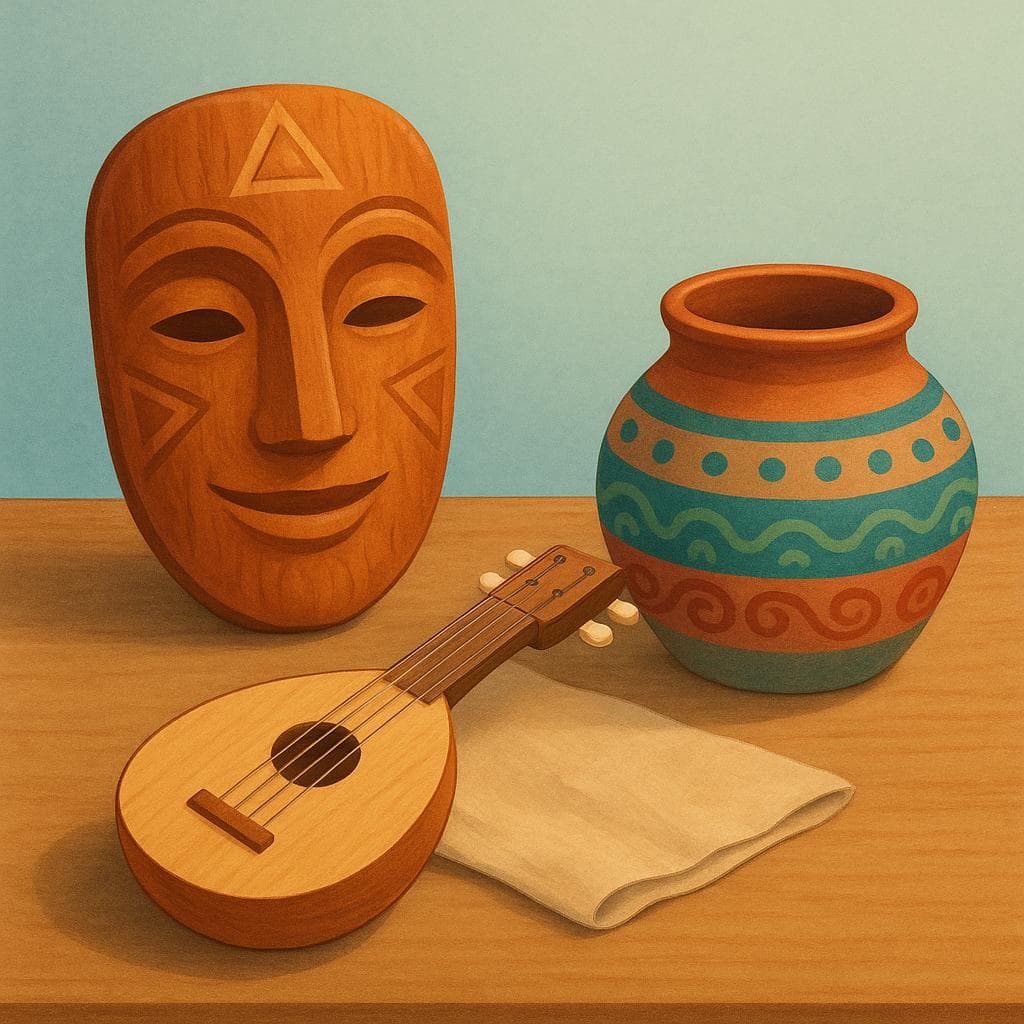


culture
Also: way of life
📝 In Action
La cultura española es muy rica en tradiciones.
A2Spanish culture is very rich in traditions.
El museo de arte moderno promueve la cultura.
B1The modern art museum promotes culture.
education, cultivation
Also: learning
📝 In Action
Es una persona con mucha cultura general.
B2She is a person with a lot of general knowledge (or general culture).
Para tener cultura, hay que leer mucho.
C1To be well-educated, you have to read a lot.
cultivation, crop
Also: farming
📝 In Action
La cultura del arroz requiere mucha agua.
C1The cultivation of rice requires a lot of water.
Están haciendo una cultura de bacterias en el laboratorio.
C2They are growing a culture of bacteria in the lab.
Translate to Spanish
✏️ Quick Practice
Quick Quiz: cultura
Question 1 of 2
Which sentence uses 'cultura' to mean 'knowledge' or 'education'?
📚 More Resources
👥 Word Family▼
📚 Etymology▼
The word comes directly from the Latin word *cultūra*, meaning 'cultivation' or 'tending.' This root reminds us that culture, whether societal or personal, is something that must be grown and cared for.
First recorded: 13th century
Cognates (Related words)
💡 Master Spanish
Take your Spanish to the next level. Read 200+ illustrated and narrated Spanish stories tailored to your level with the Inklingo app!
Frequently Asked Questions
Is 'cultura' a cognate? Does it mean exactly the same as the English 'culture'?
Yes, 'cultura' is a perfect cognate, meaning it looks and sounds very similar to 'culture' and shares the same primary definitions, covering arts, traditions, and general knowledge. You can use it confidently in most contexts where you would use the English word.
Can 'cultura' be used to talk about bacteria or farming?
Yes, but this is a more formal or scientific use. When talking about growing plants (like crops) or breeding microorganisms in a lab, 'cultura' refers to the act of cultivation or the growth itself.