How to Say "to accumulate" in Spanish
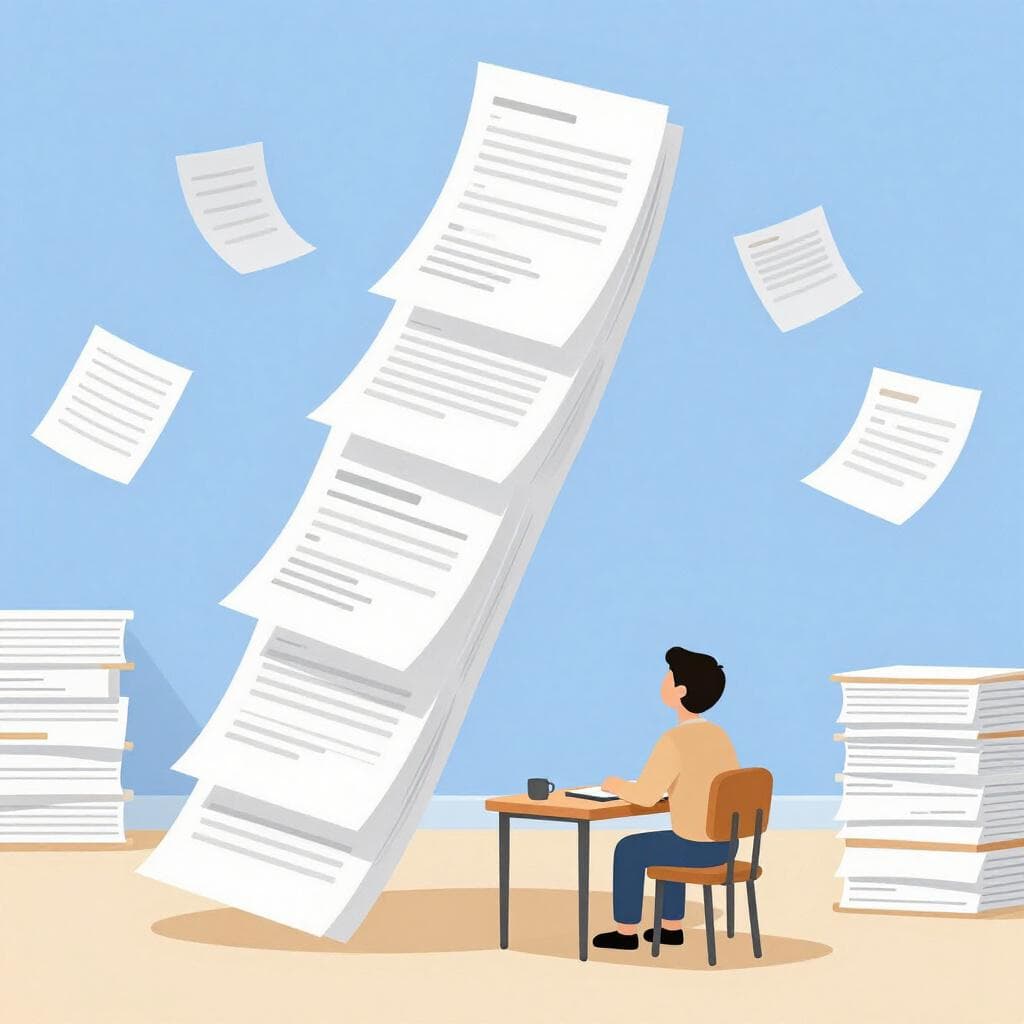
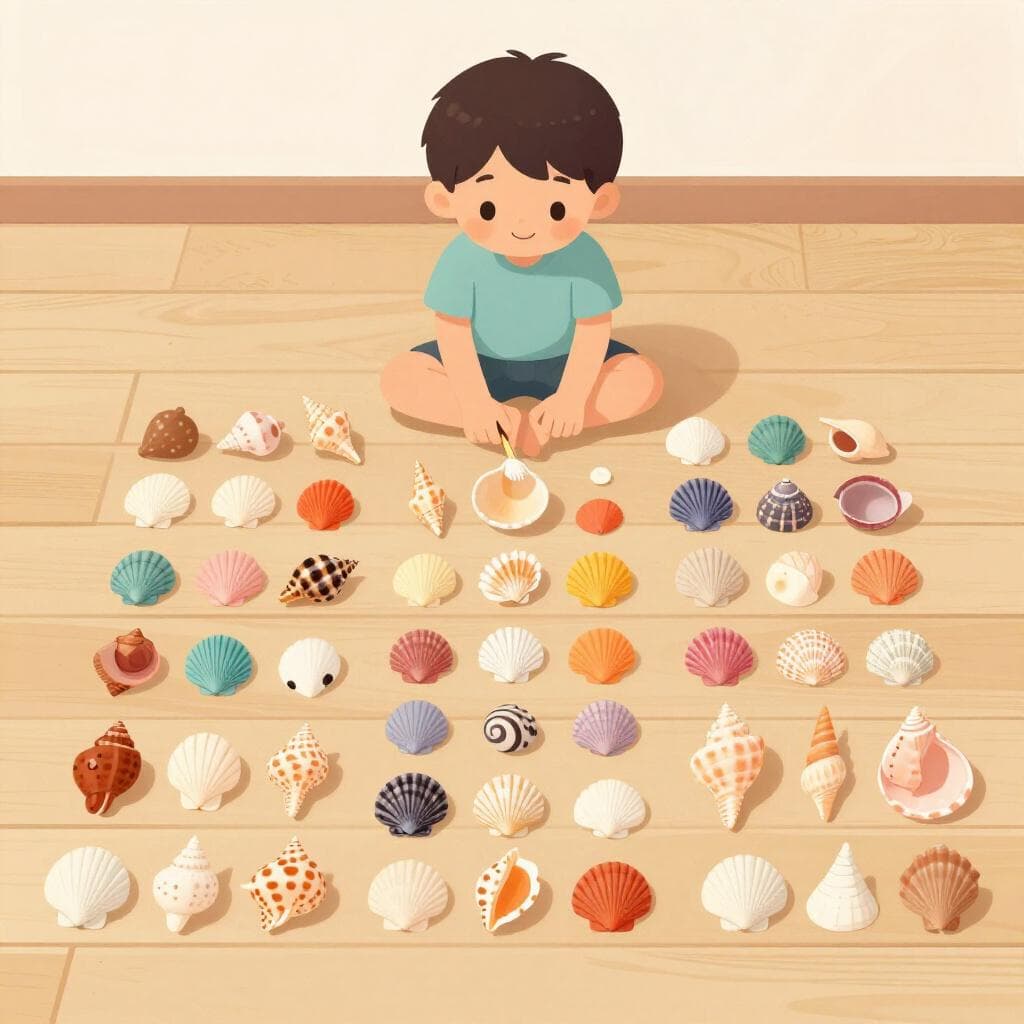
The most common Spanish word for “to accumulate” is “acumular” — use 'acumular' when referring to the general act of gathering or building up a quantity of something, whether physical or abstract.



acumular
ah-koo-moo-LAHRakumuˈlaɾ

Examples
Acumulo puntos cada vez que uso mi tarjeta de crédito.
I accumulate points every time I use my credit card.
Ella ha acumulado mucha experiencia en este trabajo.
She has amassed a lot of experience in this job.
Es peligroso dejar que se acumule el gas en la cocina.
It is dangerous to let gas build up in the kitchen.
It's completely regular
This verb follows the standard pattern for all -ar verbs. If you know how to conjugate 'hablar', you know how to conjugate 'acumular'.
Self-accumulating (Reflexive)
When things pile up on their own (like work or dust), we often add 'se' to the end: 'El trabajo se acumula' (The work is piling up).
Accumulating vs. Saving
Mistake: “Acumulo dinero para comprar una casa.”
Correction: Ahorro dinero para comprar una casa. Use 'ahorrar' for saving money intentionally; use 'acumular' for things building up in quantity.
ahorrar
ah-oh-RRAHR (roll the 'rr')a.oˈraɾ

Examples
Quiero ahorrar suficiente dinero para viajar a España el próximo año.
I want to save enough money to travel to Spain next year.
¿Cuánto dinero ahorras al mes?
How much money do you save per month?
Mi abuela siempre ahorraba monedas en una caja de galletas.
My grandmother always saved coins in a cookie jar.
Direct Use
Ahorrar is used directly with what you are saving, usually money or a specific quantity: 'Ahorro diez dólares' (I save ten dollars).
Ahorrar vs. Salvar
Mistake: “Using 'salvar' for money (e.g., 'Salvé mucho dinero').”
Correction: 'Salvar' means to rescue or save a life. Use 'ahorrar' only for money, time, effort, or resources.
juntar
hoon-TARxunˈtaɾ

Examples
Estoy juntando dinero para comprar un coche nuevo.
I am saving up money to buy a new car.
Ella junta estampillas desde que era niña.
She has been collecting stamps since she was a child.
Juntar vs. Ahorrar
'Ahorrar' is specifically about not spending money. 'Juntar' emphasizes the act of building up a pile or amount for a specific purpose.
amontonar
ah-mon-toh-nahramon-to-ˈnaɾ
Examples
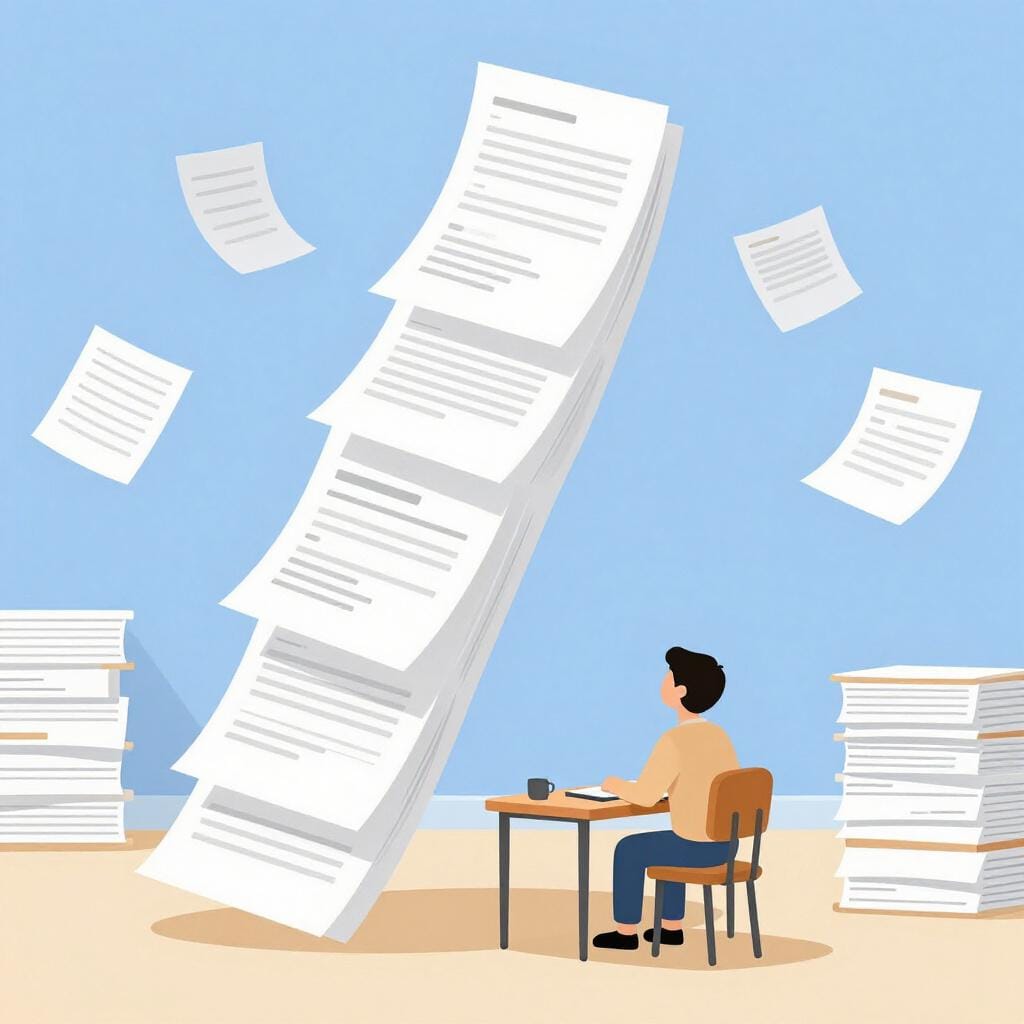
Se me amontona el trabajo esta semana.
Work is piling up on me this week.
No es bueno amontonar rencor.
It's not good to store up resentment.
Using 'Se'
When saying work is piling up 'on you,' we use 'Se me amontona.' This structure shows that the situation is happening automatically or unintentionally to the person.
coleccionar
koh-lehk-syoh-nahrkoleksjoˈnaɾ
Examples
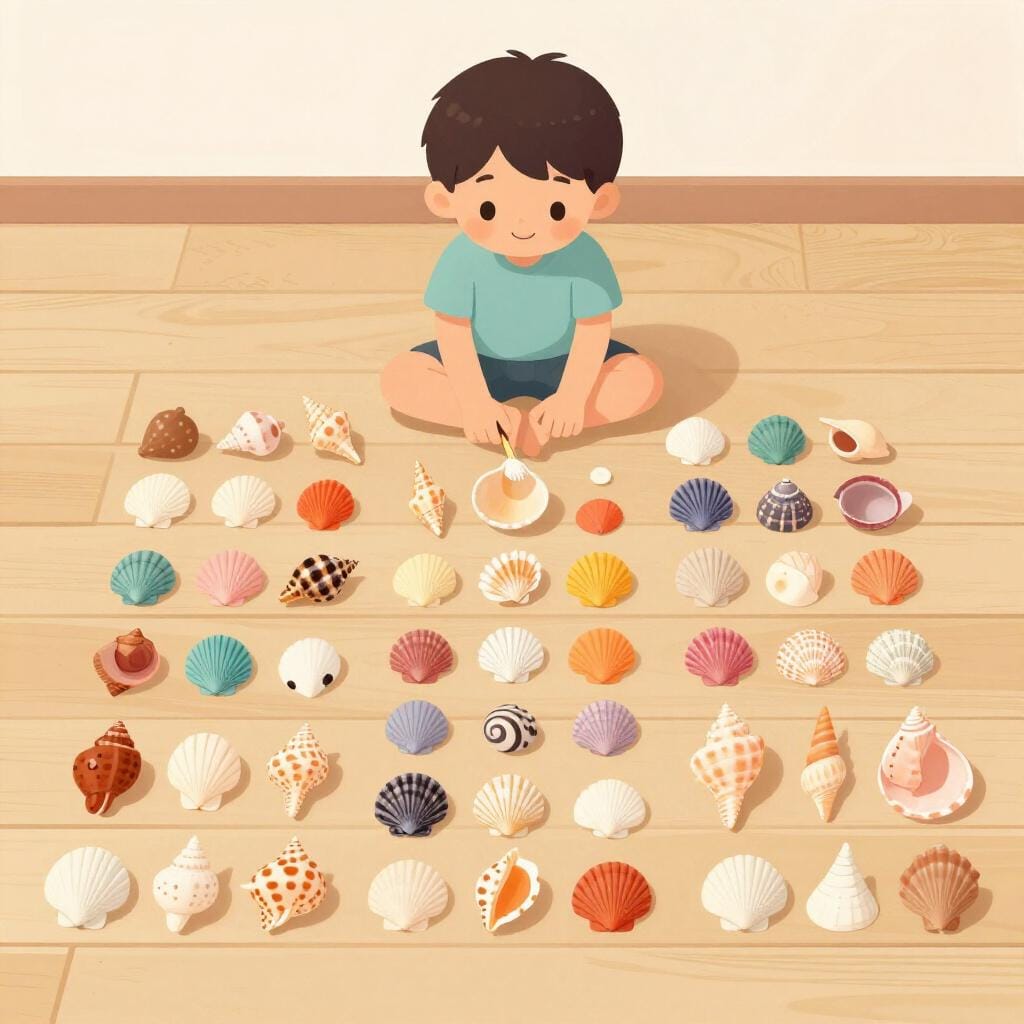
Yo colecciono sellos desde que era niño.
I have been collecting stamps since I was a child.
Mi hermano quiere coleccionar todas las cartas de Pokémon.
My brother wants to collect all the Pokémon cards.
Ella colecciona obras de arte de pintores locales.
She collects works of art by local painters.
It's a regular 'ar' verb
Good news! This verb follows the standard patterns for 'ar' verbs. Once you learn the pattern for 'hablar,' you can conjugate 'coleccionar' the exact same way.
Using it with hobbies
In Spanish, we usually include the article (like 'el', 'la', 'los', 'las') when talking about the items you collect. For example: 'Colecciono las monedas' (I collect the coins).
Coleccionar vs. Recoger
Mistake: “Voy a coleccionar a mi hijo de la escuela.”
Correction: Voy a recoger a mi hijo de la escuela. Use 'coleccionar' for hobbies/sets, and 'recoger' for picking someone or something up.
General vs. Specific Accumulation
Related Translations
Learn Spanish with Inklingo
Interactive stories, personalized learning, and more.