How to Say "to stack" in Spanish
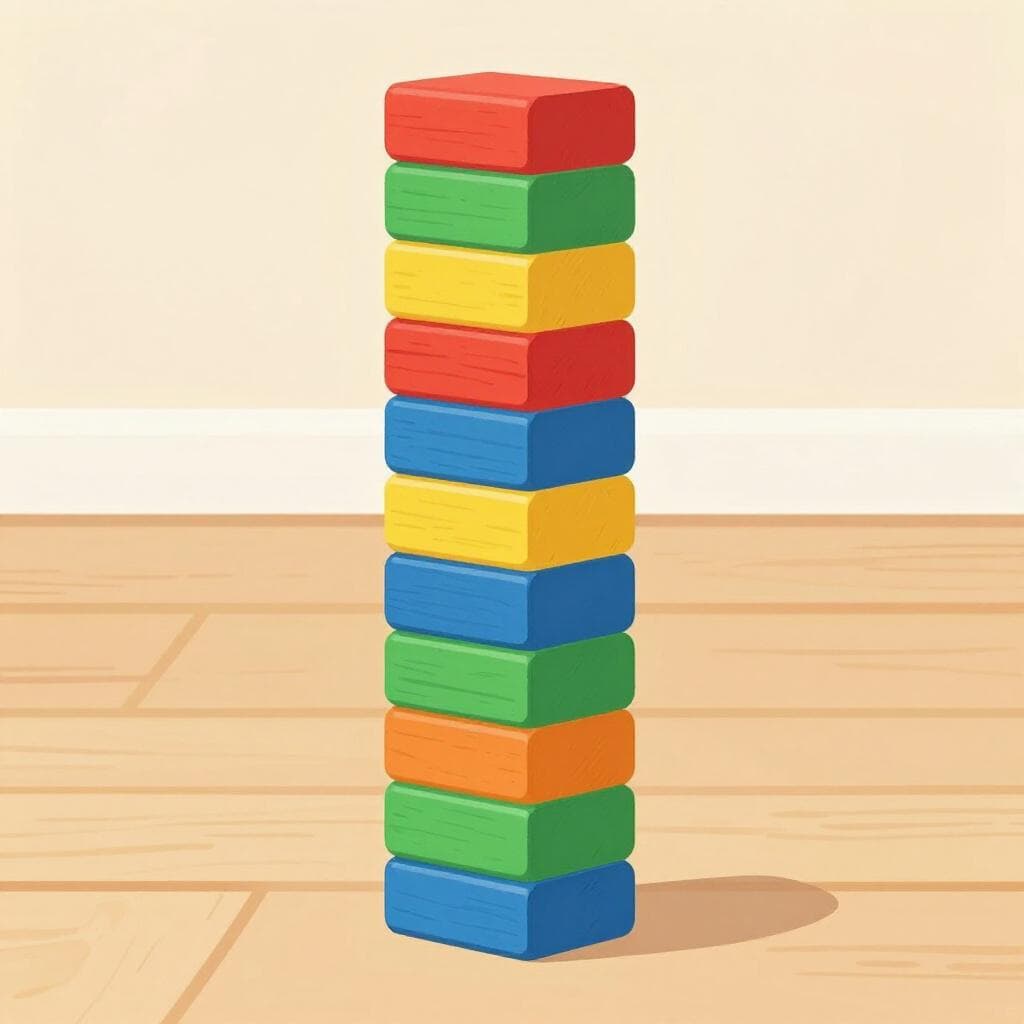
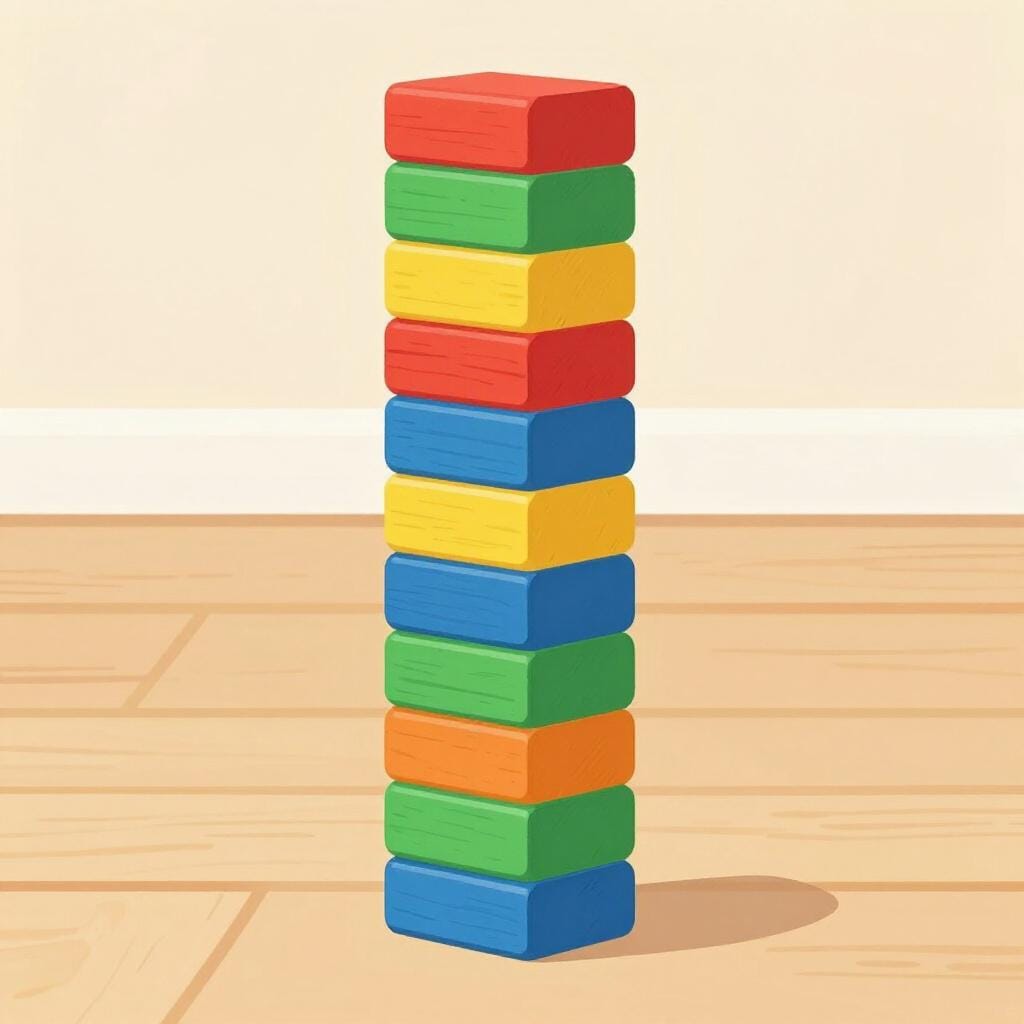
The most common Spanish word for “to stack” is “apilar” — use 'apilar' when you are placing items neatly one on top of another, often in an organized manner.

apilar
ah-pee-lahrapiˈlaɾ
Examples
Por favor, apila las sillas en la esquina.
Please, stack the chairs in the corner.
Los niños están apilando bloques de madera.
The children are stacking wooden blocks.
Es difícil apilar estos libros porque son de diferentes tamaños.
It is difficult to stack these books because they are different sizes.
Action on Objects
This verb usually needs an object—the thing you are stacking. For example: 'Apila (verb) los libros (object).'
Regular Pattern
This is a standard '-ar' verb. If you know how to conjugate 'hablar', you already know how to conjugate 'apilar'!
Confusion with 'Stack'
Mistake: “Using 'estacar' to mean stacking things.”
Correction: Use 'apilar'. 'Estacar' means to tie something to a stake or post.
amontonar
ah-mon-toh-nahramon-to-ˈnaɾ

Examples
No amontones la ropa sucia en el suelo.
Don't pile up the dirty clothes on the floor.
Él amontona los libros en su escritorio.
He stacks the books on his desk.
Tuvimos que amontonar la leña antes de que lloviera.
We had to stack the firewood before it rained.
Messy vs. Neat
Use 'amontonar' when things are piled up in a messy way. If you are stacking things neatly (like bricks or plates), 'apilar' is a better choice.
Confusing Piling with Collecting
Mistake: “Yo amontono sellos.”
Correction: Yo colecciono sellos. (Use 'coleccionar' for hobbies; 'amontonar' implies a messy pile, not a careful collection.)
Amontonar vs. Apilar
Related Translations
Learn Spanish with Inklingo
Interactive stories, personalized learning, and more.