How to Say "to unfold" in Spanish
The most common Spanish word for “to unfold” is “desplegar” — use 'desplegar' when referring to the physical act of opening or spreading out something like a map, a flag, or clothing.
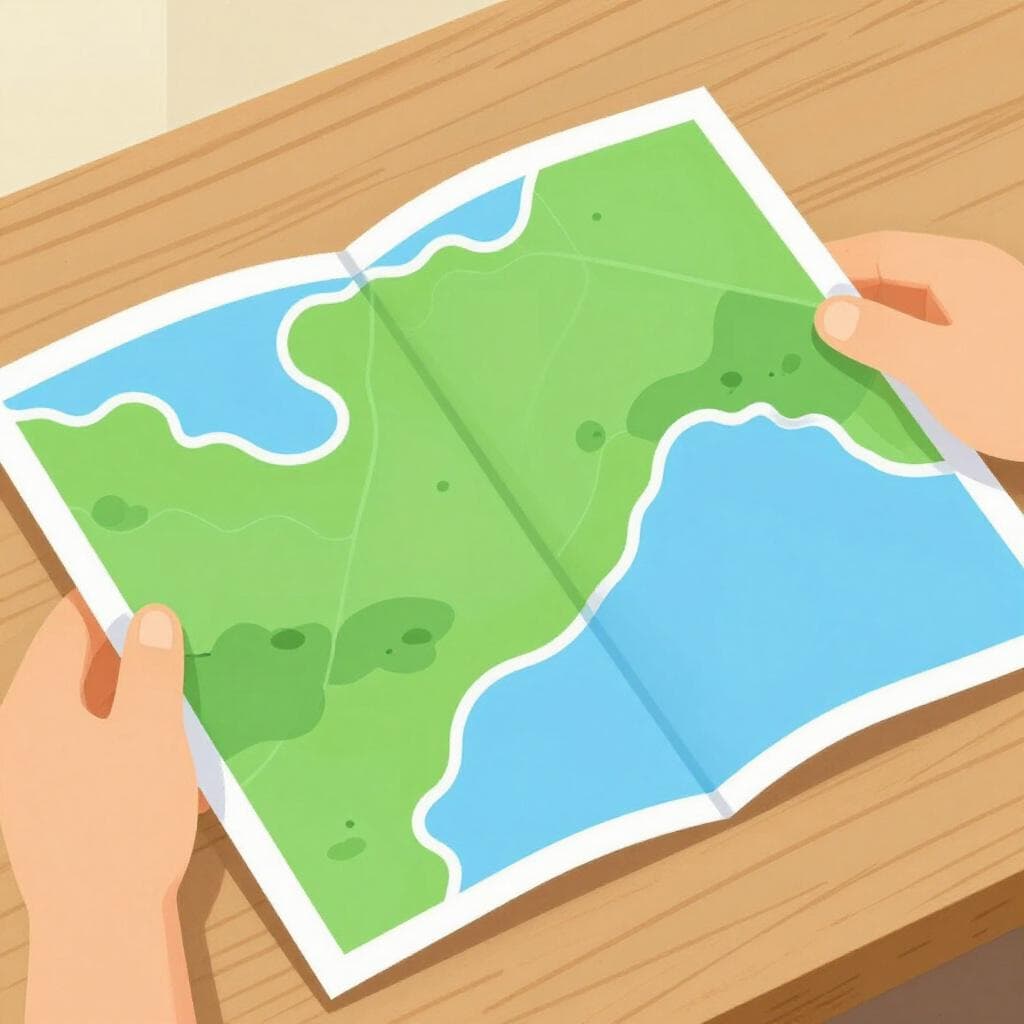
Use 'desplegar' when referring to the physical act of opening or spreading out something like a map, a flag, or clothing.
Learn more →
Choose 'evolucionar' when discussing how ideas, situations, or stories change and develop over time, often implying progress or adaptation.
Learn more →
Use 'desenvolver' when describing the process of how a story, event, or situation gradually reveals itself or develops, often with an element of surprise or complexity.
Learn more →
Opt for 'transcurrir' to describe the passage of time or how a situation proceeds, especially when emphasizing that it happens or passes without notable incident.
Learn more →des-play-GARdespleˈɡaɾ
Examples
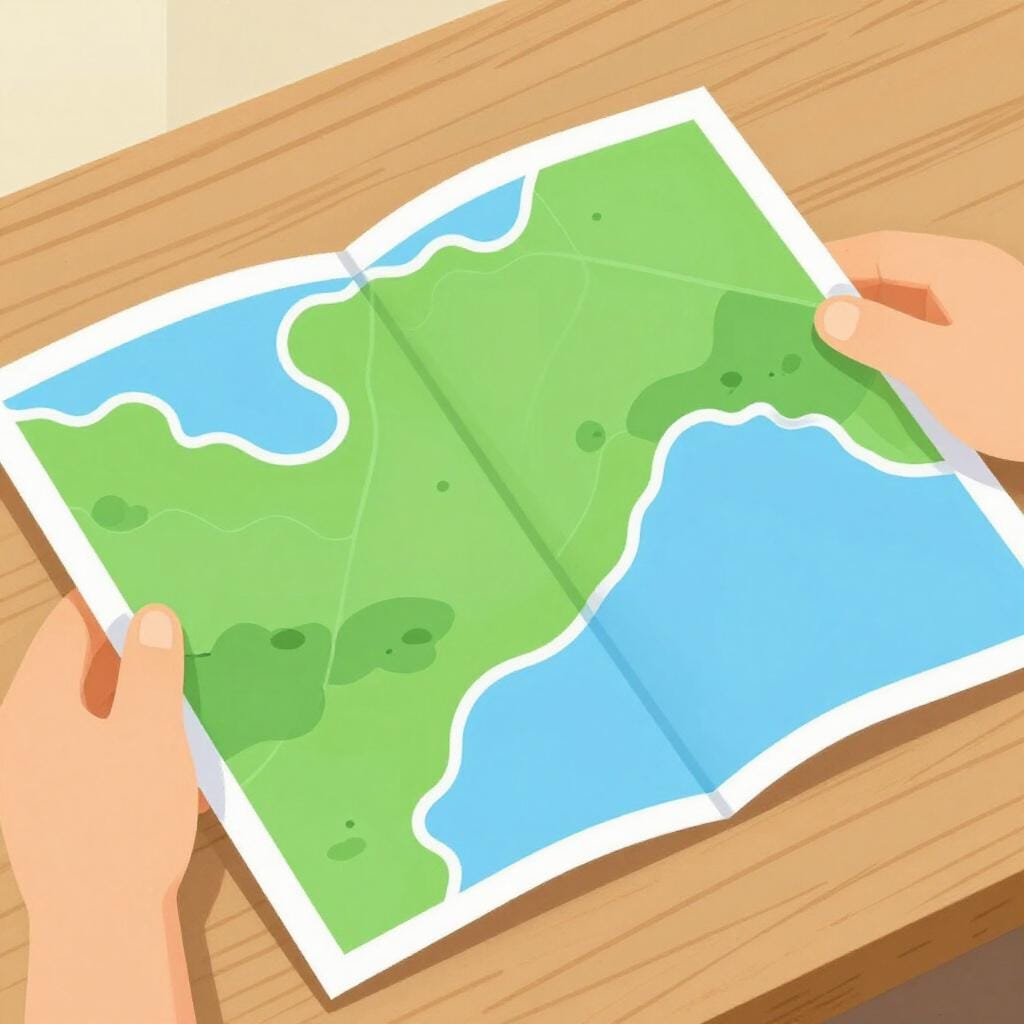
Desplegó el mapa sobre la mesa.
He unfolded the map on the table.
Tuvimos que desplegar el mapa para encontrar el camino.
We had to unfold the map to find the way.
El pájaro desplegó sus alas y voló.
The bird spread its wings and flew.
Haz clic aquí para desplegar el menú de opciones.
Click here to expand the options menu.
The 'E' to 'IE' Change
In many forms, the 'e' in the middle of the word changes to 'ie' when it's the part of the word you emphasize (like 'yo despliego').
Spelling Change in the Past
In the 'yo' form of the past tense, the 'g' becomes 'gu' (desplegué) to keep the hard 'g' sound.
Forgetting the 'i'
Mistake: “Yo desplego el mapa.”
Correction: Yo despliego el mapa. (The 'e' needs to change to 'ie' in the present tense).
eh-voh-loo-syoh-NAHReβoluθjoˈnaɾ

Examples
Las circunstancias nos obligaron a evolucionar nuestras estrategias.
The circumstances forced us to evolve our strategies.
Nuestras ideas deben evolucionar con el tiempo.
Our ideas must evolve with time.
La tecnología ha evolucionado mucho en la última década.
Technology has developed a lot in the last decade.
Es fascinante ver cómo evolucionan las especies en la naturaleza.
It is fascinating to see how species evolve in nature.
Using 'hacia' for Direction
When talking about what something is turning into, we often use the word 'hacia' (toward) after the verb, as in 'evolucionar hacia la democracia' (to evolve toward democracy).
A Regular Pattern
This verb is completely regular. It follows the exact same pattern as 'hablar' or 'caminar' in every tense.
Don't confuse with 'cambiar'
Mistake: “El clima evolucionó de repente.”
Correction: El clima cambió de repente. 'Evolucionar' implies a gradual process of development, not a sudden, random change.
deh-sen-bol-BEHRdesenβolˈbeɾ

Examples
Veremos cómo se desenvuelve el juicio.
We will see how the trial unfolds.
Nadie sabe cómo se va a desenvolver la situación.
No one knows how the situation is going to unfold.
El autor desenvuelve la trama de forma magistral.
The author develops the plot in a masterly way.
Abstract Usage
When used for ideas or plots, this word implies a slow reveal, like peeling back layers of an onion.
trahns-koo-reertɾanskuˈriɾ

Examples
El tiempo transcurrió lentamente mientras esperábamos.
Time unfolded slowly as we waited.
La reunión transcurrió sin problemas.
The meeting took place without any problems.
La infancia de la autora transcurrió en un pequeño pueblo.
The author's childhood unfolded in a small town.
Describing the Manner
When used for events, it is almost always followed by an adverb like 'con normalidad' (normally) or 'sin incidentes' (without incidents) to explain HOW the event went.
Physical vs. Abstract 'Unfolding'
The most common mistake is confusing 'desplegar' (physical unfolding) with words like 'desenvolver' or 'evolucionar' (abstract development). Remember: if you can touch and physically open it, use 'desplegar'. For stories or situations developing over time, choose 'desenvolver' or 'evolucionar'.
Related Translations
Learn Spanish with Inklingo
Interactive stories, personalized learning, and more.