How to Say "to turn" in Spanish
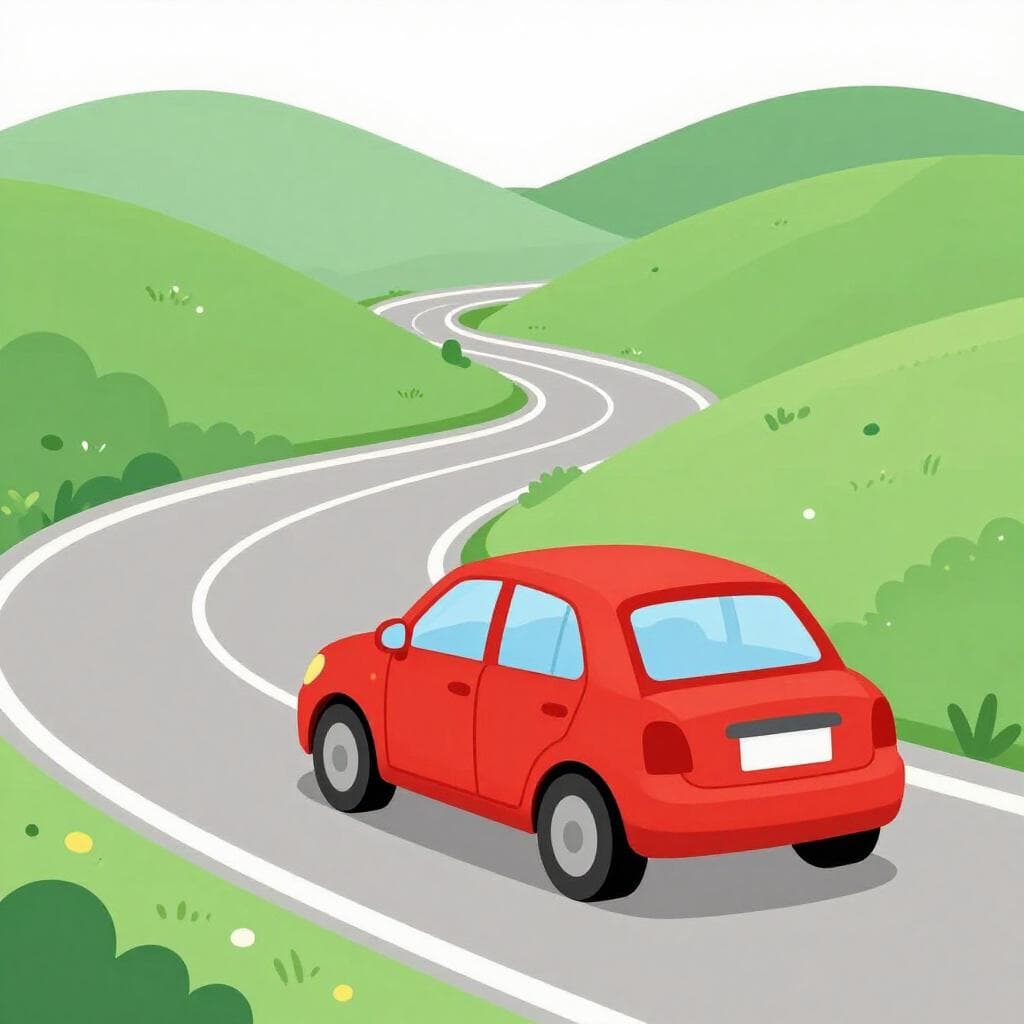
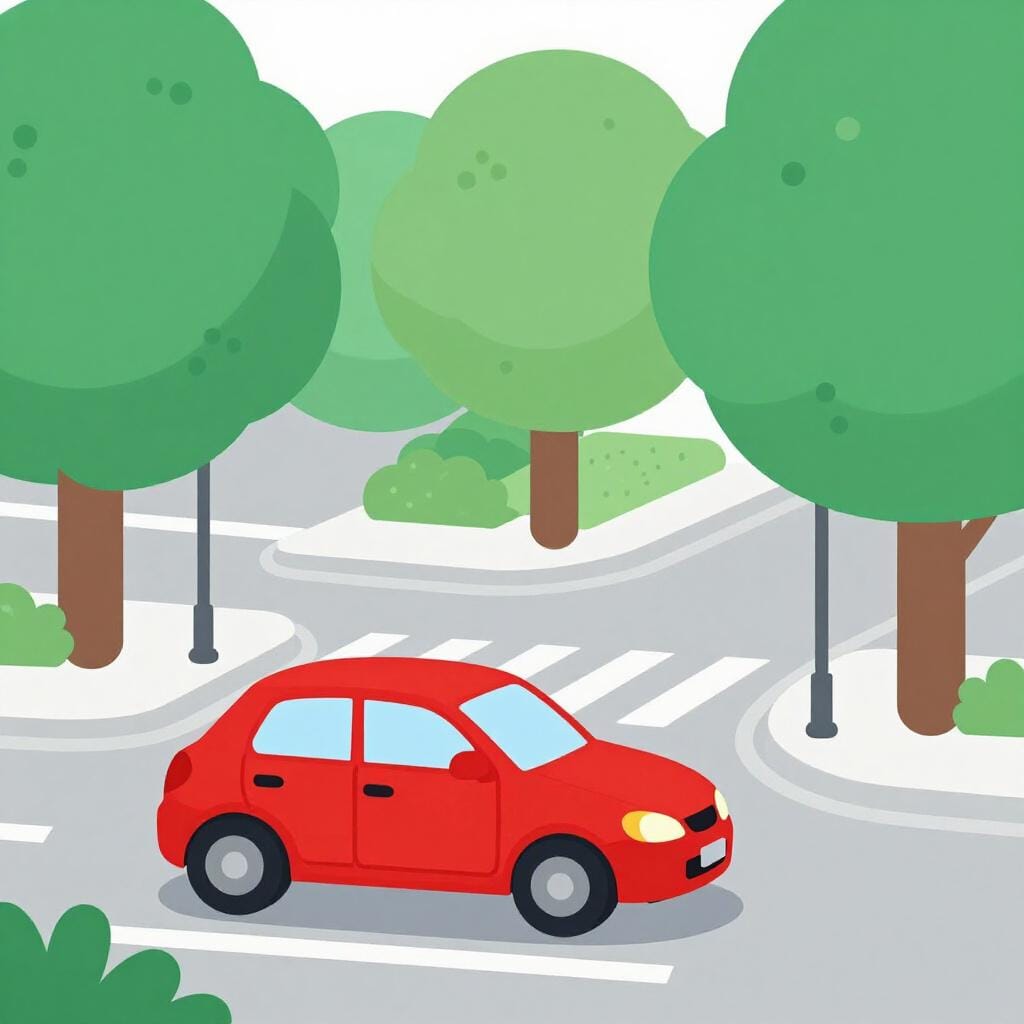
The most common Spanish word for “to turn” is “doblar” — use 'doblar' when referring to changing direction while walking or driving, like making a turn at an intersection.






doblar
doh-BLAHRdoˈblaɾ
Examples
Dobla a la derecha en la próxima calle.
Turn right at the next street.
Tienes que doblar la esquina para ver el cine.
You have to turn the corner to see the cinema.
Doblamos por un camino muy estrecho.
We turned onto a very narrow path.
Doblar vs. Girar
Both mean 'to turn.' 'Doblar' is very common in Latin America for streets, while 'Girar' is often used in Spain, though both are understood everywhere.
The word 'a' for direction
Always use 'a' before the direction: 'Dobla a la derecha' (Turn to the right).
Confusing 'Voltear' and 'Doblar'
Mistake: “Quiero doblar la carne.”
Correction: Quiero voltear la carne.
girar
hee-RAHRxiˈɾaɾ
Examples
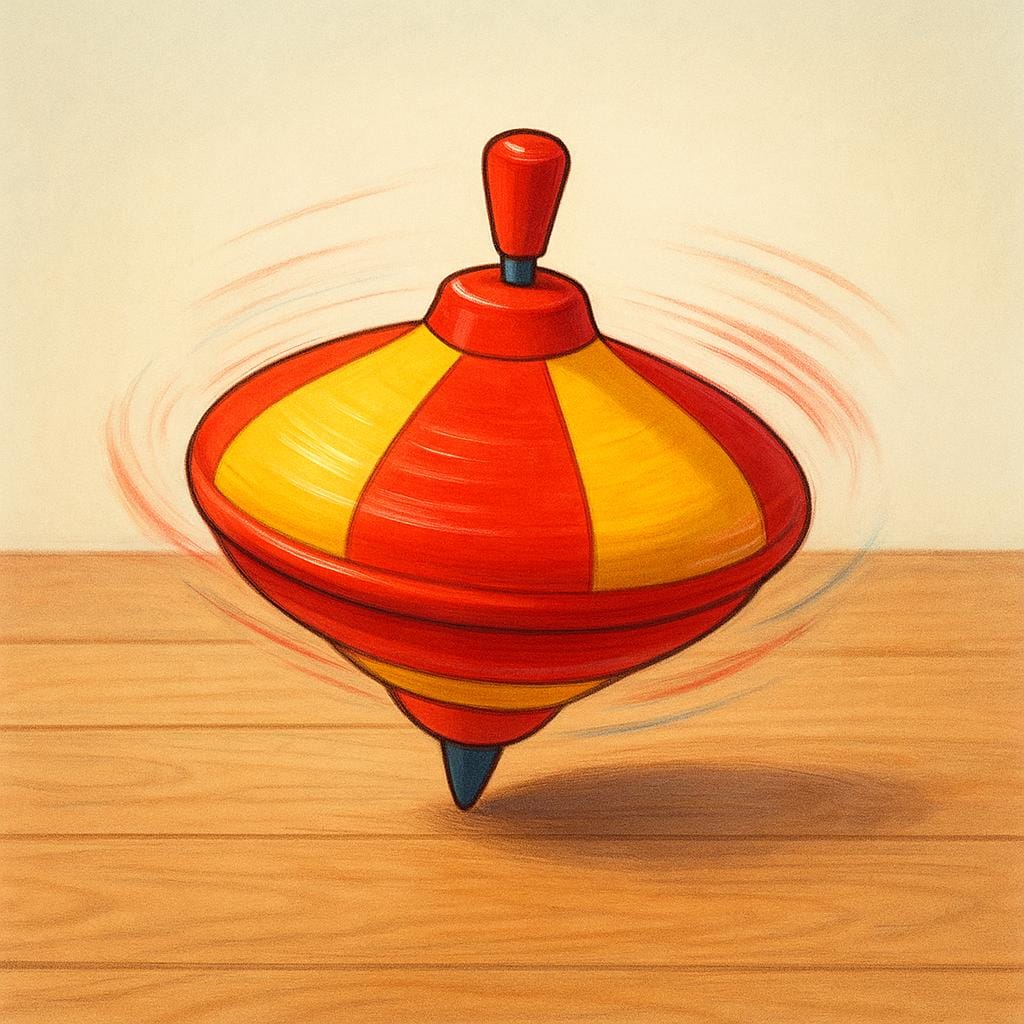
La Tierra gira alrededor del Sol.
The Earth turns (rotates) around the Sun.
El bailarín giró tres veces antes de caer.
The dancer spun three times before falling.
Tienes que girar a la izquierda en el semáforo.
You have to turn left at the traffic light.
El coche giró bruscamente para evitar el perro.
The car turned sharply to avoid the dog.
Regular -AR Verb
Girar follows the standard pattern for all verbs ending in -ar. Once you learn the endings for 'hablar' or 'cantar,' you know how to conjugate 'girar' in every tense!
Directional Use
When giving directions, always use 'a la derecha' (to the right) or 'a la izquierda' (to the left) after 'girar'.
ponerse
poh-NER-sehpoˈneɾse

Examples
Cuando escuchó la noticia, se puso muy triste.
When she heard the news, she became very sad.
Siempre me pongo nervioso antes de un examen.
I always get nervous before an exam.
Mi hermano se puso enfermo después de la fiesta.
My brother got sick after the party.
Change of State
Use 'ponerse' to talk about sudden or temporary changes in feelings or physical condition, like getting happy, tired, or angry.
Followed by Adjectives
This meaning of 'ponerse' is always followed by an adjective describing the new state (e.g., 'triste', 'contento', 'pálido').
Confusing 'Ser' and 'Estar' changes
Mistake: “Me estoy triste (I am sad, using 'estar' incorrectly for a change).”
Correction: Me pongo triste (I am becoming sad). 'Ponerse' signals the transition *into* the state, which is often expressed with 'estar' once the change is complete.
torcer
tor-SEHRtorˈθer
Examples
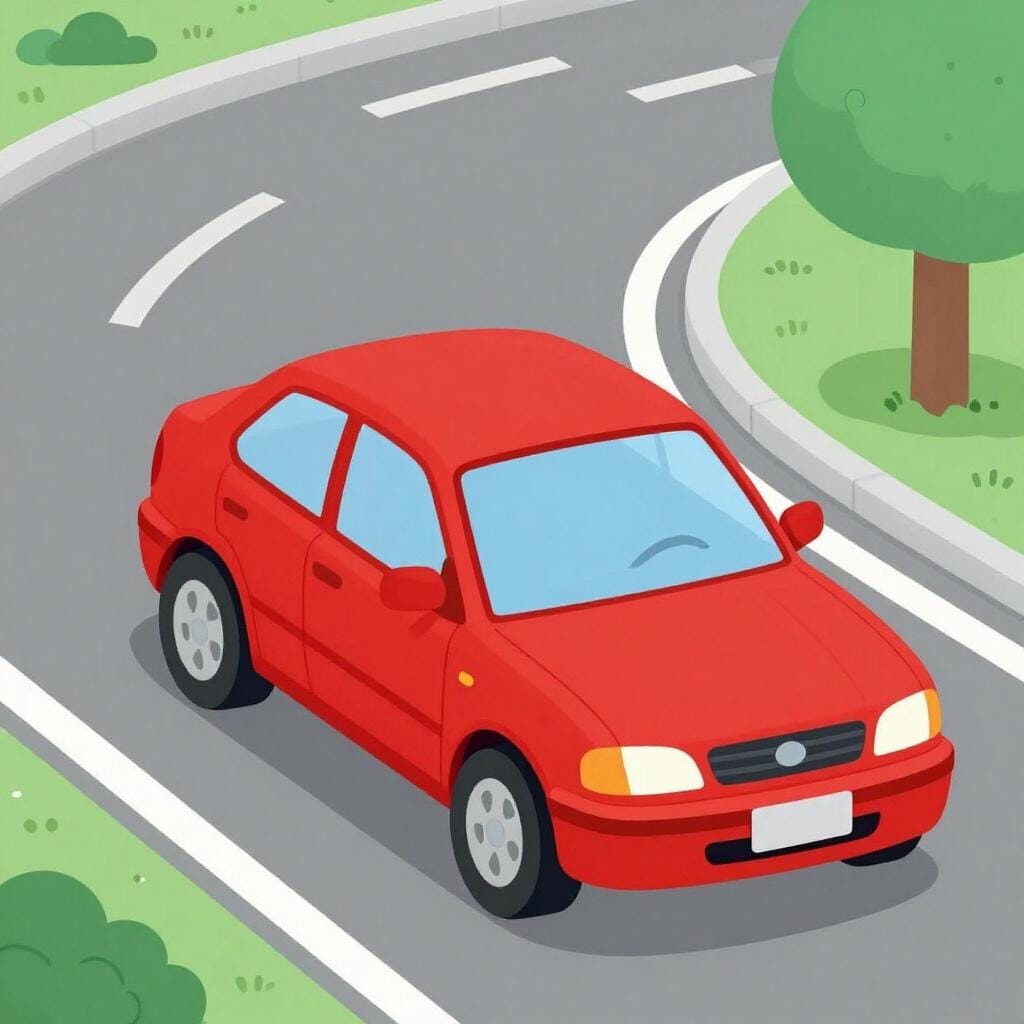
Tienes que torcer a la derecha en la próxima esquina.
You have to turn right at the next corner.
El camino tuerce hacia el bosque.
The path turns towards the forest.
Tuerza a la izquierda después del semáforo.
Turn left after the traffic light.
Directional Prepositions
When using torcer to mean 'turn,' always use the preposition 'a' before the direction (a la derecha, a la izquierda).
virar
bee-RAHRbiˈɾaɾ
Examples
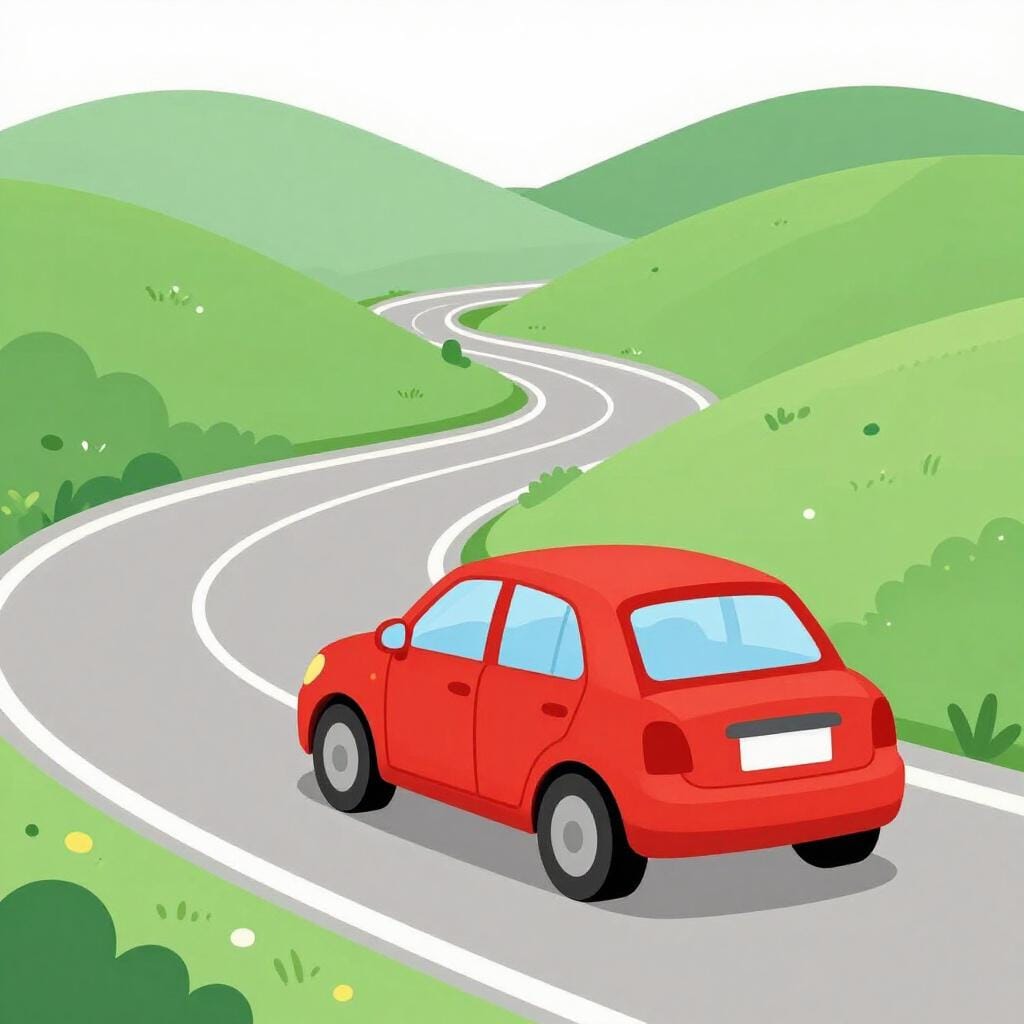
Tienes que virar a la derecha en el semáforo.
You have to turn right at the traffic light.
El barco viró para evitar la tormenta.
The boat veered to avoid the storm.
No puedes virar en U en esta avenida.
You cannot make a U-turn on this avenue.
Using 'a' for direction
When you want to say which way to turn, always use the word 'a' before 'la derecha' (the right) or 'la izquierda' (the left).
A regular -ar verb
This verb follows the standard pattern for verbs ending in -ar, so if you know how to conjugate 'hablar,' you know how to conjugate 'virar'!
Virar vs. Volver
Mistake: “Using 'virar' for 'to return' in Spain.”
Correction: In Spain, use 'volver.' Use 'virar' for returning only in specific Caribbean regions like Cuba.
hacerse
ah-SEHR-sehaˈθeɾse

Examples
¡Vámonos, se está haciendo tarde!
Let's go, it's getting late!
Cuando me hice mayor, entendí a mis padres.
When I got older, I understood my parents.
Se hizo de noche rápidamente después de la tormenta.
It became night quickly after the storm.
Impersonal Time
When talking about time passing or daylight changing (like 'getting dark' or 'getting light'), you use the third-person singular form: 'se hace'.
Hacerse + Adjective
This meaning is often followed by adjectives like 'tarde' (late), 'mayor' (older), or 'viejo' (old).
Mixing up 'getting old'
Mistake: “Estoy haciendo viejo.”
Correction: Me estoy haciendo viejo. (You must include the reflexive pronoun 'me' because you are the one changing.)
volverse
bol-ver-sebolˈbeɾse

Examples
Después del accidente, se volvió muy callado.
After the accident, he became very quiet (reserved).
Con el tiempo, el agua se volvió hielo.
Over time, the water turned into ice.
Ella se volvió loca cuando perdió las llaves.
She went crazy when she lost the keys.
Reflexive Change
This verb is always reflexive (using me, te, se, etc.) when it means 'to become' because the subject is changing themselves.
Volverse vs. Ponerse
Use 'volverse' for deep, lasting, or unexpected changes in character or state, and 'ponerse' for temporary emotional changes (e.g., 'ponerse triste' - to get sad).
Using 'Ser' for Change
Mistake: “El niño fue alto.”
Correction: El niño se volvió alto. (You need a verb of change, not just 'ser', to describe the process of becoming something.)
tornar
tor-NAHRtoɾˈnaɾ

Examples
Sus ojos se tornaron rojos por el cansancio.
His eyes turned red from tiredness.
La situación se tornó difícil de repente.
The situation became difficult all of a sudden.
El día se tornó gris.
The day turned gray.
The 'Change' word
When used to mean 'become', this word almost always needs an 's' or 'se' attached (tornarse). It focuses on a sudden or noticeable shift in how something looks or feels.
Forgetting the 'se'
Mistake: “El cielo tornó oscuro.”
Correction: El cielo se tornó oscuro. When things change their own state, you need the 'se' to show the change is happening to them.
ponernos
poh-NEHR-nohspoˈneɾnos
Examples
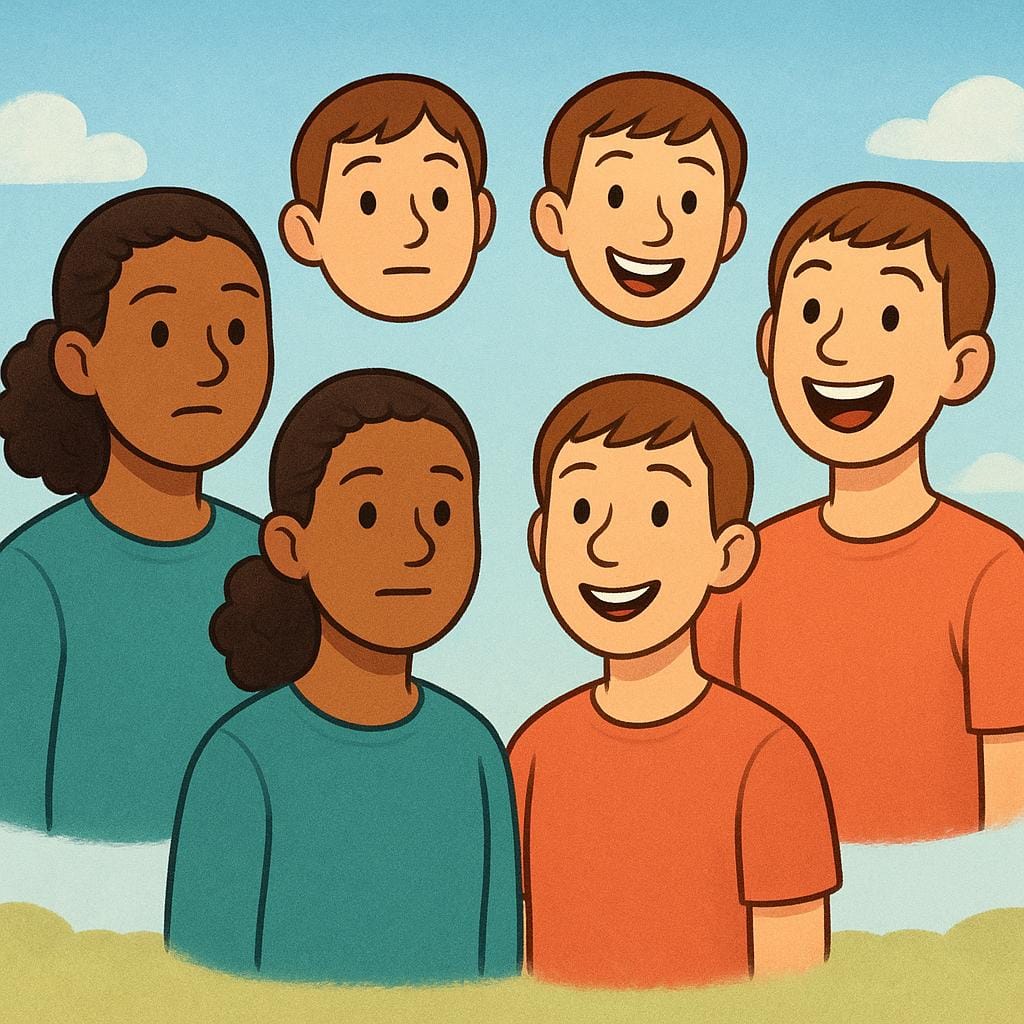
La película es tan triste que podríamos ponernos a llorar.
The movie is so sad that we might start to cry (become tearful).
No queremos ponernos celosos por su éxito.
We don't want to get jealous because of their success.
El cielo empezó a ponernos nerviosos con ese color gris.
The sky started to make us nervous with that gray color.
Change of State
When 'ponerse' is followed by an adjective (like tristes or nerviosos), it describes a temporary change in how someone feels or looks.
Confusing 'ser' and 'estar'
Mistake: “Vamos a ser contentos.”
Correction: Vamos a ponernos contentos. (Use 'ponerse' to describe the action of changing into that state.)
Directional Turns vs. Changes of State
Related Translations
Learn Spanish with Inklingo
Interactive stories, personalized learning, and more.