How to Say "to return" in Spanish
The most common Spanish word for “to return” is “volver” — use 'volver' when referring to the general act of going back to a place, including your home.






volver
bol-BERbolˈβeɾ

Examples
Vuelvo a casa a las seis.
I come back home at six.
Mis padres volvieron de su viaje ayer.
My parents returned from their trip yesterday.
¿A qué hora vuelves?
What time are you coming back?
The 'Boot' Verb Shape Change
In the present tense, the 'o' in 'volver' changes to 'ue' for most forms (yo, tú, él, ellos). Think of it like a boot shape on the conjugation chart. 'Nosotros' and 'vosotros' are 'outside the boot' and keep the original 'o'.
Irregular Past Form: 'vuelto'
When you use 'volver' with helper verbs like 'haber' (to have), it has a special short form: 'vuelto'. For example, 'He vuelto' means 'I have returned'.
Returning People vs. Returning Things
Mistake: “Voy a volver el libro a la biblioteca.”
Correction: Voy a devolver el libro a la biblioteca. Use 'volver' when a person returns somewhere. Use 'devolver' when you return an object to its place.
devolver
deh-bohl-VEHRde.βolˈβeɾ

Examples
Necesito devolver este libro a la biblioteca hoy.
I need to return this book to the library today.
¿Puedes devolverme la chaqueta que te presté?
Can you give me back the jacket I lent you?
La tienda no devuelve artículos sin el recibo.
The store does not accept returns without the receipt.
Irregularity: O to UE
In the present tense, the 'o' in the middle of 'devolver' changes to 'ue' (like 'dormir' or 'volver'), except for the 'nosotros' and 'vosotros' forms.
Confusing 'Devolver' and 'Volver'
Mistake: “Using 'volver' when you mean 'to return an object' (e.g., *Volví el libro*).”
Correction: Use 'devolver' for returning an object. 'Volver' means 'to return' in the sense of 'to go back to a place' (e.g., *Volví a casa*).
regresar
rreh-greh-SARre.ɣɾeˈsaɾ

Examples
Regreso a casa a las cinco de la tarde.
I return home at five in the afternoon.
¿A qué hora regresan tus padres del viaje?
What time do your parents get back from the trip?
Tenemos que regresar al hotel antes de que llueva.
We have to go back to the hotel before it rains.
Voy a regresar este suéter a la tienda porque no me queda.
I'm going to return this sweater to the store because it doesn't fit me.
Regresar vs. Volver
For talking about returning to a place, 'regresar' and 'volver' mean the same thing and you can almost always use either one. 'Volver' is a bit more common in everyday chat in Spain, while 'regresar' is very popular in Latin America.
Regresar vs. Devolver (for items)
When talking about returning an object, 'devolver' is often the more specific and common choice. Think of 'devolver' as the expert verb for this job, but 'regresar' also works and is widely understood.
Adding 'back'
Mistake: “Necesito regresar atrás a la oficina.”
Correction: Just say 'Necesito regresar a la oficina.' The verb 'regresar' already has the idea of 'back' built into it, so adding 'atrás' (back) sounds repetitive.
Using 'volver' for items
Mistake: “Tengo que volver el libro a la biblioteca.”
Correction: Say 'Tengo que regresar el libro' or 'Tengo que devolver el libro'. 'Volver' is almost exclusively for people/things returning to a place, not for giving items back.
retornar
reh-tor-NARre.toɾˈnaɾ

Examples
Muchos migrantes sueñan con retornar a su tierra natal.
Many migrants dream of returning to their native land.
El avión tuvo que retornar al aeropuerto por el clima.
The plane had to return to the airport due to the weather.
Espero que la calma retorne a la ciudad pronto.
I hope calm returns to the city soon.
A Regular Alternative
Unlike the very common word 'volver,' which changes its stem (vuelvo), 'retornar' is completely regular. It follows the standard pattern for verbs ending in -ar.
Use with 'a'
When you want to say you are returning TO a place, always use the connector 'a' after the verb, just like in 'regresar a'.
Thinking it's for 'returning items'
Mistake: “Retorné el libro a la biblioteca.”
Correction: Devolví el libro a la biblioteca. (While 'retornar' can technically mean giving back, 'devolver' is much more natural for objects).
tornar
tor-NAHRtoɾˈnaɾ

Examples
Prometió tornar a su patria después de la guerra.
He promised to return to his homeland after the war.
El caballero tornó su espada a la vaina.
The knight returned his sword to its sheath.
Tornó a llover al atardecer.
It started raining again at sunset.
Doing things again with 'Tornar a'
When you put 'tornar a' before an action word, it means you are doing that action again. It works exactly like 'volver a'.
A more formal 'Volver'
While 'volver' is the everyday word for returning, 'tornar' sounds more poetic or like something from an old storybook.
Returning items to a store
Mistake: “Voy a tornar esta camisa a la tienda.”
Correction: Voy a devolver esta camisa a la tienda. Use 'devolver' for giving objects back to people or stores; 'tornar' is very rare for this today.
virar
bee-RAHRbiˈɾaɾ

Examples
Espérame aquí, viro en un minuto.
Wait for me here, I'll be back in a minute.
Viro para la casa porque olvidé las llaves.
I'm going back to the house because I forgot my keys.
Ella viró de su viaje ayer.
She returned from her trip yesterday.
Return to sender
In this sense, 'virar' acts exactly like 'volver.' You can use it to say someone is coming back to a location.
Context is key
Mistake: “Saying 'virar' for 'return' in a business meeting in Spain.”
Correction: Use 'regresar' or 'volver' for a more neutral, widely understood term outside the Caribbean.
restar
rreh-stahrresˈtaɾ
Examples
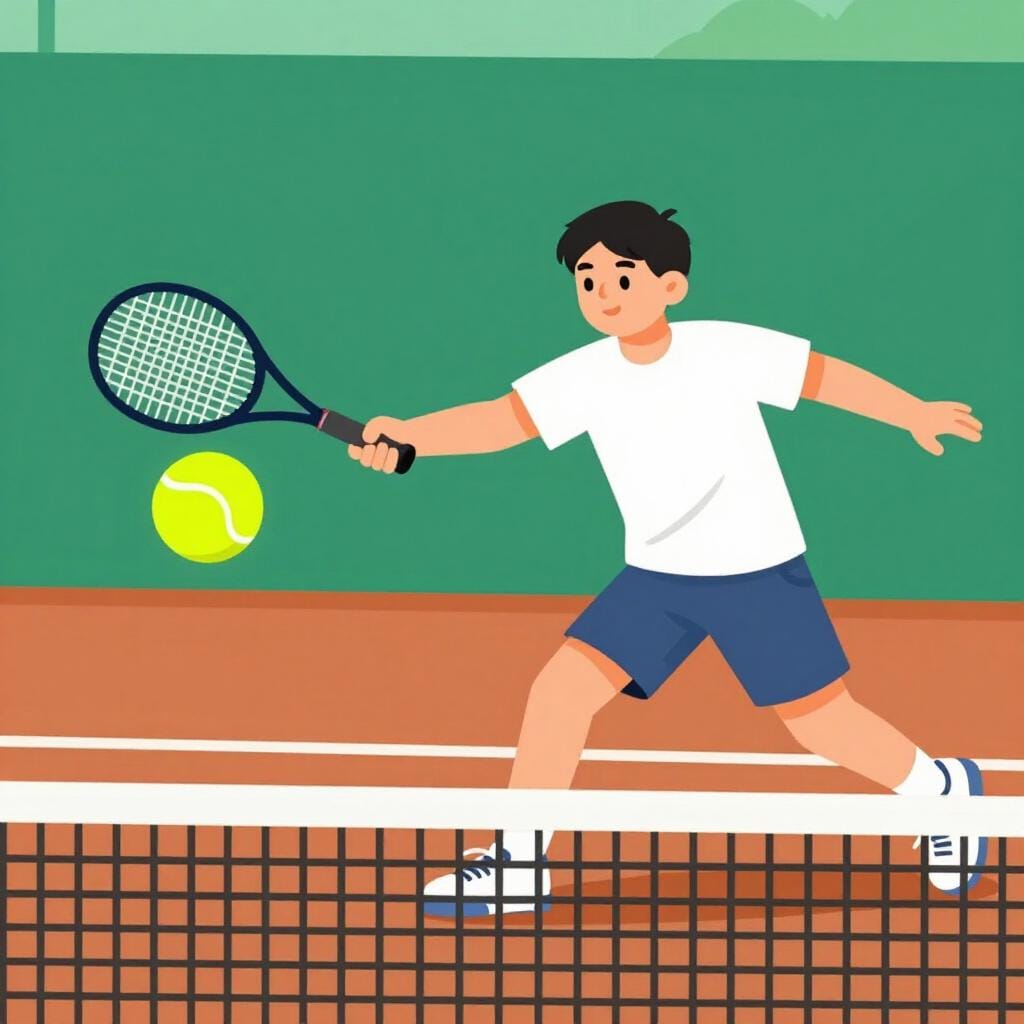
El tenista tiene dificultades para restar el saque de su oponente.
The tennis player is having trouble returning his opponent's serve.
Restó la pelota con mucha fuerza.
He returned the ball with a lot of force.
Es fundamental aprender a restar bien para ganar el partido.
It is essential to learn how to return well to win the match.
Sports Specifics
In this context, 'restar' is the direct opposite of 'sacar' (to serve). The 'restador' is the receiver.
Item vs. Place: The Core Confusion
Related Translations
Learn Spanish with Inklingo
Interactive stories, personalized learning, and more.