How to Say "to start" in Spanish
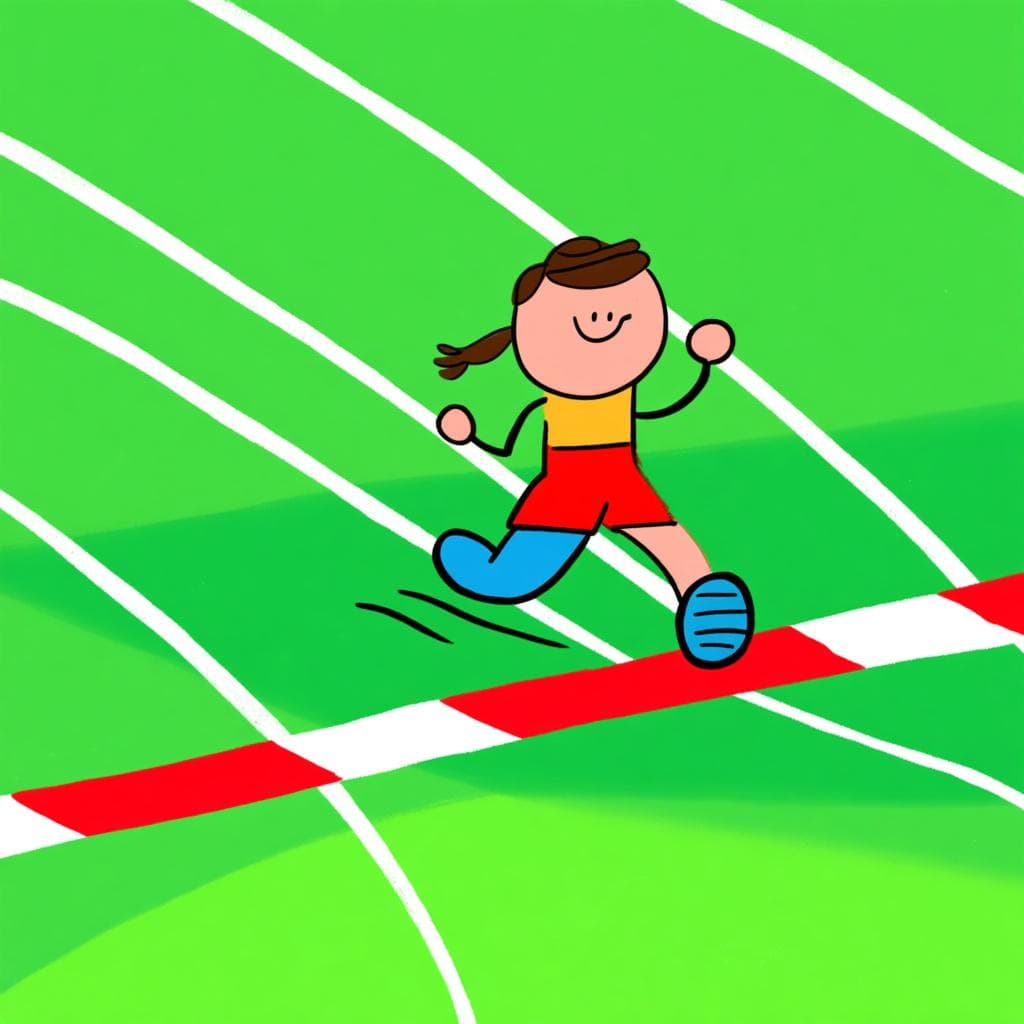
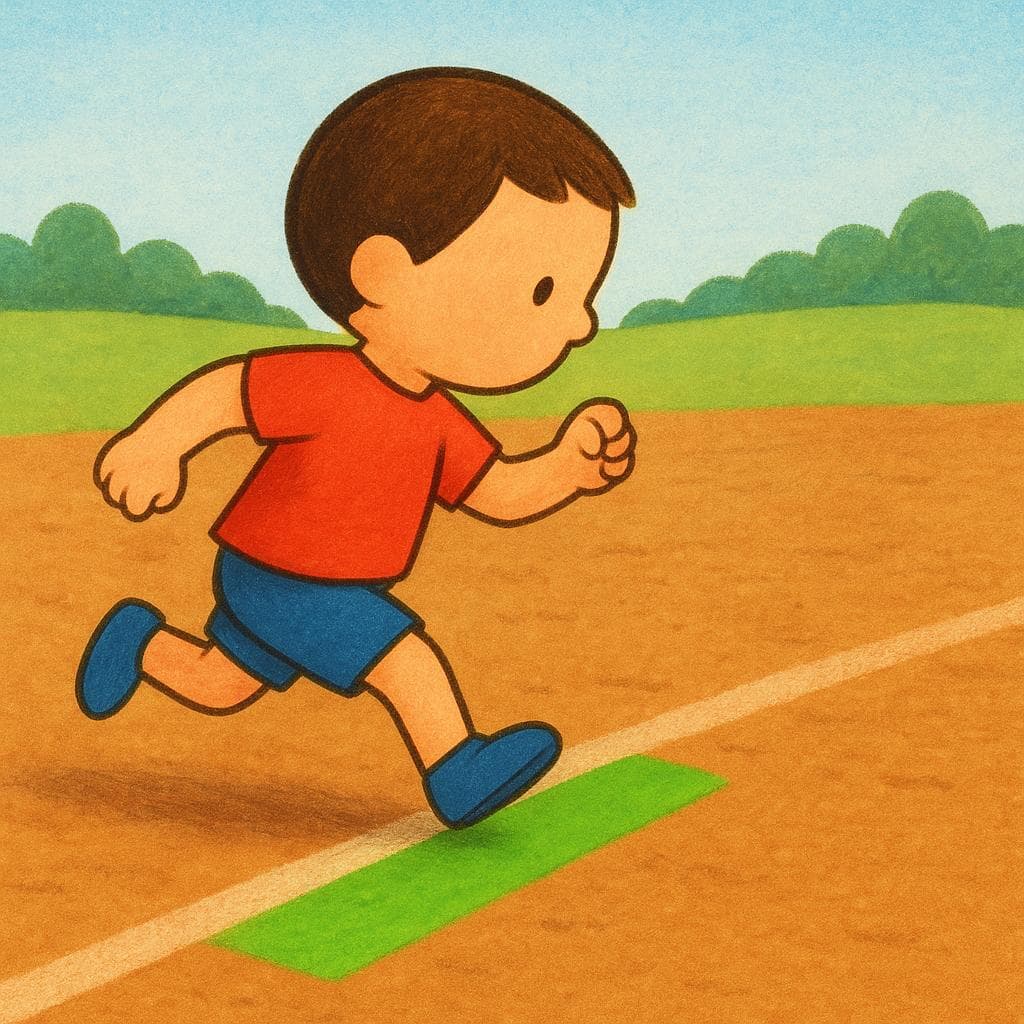
The most common Spanish word for “to start” is “empezar” — use this for most general situations when something begins, like a class, a movie, or a personal activity.







empezar
em-peh-SARem.peˈsaɾ
Examples
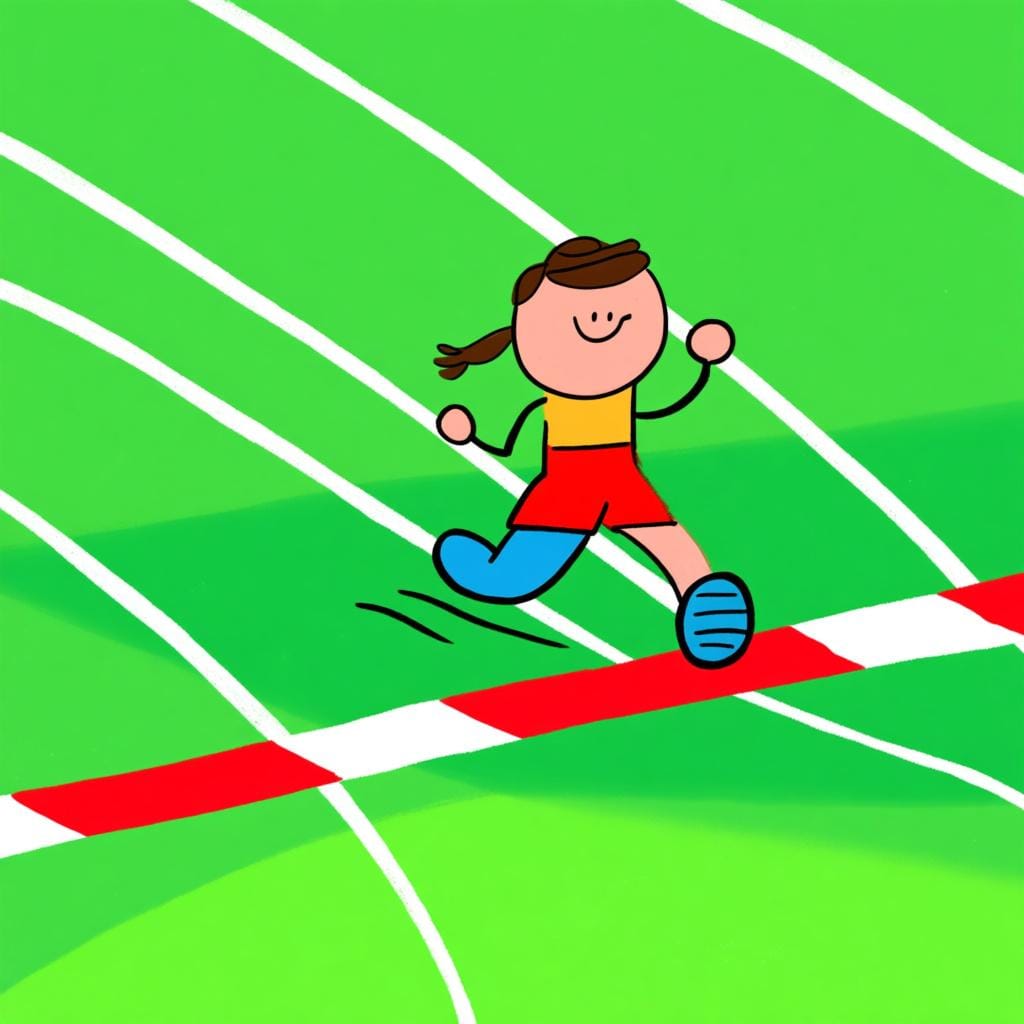
La película empieza en cinco minutos.
The movie starts in five minutes.
La clase empieza a las nueve.
The class starts at nine.
¿A qué hora empieza la película?
What time does the movie start?
Empecé un nuevo trabajo la semana pasada.
I started a new job last week.
The 'e' to 'ie' Change
In the present tense, the 'e' in 'empezar' changes to 'ie' for most forms (yo, tú, él, ellos). Notice how 'nosotros' and 'vosotros' keep the original 'e'. Think of it as a 'boot verb' because the forms that change make a boot shape in the conjugation chart!
The 'z' to 'c' Spelling Rule
To keep the right sound, the letter 'z' changes to 'c' before an 'e'. You'll see this in the 'yo' form of the preterite past tense ('empecé') and all forms of the present subjunctive ('empiece', 'empieces', etc.).
Forgetting the Stem Change
Mistake: “Yo *empezo* la tarea.”
Correction: Yo *empiezo* la tarea. Don't forget that the 'e' changes to 'ie' in the present tense for most forms.
comenzar
koh-men-SARko.menˈsaɾ
Examples
Comenzamos el proyecto mañana.
We start the project tomorrow.
Comienzo mi dieta el lunes.
I start my diet on Monday.
¿A qué hora comienza la película?
What time does the movie start?
Ellos comenzaron a estudiar después de la cena.
They began to study after dinner.
The E > IE Stem Change
In the present tense, the 'e' in the middle of 'comenzar' changes to 'ie' (comienzo, comienzas) except for the 'we' (nosotros) and 'you all' (vosotros) forms, which remain comenzamos.
Starting an Action
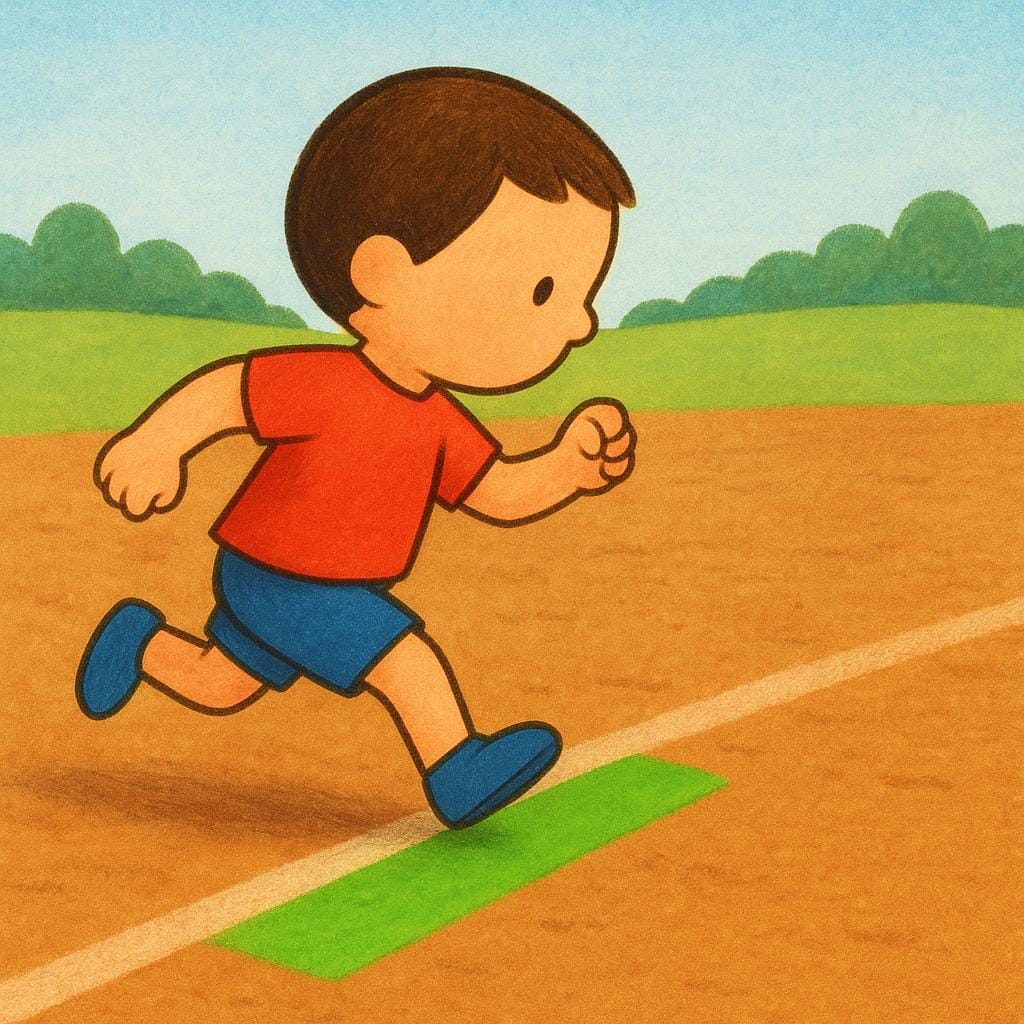
When you use 'comenzar' to say you are starting another action, you must connect the two verbs using the little word 'a': 'Comenzar a + verb' (e.g., Comienzo a correr).
Forgetting the 'A' Connector
Mistake: “Comienzo estudiar ahora.”
Correction: Comienzo **a** estudiar ahora. (Always use 'a' before the next verb.)
Past Tense Spelling Trick
Mistake: “Yo comenzé (pronounced 'ko-men-SEH').”
Correction: Yo com**e**ncé. (The 'z' changes to a 'c' in the 'yo' form of the past tense to keep the sound correct.)
iniciar
ee-nee-SYARi.niˈsjar

Examples
Vamos a iniciar la sesión informativa ahora.
We are going to start the information session now.
Necesitamos iniciar la reunión a las diez en punto.
We need to start the meeting exactly at ten o'clock.
El presidente inició una nueva investigación sobre el caso.
The president began a new investigation into the case.
Transitive Use
When you use 'iniciar' in this way, it always needs to 'start' something directly. For example, 'iniciar el coche' (start the car).
Confusing Start/Begin
Mistake: “La clase inicia a las tres.”
Correction: La clase empieza a las tres. ('Empezar' or 'comenzar' are usually better when the subject starts by itself, like a class or a movie.)
arrancar
ah-rrahn-KAHRaraŋˈkar
Examples
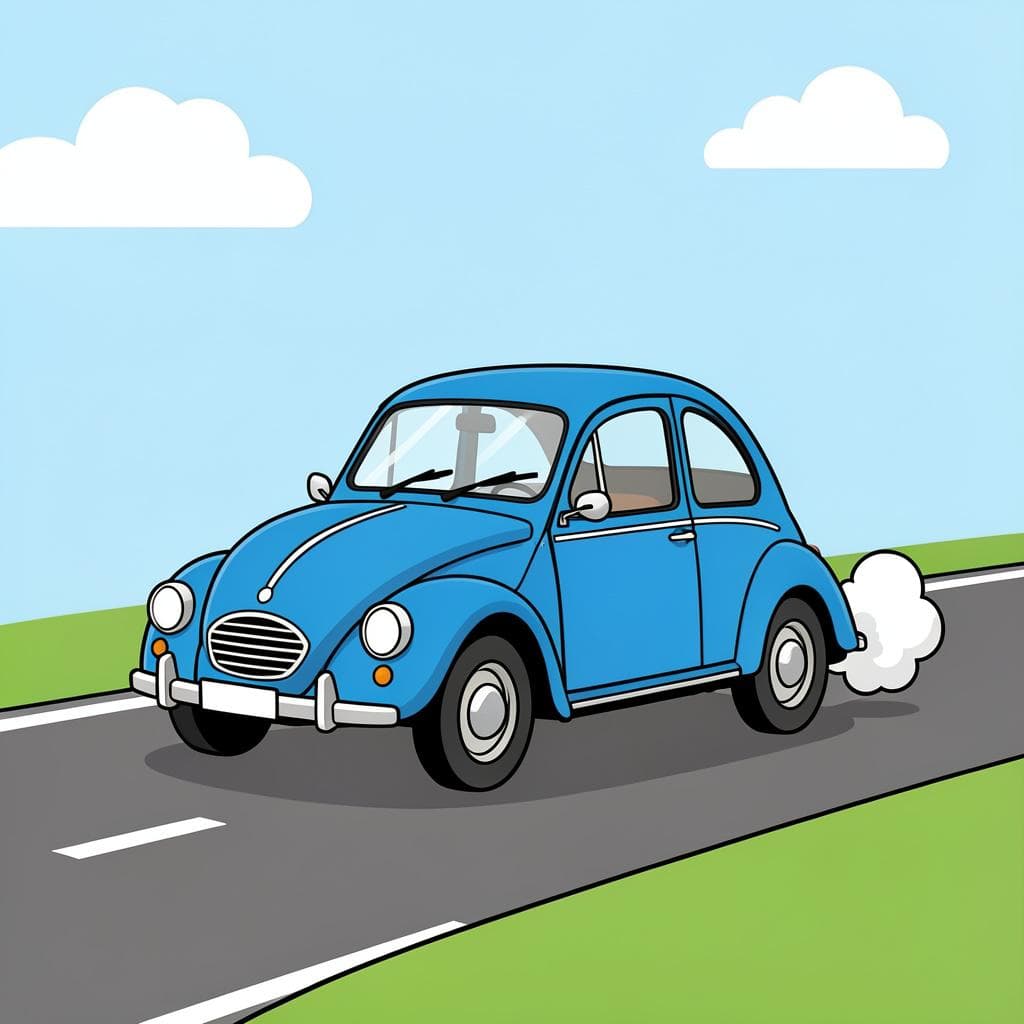
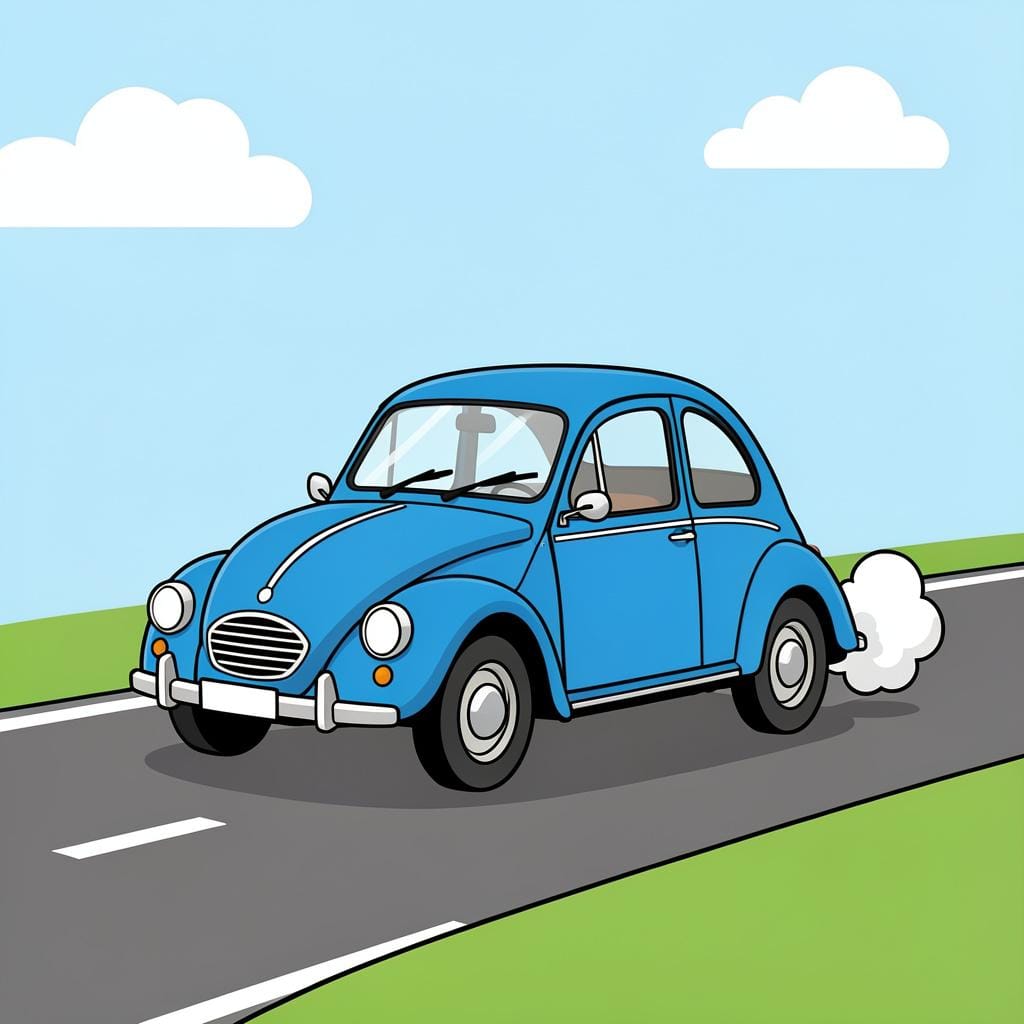
Mi coche viejo tarda en arrancar con el frío.
My old car takes a while to start in the cold.
El coche no quiere arrancar en las mañanas frías.
The car doesn't want to start on cold mornings.
Espera un momento, el ordenador está arrancando.
Wait a moment, the computer is booting up.
Spelling Change Alert
In the 'I' form of the past tense (Preterite), the 'c' changes to 'qu' (arranqué). This ensures the word still has a hard 'k' sound.
Avoid 'arrancé'
Mistake: “Escribí 'arrancé' ayer.”
Correction: Escribí 'arranqué' ayer. We use 'qu' to keep the hard 'c' sound before the letter 'e'.
entrar
en-TRARenˈtɾaɾ

Examples
Ella entra a la universidad el próximo semestre.
She starts university next semester.
Mi hijo entra en la universidad el próximo año.
My son starts university next year.
Entré a trabajar aquí hace dos meses.
I started working here two months ago.
El equipo entró en la competición con mucha energía.
The team entered the competition with a lot of energy.
abrir
ah-BREERaˈβɾiɾ

Examples
La nueva biblioteca abrirá sus puertas en junio.
The new library will open/start in June.
Van a abrir una nueva tienda de café en mi barrio.
They are going to open a new coffee shop in my neighborhood.
El presidente abrió el debate con una declaración.
The president opened (started) the debate with a declaration.
entablar
en-tab-LARen.ta.'βlaɾ

Examples
Intentó entablar conversación con la persona a su lado.
He tried to start a conversation with the person next to him.
Fue muy fácil entablar una conversación con el nuevo vecino.
It was very easy to start a conversation with the new neighbor.
Los dos países quieren entablar una relación comercial más sólida.
The two countries want to strike up a stronger trade relationship.
Me cuesta mucho entablar amistad con gente que no conozco.
It’s hard for me to start a friendship with people I don't know.
Abstract Connections
Unlike the word 'empezar,' which can start anything, 'entablar' is mostly used for starting abstract things like conversations, relationships, or negotiations.
A Regular AR Verb
This verb follows the standard rules for -ar verbs. It doesn't have any hidden spelling changes or irregular forms.
Using it for physical objects
Mistake: “Voy a entablar el libro.”
Correction: Voy a empezar el libro. 'Entablar' is for interactions between people or groups, not for starting a physical task or reading a book.
ponernos
poh-NEHR-nohspoˈneɾnos

Examples
Vamos, ¡pongámonos a trabajar!
Come on, let's start working!
Después del descanso, necesitamos ponernos a trabajar de inmediato.
After the break, we need to start working immediately.
Si queremos terminar, tenemos que ponernos a escribir ahora mismo.
If we want to finish, we have to start writing right now.
Starting an Action
To mean 'to start doing something,' you must follow 'ponernos' with the preposition 'a' and then the action verb (infinitive): ponernos a + [action].
Missing the 'a'
Mistake: “Vamos a ponernos estudiar.”
Correction: Vamos a ponernos A estudiar. (The 'a' is required to link 'ponerse' to the following action.)
montar
mon-TARmonˈtaɾ
Examples
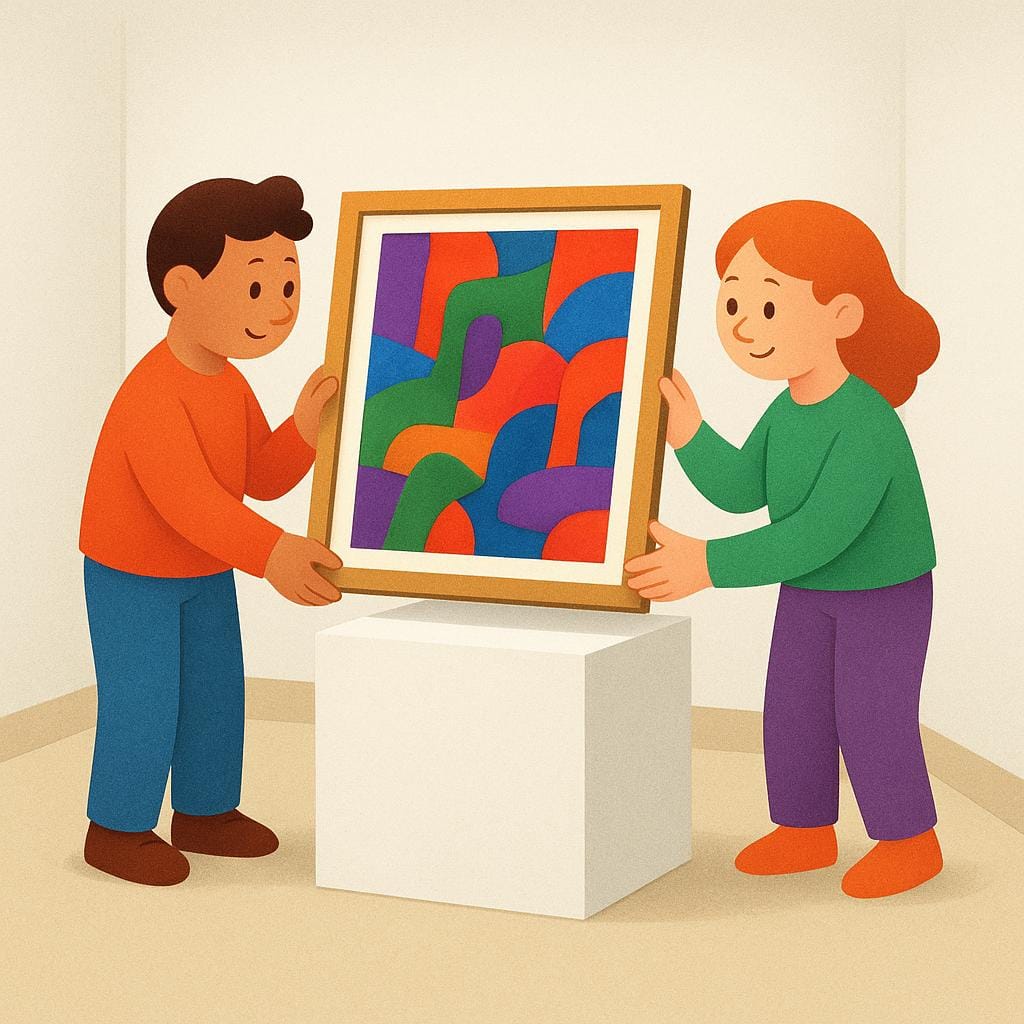
Mi primo quiere montar una pequeña empresa de consultoría.
My cousin wants to start/set up a small consulting firm.
Quiere montar un negocio de comida orgánica.
He wants to set up/start an organic food business.
El director está montando la próxima obra de teatro.
The director is staging the next play.
Montaron una fiesta sorpresa para su cumpleaños.
They organized a surprise party for his birthday.
inaugurar
ee-now-goo-RARinauɡuˈɾaɾ

Examples
El presidente inauguró la nueva planta industrial.
The president inaugurated/started the new industrial plant.
Este descubrimiento inaugura una nueva época en la ciencia.
This discovery ushers in a new era in science.
El primer gol inauguró el marcador.
The first goal opened the score.
Abstract starts
This word is often used in history or sports to describe the very first event that triggers a whole new sequence.
ponerme
po-NER-mepoˈneɾme

Examples
Tengo que ponerme a estudiar si quiero aprobar.
I have to start studying if I want to pass.
Tengo que ponerme a estudiar para el examen final.
I have to start studying for the final exam.
Después de comer, me voy a ponerme a limpiar la cocina.
After eating, I'm going to start cleaning the kitchen.
The Essential 'A'
When 'ponerme' means 'to start doing something,' you MUST follow it with the small word 'a' and then the activity's verb (infinitive): 'ponerme a + infinitive'.
Forgetting the Preposition
Mistake: “Voy a ponerme leer el libro.”
Correction: Voy a ponerme a leer el libro. (The 'a' is required for the meaning 'to start.')
General vs. Specific Starts
Related Translations
Learn Spanish with Inklingo
Interactive stories, personalized learning, and more.