How to Say "to store" in Spanish
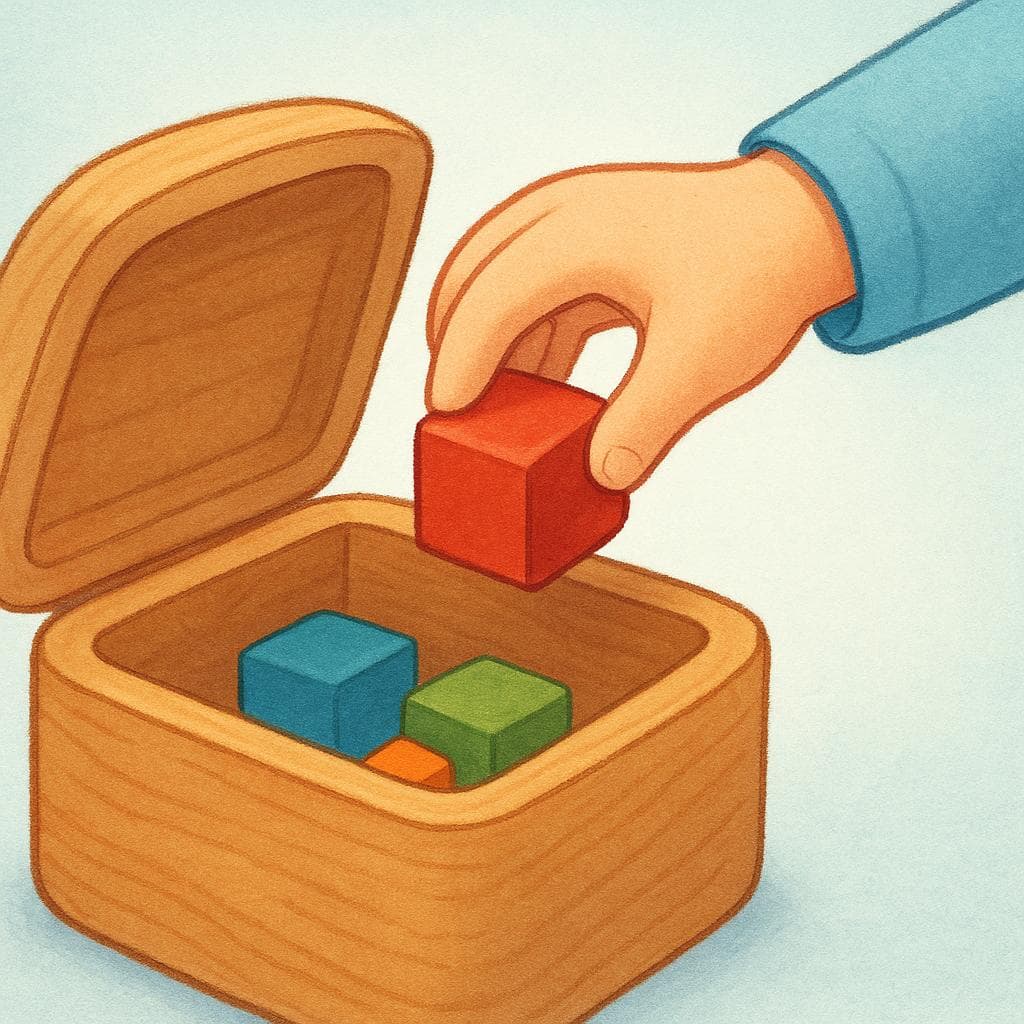
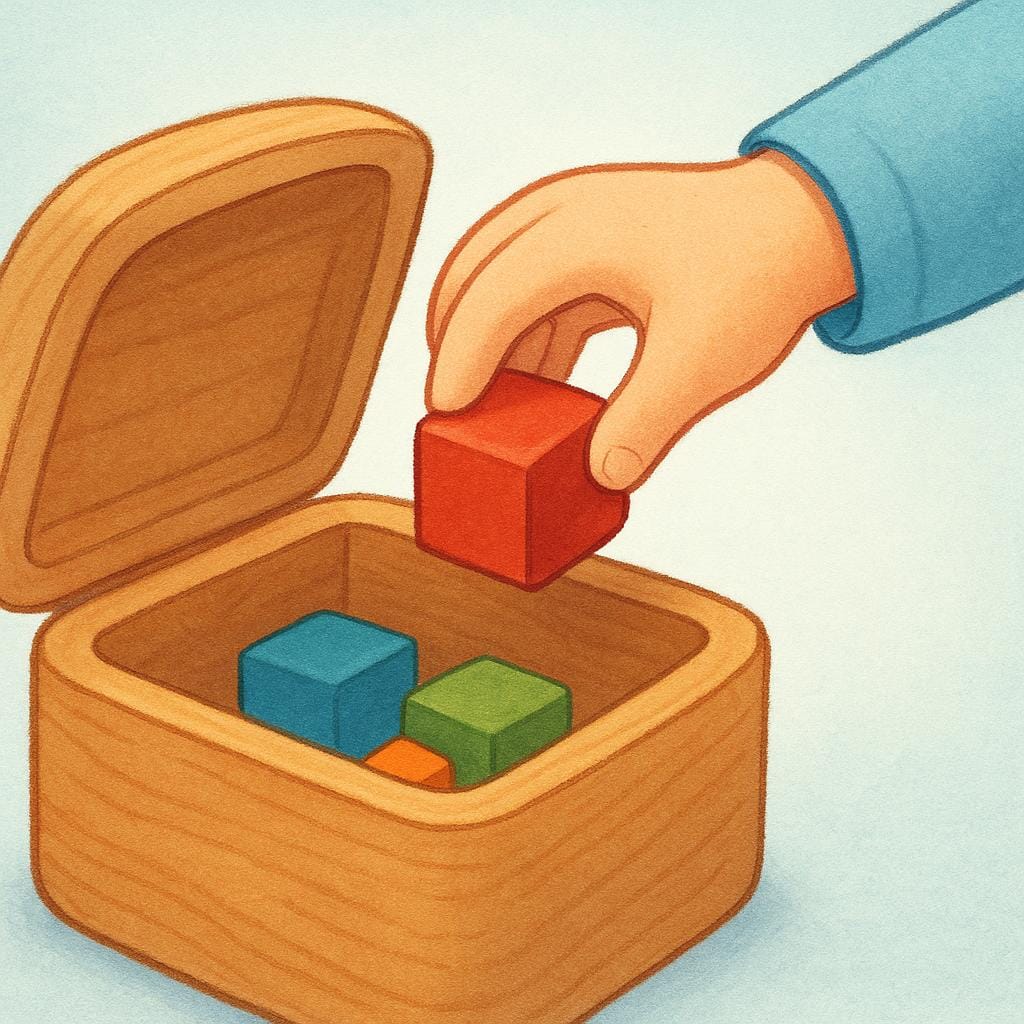
The most common Spanish word for “to store” is “guardar” — use 'guardar' when you are putting something away in a specific, safe place, like putting away clothes or keys.

guardar
gwar-DARɡwaɾˈðaɾ
Examples
Por favor, guarda el libro en la estantería.
Please put the book away on the shelf.
Ella siempre guarda las llaves en el mismo cajón.
She always keeps the keys in the same drawer (puts them away).
¿Dónde guardaste la aspiradora?
Where did you store the vacuum cleaner?
Guarda el cambio, lo necesitarás más tarde.
Keep the change, you will need it later.
Regular AR Verb
Guardar follows the standard pattern for all -AR verbs. Just drop the -ar and add the appropriate endings (e.g., Yo guardo, Tú guardas).
Confusing with 'Save Money'
Mistake: “Voy a guardar dinero.”
Correction: Voy a ahorrar dinero. ('Guardar' is physical storage; 'ahorrar' is saving money.)
almacenar
al-ma-seh-NARalmaθeˈnaɾ

Examples
La empresa necesita un lugar para almacenar sus productos.
The company needs a place to store its products.
Necesitamos un lugar para almacenar las cajas.
We need a place to store the boxes.
La empresa almacena el grano en grandes silos.
The company stores the grain in large silos.
Es importante almacenar los productos químicos con cuidado.
It is important to store chemical products carefully.
A standard -AR verb
This verb follows the most common pattern in Spanish. If you know how to conjugate 'hablar', you know how to conjugate 'almacenar'!
Action vs. Location
Remember that 'almacenar' is the action of storing, while 'almacén' is the physical building (the warehouse) where things are kept.
Almacenar vs. Guardar
Mistake: “Using 'almacenar' for small daily things like 'almacenar mis llaves'.”
Correction: Use 'guardar' for everyday items like keys or wallets. 'Almacenar' is usually for large quantities or computer data.
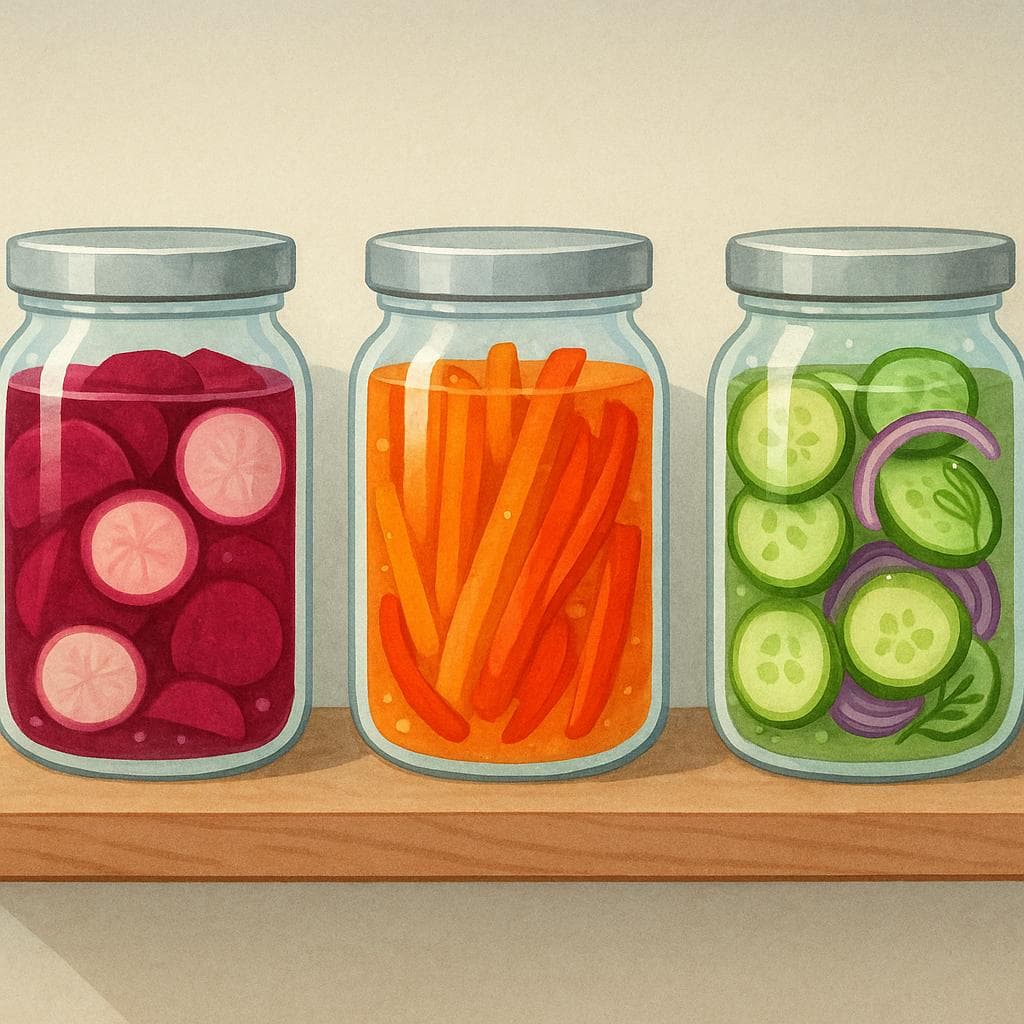
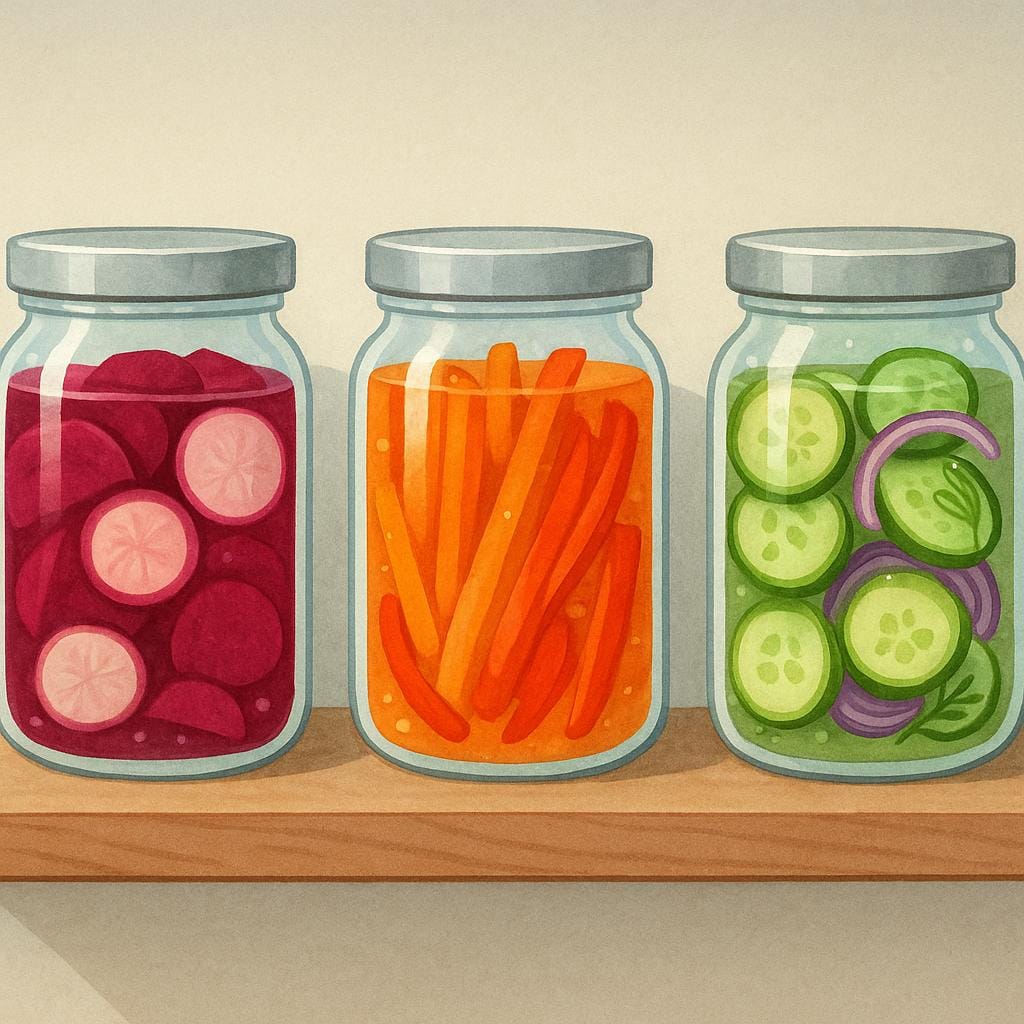
conservar
kon-ser-VARkon.seɾˈβaɾ
Examples
Es importante conservar los alimentos correctamente para que no se echen a perder.
It's important to preserve food correctly so it doesn't spoil.
Necesitas refrigerar la leche para conservarla.
You need to refrigerate the milk to preserve it.
Los museos conservan artefactos muy antiguos.
Museums conserve (or preserve) very old artifacts.
Mi abuela sabe cómo conservar mermelada casera.
My grandmother knows how to preserve homemade jam.
Regular -AR Verb
'Conservar' is one of the easiest verbs to learn because it follows the standard pattern for all verbs ending in -ar. Just remember the endings!
Guardar vs. Almacenar
Related Translations
Learn Spanish with Inklingo
Interactive stories, personalized learning, and more.