How to Say "to preserve" in Spanish
The most common Spanish word for “to preserve” is “conservar” — use 'conservar' when you want to keep something, like food or historical items, from spoiling or deteriorating over time.
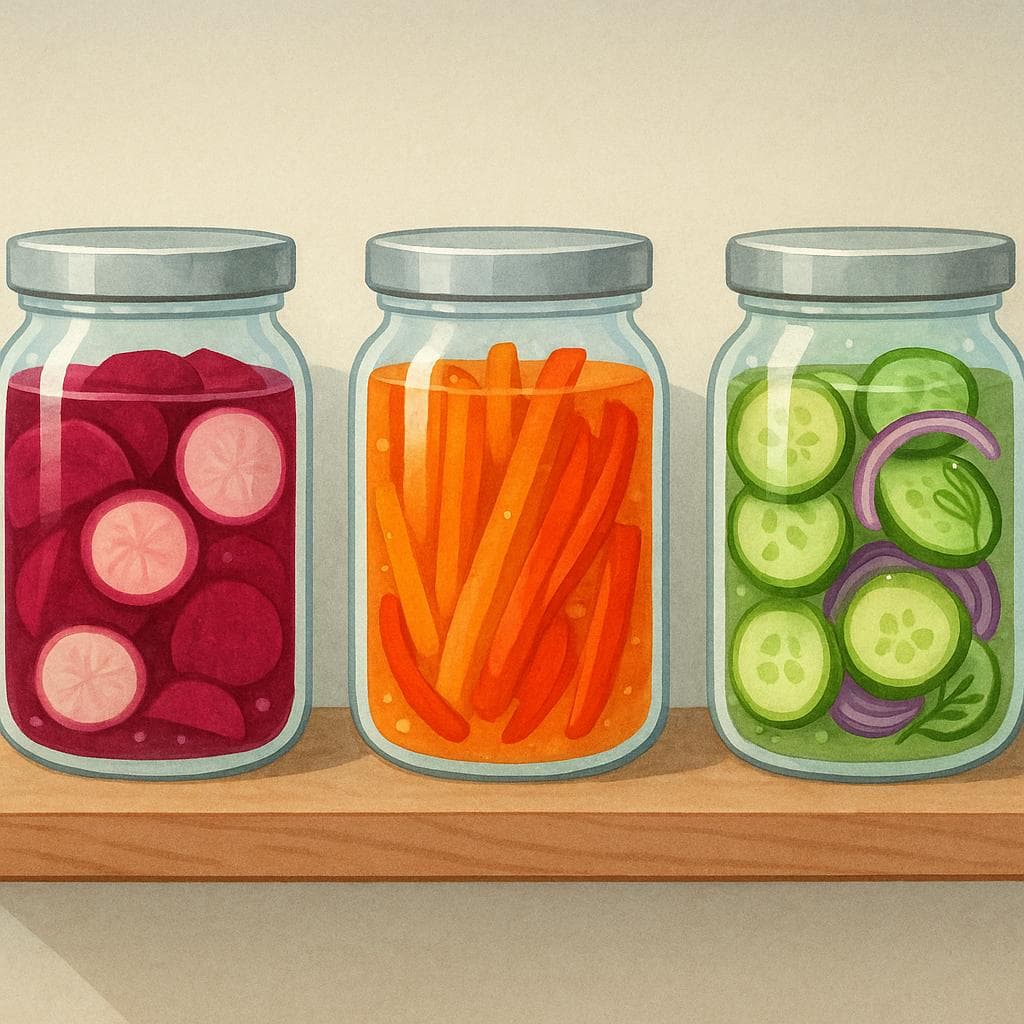
Use 'conservar' when you want to keep something, like food or historical items, from spoiling or deteriorating over time.
Learn more →
Use 'mantener' to talk about keeping something in its current state or condition, such as maintaining order or a tradition.
Learn more →
Use 'preservar' when the goal is to protect something, often nature or cultural heritage, and keep it in its original state for the future.
Learn more →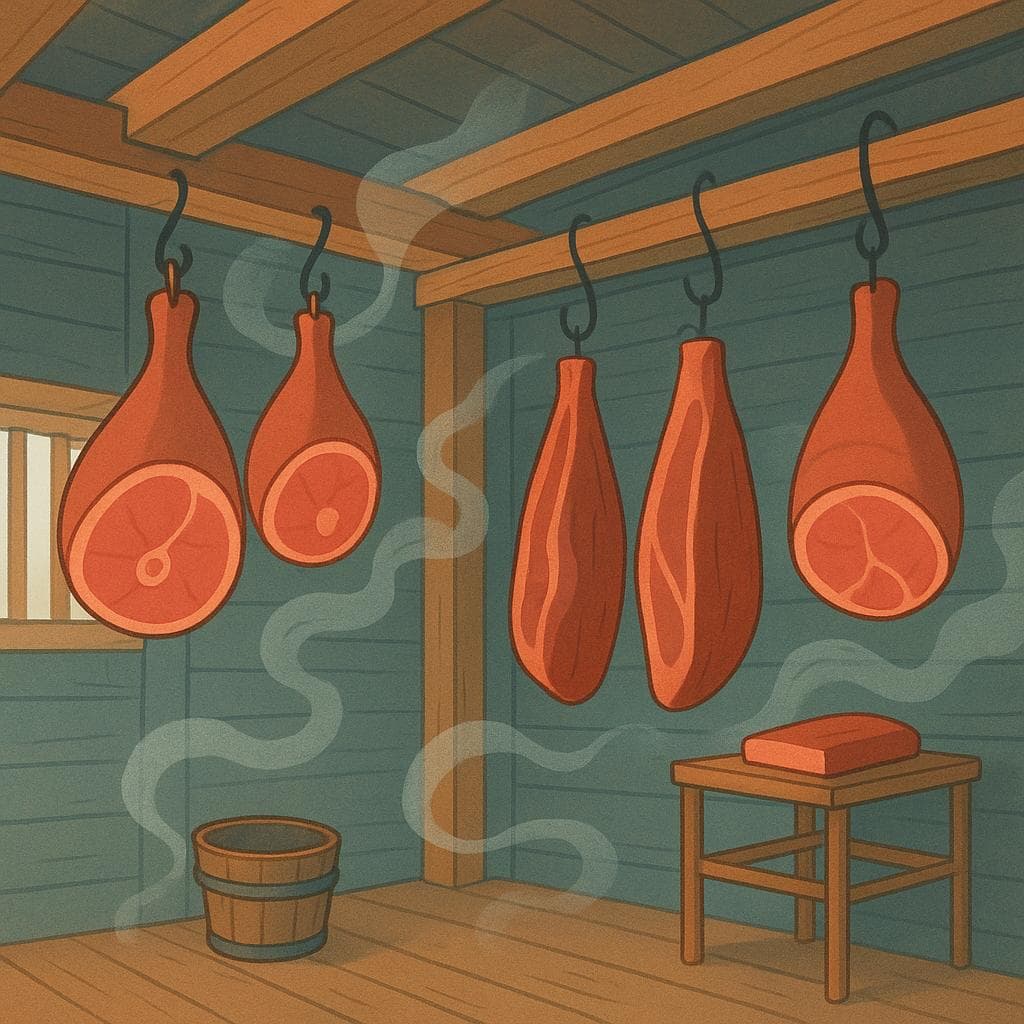
Use 'curar' specifically for food preservation methods that involve drying, salting, or smoking to make it last longer.
Learn more →kon-ser-VARkon.seɾˈβaɾ
Examples
Necesitas refrigerar la leche para conservarla.
You need to refrigerate the milk to preserve it.
Los museos conservan artefactos muy antiguos.
Museums conserve (or preserve) very old artifacts.
Mi abuela sabe cómo conservar mermelada casera.
My grandmother knows how to preserve homemade jam.
Regular -AR Verb
'Conservar' is one of the easiest verbs to learn because it follows the standard pattern for all verbs ending in -ar. Just remember the endings!
man-teh-NEHRmanteˈneɾ
Examples
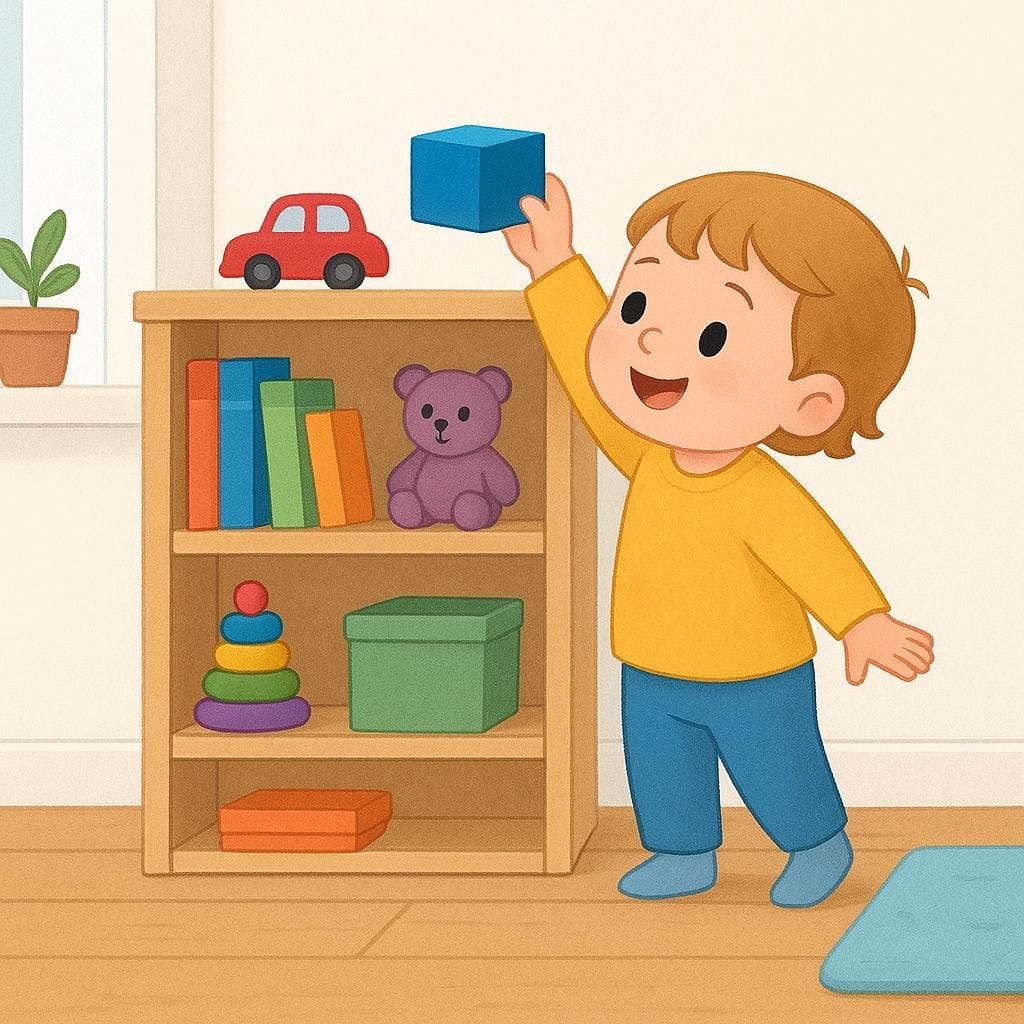
Es importante mantener la calma en una emergencia.
It's important to keep calm in an emergency.
Intento mantener mi habitación ordenada.
I try to keep my room tidy.
Hemos mantenido una buena relación durante años.
We have maintained a good relationship for years.
Irregular 'yo' Form
Just like 'tener' (tengo), the 'yo' form in the present is irregular: 'mantengo'. Many other changes also follow 'tener' (e.g., 'mantuve', 'mantendré').
Keeping a State
This meaning is often followed by a word that describes a state or quality. For example, 'mantener algo limpio' (to keep something clean) or 'mantener la puerta abierta' (to keep the door open).
Using 'Guardar' instead
Mistake: “Guardo la calma.”
Correction: Mantengo la calma. Use 'guardar' for putting things away or storing them, not for maintaining a state or condition.
pre-ser-BARpɾeseɾˈβaɾ

Examples
Debemos preservar la naturaleza para las futuras generaciones.
We must preserve nature for future generations.
El frío ayuda a preservar los alimentos por más tiempo.
The cold helps preserve food for longer.
Es importante preservar nuestras tradiciones culturales.
It is important to preserve our cultural traditions.
Using 'de' for Protection
When you want to say you are preserving something 'from' a danger, use the word 'de'. For example: 'preservar de la lluvia' (to preserve from the rain).
A Friendly Regular Verb
This verb is completely regular! It follows the exact same pattern as other '-ar' verbs like 'hablar' or 'caminar'.
The 'Preservative' Confusion
Mistake: “Using 'preservar' to talk about chemicals in food like English 'preservatives'.”
Correction: Use 'conservantes' for food additives. 'Preservar' is the action of keeping something safe, not the chemical itself.
koo-RAHRkuˈɾaɾ
Examples
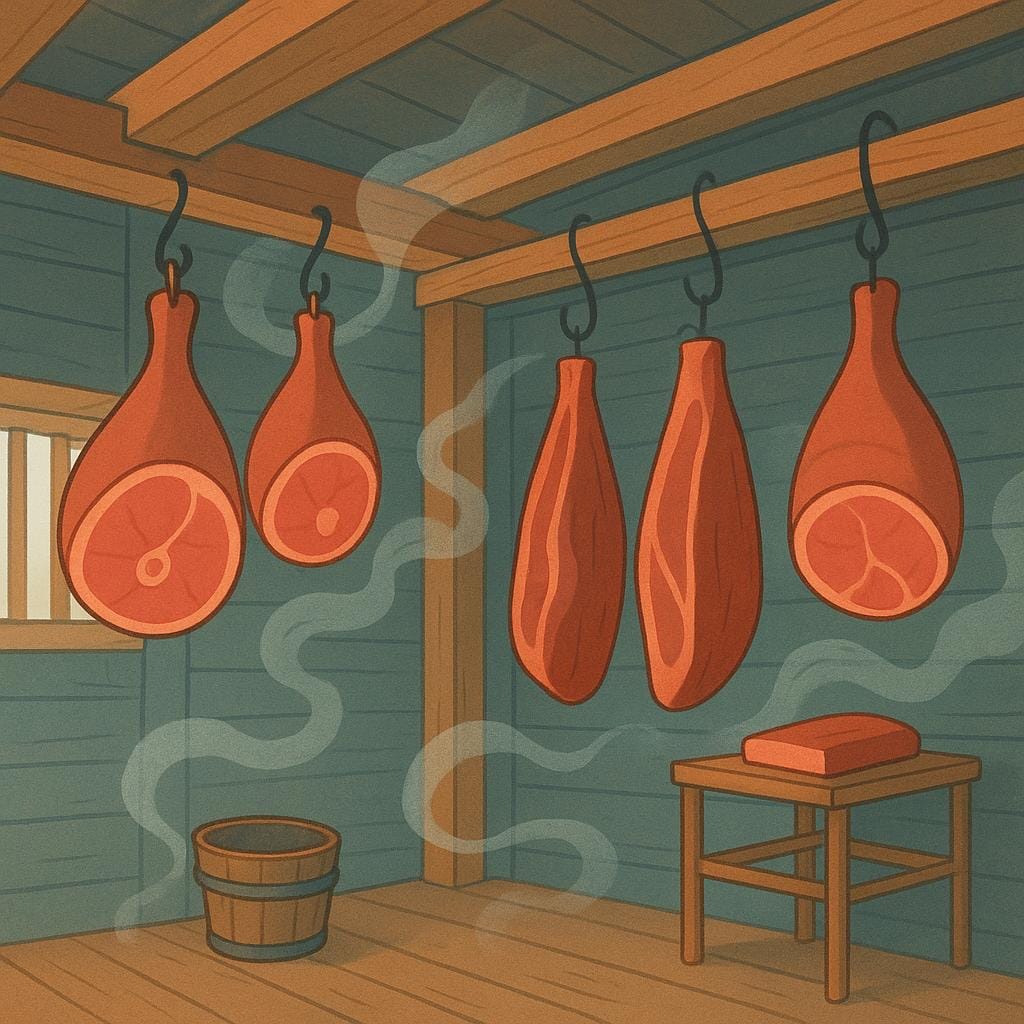
El jamón serrano debe curarse durante muchos meses.
Serrano ham must be cured for many months.
Están curando el queso en una cueva fría.
They are aging the cheese in a cold cave.
Conservar vs. Preservar
Learners often confuse 'conservar' and 'preservar'. Remember that 'conservar' is about keeping something from going bad or being lost (like food or an object), while 'preservar' focuses on protecting something, often in its natural or original state, for the future.
Related Translations
Learn Spanish with Inklingo
Interactive stories, personalized learning, and more.