How to Say "to mature" in Spanish
The most common Spanish word for “to mature” is “madurar” — use 'madurar' when referring to the personal, emotional, or behavioral development of a person, or when talking about fruit ripening.
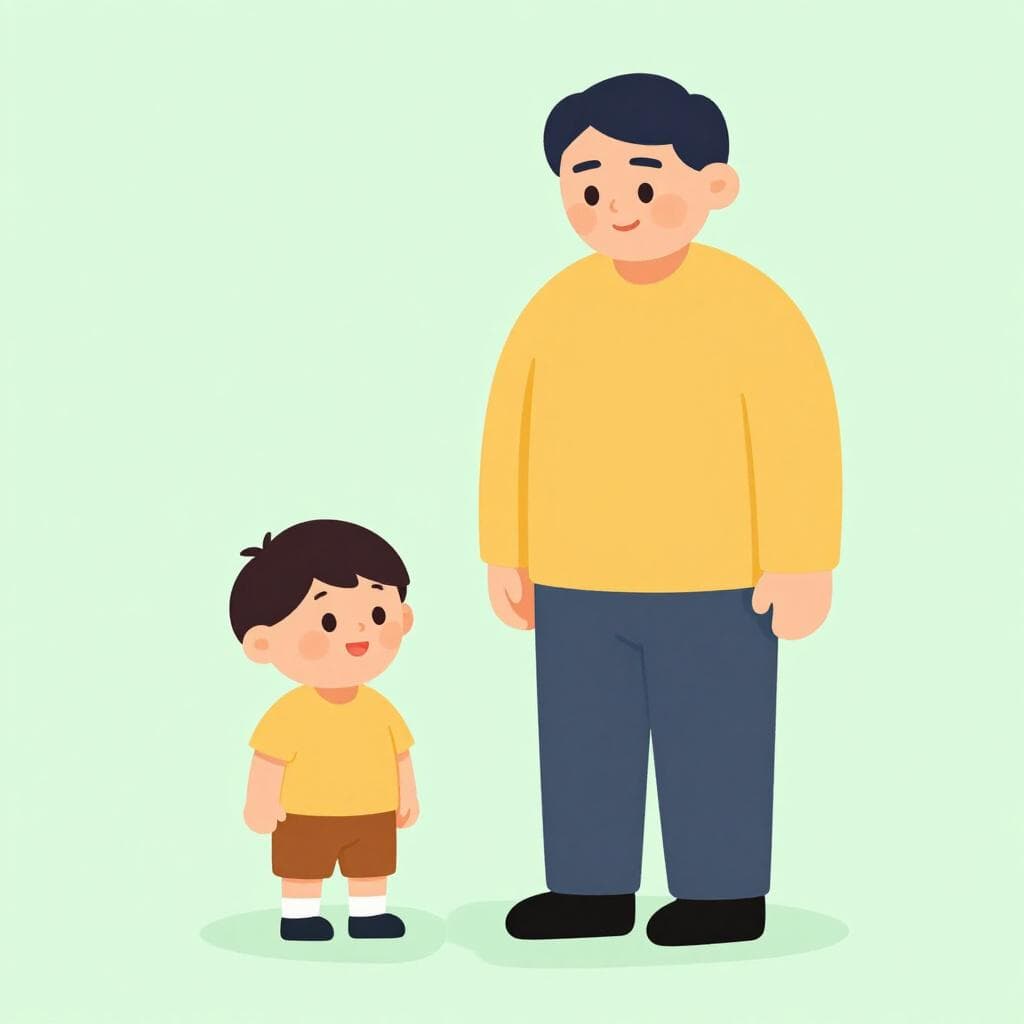
Use 'madurar' when referring to the personal, emotional, or behavioral development of a person, or when talking about fruit ripening.
Learn more →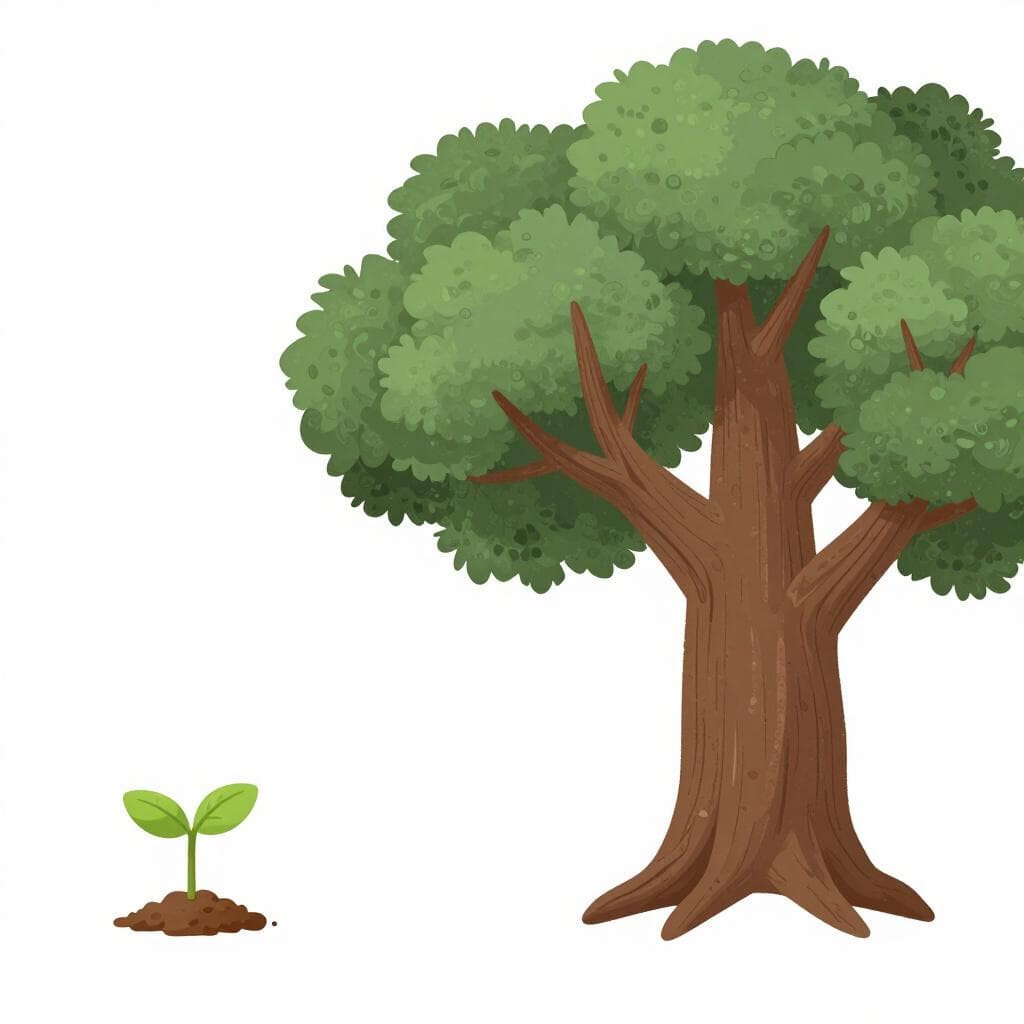
Use 'envejecer' specifically when referring to the physical process of aging, or when talking about the aging of wine or cheese to improve their quality.
Learn more →mah-doo-RAHRma.ðu.ˈɾaɾ
Examples
Mi hija ha madurado mucho este último año.
My daughter has matured a lot this past year.
Mi hermano ha madurado mucho desde que vive solo.
My brother has matured a lot since he's been living alone.
A veces las personas tardan en madurar.
Sometimes people take a long time to grow up/mature.
¡Ya es hora de que madures!
It's about time you grew up!
Using the Special Verb Form
When you say 'It's time for you to mature,' Spanish uses a special verb form (the subjunctive): 'Es hora de que madures.'
Thinking of 'Mature' as only an Adjective
Mistake: “Él es muy madurar.”
Correction: Él ha madurado (He has matured) or Él es maduro (He is mature). Use 'madurar' for the action and 'maduro' for the description.
en-be-he-SEHRenbexeˈθer
Examples
Este queso necesita tiempo para envejecer y desarrollar su sabor.
This cheese needs time to mature and develop its flavor.
Todos vamos a envejecer algún día.
We are all going to grow old one day.
Este vino ha envejecido muy bien en la bodega.
This wine has aged very well in the cellar.
Las preocupaciones pueden envejecer a una persona prematuramente.
Worries can make a person age prematurely.
The 'ZC' Change
For words ending in -ecer, like this one, when you say 'I' (yo) in the present, the 'c' changes to 'zc'. So it is 'envejezco,' not 'envejeço'.
Action vs. State
Spanish uses this verb to describe the process of getting older. To describe the state of being old, just use 'ser viejo'.
Avoid 'Hacerse viejo' in formal writing
Mistake: “Mi abuelo se está haciendo viejo.”
Correction: Mi abuelo está envejeciendo.
Personal Growth vs. Physical Aging
Learners often confuse 'madurar' and 'envejecer' by using 'envejecer' for personal development. Remember, 'madurar' is for personality and behavioral growth, while 'envejecer' is primarily for physical aging or the aging process of food and drink.
Related Translations
Learn Spanish with Inklingo
Interactive stories, personalized learning, and more.