niñez
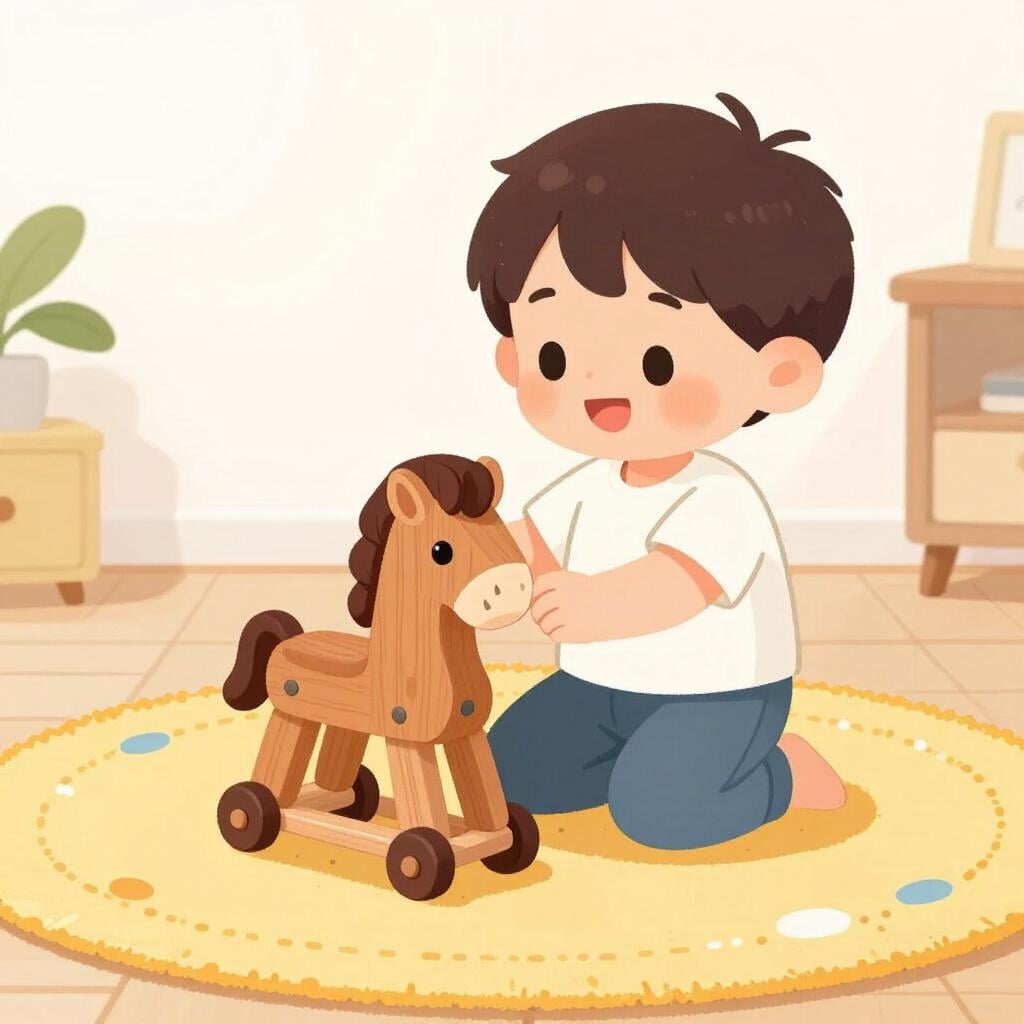
“niñez” means “childhood” in Spanish (the period of time when someone is a child).
childhoodAlso: infancy
📝 In Action
Tuve una niñez muy feliz en el campo.
A1I had a very happy childhood in the countryside.
Muchos de mis mejores recuerdos son de mi niñez.
B1Many of my best memories are from my childhood.
La niñez es una etapa fundamental para el desarrollo del cerebro.
B2Childhood is a fundamental stage for brain development.
Word Connections
✏️ Quick Practice
Quick Quiz: niñez
Question 1 of 3
How do you say 'happy childhood' in Spanish?
📚 More Resources
👥 Word Family
📚 Etymology
From the Spanish word 'niño' (child) combined with the ending '-ez', which is used to turn descriptions into abstract concepts or states of being.
First recorded: 13th century
💡 Master Spanish
Take your Spanish to the next level. Read 200+ illustrated and narrated Spanish stories tailored to your level with the Inklingo app!
Frequently Asked Questions
What is the difference between 'niñez' and 'infancia'?
They are mostly interchangeable. 'Infancia' is sometimes considered more formal or technical, while 'niñez' is very common in everyday storytelling.
Can 'niñez' mean a group of children?
Yes, in a formal or sociological context, 'la niñez' can refer to children as a collective group in society.
Does it ever have an accent mark?
No, 'niñez' is stressed on the last syllable naturally because it ends in 'z', so it doesn't need a written accent.