How to Say "youth" in Spanish
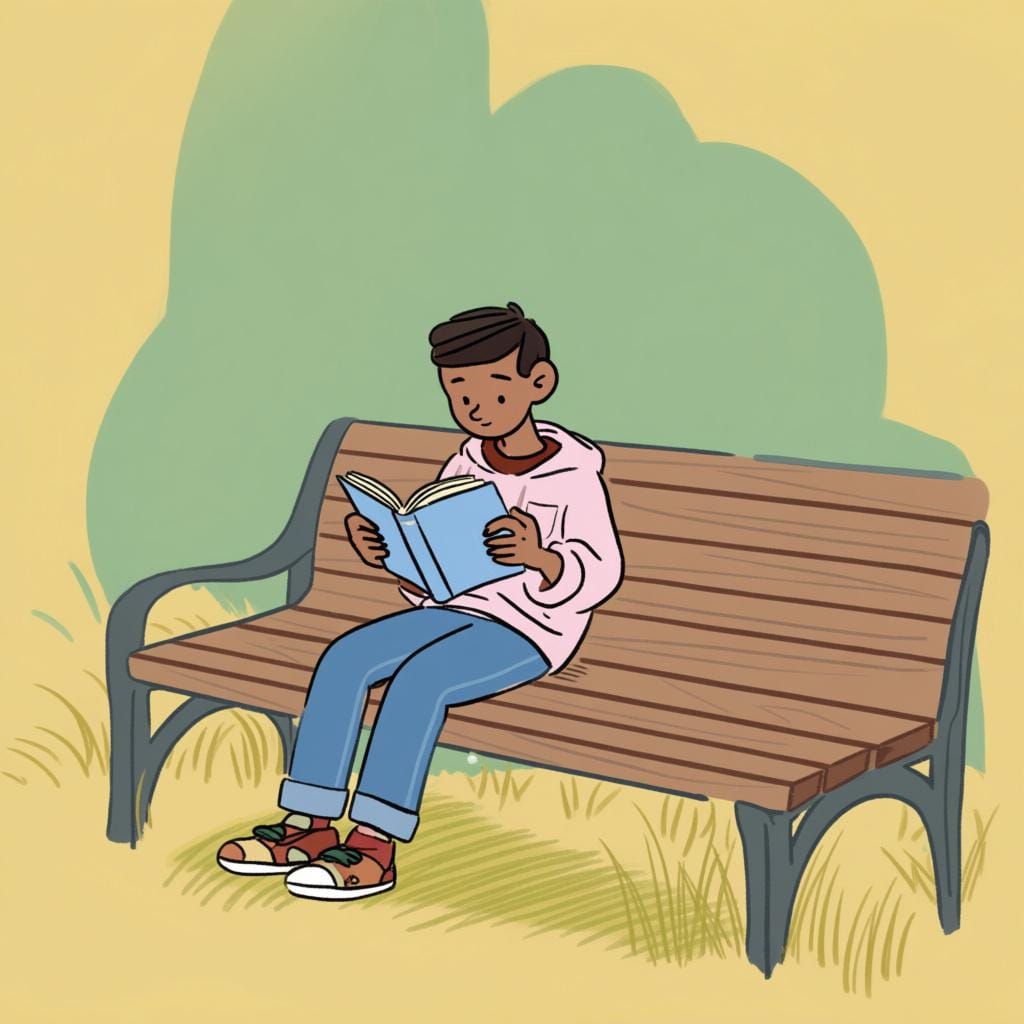
The most common Spanish word for “youth” is “joven” — use 'joven' to refer to a specific young person, typically a young man, but it can also be used more generally for a young person.
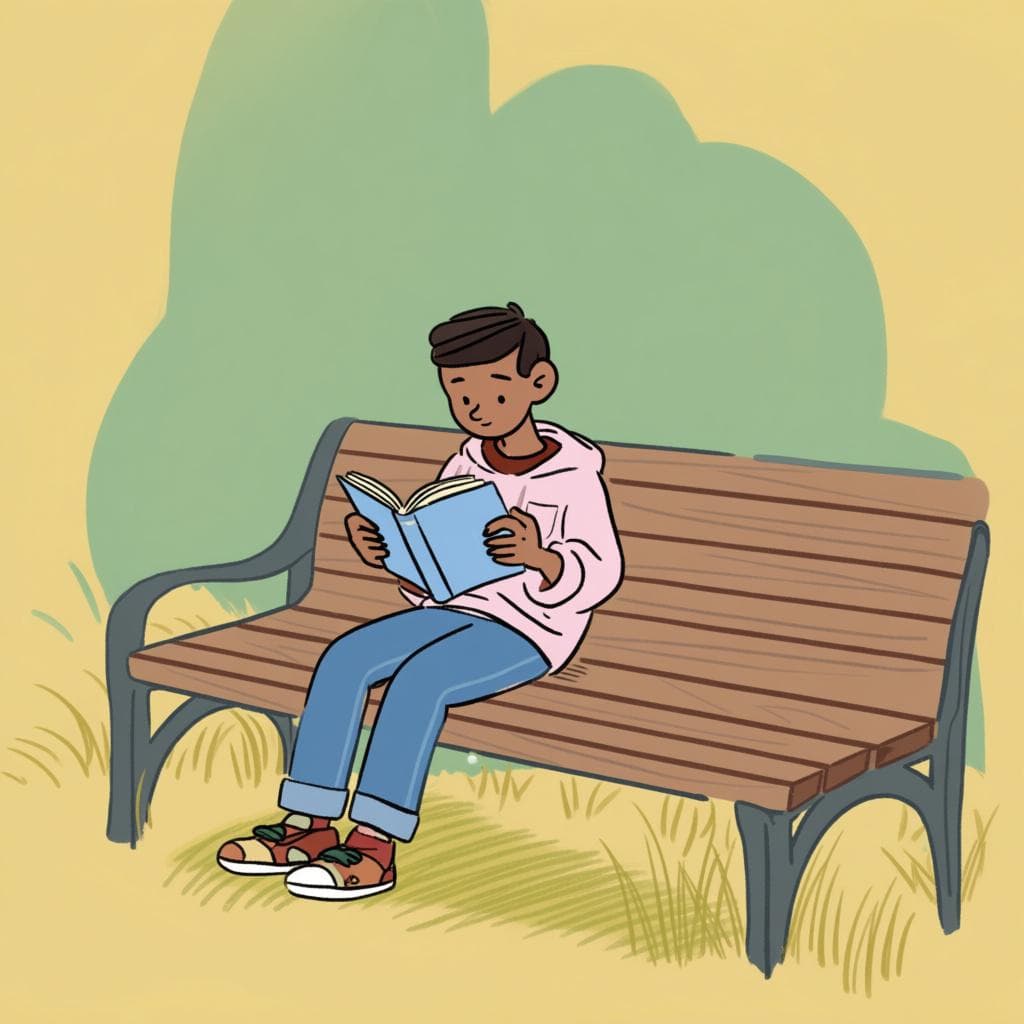
Use 'joven' to refer to a specific young person, typically a young man, but it can also be used more generally for a young person.
Learn more →
Use 'juventud' to talk about the abstract concept of youth or the period of life when one is young.
Learn more →
Use 'adolescencia' specifically when referring to the stage of life known as adolescence, characterized by significant changes.
Learn more →
Use 'mozo' to refer to a young man, often implying strength or a general state of being young, similar to 'joven' but sometimes with a slightly more informal or regional feel.
Learn more →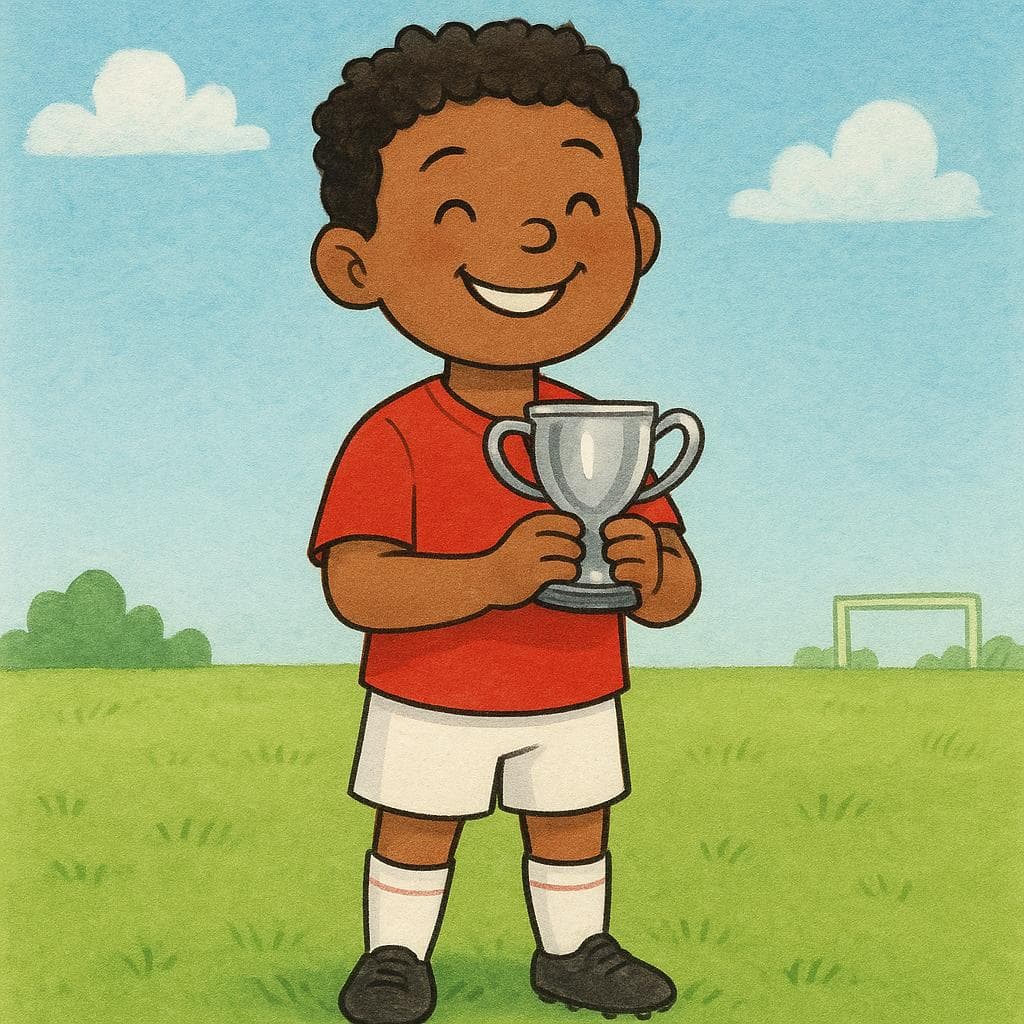
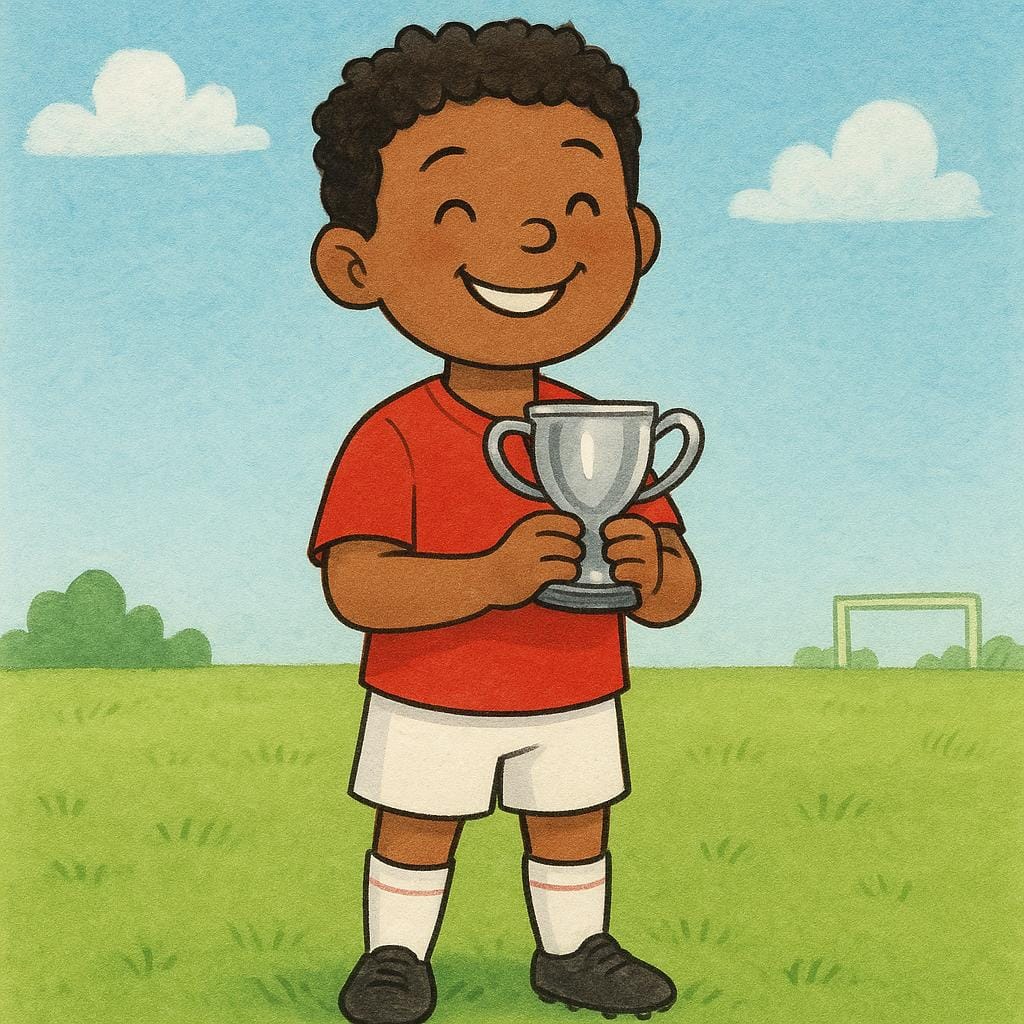
Use 'junior' as an adjective to describe a category, competition, or team that is for younger participants.
Learn more →
Use 'primavera' figuratively to represent the prime of life or a youthful period, drawing a parallel with the blooming season of spring.
Learn more →kho-benˈxoβen
Examples
El joven de la camisa azul es mi primo.
The young man in the blue shirt is my cousin.
Una joven me preguntó la hora.
A young woman asked me for the time.
Los jóvenes de hoy en día usan mucho el móvil.
Young people nowadays use their phones a lot.
Gender is Shown by 'el' or 'la'
The word 'joven' itself doesn't change gender. You show if you're talking about a male or female by using 'el' or 'un' for a male ('el joven') and 'la' or 'una' for a female ('la joven').
hoo-ven-TOODxuβenˈtuð

Examples
Mi abuela siempre dice que la juventud es el mejor tesoro.
My grandmother always says that youth is the best treasure.
Pasé mi juventud en un pueblo pequeño de la costa.
I spent my youth in a small town on the coast.
A pesar de su juventud, ya tiene mucha experiencia laboral.
Despite his young age (youth), he already has a lot of work experience.
Always Feminine
Remember to always use feminine words like 'la' or 'una' before 'juventud', even though it doesn't end in '-a'.
Singular Concept
Even though it refers to a long period of time, 'juventud' is used in the singular form (like 'childhood' in English).
ah-doh-leh-SEN-syahaðolesˈθenθja

Examples
La adolescencia es una etapa de muchos cambios.
Adolescence is a stage of many changes.
Tuve una adolescencia muy feliz en mi pueblo.
I had a very happy adolescence in my town.
Muchos padres encuentran difícil la adolescencia de sus hijos.
Many parents find their children's teenage years difficult.
Gender and Articles
This is a feminine word. Always use 'la' or 'una' with it. Remember that words ending in '-encia' are almost always feminine.
Describing 'In your teens'
In Spanish, we don't usually say 'in my teens.' Instead, we say 'en mi adolescencia' or 'cuando era adolescente' (when I was a teenager).
Adolescencia vs. Adolescente
Mistake: “Él es una adolescencia.”
Correction: Él es un adolescente. Use 'adolescencia' for the time period and 'adolescente' for the person.
MO-soˈmoso

Examples
Ese mozo es el más fuerte del pueblo.
That young man is the strongest in town.
Se casó cuando todavía era un mozo.
He got married when he was still a lad.
Los mozos del barrio suelen jugar fútbol aquí.
The neighborhood youths usually play soccer here.
Adjective use
While usually a naming word, 'mozo' can sometimes act like a description (adjective) meaning 'young', though this is mostly found in older books.
Handsome vs. Waiter
Mistake: “Thinking 'buen mozo' means 'a good waiter'.”
Correction: In most of Latin America, 'buen mozo' specifically means 'handsome'. To say a waiter is good at his job, say 'un buen mesero' or 'un buen mozo' (but the context must be clear).
HOO-nee-or'xu.njɔr
Examples
Mi hermano juega en el equipo de baloncesto junior.
My brother plays on the junior basketball team.
Ella ganó el campeonato mundial junior de natación.
She won the junior world swimming championship.
Always follows the noun
As an adjective describing the type or category, 'junior' always comes after the noun it describes (e.g., 'el equipo junior').
Gender confusion
Mistake: “Trying to make 'junior' change its ending to match the noun's gender (e.g., *juniora*).”
Correction: This word is invariable (it always stays the same). It is 'la categoría junior' and 'el equipo junior'.
pree-mah-VEH-rahpɾimaˈβeɾa

Examples
Mi estación favorita es la primavera porque todo florece.
My favorite season is spring because everything blooms.
En primavera, el clima es templado y agradable.
In spring, the weather is mild and pleasant.
Dicen que el amor es la primavera de la vida.
They say that love is the spring (or youth) of life.
Gender Alert
Remember that 'primavera' is a feminine word, so you must use feminine articles and adjectives with it (e.g., 'la primavera,' 'una hermosa primavera').
Using the Article
Unlike English, Spanish usually requires the definite article ('la') when speaking about seasons in general, such as when stating a preference: 'Me gusta la primavera' (I like spring).
Forgetting the Article
Mistake: “Mi estación favorita es primavera.”
Correction: Mi estación favorita es **la** primavera. (Seasons usually need 'la' or 'el' when used as the subject or object of preference.)
Abstract vs. Specific Youth
Learners often confuse 'juventud' (the abstract concept of being young) with 'joven' (a specific young person). Remember that 'juventud' is like 'the youth' as a general state, while 'un joven' or 'una joven' refers to an individual.
Related Translations
Learn Spanish with Inklingo
Interactive stories, personalized learning, and more.