Weather & Climate in Spanish
Talking about the weather is a universal icebreaker, and knowing Spanish terms for atmospheric conditions will help you connect with native speakers. This vocabulary set covers everything from a gentle breeze to a powerful hurricane, including temperature, precipitation, and climate descriptors. Understanding these words not only helps you discuss the daily forecast but also appreciate how different climates are described across Spanish-speaking regions.
Quick Reference
| Spanish | English | Example | Level |
|---|---|---|---|
aire | air | Necesito un poco de aire fresco. | A1 |
atmósfera | atmosphere | La capa de ozono protege la atmósfera de la Tierra. | A2 |
cálido | warm | Me encanta el clima cálido de esta isla. | A2 |
calor | heat | Hace mucho calor en verano aquí. | A1 |
caluroso | hot | Hoy es un día muy caluroso. | A1 |
clima | climate | El clima de Costa Rica es tropical y húmedo. | A1 |
climático | climatic | El cambio climático es una preocupación global. | A2 |
despejado | clear | El cielo está completamente despejado hoy, ¡qué maravilla! | A1 |
húmedo | damp | La ropa todavía está húmeda. | A2 |
invierno | winter | El invierno en Madrid es soleado, pero muy frío. | A1 |
llover | to rain | Parece que va a llover esta tarde. | A1 |
lluvia | rain | Necesitamos un paraguas porque la lluvia es muy fuerte hoy. | A1 |
A1 — Beginner (19 words)

air
“Necesito un poco de aire fresco.”
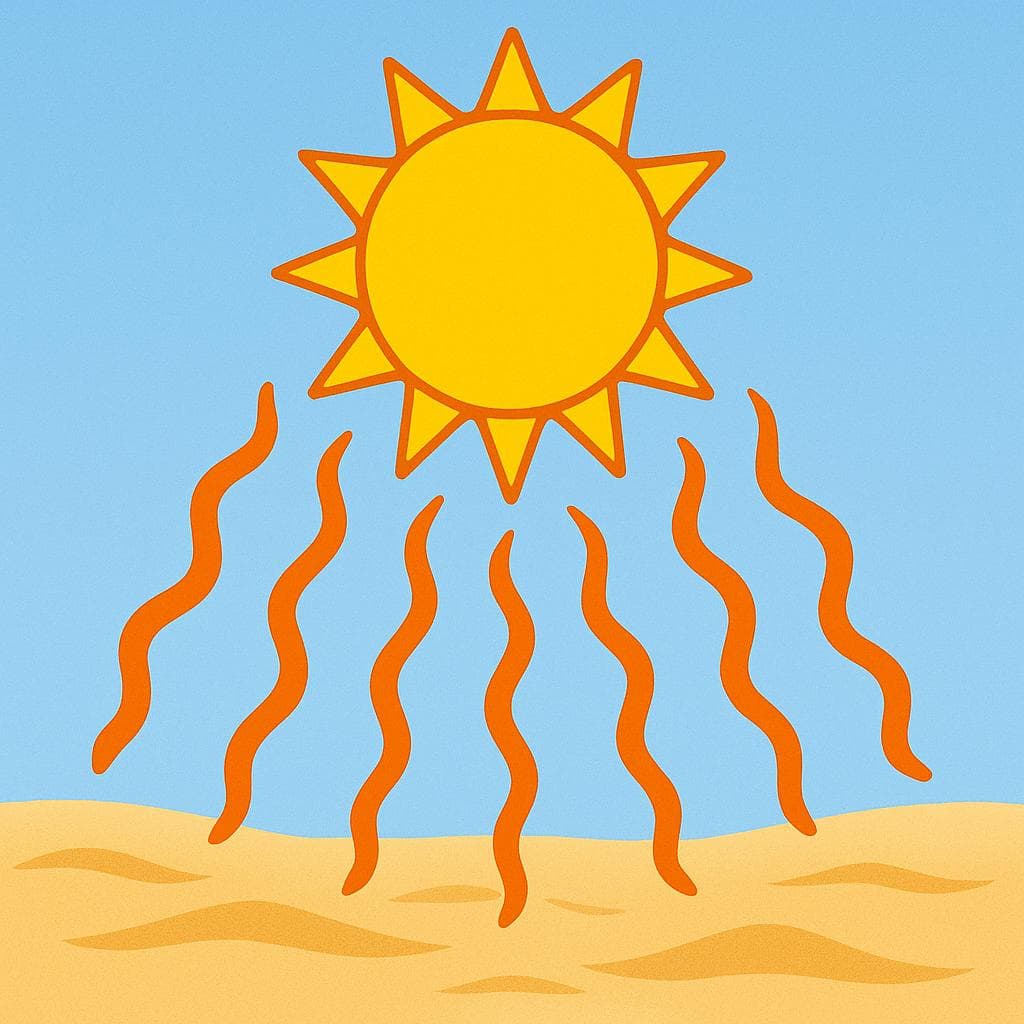
heat
“Hace mucho calor en verano aquí.”

hot
“Hoy es un día muy caluroso.”

climate
“El clima de Costa Rica es tropical y húmedo.”

clear
“El cielo está completamente despejado hoy, ¡qué maravilla!”

winter
“El invierno en Madrid es soleado, pero muy frío.”
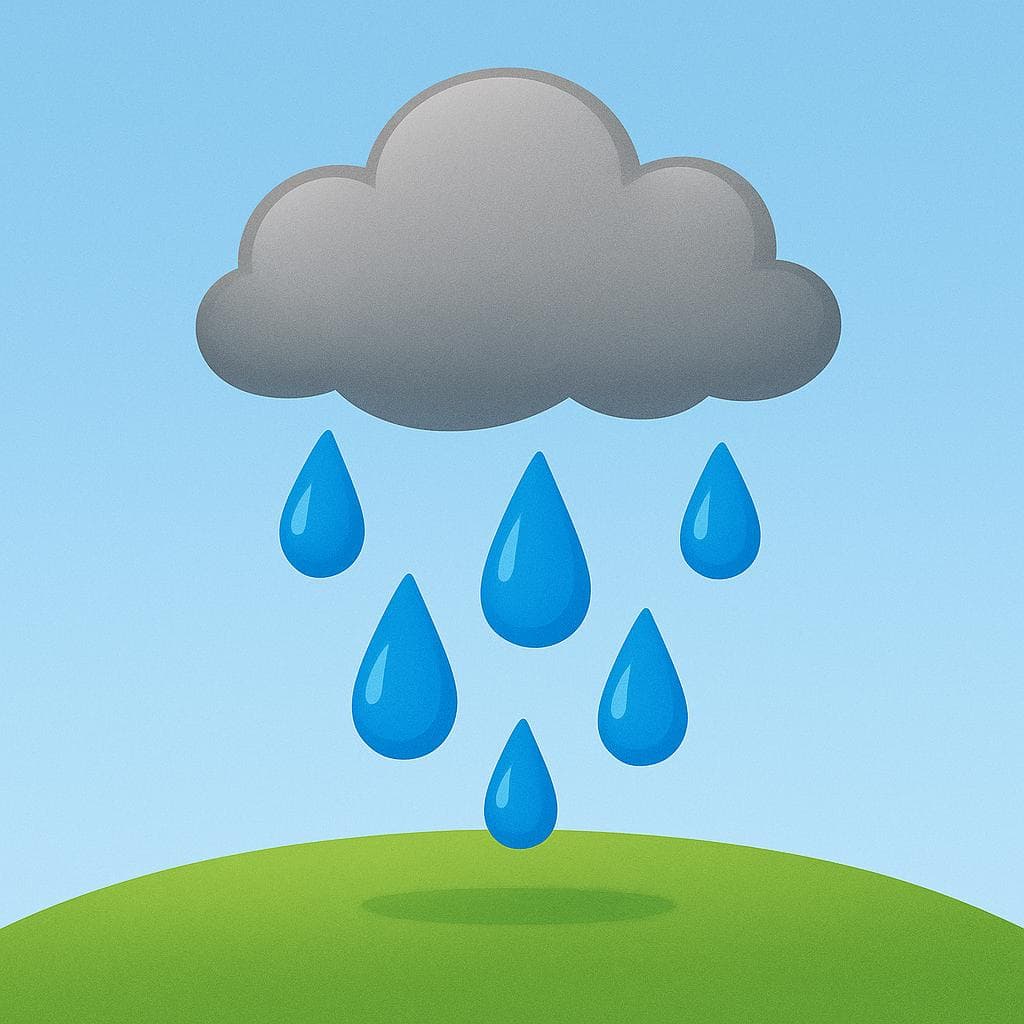
to rain
“Parece que va a llover esta tarde.”
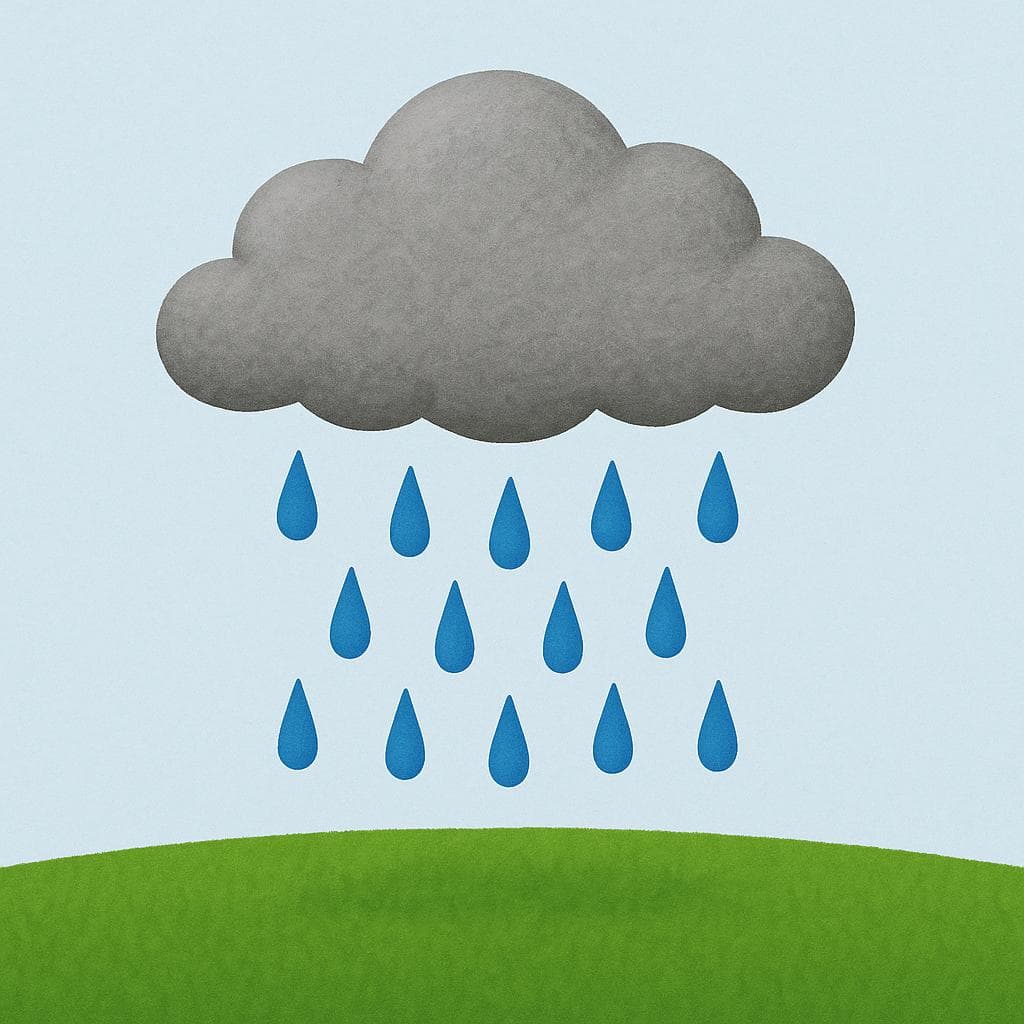
rain
“Necesitamos un paraguas porque la lluvia es muy fuerte hoy.”

snow
“Cayó mucha nieve anoche y no pudimos salir.”

cloud
“Hay muchas nubes grises hoy, creo que va a llover.”

clouds
“Hoy hay muchas nubes grises, creo que va a llover.”

umbrella
“Lleva el paraguas porque está lloviendo.”

sunny
“Hoy es un día muy soleado.”
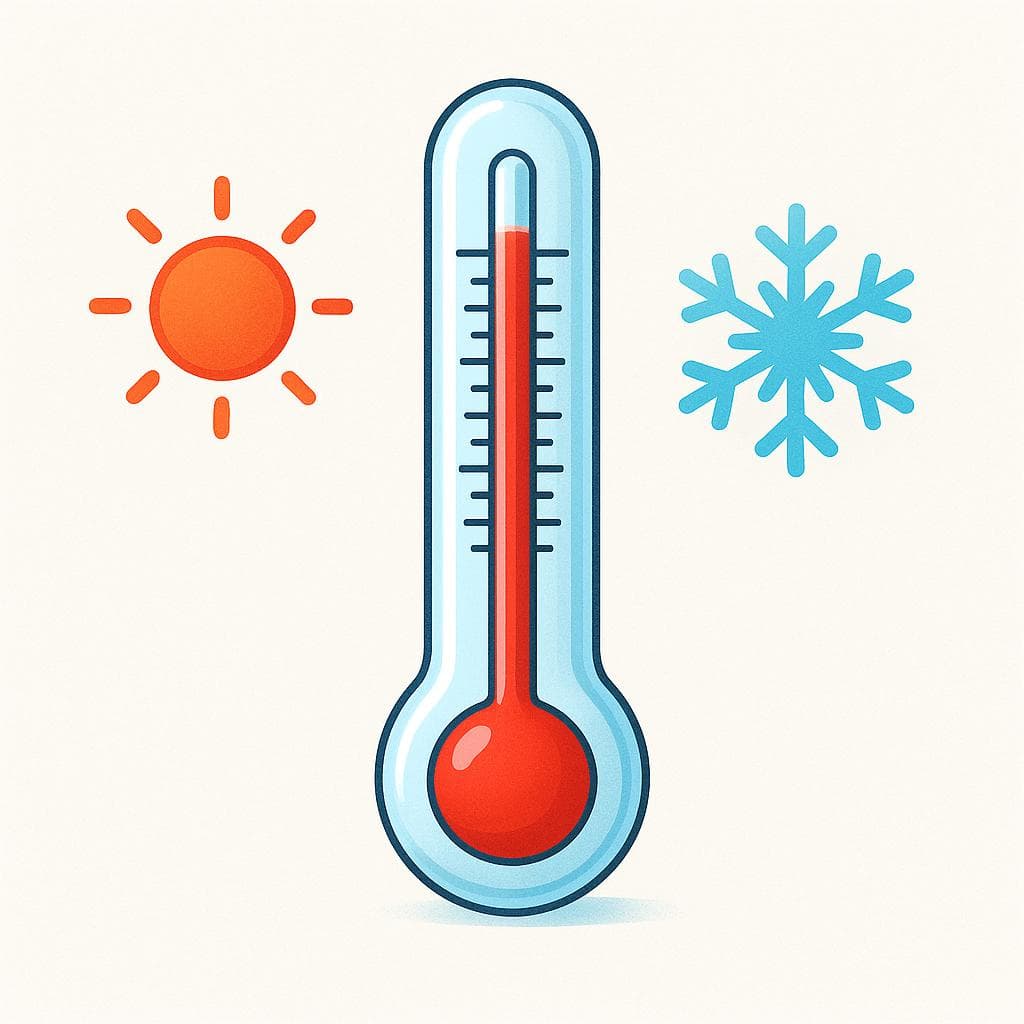
temperature
“La temperatura del agua está perfecta para nadar.”

time
“No tengo mucho tiempo libre.”
storm
“Tuvimos que cancelar el partido por la tormenta eléctrica.”

tropical
“Me encanta el clima tropical.”

wind
“El viento cerró la puerta de golpe.”

to snow
“Hoy va a nevar en las montañas.”
A2 — Elementary (16 words)

atmosphere
“La capa de ozono protege la atmósfera de la Tierra.”
warm
“Me encanta el clima cálido de esta isla.”
climatic
“El cambio climático es una preocupación global.”

damp
“La ropa todavía está húmeda.”

tide
“La marea sube por la mañana, así que hay que tener cuidado con las toallas.”

forecast
“El pronóstico del tiempo dice que va a llover esta tarde.”
lightning bolt
“Un rayo cayó sobre el árbol más alto del campo.”

mild
“Me gusta vivir en un lugar con clima templado.”

breeze
“Me encanta sentir la brisa marina en la cara.”

humidity
“Hay mucha humedad en el ambiente hoy.”

hurricane
“El huracán se acerca a la costa de México.”

flood
“La inundación destruyó muchas casas cerca del río.”

snowfall
“Hubo una nevada muy fuerte anoche.”

fog
“La niebla era tan espesa que tuvimos que conducir despacio.”
lightning
“Vi un relámpago increíble desde mi ventana.”

thunder
“El trueno me asustó anoche.”
B1 — Intermediate (8 words)

Levant wind
“Cuando sopla el levante, las playas de Cádiz están llenas de surfistas.”
precipitation
“Hay una alta probabilidad de precipitación para mañana.”

dew
“Me gusta caminar por la hierba llena de rocío.”

drought
“Muchos países están sufriendo una sequía severa.”
storm
“El temporal de lluvia y viento duró toda la noche.”

atmospheric
“La presión atmosférica está bajando rápidamente.”

frost
“La helada de anoche arruinó los cultivos de tomate.”
weather-related
“El informe meteorológico dice que va a nevar mañana.”
Grammar Tips
Gender Agreement with Weather
Many weather nouns are feminine (la tormenta, la lluvia, la nieve). Adjectives describing them must agree in gender and number. For example, 'la lluvia es fuerte' (the rain is heavy), not 'fuerte'. However, some nouns like 'el sol' (sun) and 'el viento' (wind) are masculine.
Using 'Hace' for Conditions
Spanish frequently uses the verb 'hacer' (to do/make) to describe weather conditions. Think 'hace sol' (it's sunny, literally 'it makes sun'), 'hace calor' (it's hot), 'hace frío' (it's cold). This is a common pattern you'll hear and want to use.
Temperature Expressions
While 'tener' can mean 'to have', it's used for temperature in a specific context: 'Tengo frío' (I am cold) or 'Tengo calor' (I am hot), referring to how you feel. For general conditions, use 'hace frío/calor' or 'está frío/caliente'.
Common Mistakes
Adjective Placement
Mistake: “El soleado día fue hermoso.”
Correction: El día soleado fue hermoso. — Adjectives like 'soleado' (sunny) generally follow the noun they describe in Spanish.
Using 'Ser' vs 'Estar'
Mistake: “El tiempo es caliente hoy.”
Correction: El tiempo está caliente hoy. — Use 'estar' for temporary weather conditions like temperature. 'Ser' is for more permanent characteristics.
Direct Translation of 'It's Raining'
Mistake: “Es lloviendo.”
Correction: Está lloviendo. — The progressive tense in Spanish for weather often uses 'estar' followed by the gerund, not 'ser'.
Cultural Notes
Regional Climate Variation
Spanish-speaking countries span incredibly diverse climates, from the arid Atacama Desert to the humid Amazon rainforest. Be aware that terms for weather phenomena might be more common or have different nuances depending on the region. For instance, 'chubasco' (shower) is common in Spain, while 'aguacero' might be more frequent in parts of Latin America.
Describing 'Calor'
While 'calor' is the general word for heat, Spanish speakers might use 'sofocante' for suffocating heat or 'bochornoso' for muggy, humid heat, especially in tropical or subtropical regions. The intensity and type of heat are often described with specific adjectives.