helada
“helada” means “frost” in Spanish. It has 2 different meanings depending on context:

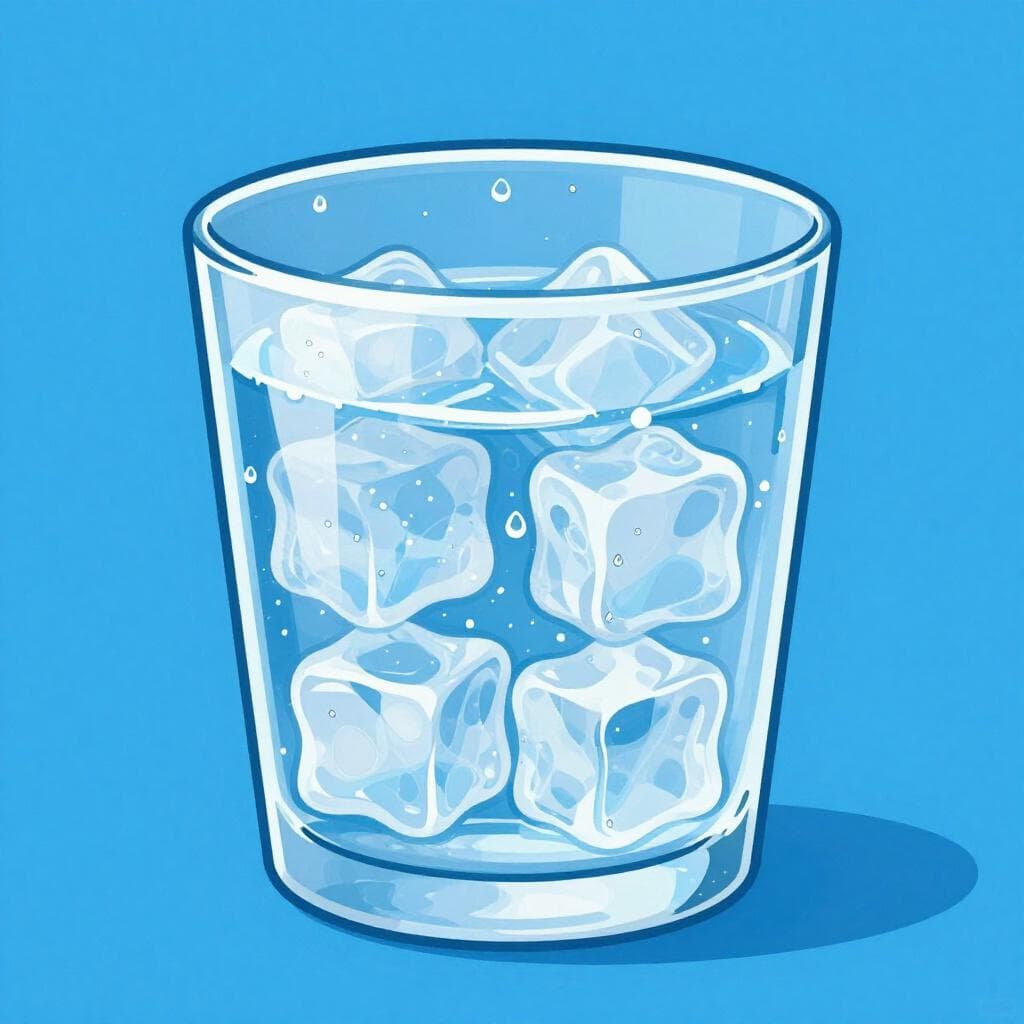
frost
Also: freeze
📝 In Action
La helada de anoche arruinó los cultivos de tomate.
B1Last night's frost ruined the tomato crops.
Se espera una fuerte helada para este fin de semana.
B1A heavy freeze is expected for this weekend.
ice-cold, frozen
Also: chilled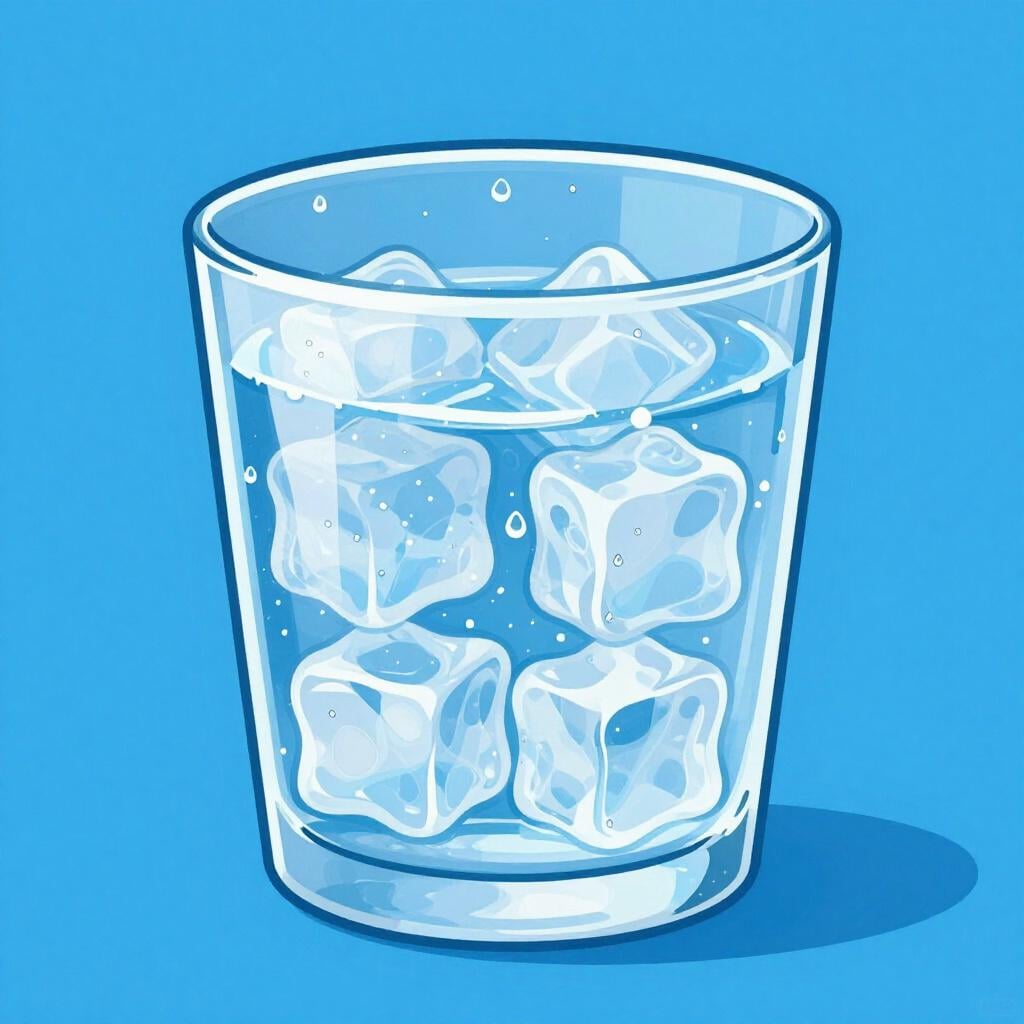
📝 In Action
Me gusta la cerveza bien helada.
A2I like my beer very ice-cold.
Tengo la mano helada por la nieve.
A1My hand is freezing cold because of the snow.
✏️ Quick Practice
Quick Quiz: helada
Question 1 of 2
How would you say 'the soup is ice-cold' in Spanish?
📚 More Resources
👥 Word Family▼
📚 Etymology▼
Comes from the Spanish verb 'helar' (to freeze), which originates from the Latin word 'gelāre'. It shares the same root as the English word 'gelid' and 'gelatin'.
First recorded: 13th century
Cognates (Related words)
💡 Master Spanish
Take your Spanish to the next level. Read 200+ illustrated and narrated Spanish stories tailored to your level with the Inklingo app!
Frequently Asked Questions
Is 'helada' the same as 'hielo'?
Not exactly. 'Hielo' is the physical substance of ice. 'Helada' refers to the event of freezing (frost) or is a word used to describe something as being very cold.
Can I use 'helada' to mean ice cream?
No. Even if the ice cream is for a girl, the food item 'ice cream' is always 'el helado' (masculine). 'Helada' only describes things or refers to frost.