humedad
“humedad” means “humidity” in Spanish. It has 2 different meanings depending on context:

humidity
Also: moisture
📝 In Action
Hay mucha humedad en el ambiente hoy.
A2There is a lot of humidity in the air today.
La humedad de la selva es difícil de aguantar.
B1The humidity of the jungle is hard to bear.
Demasiada humedad puede dañar los libros antiguos.
B2Too much moisture can damage old books.
dampness
Also: damp spot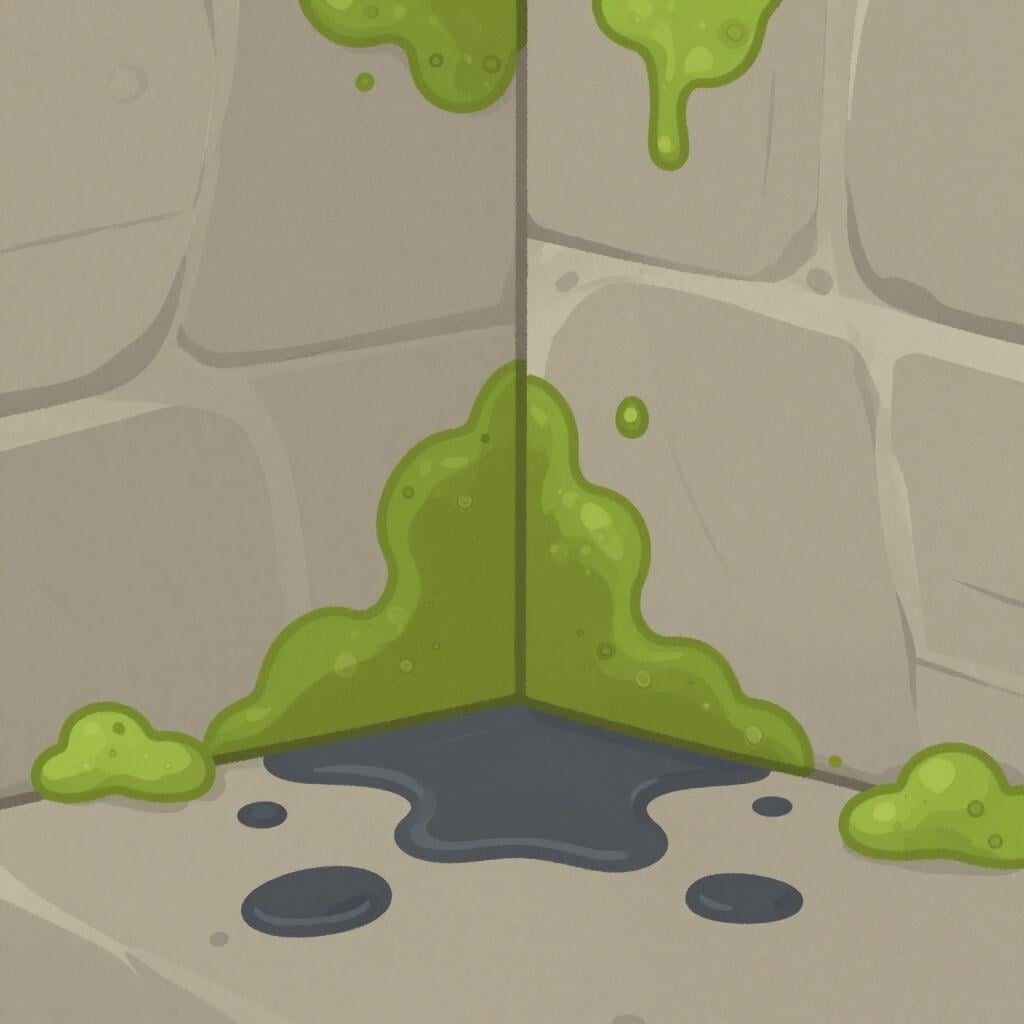
📝 In Action
Ha salido una humedad en el techo del baño.
B1A damp spot has appeared on the bathroom ceiling.
Este apartamento tiene muchos problemas de humedad.
B1This apartment has many dampness problems.
Tenemos que arreglar las humedades antes de pintar.
B2We have to fix the damp spots before painting.
Translate to Spanish
✏️ Quick Practice
Quick Quiz: humedad
Question 1 of 3
Which of these is the correct way to say 'the humidity'?
📚 More Resources
👥 Word Family▼
📚 Etymology▼
From the Latin word 'humiditas,' which comes from 'humidus' (moist). It shares the same root as the English word 'humid'.
First recorded: 13th century
Cognates (Related words)
💡 Master Spanish
Take your Spanish to the next level. Read 200+ illustrated and narrated Spanish stories tailored to your level with the Inklingo app!
Frequently Asked Questions
Is 'humedad' used for 'wetness' on clothes?
Usually, for clothes, we use 'mojado' (wet). 'Humedad' is more for the atmospheric state or structural dampness. However, if clothes feel slightly damp/not fully dry, you could say they have 'humedad' or are 'húmedas'.
How do I say 'it's humid' as an adjective?
You use 'está húmedo' (it is humid/damp). For example: 'El clima está húmedo'.
What's the difference between 'humedad' and 'mojado'?
'Humedad' is the noun (humidity/moisture). 'Mojado' is the adjective (wet). You use 'humedad' to talk about the concept and 'mojado' to describe something soaked in water.