sequía
“sequía” means “drought” in Spanish. It has 2 different meanings depending on context:
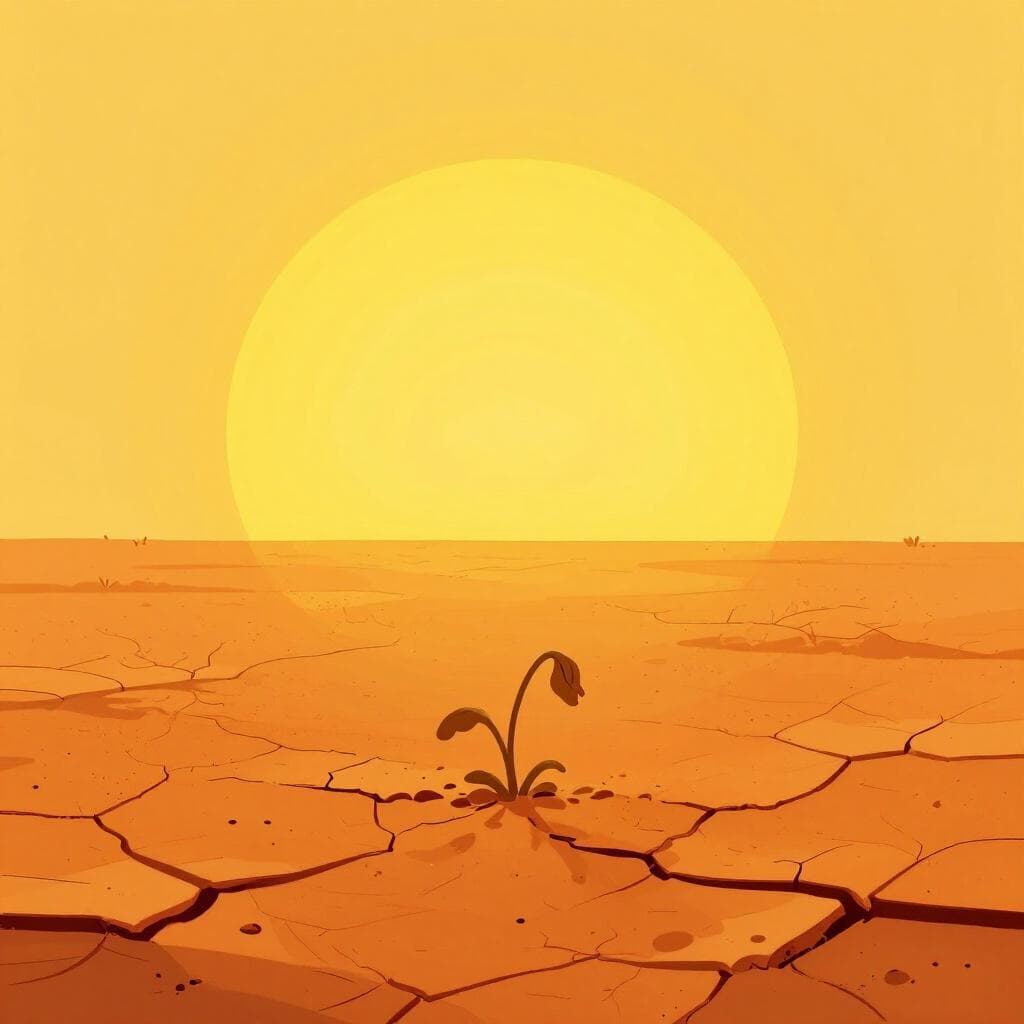
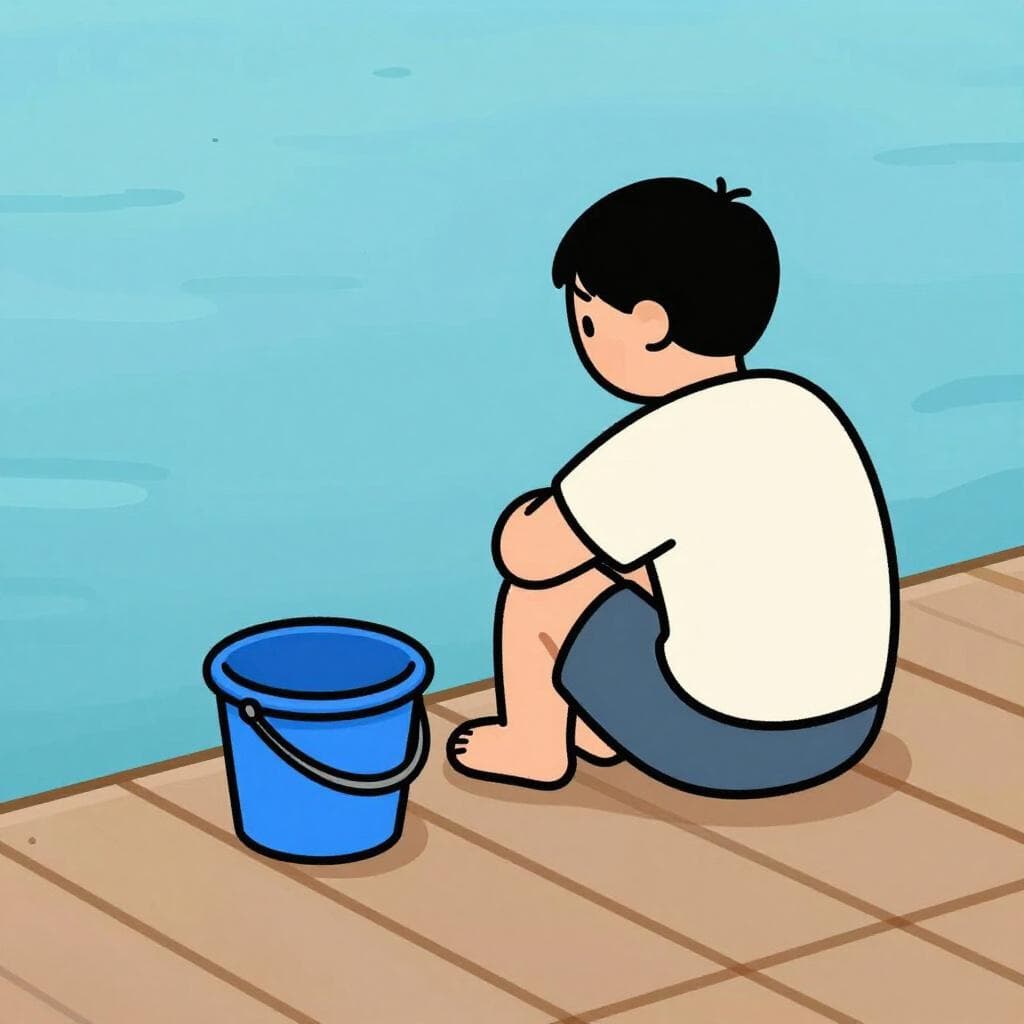
droughtAlso: dryness
📝 In Action
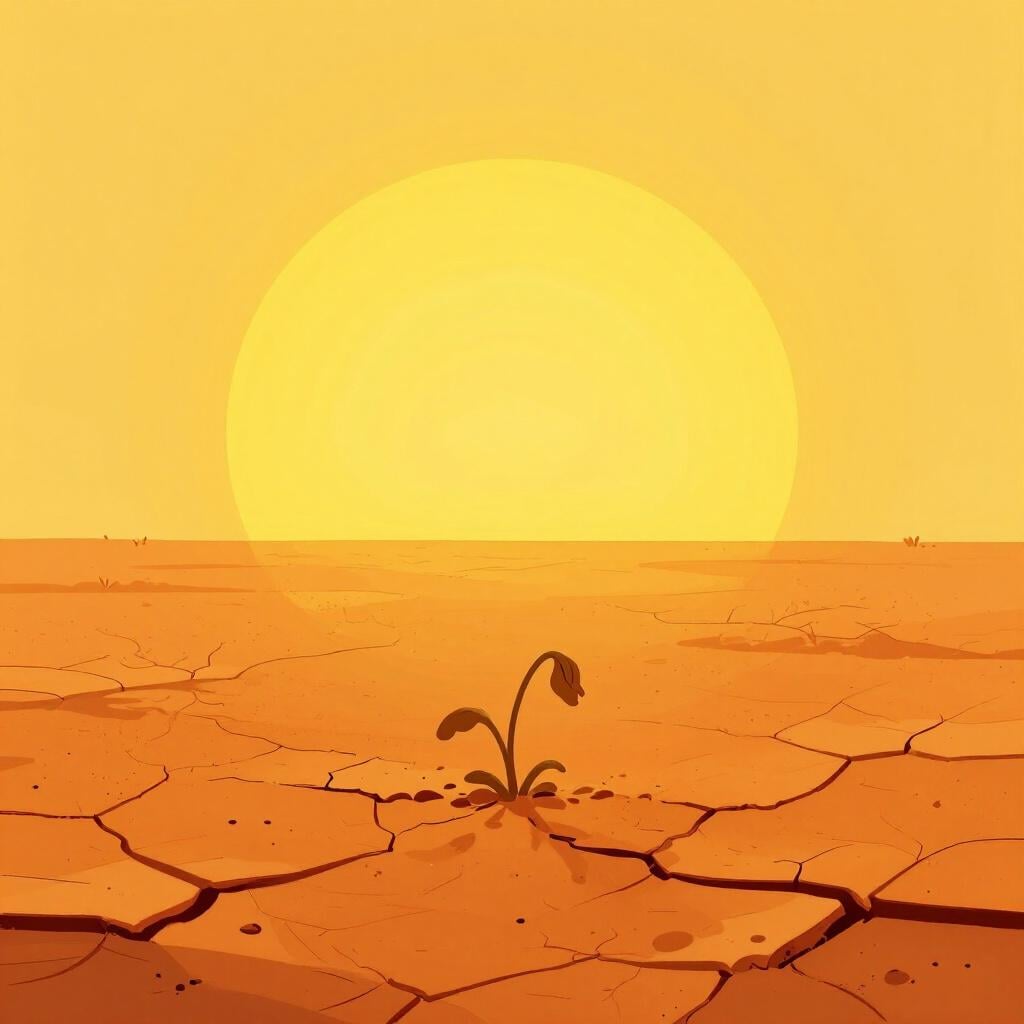
Muchos países están sufriendo una sequía severa.
A2Many countries are suffering from a severe drought.
Las plantas se murieron debido a la sequía prolongada.
B1The plants died due to the prolonged drought.
El gobierno anunció medidas para combatir los efectos de la sequía.
B2The government announced measures to combat the effects of the drought.
Word Connections
dry spellAlso: shortage
📝 In Action
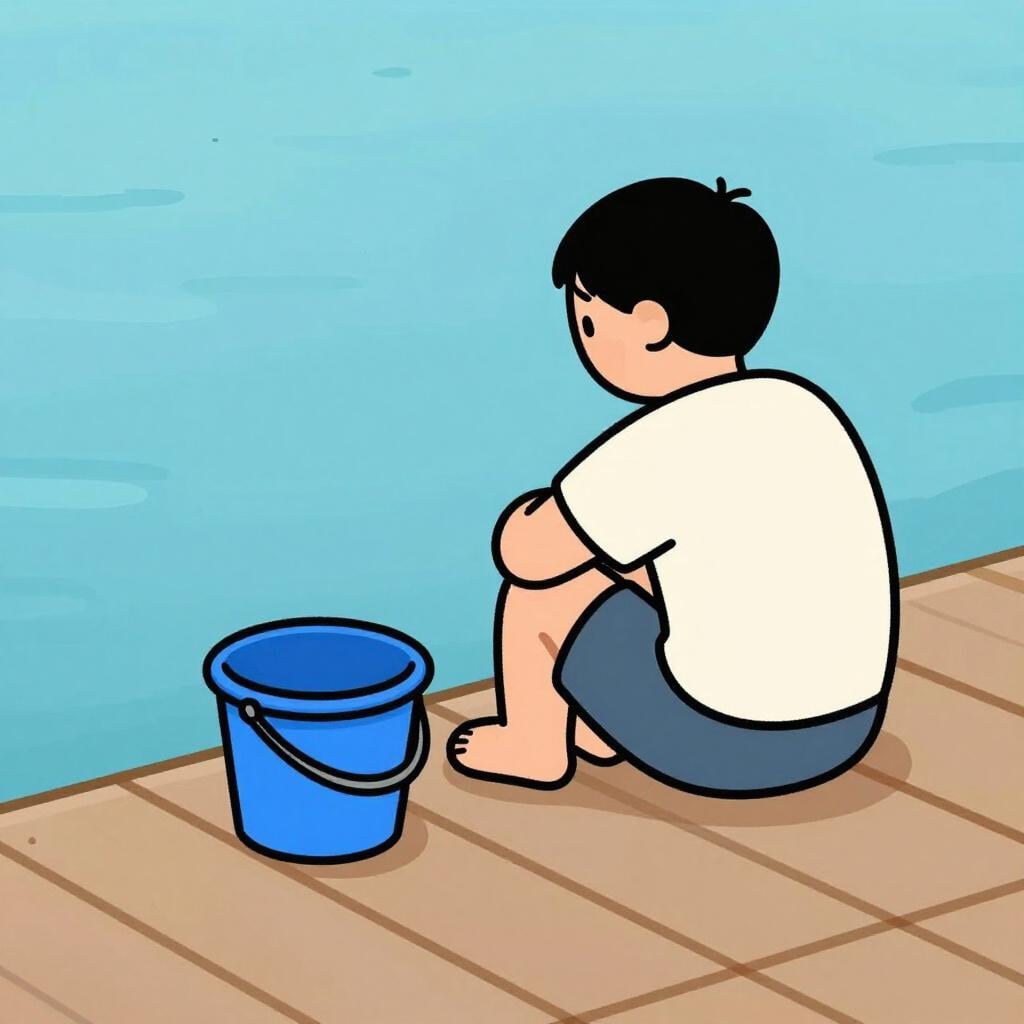
El delantero rompió su sequía de goles ayer.
B2The forward broke his goal drought yesterday.
La empresa atraviesa una sequía de ideas innovadoras.
C1The company is going through a dry spell of innovative ideas.
Llevo una sequía de victorias en este juego.
B1I'm on a losing streak (a drought of victories) in this game.
Word Connections
✏️ Quick Practice
Quick Quiz: sequía
Question 1 of 3
Which of these sentences correctly uses 'sequía'?
📚 More Resources
👥 Word Family
🎵 Rhymes
📚 Etymology
From the Latin word 'siccus', which simply means 'dry'. This root is the same one used for 'seco' and 'secar'.
First recorded: 13th century
Cognates (Related words)
💡 Master Spanish
Take your Spanish to the next level. Read 200+ illustrated and narrated Spanish stories tailored to your level with the Inklingo app!
Frequently Asked Questions
Is 'sequía' only used for weather?
No! While it's most common in weather, it's used figuratively for any situation where there is a lack of something, like money, ideas, or goals in sports.
What's the difference between 'sequedad' and 'sequía'?
'Sequedad' describes the quality of being dry (like dry skin), while 'sequía' refers to a specific period or event of extreme dryness or lack of rain.
Is it 'el sequía' or 'la sequía'?
It is always 'la sequía'. It is a feminine noun.