secar
“secar” means “to dry” in Spanish. It has 2 different meanings depending on context:

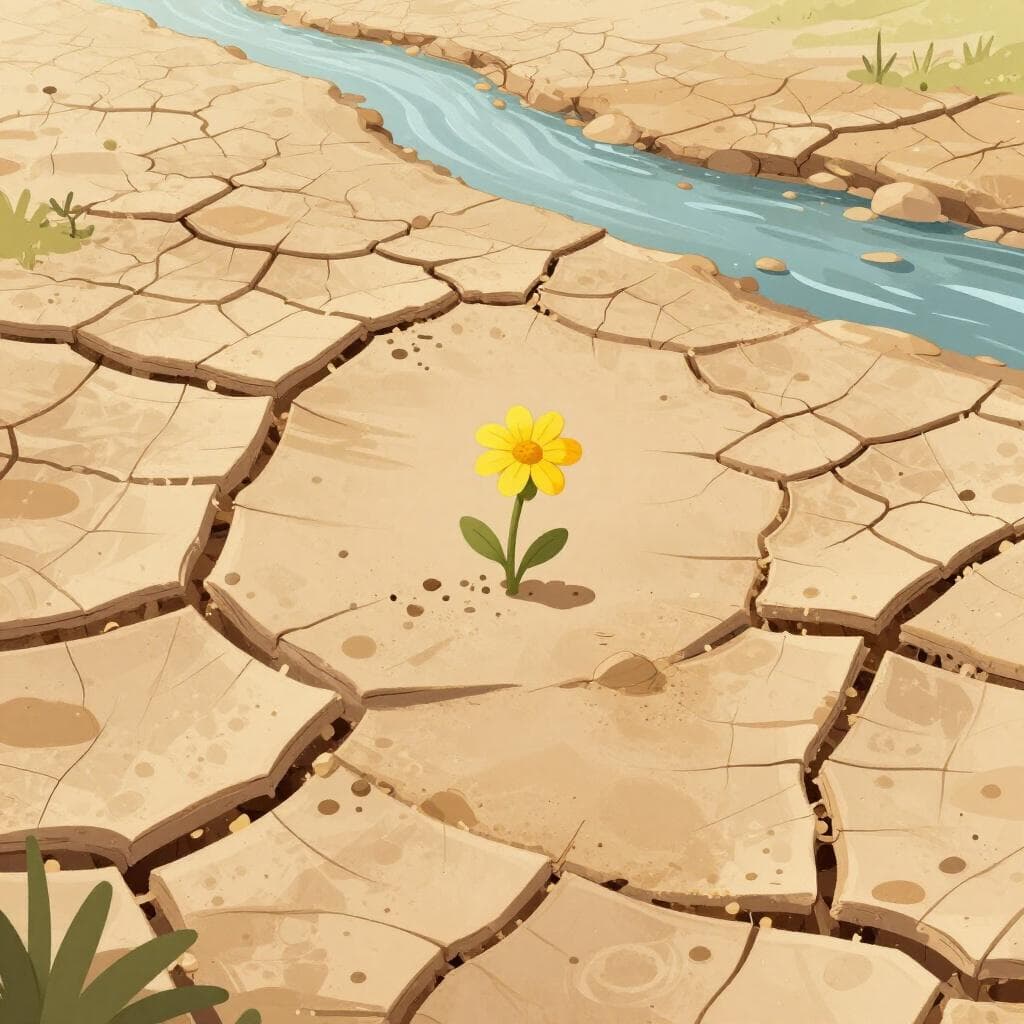
to dry
Also: to wipe dry, to drain
📝 In Action
Necesito una toalla para secar los platos.
A1I need a towel to dry the dishes.
El sol ayuda a secar la ropa muy rápido.
A2The sun helps to dry the clothes very quickly.
Ella usó un pañuelo para secar sus lágrimas.
B1She used a tissue to dry her tears.
to dry up
Also: to wither, to parch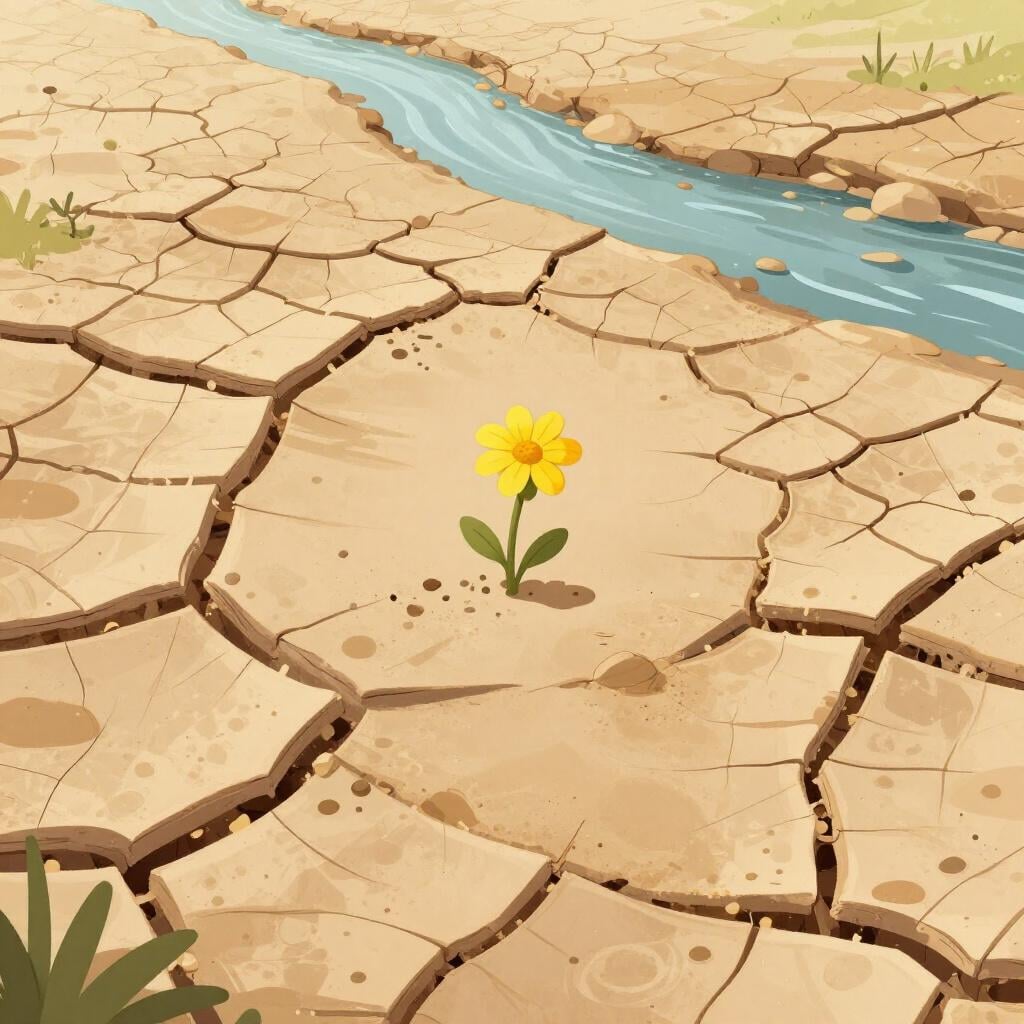
📝 In Action
La sequía puede secar los pozos de la región.
B1The drought can dry up the wells in the region.
El fuerte calor secó las plantas del jardín.
B2The strong heat withered the plants in the garden.
Subjunctive
Imperfect Subjunctive
Present Subjunctive
Indicative
Preterite
Imperfect
Present
Translate to Spanish
✏️ Quick Practice
Quick Quiz: secar
Question 1 of 3
How do you say 'I dried' in the past tense?
📚 More Resources
👥 Word Family▼
📚 Etymology▼
From the Latin word 'siccare', which also means 'to dry'. This comes from the root 'siccus' (dry).
First recorded: 12th century
Cognates (Related words)
💡 Master Spanish
Take your Spanish to the next level. Read 200+ illustrated and narrated Spanish stories tailored to your level with the Inklingo app!
Frequently Asked Questions
Is 'secar' regular or irregular?
It is mostly regular, but it has a spelling change (c to qu) in the 'yo' form of the past tense and in all forms of the special 'wish/command' form (subjunctive). This isn't a change in how it sounds, just how it's written!
What's the difference between 'secar' and 'secarse'?
Use 'secar' when you dry something else (like dishes or a dog). Use 'secarse' (the reflexive version) when you are drying yourself after a shower.
Can 'secar' mean to annoy someone?
In some slang contexts, especially in parts of the Caribbean or Southern Cone, 'secar' can mean to bore or annoy someone deeply (like 'drying out' their patience), but this is very informal.