How to Say "to drain" in Spanish
The most common Spanish word for “to drain” is “secar” — use this verb when you want to remove water or moisture from a surface, container, or area, like drying dishes or a wet floor.




secar
seh-KAHRseˈkaɾ

Examples
Necesito una toalla para secar los platos.
I need a towel to dry the dishes.
El sol ayuda a secar la ropa muy rápido.
The sun helps to dry the clothes very quickly.
Ella usó un pañuelo para secar sus lágrimas.
She used a tissue to dry her tears.
The 'C' to 'QU' Spelling Swap
When 'secar' is used in the past tense (Preterite) for 'yo', the 'c' changes to 'qu' (sequé). This is done just to keep the hard 'K' sound, because 'secé' would sound like 'seh-SAY'.
Action on Objects
Use 'secar' when you are the one doing the drying to an object (like a table or a dog). If you are drying your own body, you usually add a reflexive word (secarse), though the action is the same.
The 'Yo' Spelling Error
Mistake: “Yo secé los platos.”
Correction: Yo sequé los platos. (Remember to use 'qu' to keep the hard 'k' sound!)
escurrir
es-koo-reereskuˈriɾ
Examples
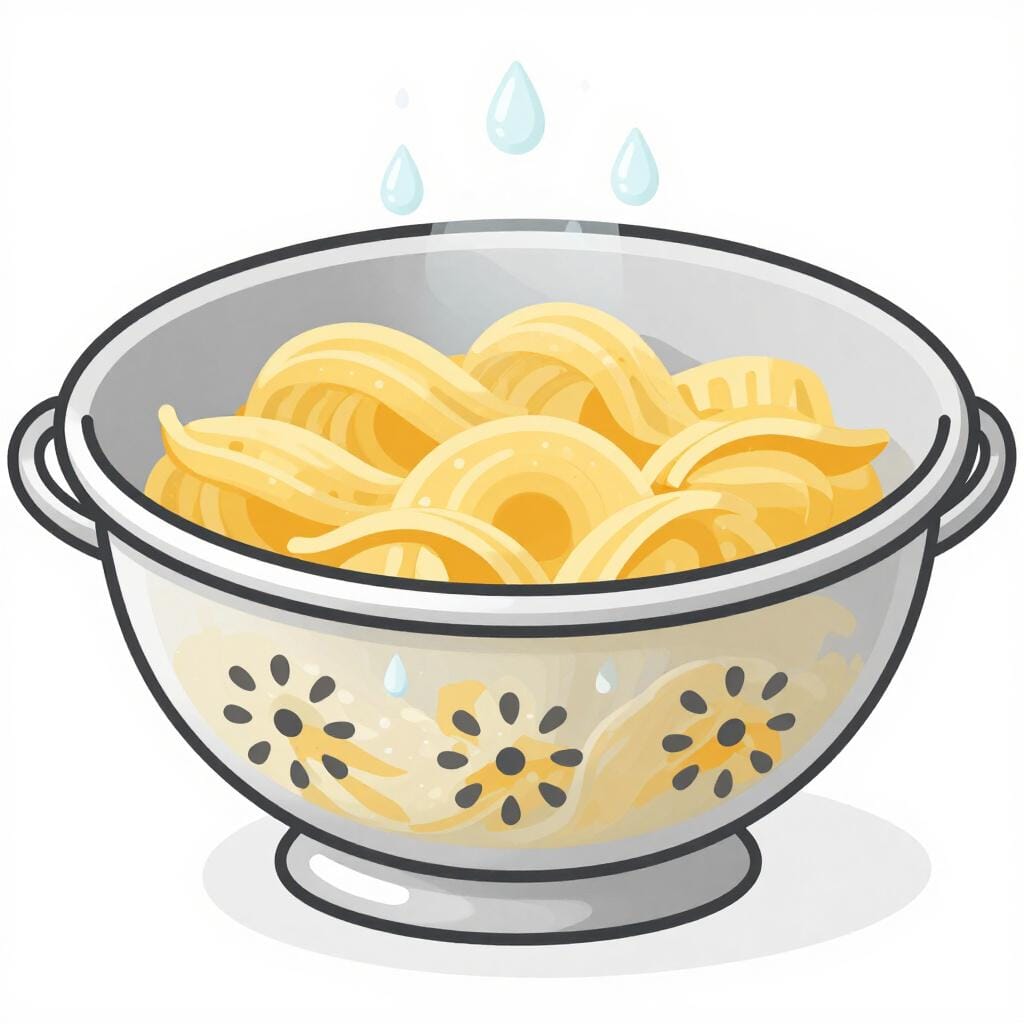
Tienes que escurrir la pasta antes de servirla.
You have to drain the pasta before serving it.
Deja escurrir los platos sobre el fregadero.
Let the dishes drip dry over the sink.
El paraguas está escurriendo agua por todo el pasillo.
The umbrella is dripping water all over the hallway.
Action vs. Result
Use 'escurrir' when you are actively removing water (like with a colander) or when an object is naturally losing its water.
Escurrir vs. Escuchar
Mistake: “Escucha la pasta.”
Correction: Escurre la pasta. 'Escuchar' means 'to listen,' but they sound similar to beginners!
agotar
ah-go-TARaɣoˈtaɾ

Examples
Hemos agotado las reservas de agua.
We have used up the water reserves.
Las entradas para el concierto se agotaron en minutos.
The tickets for the concert sold out in minutes.
No agotes tus ahorros en un solo viaje.
Don't drain your savings on a single trip.
Reflexive for 'Selling Out'
When talking about shops running out of things, we often use the reflexive 'se': 'Las entradas SE agotaron' (The tickets sold out/exhausted themselves).
Using 'agotar' for people running out of items
Mistake: “Saying 'Yo agoté la leche'.”
Correction: Usually, Spanish speakers say 'Se me acabó la leche'. Use 'agotar' more for resources or when the item itself is gone from a store.
apurar
ah-poo-RAHRapuˈɾaɾ

Examples
Apuró su copa de vino antes de salir.
He finished his glass of wine to the last drop before leaving.
Hemos apurado todas nuestras opciones legales.
We have exhausted all of our legal options.
No apures mi paciencia, por favor.
Don't push my patience to the limit, please.
Transitive Use
In this sense, 'apurar' is always used with an object (the thing being finished or drained).
desangrar
deh-san-GRARdesanˈɡɾaɾ

Examples
El cirujano tuvo que desangrar la zona para operar.
The surgeon had to drain the blood from the area to operate.
Si no paramos la herida, se va a desangrar.
If we don't stop the wound, he is going to bleed out.
La víctima se estaba desangrando rápidamente.
The victim was bleeding out rapidly.
La guerra está desangrando la economía del país.
The war is bleeding the country's economy dry.
Using 'se' for 'bleeding out'
If you are talking about someone losing their own blood until they are empty, use 'desangrarse' (adding a reflexive pronoun like 'me', 'te', or 'se').
Figurative Direct Objects
When using this figuratively, the thing being drained (like 'the economy' or 'the company') is the direct object—the thing the verb happens to.
Don't confuse with 'sangrar'
Mistake: “Me estoy desangrando un poquito.”
Correction: Me sale un poquito de sangre / Estoy sangrando un poquito.
Overusing in Casual Situations
Mistake: “Este café me desangró.”
Correction: Este café me costó un ojo de la cara.
sangrar
san-GRARsaŋˈɡɾaɾ

Examples
Esa empresa está sangrando a sus clientes con tantas comisiones.
That company is bleeding its customers dry with so many fees.
Los impuestos me están sangrando este mes.
Taxes are draining me dry this month.
Object of the action
When you 'bleed someone dry' in Spanish, you use the person as the direct recipient: 'Sangrar a alguien'.
Literal vs. Figurative Draining
Related Translations
Learn Spanish with Inklingo
Interactive stories, personalized learning, and more.