How to Say "to wither" in Spanish
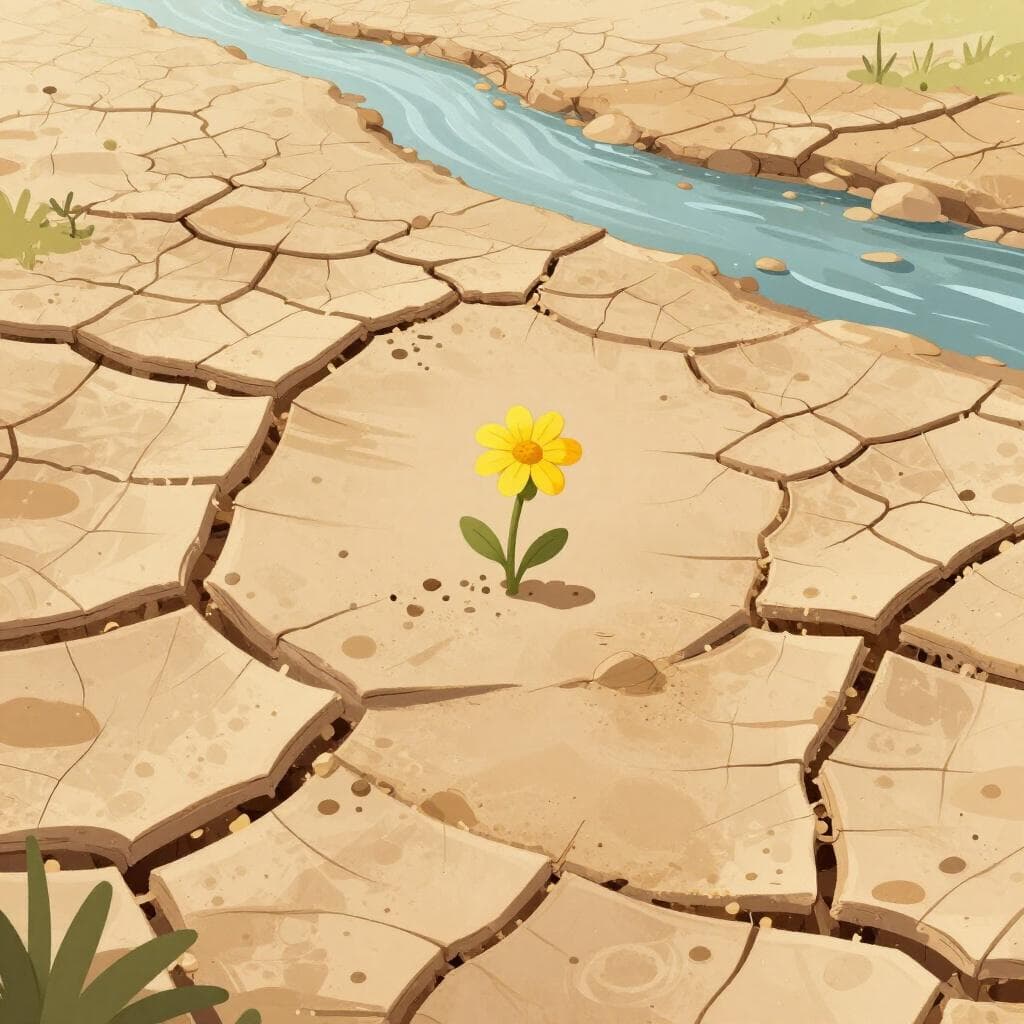
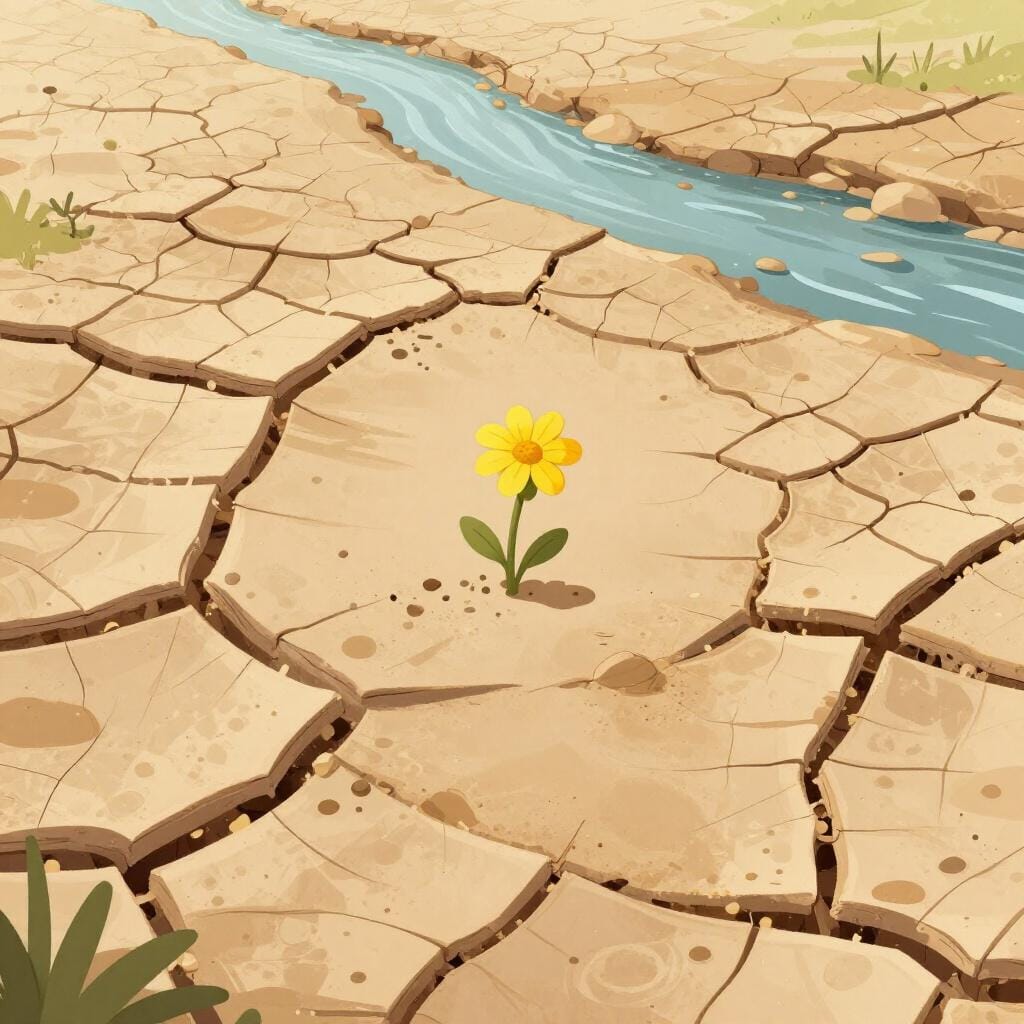
The most common Spanish word for “to wither” is “secar” — use 'secar' when referring to plants or vegetation losing moisture and dying due to lack of water or extreme heat.
seh-KAHRseˈkaɾ
Examples
Las plantas del jardín se van a secar si no las riego pronto.
The garden plants are going to wither if I don't water them soon.
La sequía puede secar los pozos de la región.
The drought can dry up the wells in the region.
El fuerte calor secó las plantas del jardín.
The strong heat withered the plants in the garden.
Intransitive vs Transitive
In nature, if a river dries up on its own, you might see it used as 'secarse'. But if the heat dries the river, 'secar' is the action the heat performs.
ah-HARaˈxaɾ

Examples
Los viejos documentos empezaron a ajar con el paso de los años.
The old documents began to wither with the passing of the years.
Ten cuidado con ese libro antiguo, no vayas a ajar sus páginas.
Be careful with that old book; don't wear out its pages.
El tiempo terminó por ajar la frescura de su rostro.
Time eventually withered the freshness of her face.
No dejes la ropa amontonada así o se va a ajar toda.
Don't leave the clothes piled up like that or they will all get rumpled.
Using the Past Participle
You will most often see the word as 'ajado' (worn out), which acts like an adjective to describe something that has lost its shine or freshness.
Ajar vs. Marchitar
While both mean 'to wither,' use 'marchitar' for flowers and 'ajar' for fabrics, paper, or more general descriptions of a person's appearance looking tired.
Confusing with Alejar
Mistake: “No quiero ajarme de ti.”
Correction: No quiero alejarme de ti (I don't want to move away from you). 'Ajar' means to wear out, 'alejar' means to distance.
Don't Use 'secar' for Fading Beauty
Learners often use 'secar' for anything that is fading or deteriorating. Remember that 'secar' specifically relates to drying out, usually plants. For non-plant related fading, 'ajar' is the more appropriate choice.
Related Translations
Learn Spanish with Inklingo
Interactive stories, personalized learning, and more.