ajar
“ajar” means “to wear out” in Spanish. It has 2 different meanings depending on context:
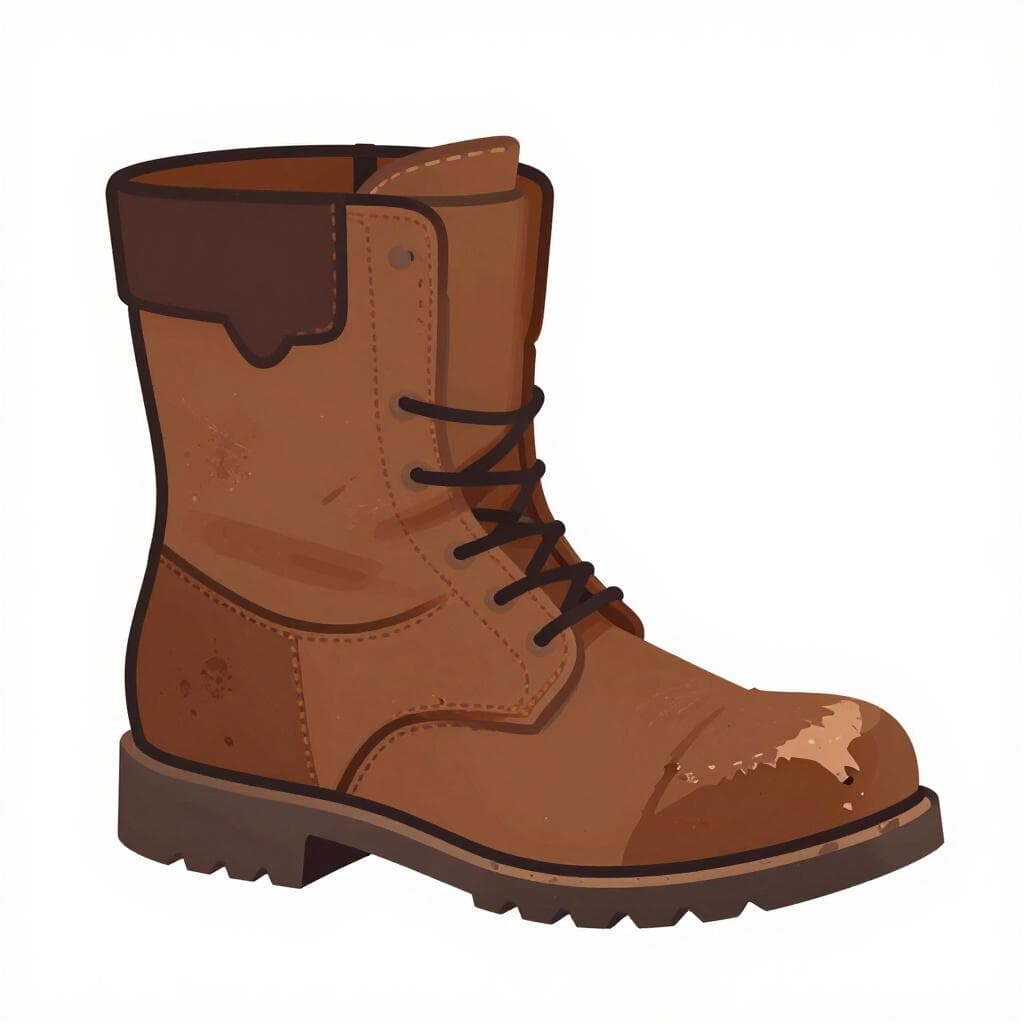

to wear out, to rumple
Also: to wither, to mistreat
📝 In Action
Ten cuidado con ese libro antiguo, no vayas a ajar sus páginas.
B1Be careful with that old book; don't wear out its pages.
El tiempo terminó por ajar la frescura de su rostro.
B2Time eventually withered the freshness of her face.
No dejes la ropa amontonada así o se va a ajar toda.
C1Don't leave the clothes piled up like that or they will all get rumpled.
garlic field

📝 In Action
El agricultor pasó la mañana trabajando en el ajar.
C2The farmer spent the morning working in the garlic field.
Este terreno es un ajar excelente por la calidad del suelo.
C2This land is an excellent garlic patch because of the soil quality.
El olor del ajar se sentía desde la carretera.
C2The smell of the garlic field could be smelled from the road.
Subjunctive
Imperfect Subjunctive
Present Subjunctive
Indicative
Preterite
Imperfect
Present
Translate to Spanish
✏️ Quick Practice
Quick Quiz: ajar
Question 1 of 3
Which sentence uses 'ajar' as a noun?
📚 More Resources
👥 Word Family▼
📚 Etymology▼
The verb comes from Old Spanish, potentially related to 'haja' (rag or strip). The noun is derived from 'ajo' (garlic), from the Latin 'allium'.
First recorded: 13th century (verb)
💡 Master Spanish
Take your Spanish to the next level. Read 200+ illustrated and narrated Spanish stories tailored to your level with the Inklingo app!
Frequently Asked Questions
Is 'ajar' a common word?
It is moderately common in writing and formal speech, especially when talking about how things look old or how skin/fabric is affected by time.
Is it the same as 'arrugar'?
They are similar, but 'arrugar' specifically means to wrinkle. 'Ajar' is broader; it means something looks generally 'beaten up,' worn out, or has lost its fresh quality.
Does it have anything to do with garlic?
Only if used as a noun meaning a garlic field. The verb meaning 'to wear out' is completely unrelated in meaning.