How to Say "to parch" in Spanish
The most common Spanish word for “to parch” is “asar” — use 'asar' when referring to dry-roasting or toasting items like coffee beans or seeds over heat.

ah-SAHRaˈsaɾ

Examples
Vamos a asar las semillas de calabaza para la merienda.
We are going to toast the pumpkin seeds for a snack.
Mañana vamos a asar un pollo para la cena.
Tomorrow we are going to roast a chicken for dinner.
Me gusta asar las verduras con un poco de aceite.
I like to grill the vegetables with a bit of oil.
Si hace buen tiempo, asaremos la carne afuera.
If the weather is good, we will grill the meat outside.
Cooking Method Matters
Use 'asar' for high-heat cooking like roasting meat or grilling. For general baking of bread or cakes, use 'hornear' instead.
Regular Verb Pattern
This verb follows the standard pattern for verbs ending in -ar, so once you know the rule, it's easy to conjugate in any tense.
Roasting vs. Baking
Mistake: “Voy a asar un pastel.”
Correction: Voy a hornear un pastel. (You 'hornear' sweets and bread, but 'asar' meat and veggies).
seh-KAHRseˈkaɾ
Examples
El sol intenso puede secar la ropa muy rápido.
The intense sun can dry the clothes very quickly.
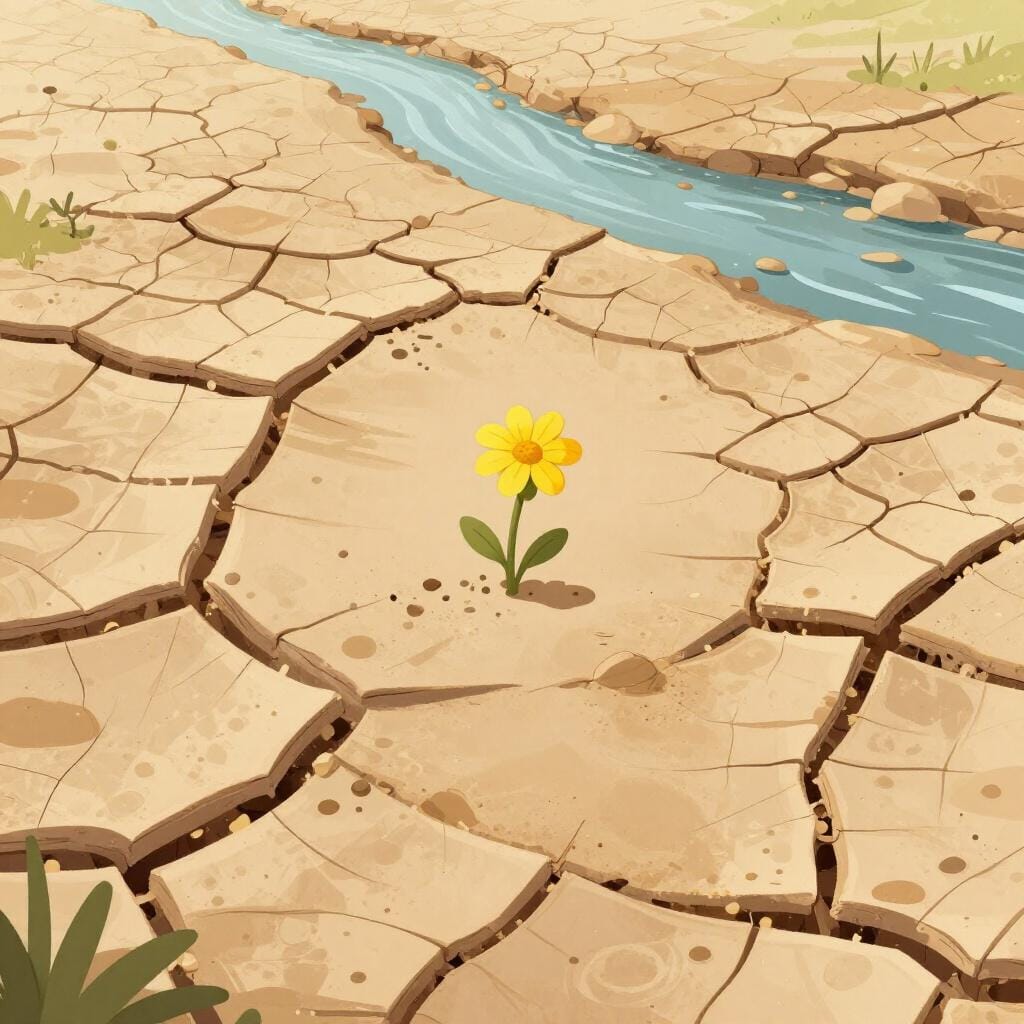
La sequía puede secar los pozos de la región.
The drought can dry up the wells in the region.
El fuerte calor secó las plantas del jardín.
The strong heat withered the plants in the garden.
Intransitive vs Transitive
In nature, if a river dries up on its own, you might see it used as 'secarse'. But if the heat dries the river, 'secar' is the action the heat performs.
Dryness vs. Roasting
Learners often confuse 'asar' (roast) with 'secar' (dry). Remember that 'asar' implies applying heat to cook or toast something, like coffee beans. 'Secar' simply means to become dry, often due to environmental conditions.
Related Translations
Learn Spanish with Inklingo
Interactive stories, personalized learning, and more.