regar
“regar” means “to water” in Spanish. It has 3 different meanings depending on context:
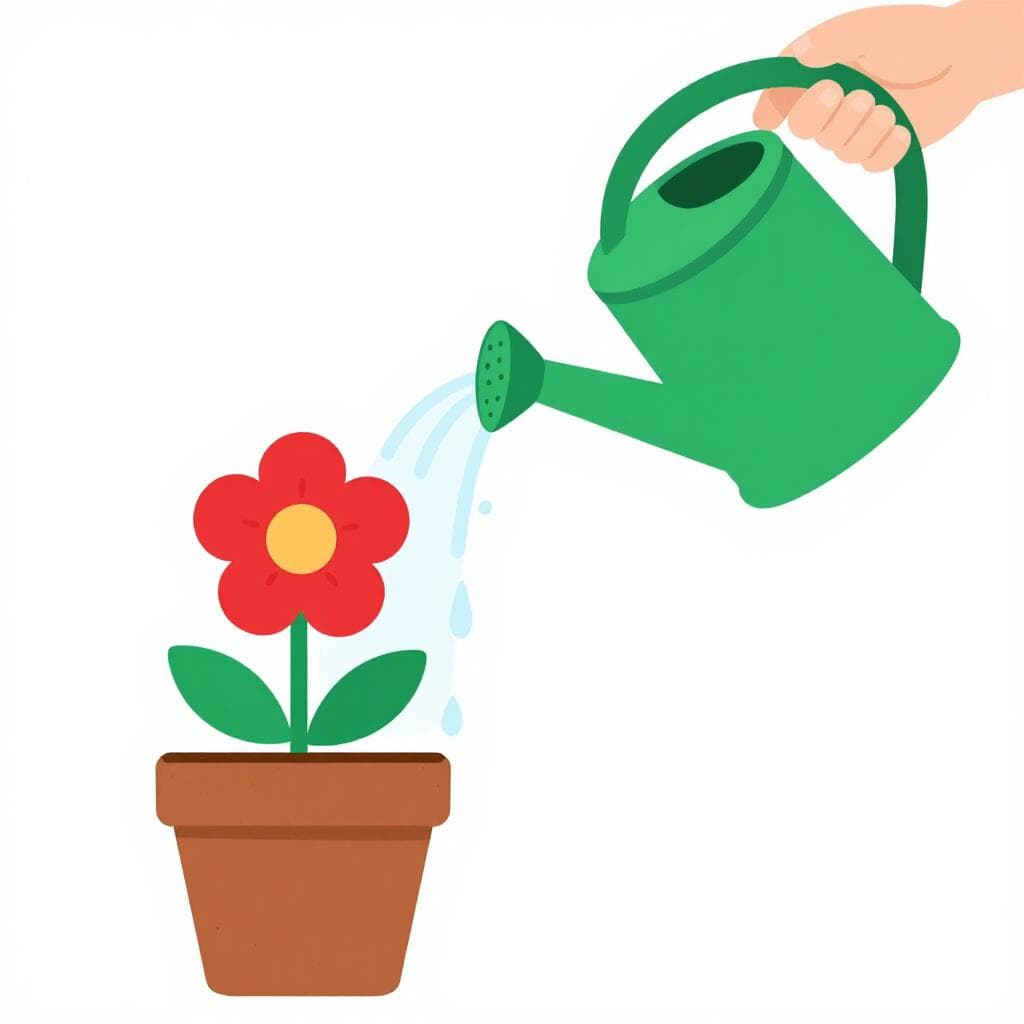

to water
Also: to irrigate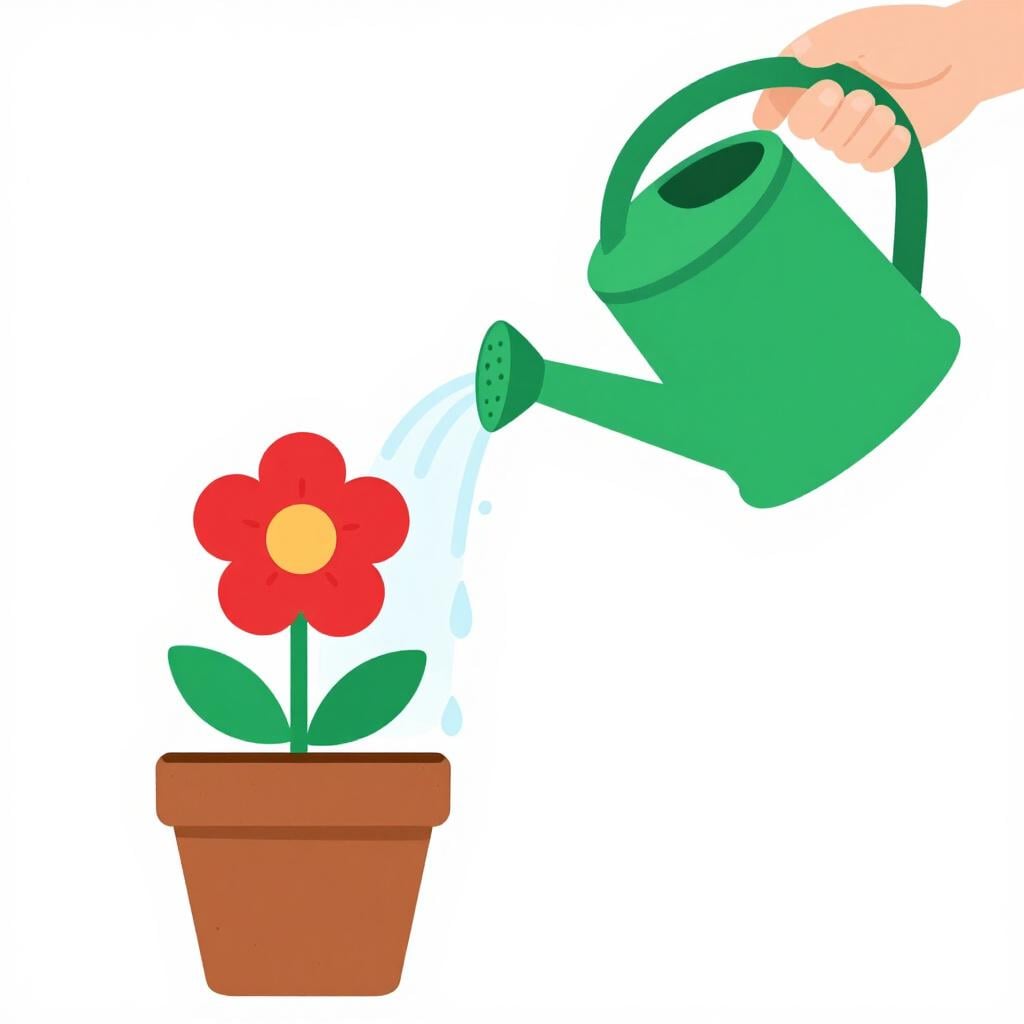
📝 In Action
Tengo que regar las flores esta tarde.
A1I have to water the flowers this afternoon.
Riego mis plantas una vez a la semana.
A2I water my plants once a week.
Si no riegas el jardín, el césped se pondrá amarillo.
B1If you don't water the garden, the grass will turn yellow.
to scatter, to spread
Also: to spill
📝 In Action
Los niños regaron sus juguetes por toda la sala.
B1The children scattered their toys all over the living room.
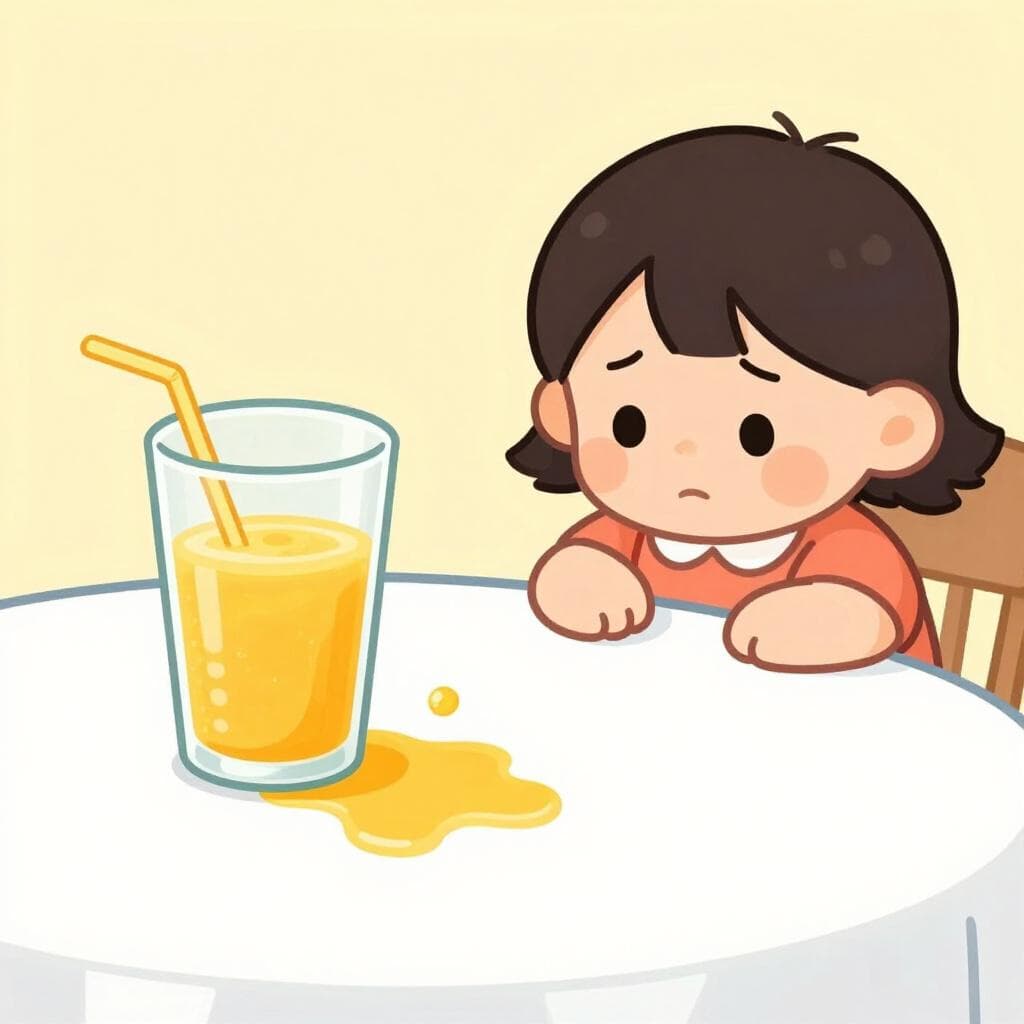
Ten cuidado, no vayas a regar el café.
B2Be careful, don't spill the coffee.
La noticia se regó rápidamente por el pueblo.
C1The news spread quickly through the town.
to mess up, to screw up
📝 In Action
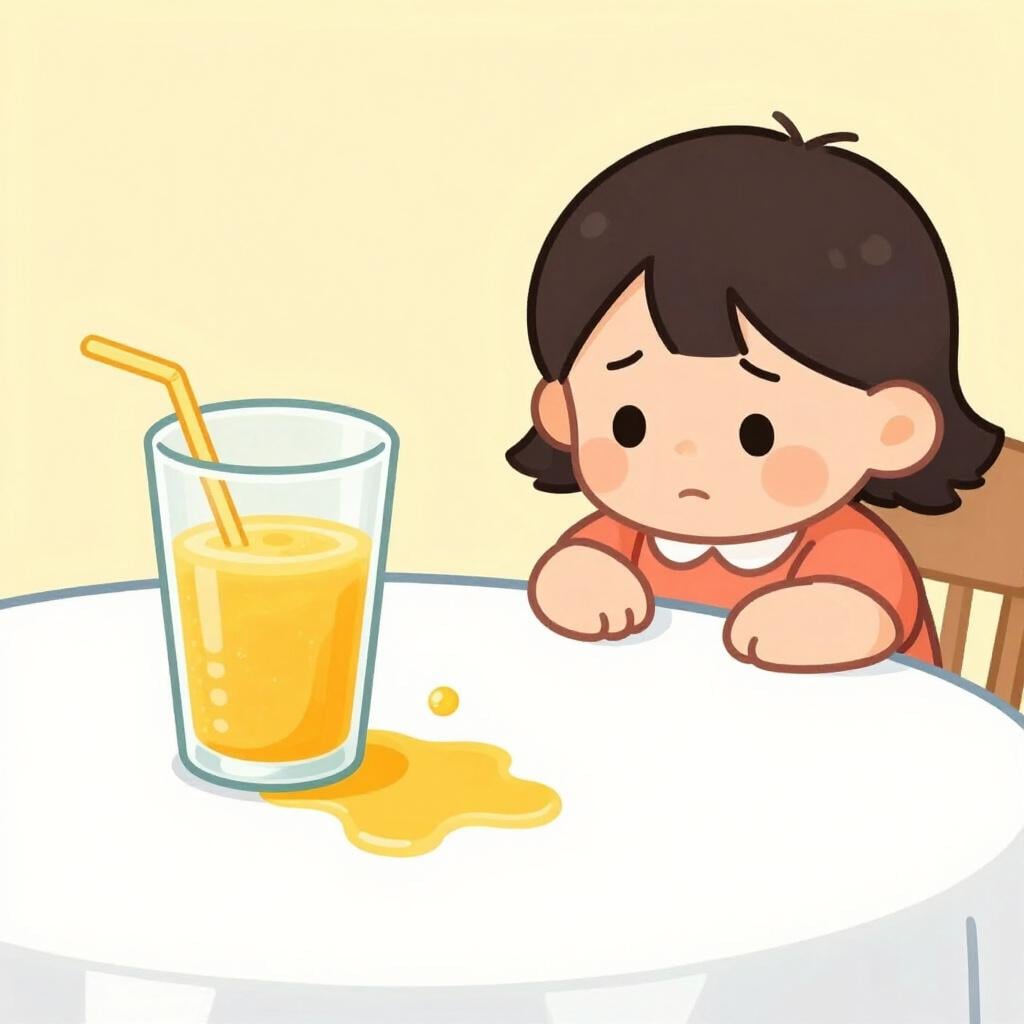
¡Uy, ya la regué! No debí decir eso.
B2Oops, I messed up! I shouldn't have said that.
Ibas muy bien en la entrevista, pero la regaste al final.
C1You were doing great in the interview, but you blew it at the end.
Subjunctive
Imperfect Subjunctive
Present Subjunctive
Indicative
Preterite
Imperfect
Present
Translate to Spanish
✏️ Quick Practice
Quick Quiz: regar
Question 1 of 3
How do you say 'I water' in Spanish?
📚 More Resources
👥 Word Family▼
📚 Etymology▼
From the Latin word 'rigare,' which means to lead water to a place or to moisten.
First recorded: 13th century
Cognates (Related words)
💡 Master Spanish
Take your Spanish to the next level. Read 200+ illustrated and narrated Spanish stories tailored to your level with the Inklingo app!
Frequently Asked Questions
Is 'regar' irregular?
Yes, it has two types of changes: it changes its vowel (e to ie) in the present tense, and it has a spelling change (g to gu) in the 'yo' form of the past tense and the subjunctive.
Can I use 'regar' for taking a shower?
No. While 'regadera' can mean shower head, the verb for 'to shower' is 'ducharse'.
What is the difference between 'regar' and 'mojar'?
'Regar' is specifically for distributing water (like on plants), while 'mojar' means to get something wet or soak it.