riego
“riego” means “watering” in Spanish. It has 3 different meanings depending on context:
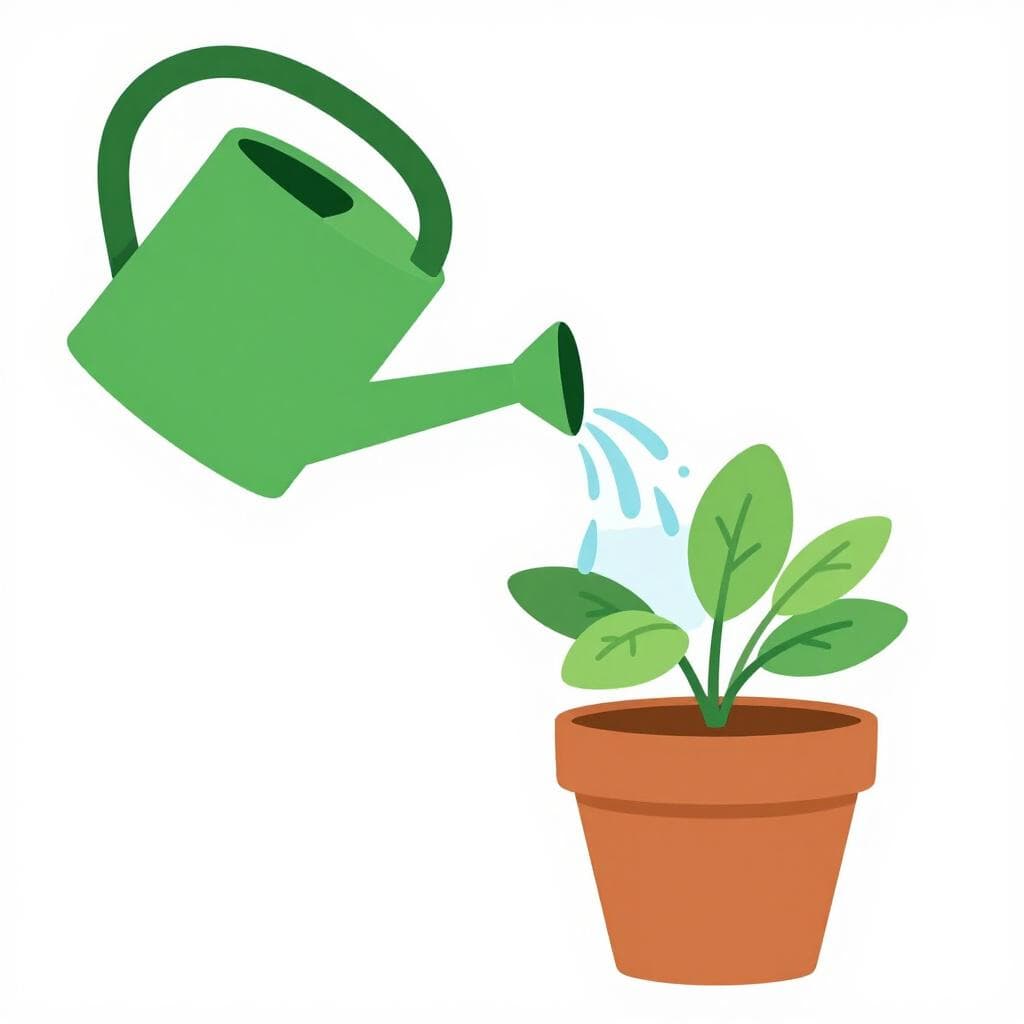


watering, irrigation
Also: watering system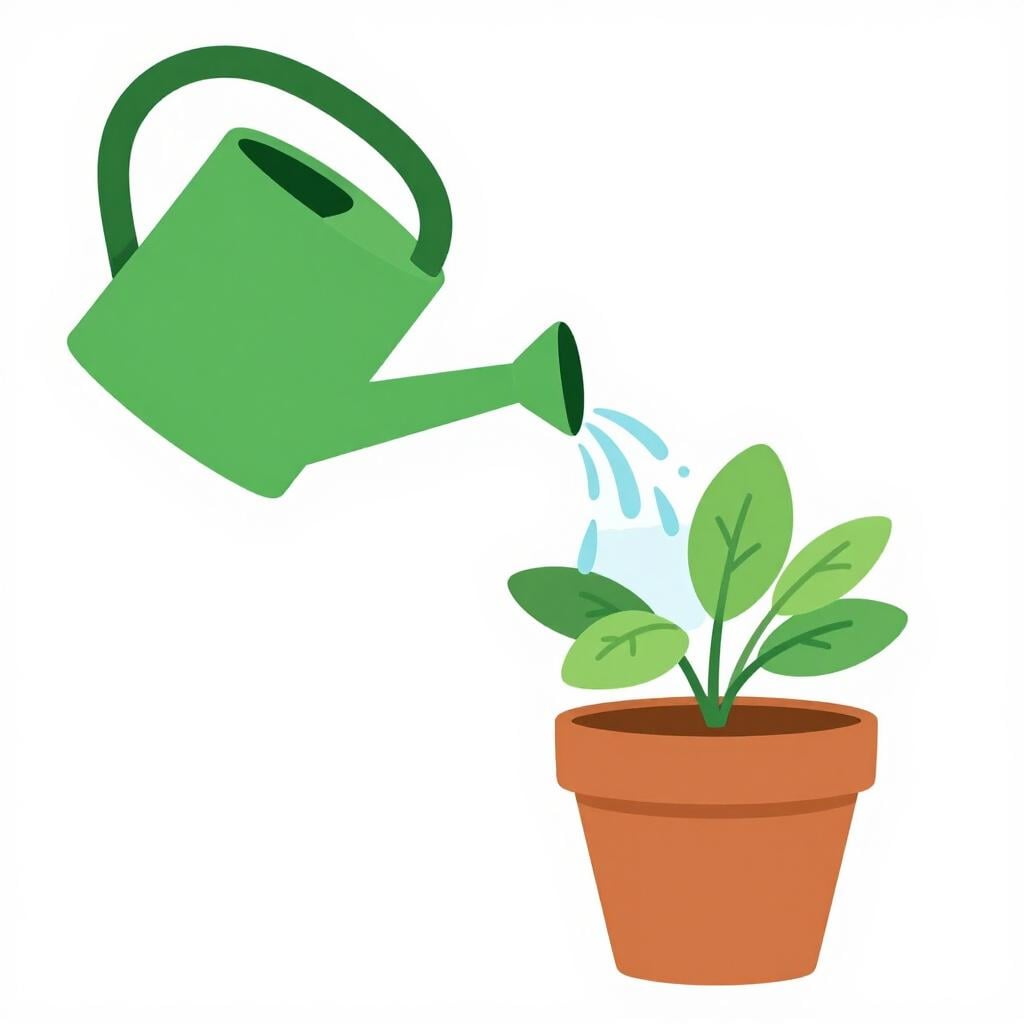
📝 In Action
El riego por goteo es el más eficiente para el jardín.
B1Drip irrigation is the most efficient for the garden.
En verano, el riego de las plantas debe ser diario.
A2In summer, the watering of the plants must be daily.
He instalado un sistema de riego automático.
B1I have installed an automatic watering system.
I water, I am watering

📝 In Action
Yo riego las flores todas las mañanas.
A1I water the flowers every morning.
Si no riego el césped, se pone amarillo.
A2If I don't water the lawn, it turns yellow.
Espera un momento, riego las macetas y salimos.
B1Wait a moment, I'll water the pots and we'll leave.
blood flow
Also: blood supply
📝 In Action
Caminar mejora el riego sanguíneo en las piernas.
B2Walking improves the blood flow in the legs.
El paciente tiene problemas de riego cerebral.
C1The patient has cerebral blood flow problems.
Esta medicina ayuda a estimular el riego.
B2This medicine helps stimulate the circulation.
Subjunctive
Imperfect Subjunctive
Present Subjunctive
Indicative
Preterite
Imperfect
Present
Translate to Spanish
Words that translate to "riego" in Spanish:
blood flow→blood supply→i water→irrigation→watering→watering system→✏️ Quick Practice
Quick Quiz: riego
Question 1 of 3
How do you say 'I water the plants' in Spanish?
📚 More Resources
👥 Word Family▼
📚 Etymology▼
From the Latin 'rigare', which means to wet, moisten, or convey water to a place.
First recorded: 13th century
Cognates (Related words)
💡 Master Spanish
Take your Spanish to the next level. Read 200+ illustrated and narrated Spanish stories tailored to your level with the Inklingo app!
Frequently Asked Questions
What is the difference between 'riego' and 'regar'?
'Regar' is the infinitive (the 'to' form, like 'to water'), while 'riego' can be either the noun ('the watering') or the 'I' form of the verb ('I water').
Does 'riego' always mean watering plants?
Not always! It can also refer to the flow of blood in the human body (riego sanguíneo).
Why is it 'riego' and not 'rego'?
Spanish has many 'stem-changing' verbs. For the verb 'regar', the 'e' changes to 'ie' when it's emphasized in the present tense.