cuervo
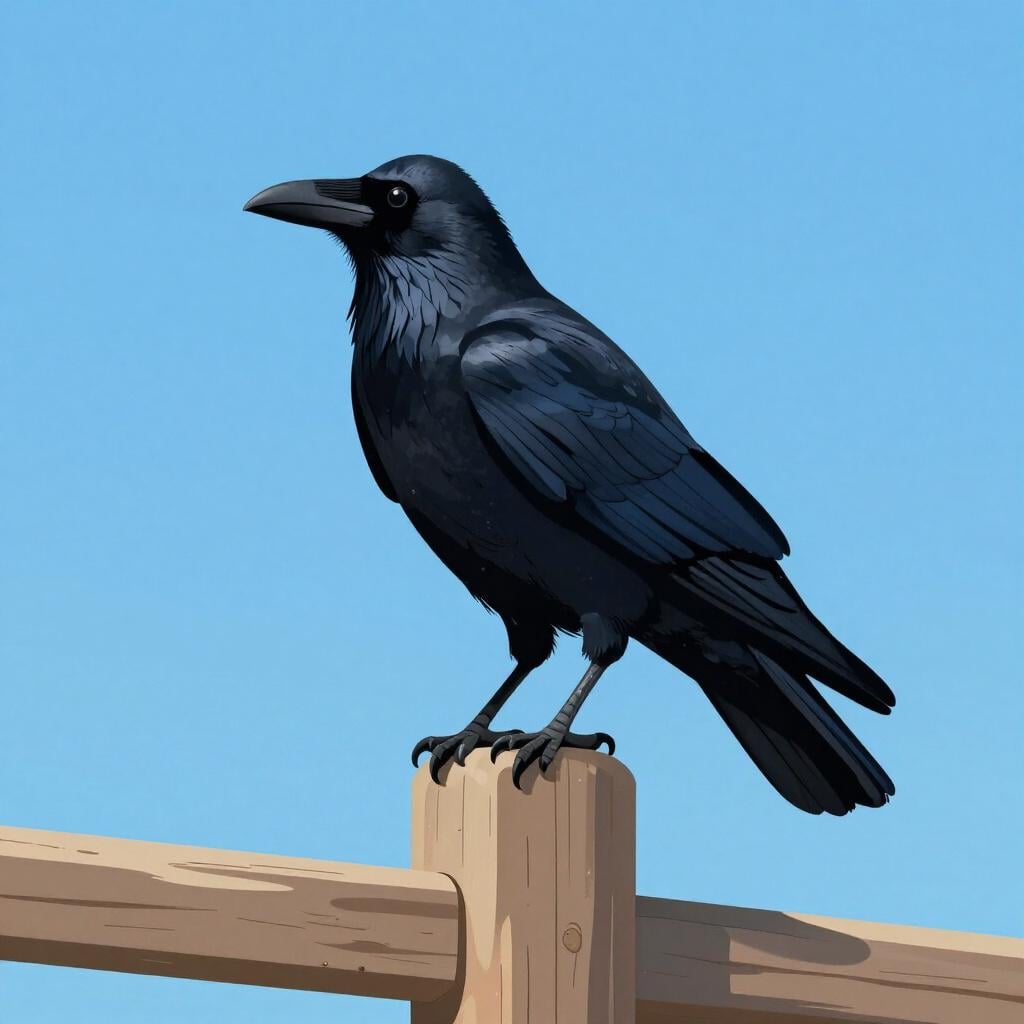
“cuervo” means “raven” in Spanish. It has 2 different meanings depending on context:


ravenAlso: crow
📝 In Action
Un cuervo negro se posó en la ventana.
A1A black raven landed on the window.
Los cuervos son conocidos por ser pájaros muy inteligentes.
B1Ravens are known for being very intelligent birds.
En el cuento, el cuervo habla con el protagonista.
A2In the story, the raven speaks with the main character.
Word Connections
vulture / shyster

📝 In Action
No confíes en ese abogado, es un cuervo.
B2Don't trust that lawyer; he's a shyster.
Los cuervos de la empresa están esperando a que fracasemos.
C1The vultures at the company are waiting for us to fail.
Word Connections
Vocabulary Collections
Translate to Spanish
✏️ Quick Practice
Quick Quiz: cuervo
Question 1 of 3
What does the famous idiom 'Cría cuervos y te sacarán los ojos' warn you about?
📚 More Resources
👥 Word Family
📚 Etymology
From the Latin word 'corvus,' which refers to the same black bird.
First recorded: Around the 10th century in early Spanish texts.
Cognates (Related words)
💡 Master Spanish
Take your Spanish to the next level. Read 200+ illustrated and narrated Spanish stories tailored to your level with the Inklingo app!
Frequently Asked Questions
Is there a difference between 'cuervo' and 'corneja'?
Yes. Generally, 'cuervo' refers to the larger raven, and 'corneja' refers to the smaller crow. However, in casual Spanish, 'cuervo' is used for both.
Does 'cuervo' ever mean 'priest'?
In some very old or very informal contexts, priests were sometimes called 'cuervos' because of their long black robes, but this is less common today.
How do you pronounce the 'v' in 'cuervo'?
It sounds exactly like the English 'b'. There is no 'v' (teeth-to-lip) sound in standard Spanish.