pato
“pato” means “duck” in Spanish. It has 2 different meanings depending on context:
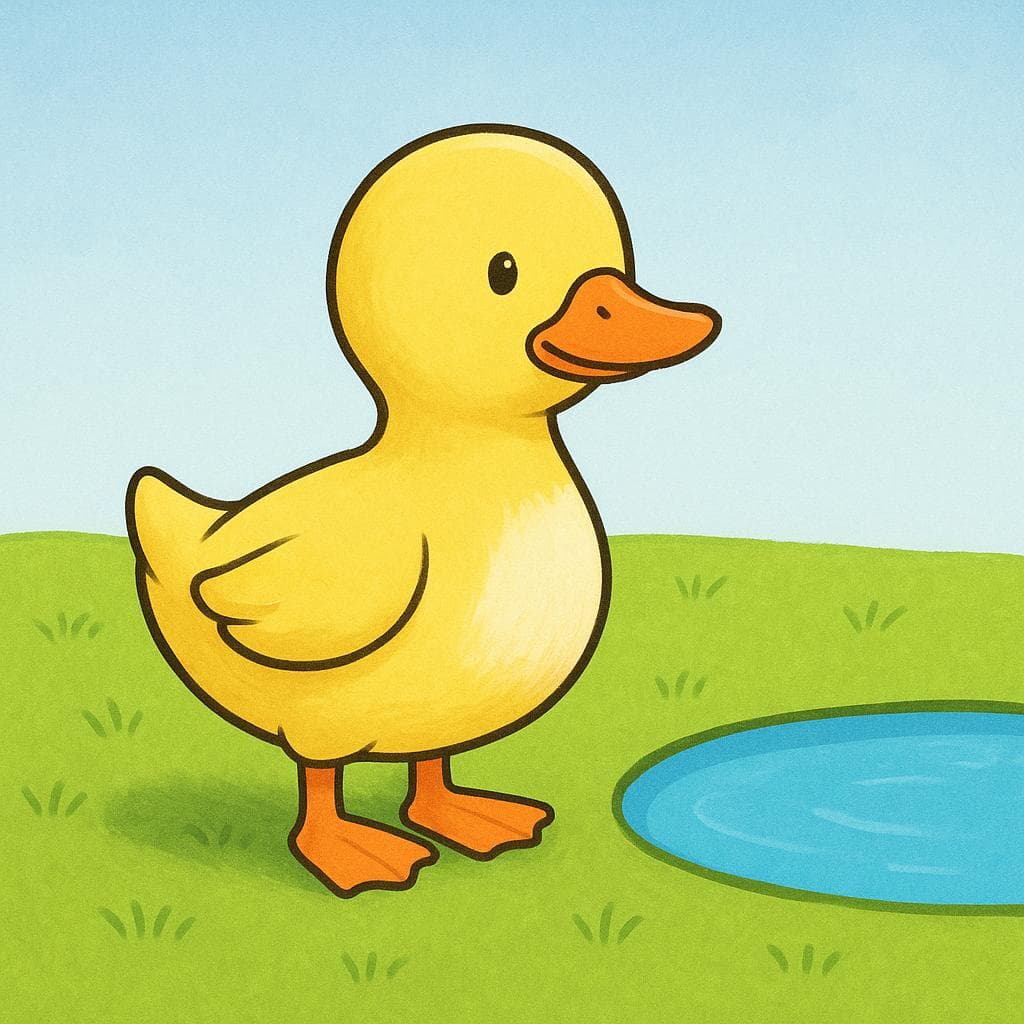

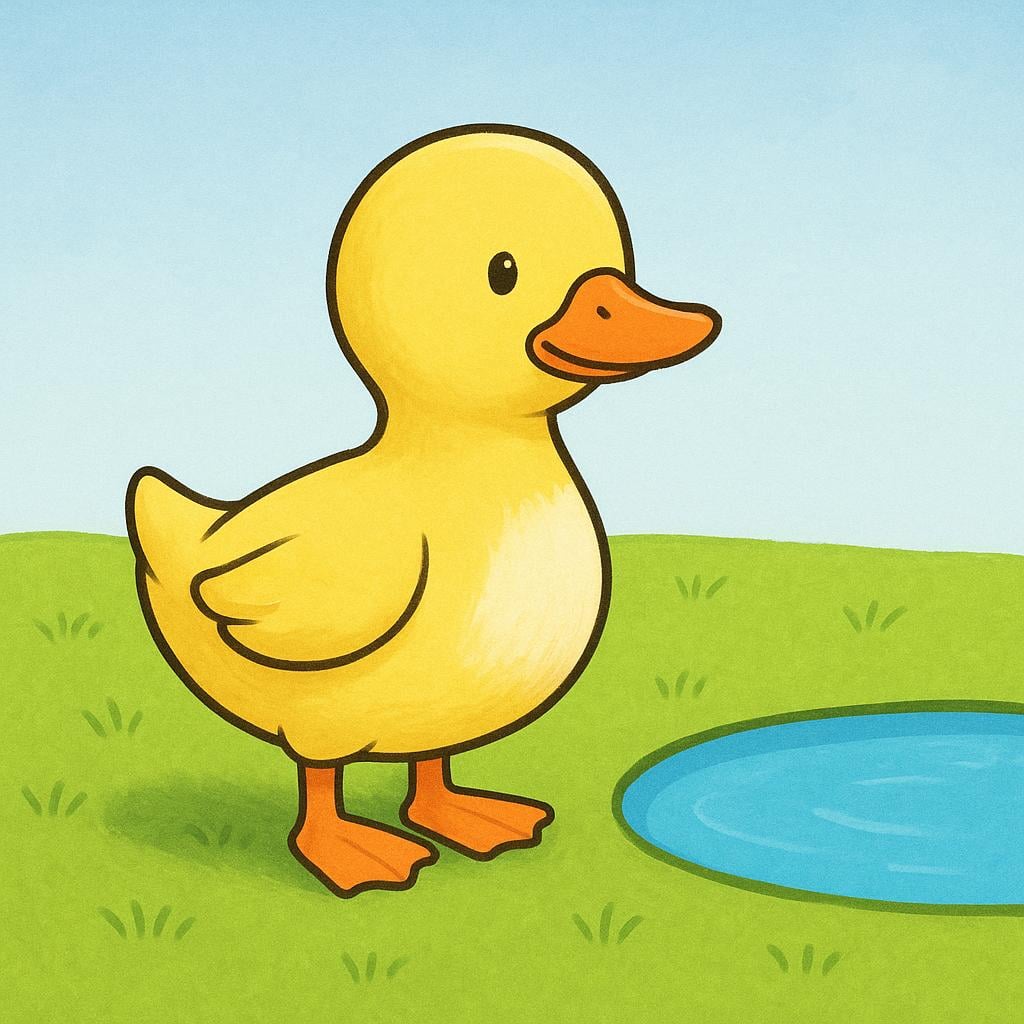
duckAlso: drake
📝 In Action
El pato nadó tranquilamente en el estanque.
A1The duck swam calmly in the pond.
Vimos un pato con sus crías cruzando la calle.
A2We saw a duck with its young crossing the street.
Word Connections
queerAlso: gay man

📝 In Action
¡Cuidado! En esa zona, 'pato' es un insulto muy grave.
C1Be careful! In that area, 'pato' is a very serious insult.
Vocabulary Collections
Translate to Spanish
✏️ Quick Practice
Quick Quiz: pato
Question 1 of 2
If someone says, 'Hay un pato en el estanque,' what are they most likely referring to?
📚 More Resources
👥 Word Family
📚 Etymology
The word comes from Vulgar Latin *pattus*, which is thought to be an onomatopoeia—a word created by imitating the duck's sound or perhaps its waddling movement.
First recorded: Medieval Spanish texts
Cognates (Related words)
💡 Master Spanish
Take your Spanish to the next level. Read 200+ illustrated and narrated Spanish stories tailored to your level with the Inklingo app!
Frequently Asked Questions
How do I say 'female duck'?
The female duck is 'la pata'. Be careful! 'Pata' is also the word for the leg or foot of an animal or a piece of furniture.
Is 'pato' ever used in a friendly way?
Generally, no, not when referring to a person. It is highly offensive slang in many regions. Always use safer words like 'amigo' (friend) or 'tipo' (guy).