castaño
“castaño” means “brown” in Spanish. It has 2 different meanings depending on context:

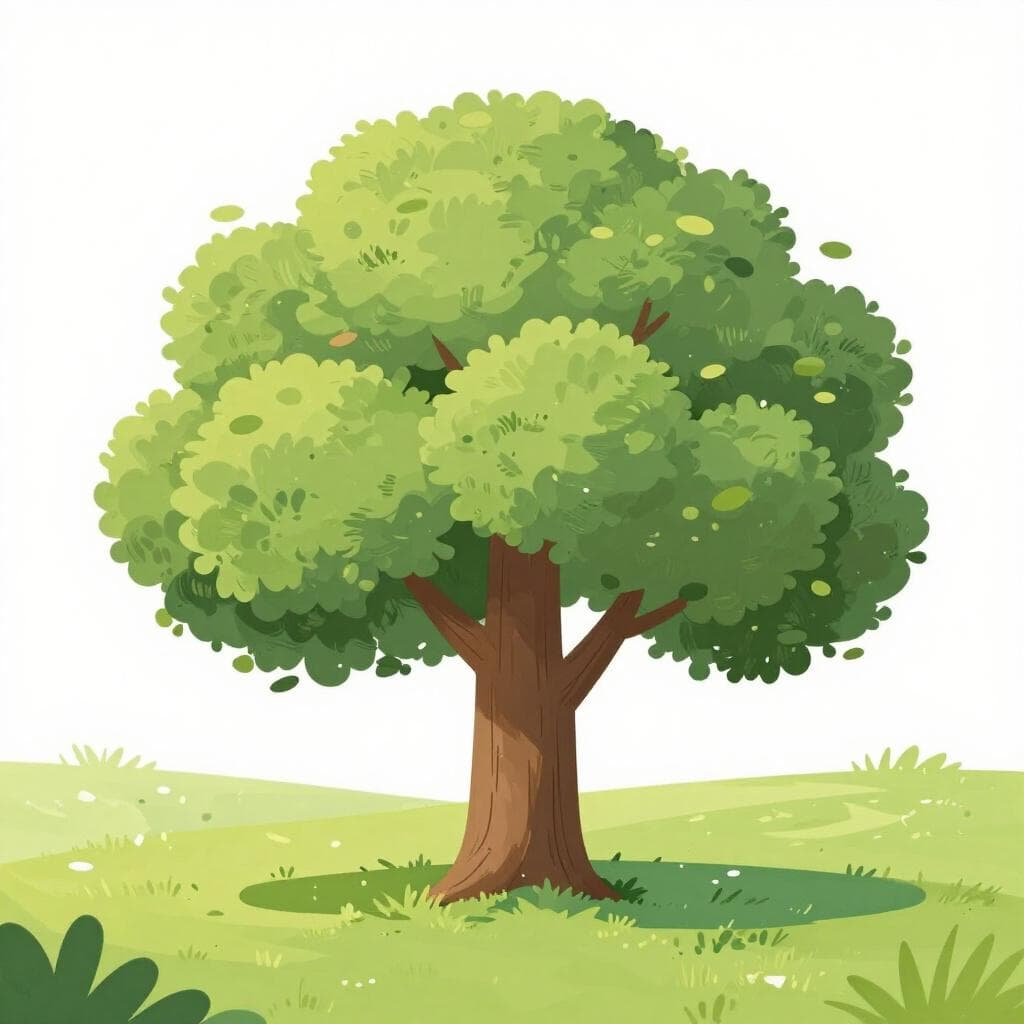
brown, chestnut
Also: auburn
📝 In Action
Mi hermano tiene el pelo castaño y los ojos verdes.
A1My brother has brown hair and green eyes.
Ella prefiere teñirse el pelo de un tono castaño claro.
A2She prefers to dye her hair a light brown shade.
Ese color castaño le queda muy bien con su piel.
B1That chestnut color looks very good on her skin.
chestnut tree
Also: chestnut wood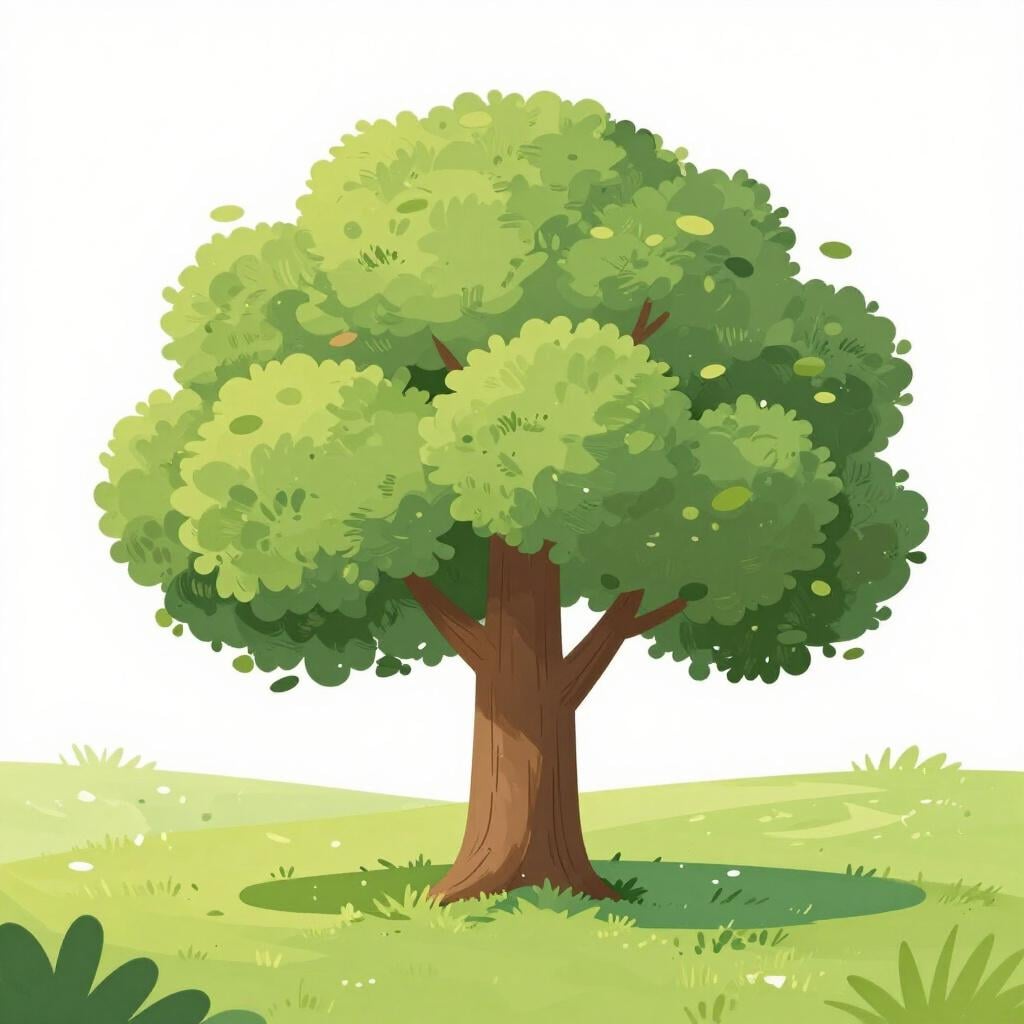
📝 In Action
Hay un castaño enorme en el centro del parque.
A2There is a huge chestnut tree in the center of the park.
Esta mesa está hecha de madera de castaño.
B1This table is made of chestnut wood.
Los castaños pierden sus hojas en otoño.
B1Chestnut trees lose their leaves in autumn.
Vocabulary Collections
Translate to Spanish
✏️ Quick Practice
Quick Quiz: castaño
Question 1 of 3
If you want to say 'She has brown eyes,' which word is best?
📚 More Resources
👥 Word Family▼
📚 Etymology▼
From the Latin word 'castanea', which was the name for the chestnut tree and its nut.
First recorded: 13th century
Cognates (Related words)
💡 Master Spanish
Take your Spanish to the next level. Read 200+ illustrated and narrated Spanish stories tailored to your level with the Inklingo app!
Frequently Asked Questions
Can I use 'castaño' for a brown car?
No, it's better to use 'marrón'. 'Castaño' is almost exclusively reserved for hair, eyes, and the wood/tree itself.
How do I say 'light brown' hair?
Use 'pelo castaño claro'.
Is 'castaño' used for skin color?
Usually, no. For tanned or brown skin, Spanish speakers typically use 'moreno' or 'trigueño'.