Trees in Spanish
Let's explore the world of trees in Spanish! You'll learn essential words like 'árbol' (tree) and 'rama' (branch), which are incredibly useful for describing nature, parks, or even just the view from your window. Interestingly, Spanish often uses the same word for a tree and its wood, so context is key!
Quick Reference
| Spanish | English | Example | Level |
|---|---|---|---|
árbol | tree | El parque está lleno de árboles viejos y grandes. | A1 |
castaño | brown | Mi hermano tiene el pelo castaño y los ojos verdes. | A1 |
haya | there is / there are | Ojalá que haya pastel en la fiesta. | B1 |
palmera | palm tree | Hay muchas palmeras en la playa de Miami. | A1 |
pino | pine tree | Hay muchos pinos en esta montaña. | A1 |
rama | branch | El mono estaba sentado tranquilamente en una rama gruesa. | A1 |
tronco | trunk | El tronco de este pino es muy grueso. | A2 |
corteza | bark | No me gusta la corteza del pan, prefiero solo la miga. | A2 |
roble | oak | Hay un roble muy viejo en el centro del parque. | A2 |
A1 — Beginner (5 words)
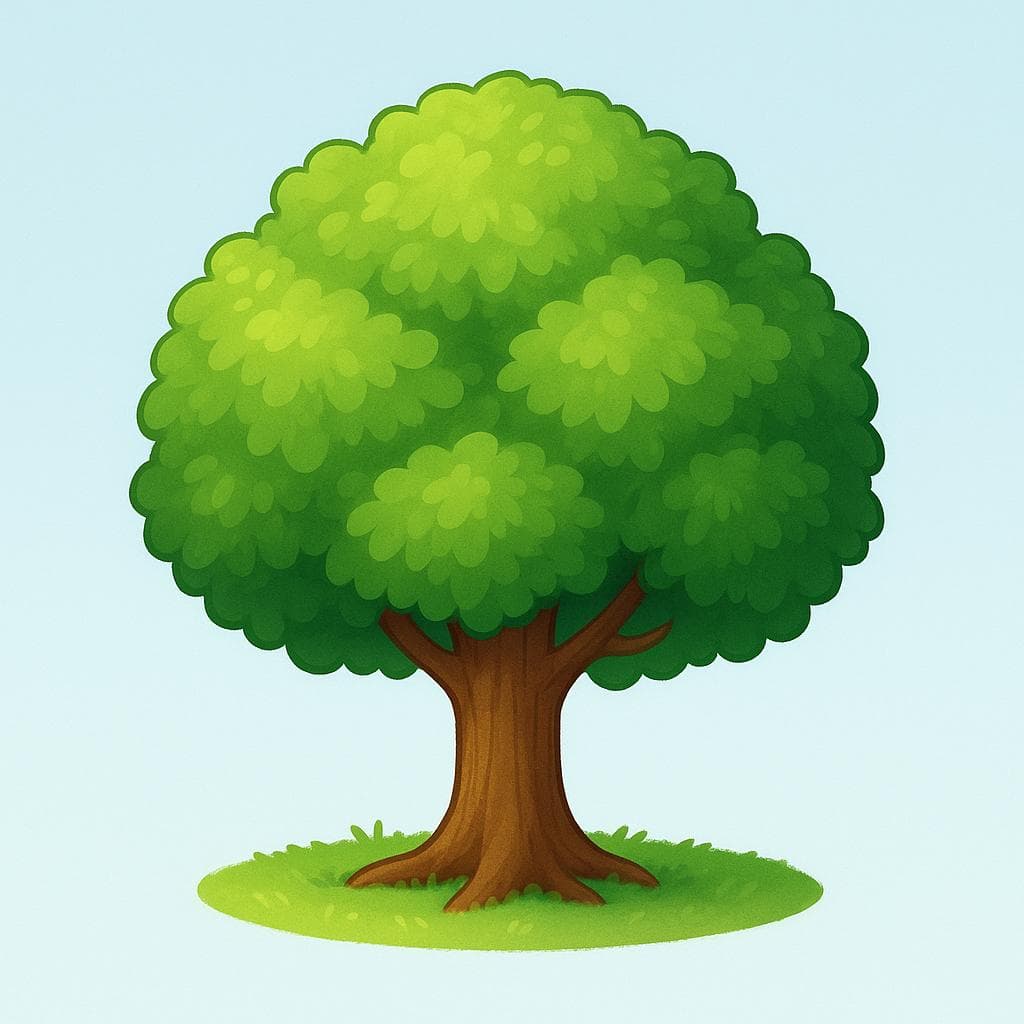
tree
“El parque está lleno de árboles viejos y grandes.”
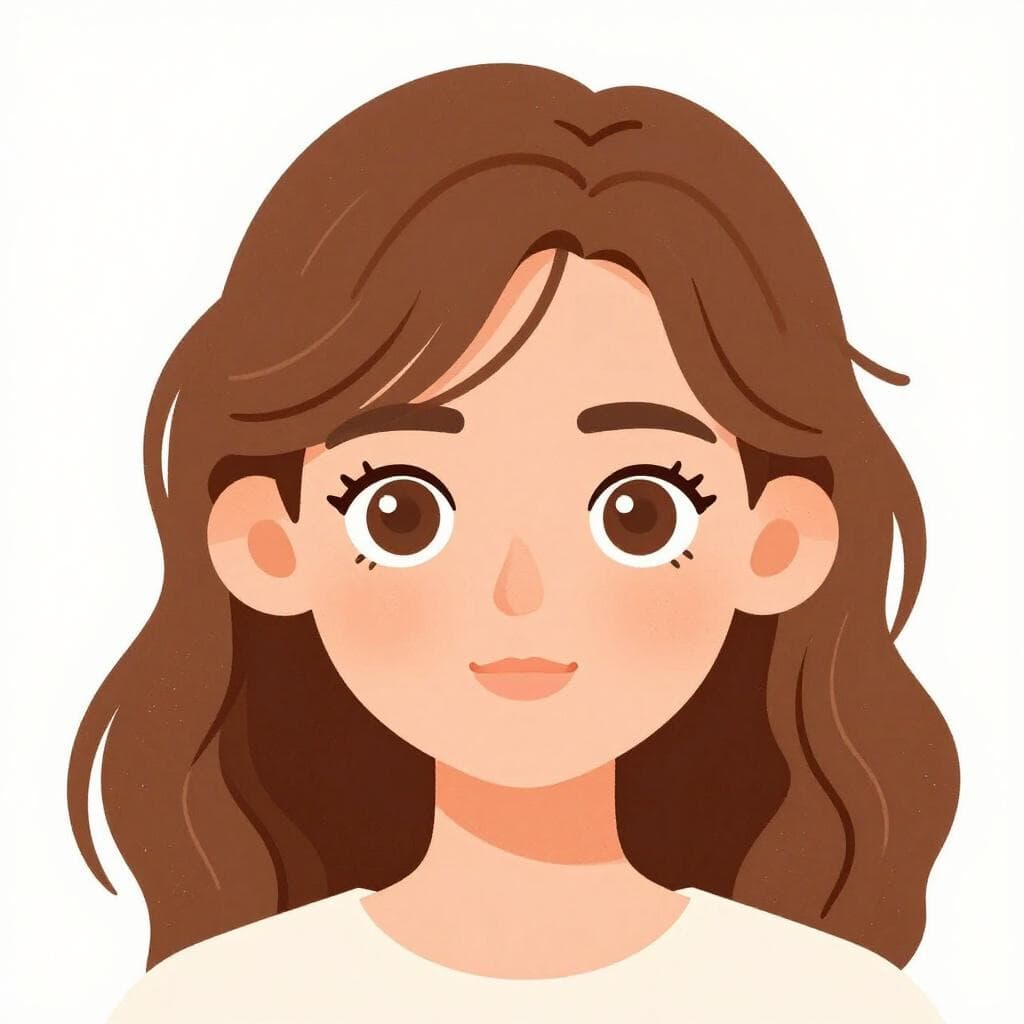
brown
“Mi hermano tiene el pelo castaño y los ojos verdes.”
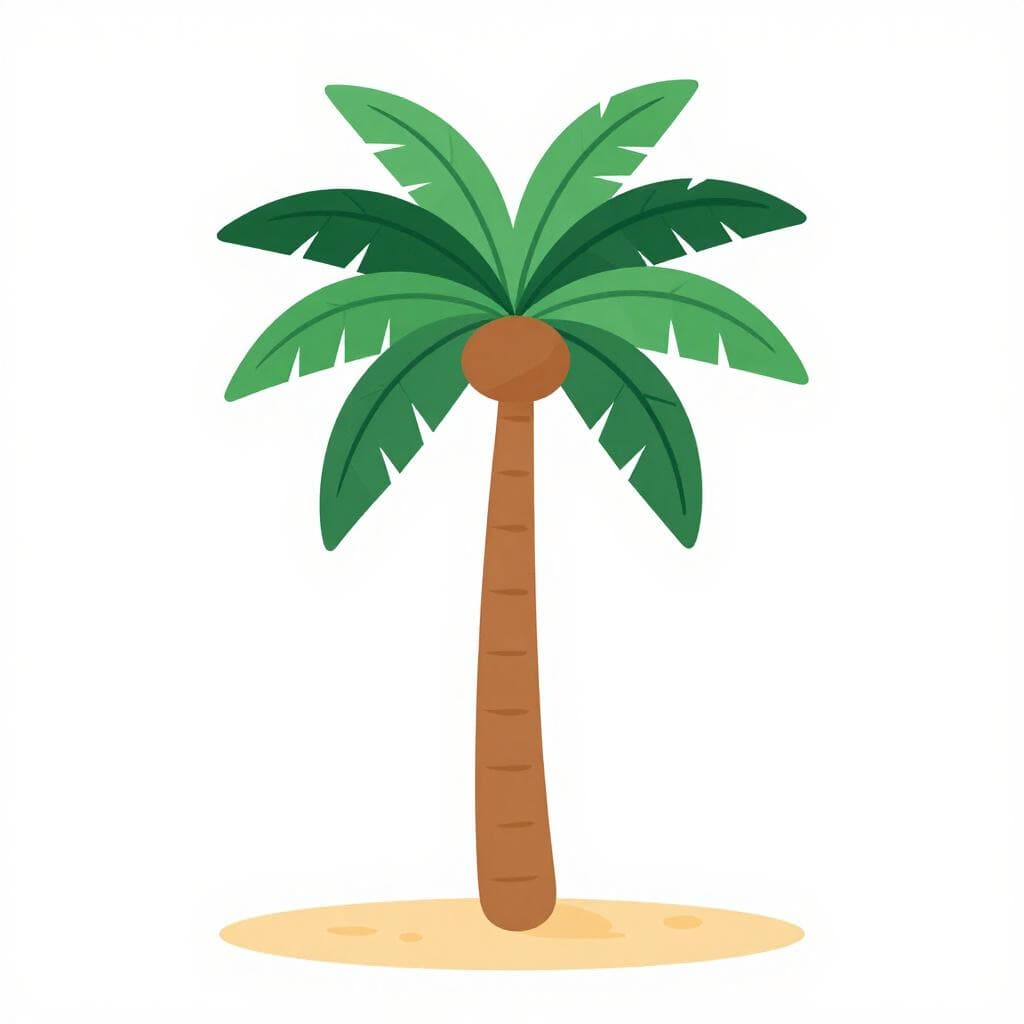
palm tree
“Hay muchas palmeras en la playa de Miami.”

pine tree
“Hay muchos pinos en esta montaña.”
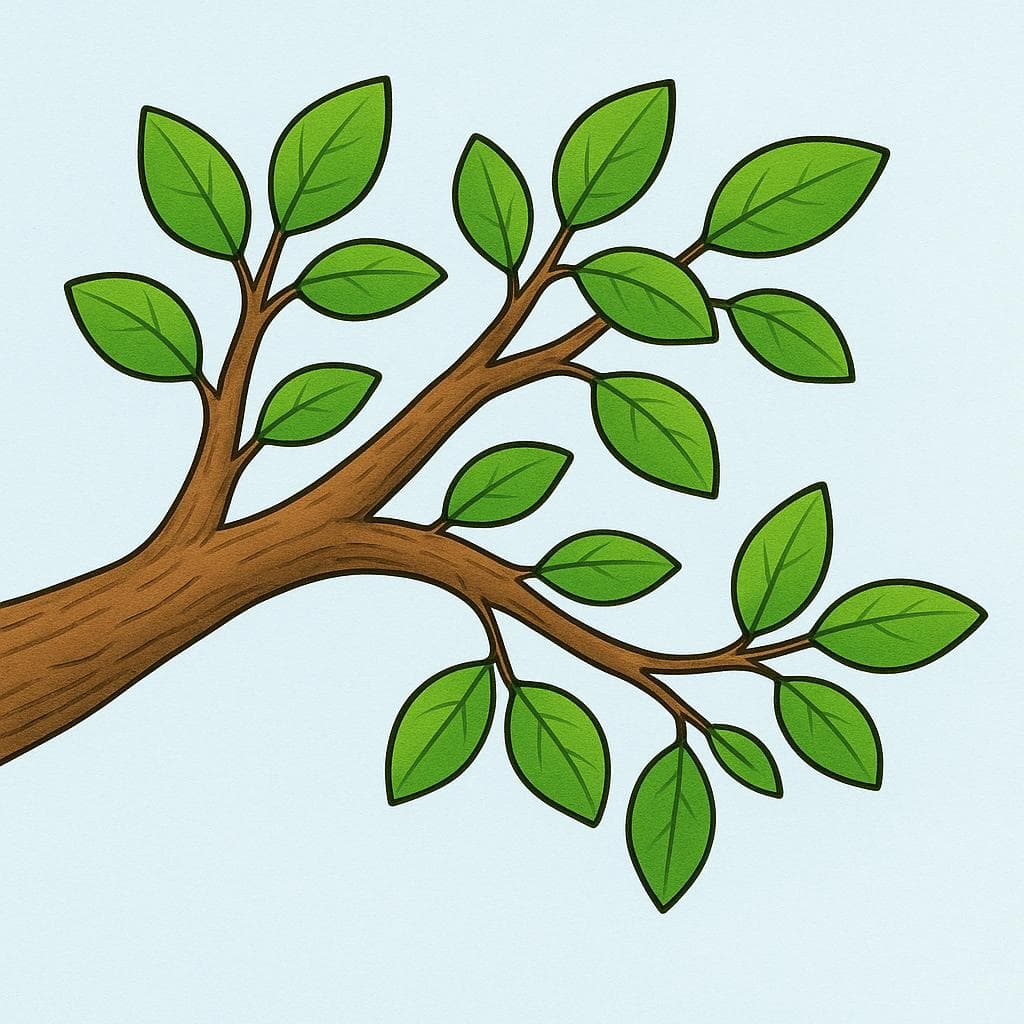
branch
“El mono estaba sentado tranquilamente en una rama gruesa.”
A2 — Elementary (3 words)
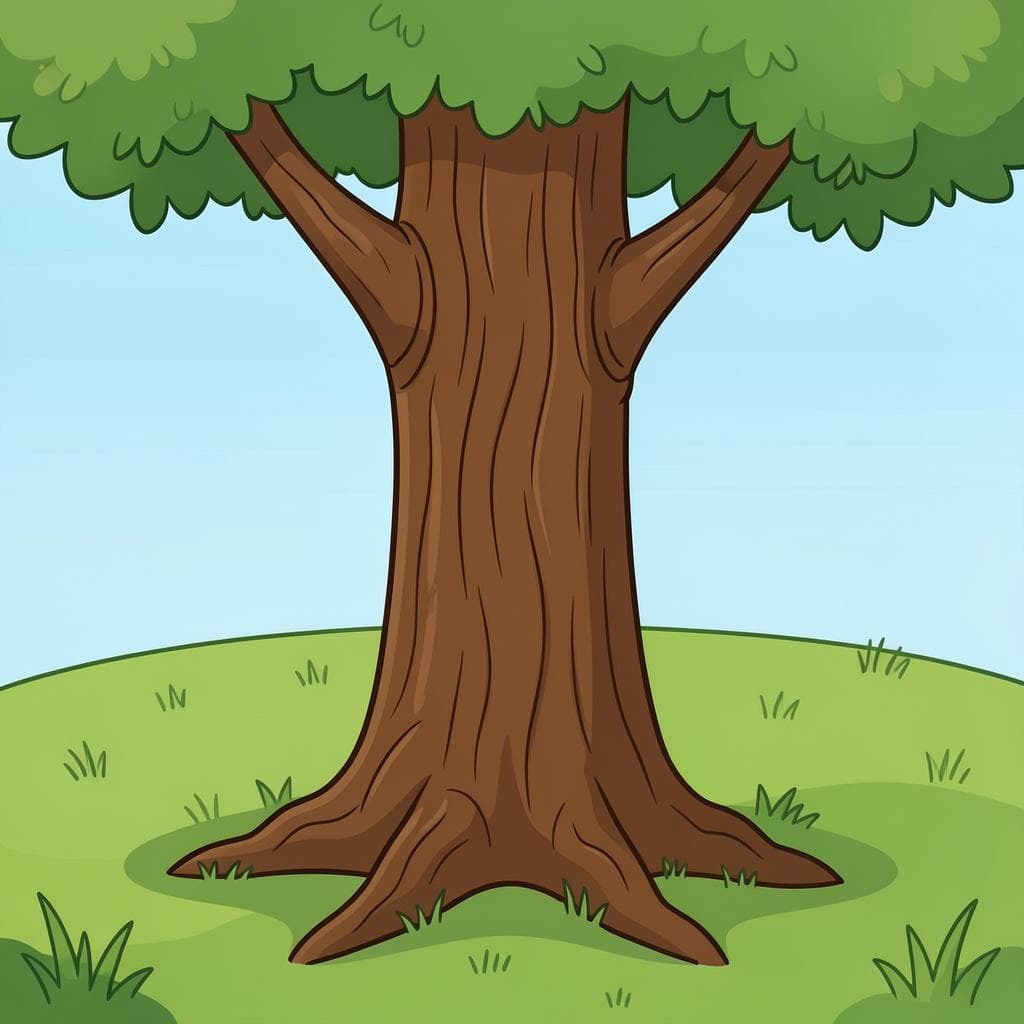
trunk
“El tronco de este pino es muy grueso.”
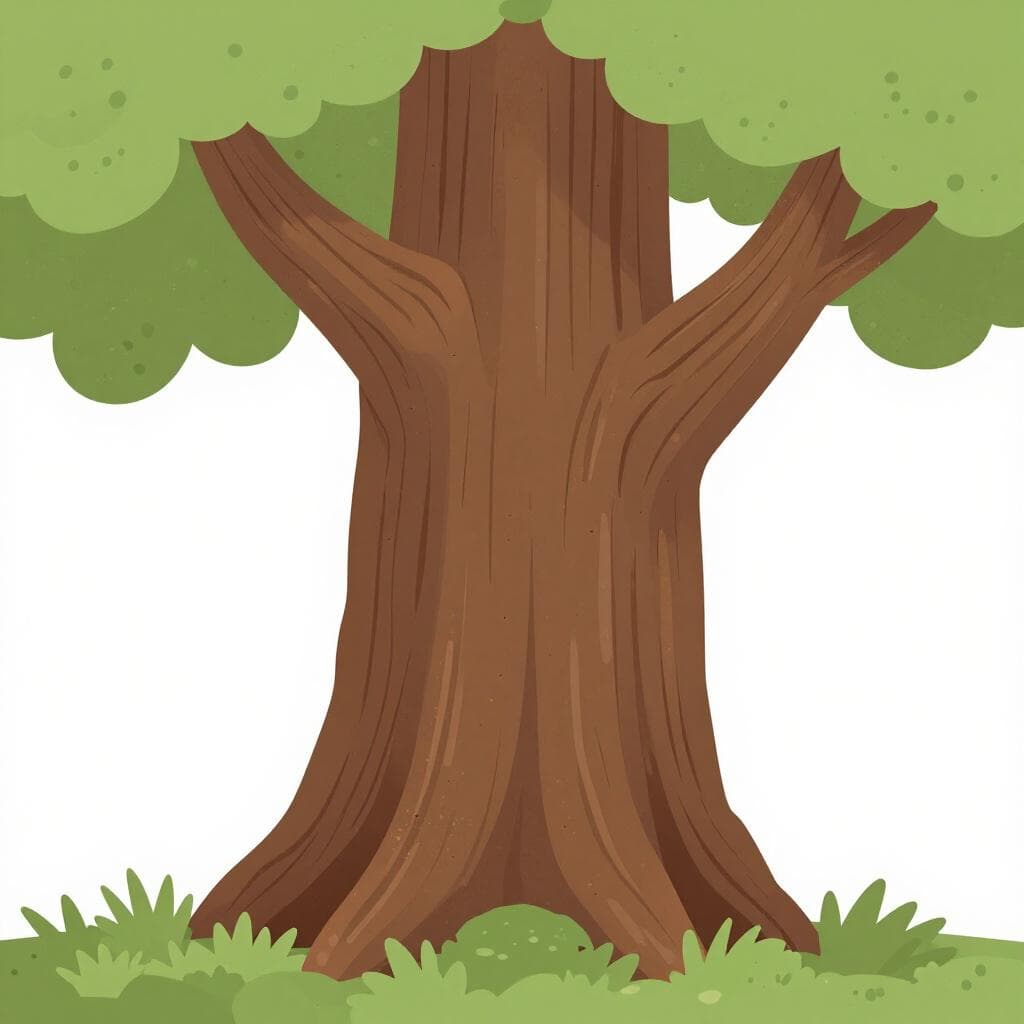
bark
“No me gusta la corteza del pan, prefiero solo la miga.”
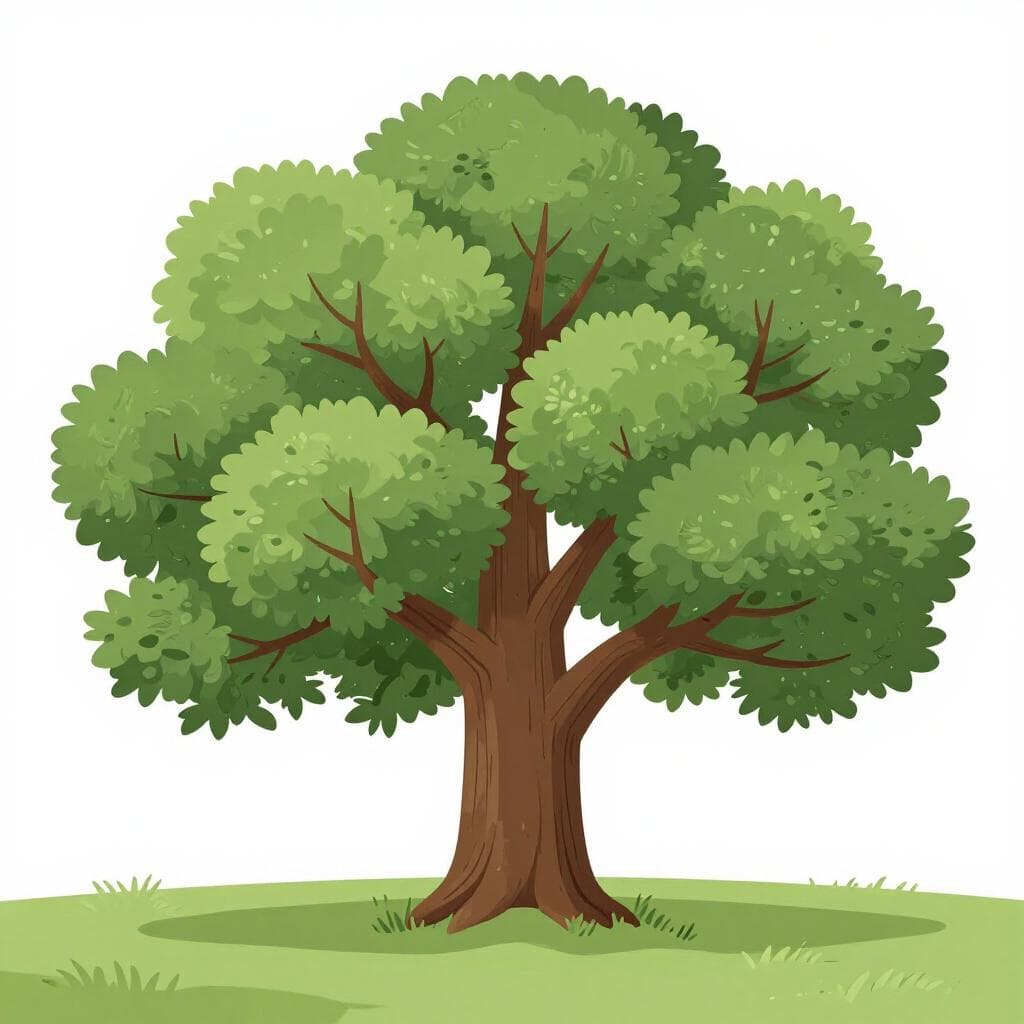
oak
“Hay un roble muy viejo en el centro del parque.”
B1 — Intermediate (1 words)
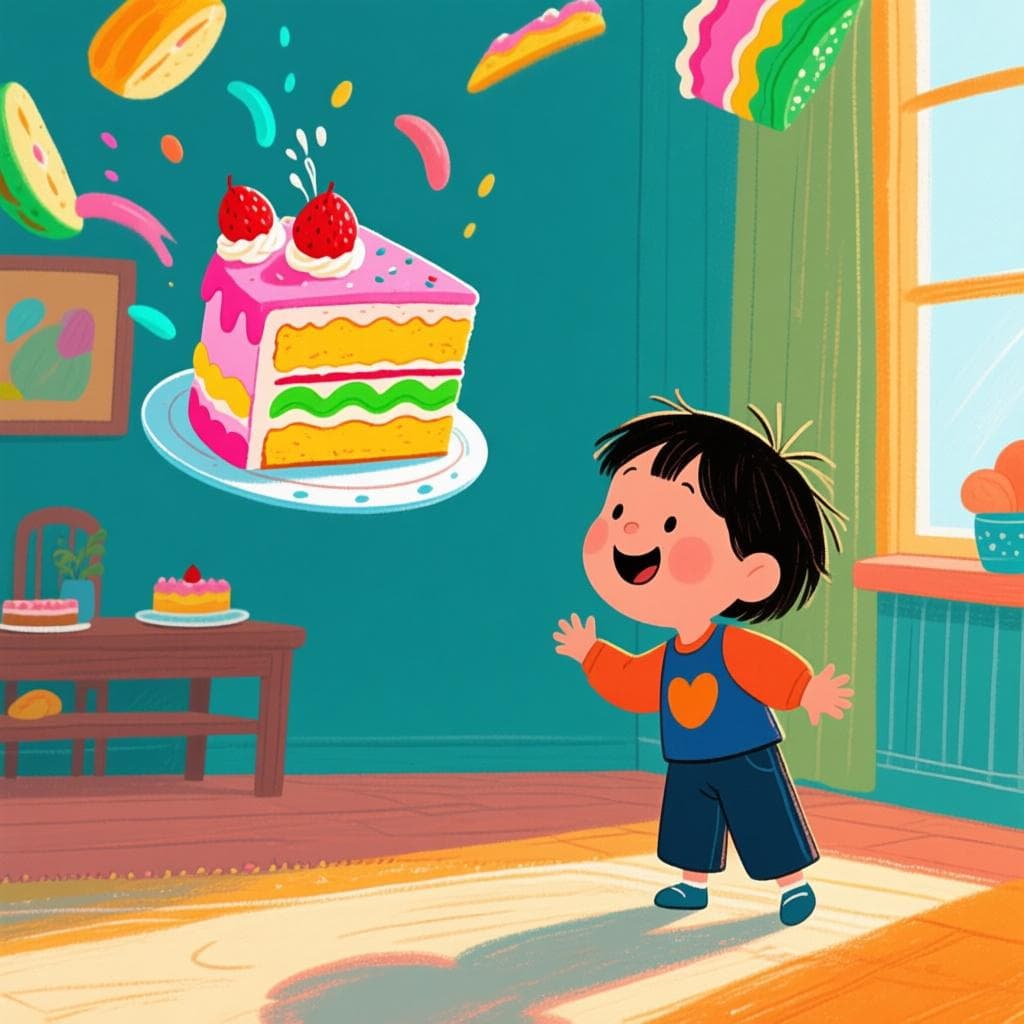
there is / there are
“Ojalá que haya pastel en la fiesta.”
Grammar Tips
Pluralization of 'Árbol'
The word 'árbol' follows a common Spanish pluralization rule. To make it plural, simply add '-es' to the end: 'árbol' (tree) becomes 'árboles' (trees). This applies to most nouns ending in a consonant.
Gender Agreement with Trees
Like most nouns in Spanish, tree names are either masculine or feminine. For example, 'el pino' (the pine tree) is masculine, while 'la palmera' (the palm tree) is feminine. Remember to use the correct article ('el' or 'la') and any descriptive adjectives that agree in gender and number.
'Haya' vs. 'Hayas'
Be careful with 'haya' and 'hayas'! 'Haya' is the present subjunctive form of 'haber' (to have/there is/there are), often used as 'there is/are'. 'Hayas' is the second-person singular present subjunctive of 'haber', meaning 'you have (done something)'. They sound similar but have very different meanings!
Common Mistakes
Incorrect Adjective Placement
Mistake: “El castaño árbol es grande.”
Correction: El árbol castaño es grande. — In Spanish, descriptive adjectives like colors usually come *after* the noun they modify, unlike in English.
Confusing 'Haya' and 'Hay'
Mistake: “En el jardín haya muchas flores.”
Correction: En el jardín hay muchas flores. — 'Hay' is the standard form for 'there is/are' in the present indicative. 'Haya' is a subjunctive form and is not used here.
Pluralizing 'Roble'
Mistake: “Hay dos roble en el parque.”
Correction: Hay dos robles en el parque. — Nouns ending in '-e' like 'roble' typically form their plural by adding '-s'.
Cultural Notes
The 'Chestnut' Connection
The word 'castaño' can mean both the color brown and a chestnut tree. This connection is common in Spanish, where tree names often lend their names to colors or materials derived from them.
Symbolism of Trees
In many Spanish-speaking cultures, certain trees hold symbolic meaning. For example, the oak ('roble') often represents strength and longevity, while the palm tree ('palmera') can symbolize peace or victory, especially in warmer climates.