Environment & Ecology in Spanish
Let's dive into the Spanish vocabulary for environment and ecology! Understanding these words is super useful for discussing important global issues like climate change, pollution, and conservation. It's also a great way to connect with nature and express your appreciation for the planet. Spanish often uses similar roots to English for these terms, but paying attention to gender and plural forms will be key!
Quick Reference
| Spanish | English | Example | Level |
|---|---|---|---|
ambiental | environmental | La contaminación ambiental es un problema grave en las ciudades grandes. | B1 |
ambiente | atmosphere | Me encanta el ambiente relajado de este café. | A2 |
clima | climate | El clima de Costa Rica es tropical y húmedo. | A1 |
climático | climatic | El cambio climático es una preocupación global. | A2 |
contaminación | pollution | La contaminación del aire es un gran problema en las ciudades. | A2 |
contaminar | to pollute | Las fábricas contaminan el río con sus desechos. | B1 |
eco | echo | El eco en la montaña era impresionante. | A2 |
ecológico | eco-friendly | Mi primo se compró un coche ecológico. | A2 |
entorno | environment | Es importante crecer en un entorno seguro. | B1 |
naturaleza | nature (the environment) | Me encanta caminar por la naturaleza para relajarme. | A1 |
conservación | preservation | La conservación del medio ambiente es una prioridad. | B1 |
contaminado | polluted | El aire de la ciudad está muy contaminado hoy. | A2 |
A1 — Beginner (2 words)
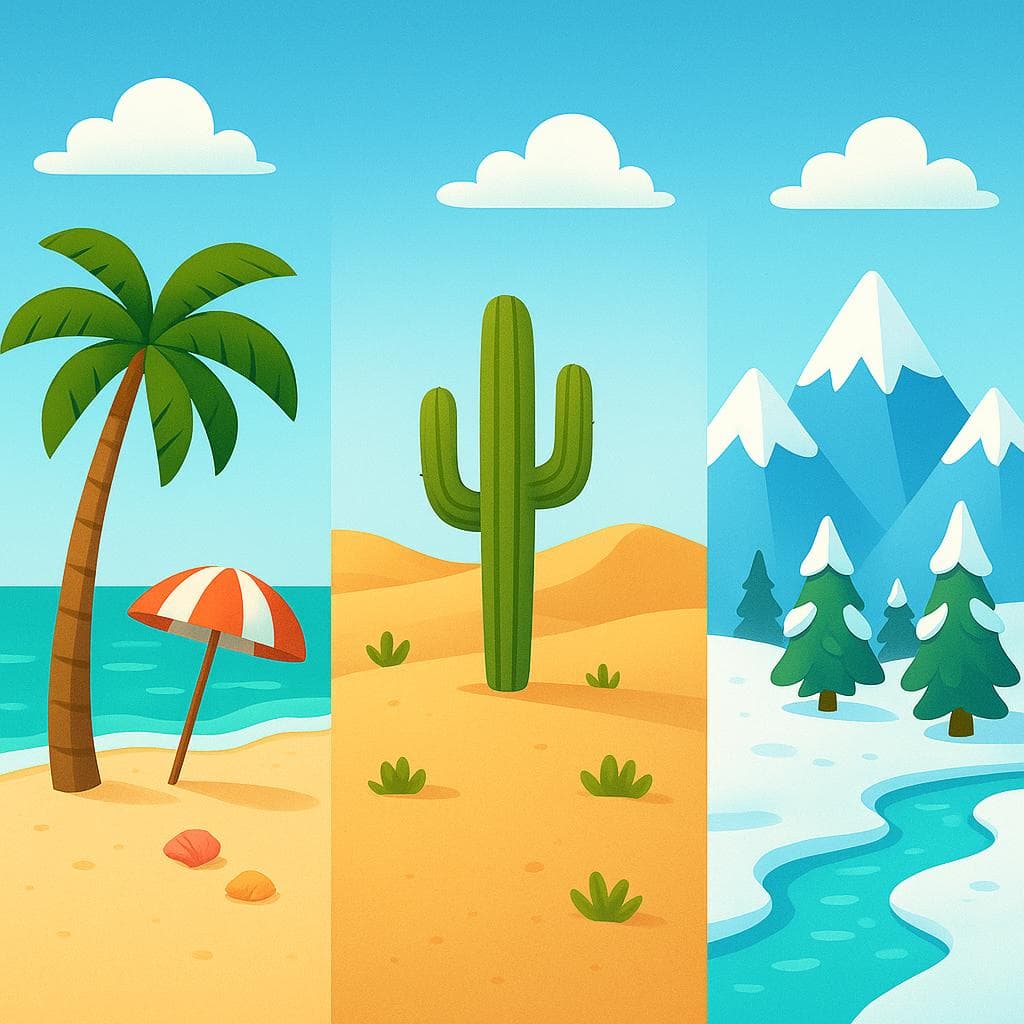
climate
“El clima de Costa Rica es tropical y húmedo.”
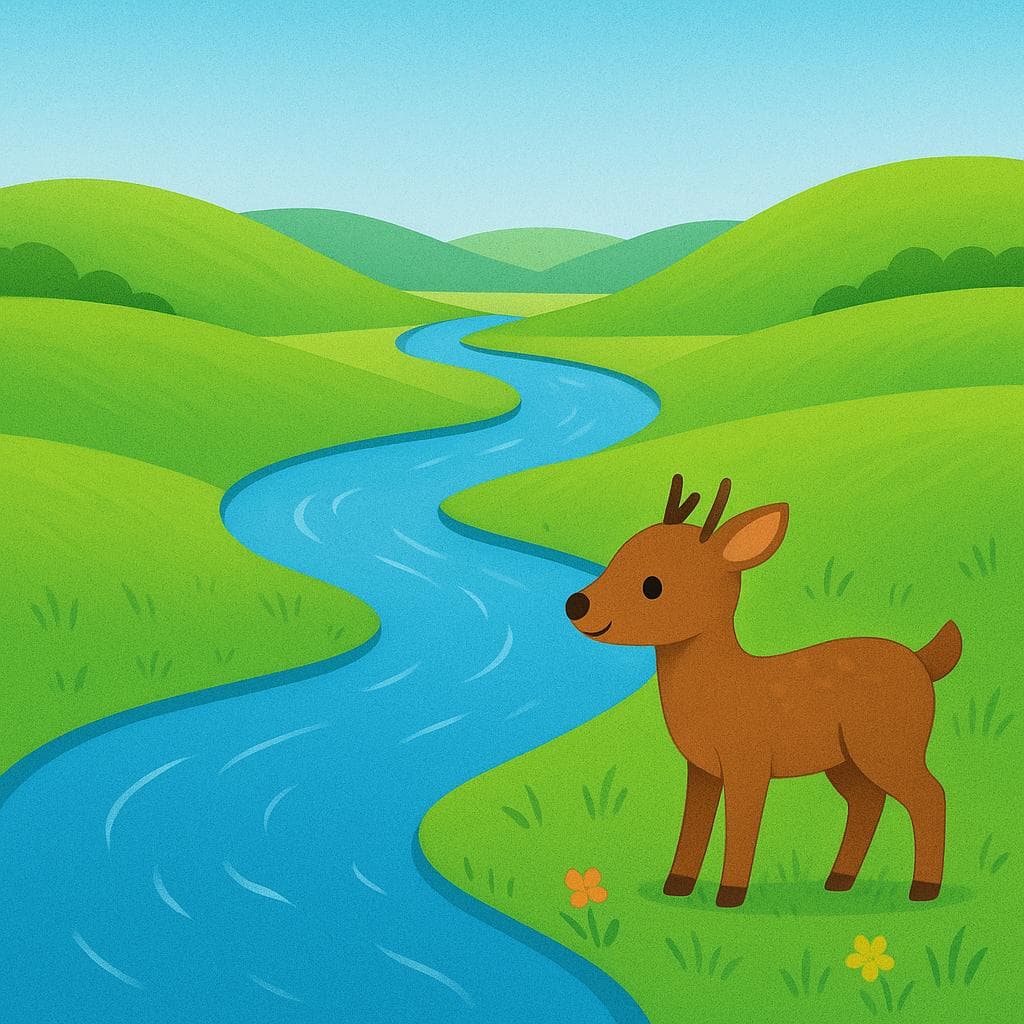
nature (the environment)
“Me encanta caminar por la naturaleza para relajarme.”
A2 — Elementary (9 words)

atmosphere
“Me encanta el ambiente relajado de este café.”
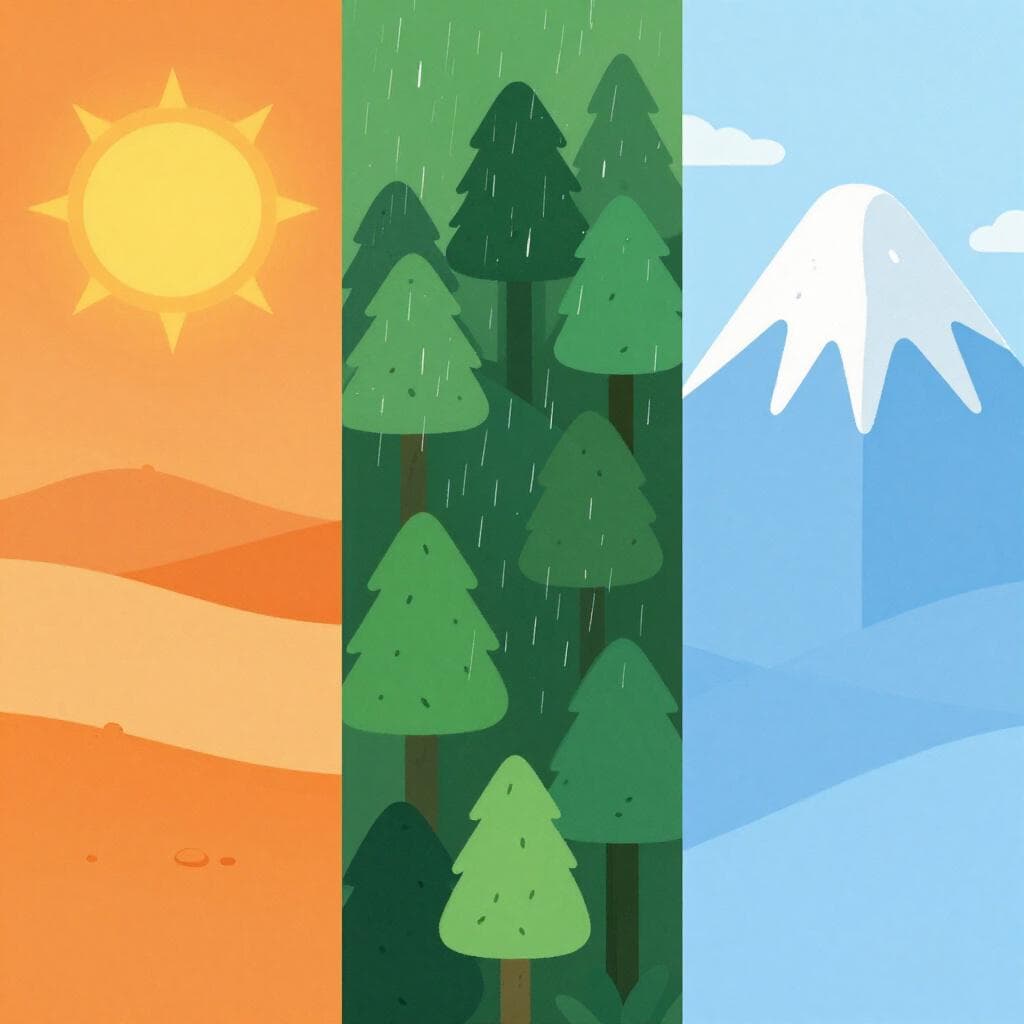
climatic
“El cambio climático es una preocupación global.”
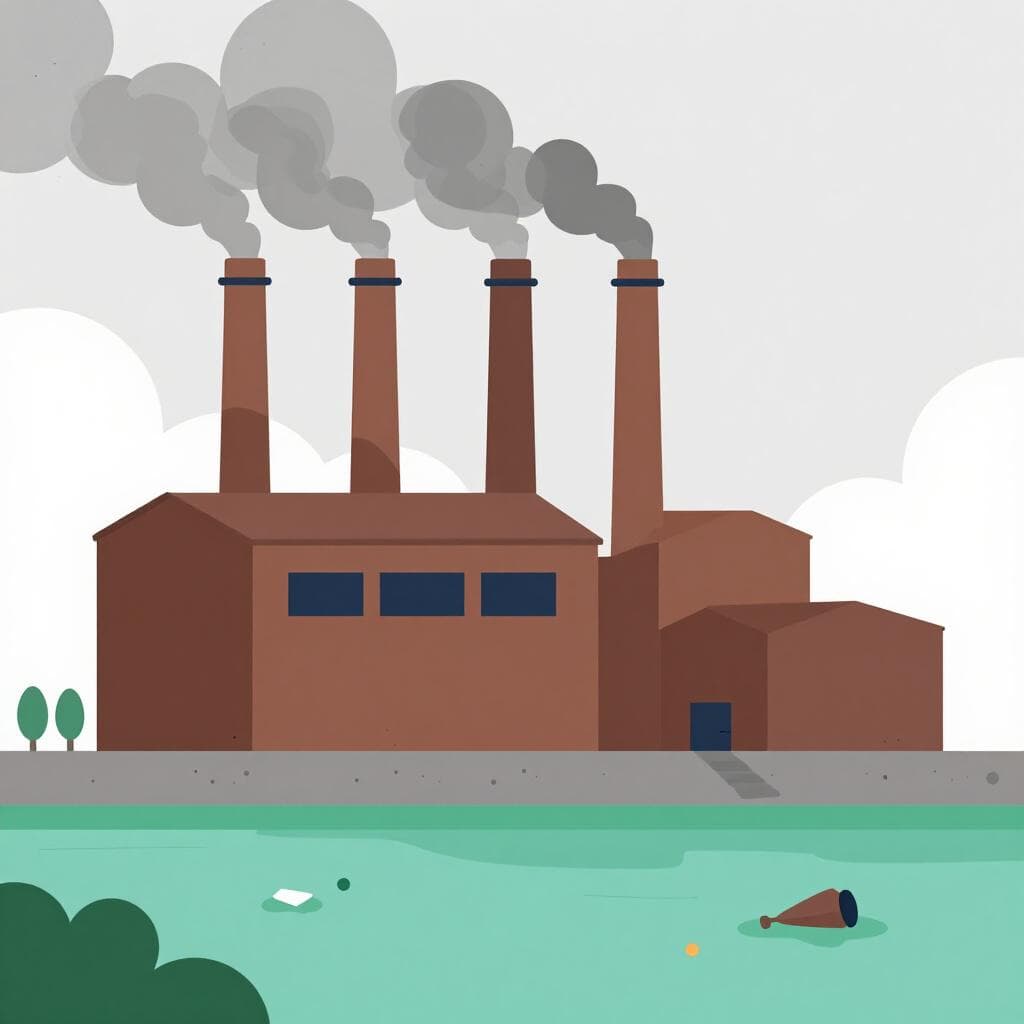
pollution
“La contaminación del aire es un gran problema en las ciudades.”

echo
“El eco en la montaña era impresionante.”

eco-friendly
“Mi primo se compró un coche ecológico.”
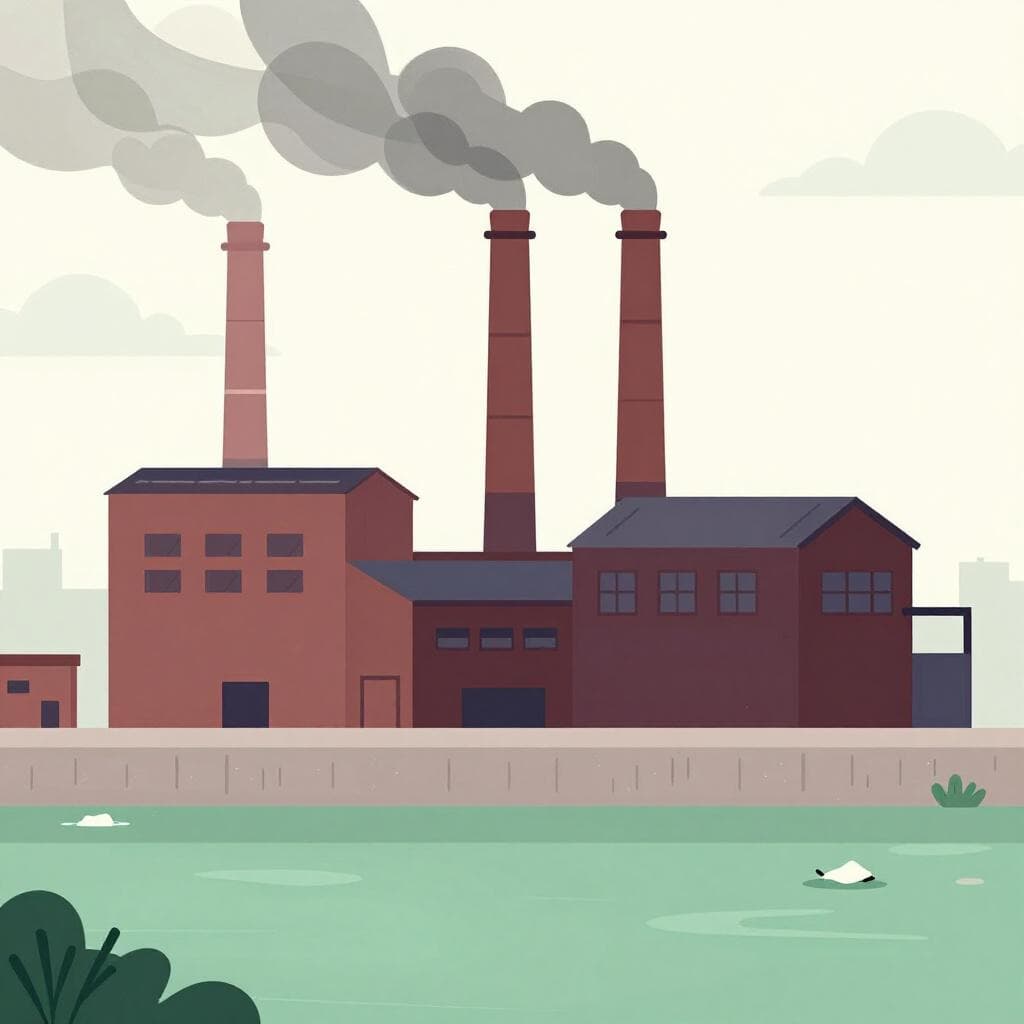
polluted
“El aire de la ciudad está muy contaminado hoy.”
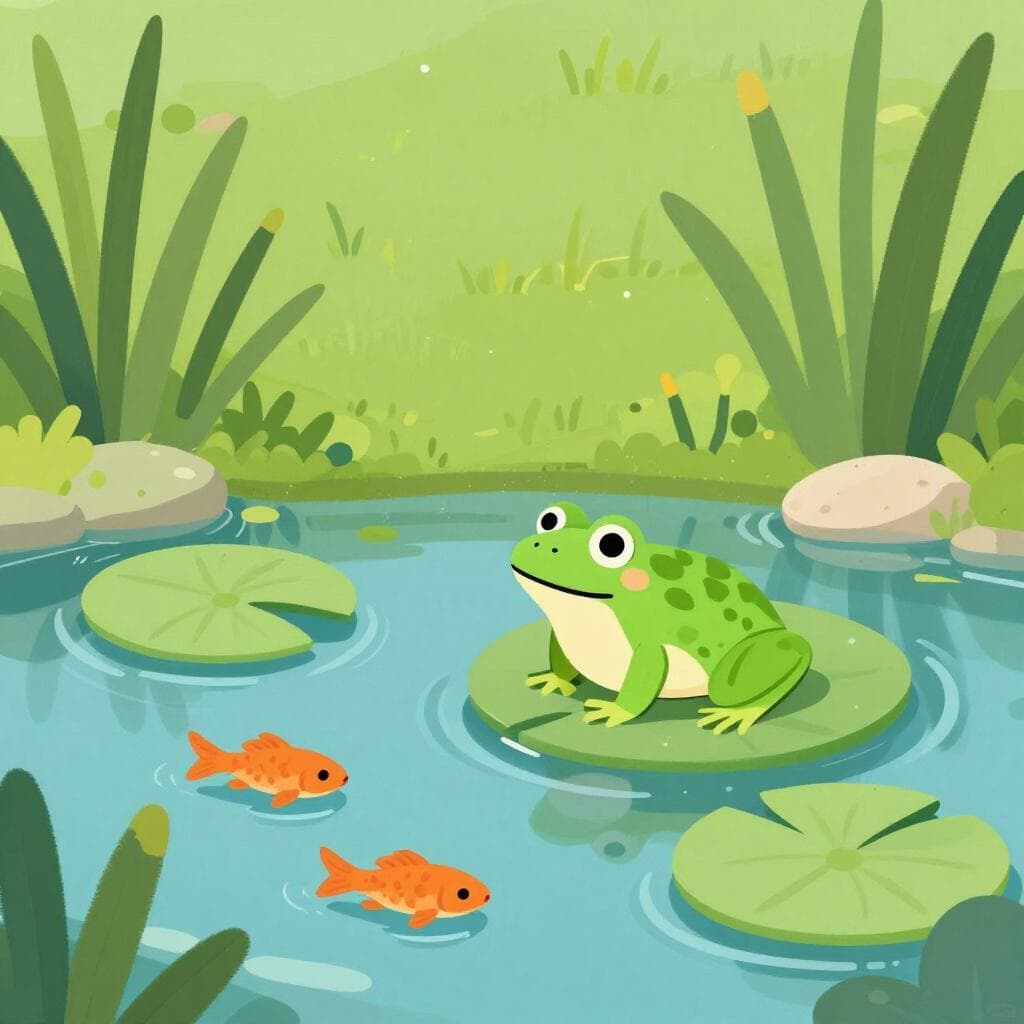
ecosystem
“El arrecife de coral es un ecosistema muy frágil.”

flora
“La flora del desierto es fascinante.”

flood
“La inundación destruyó muchas casas cerca del río.”
B1 — Intermediate (10 words)
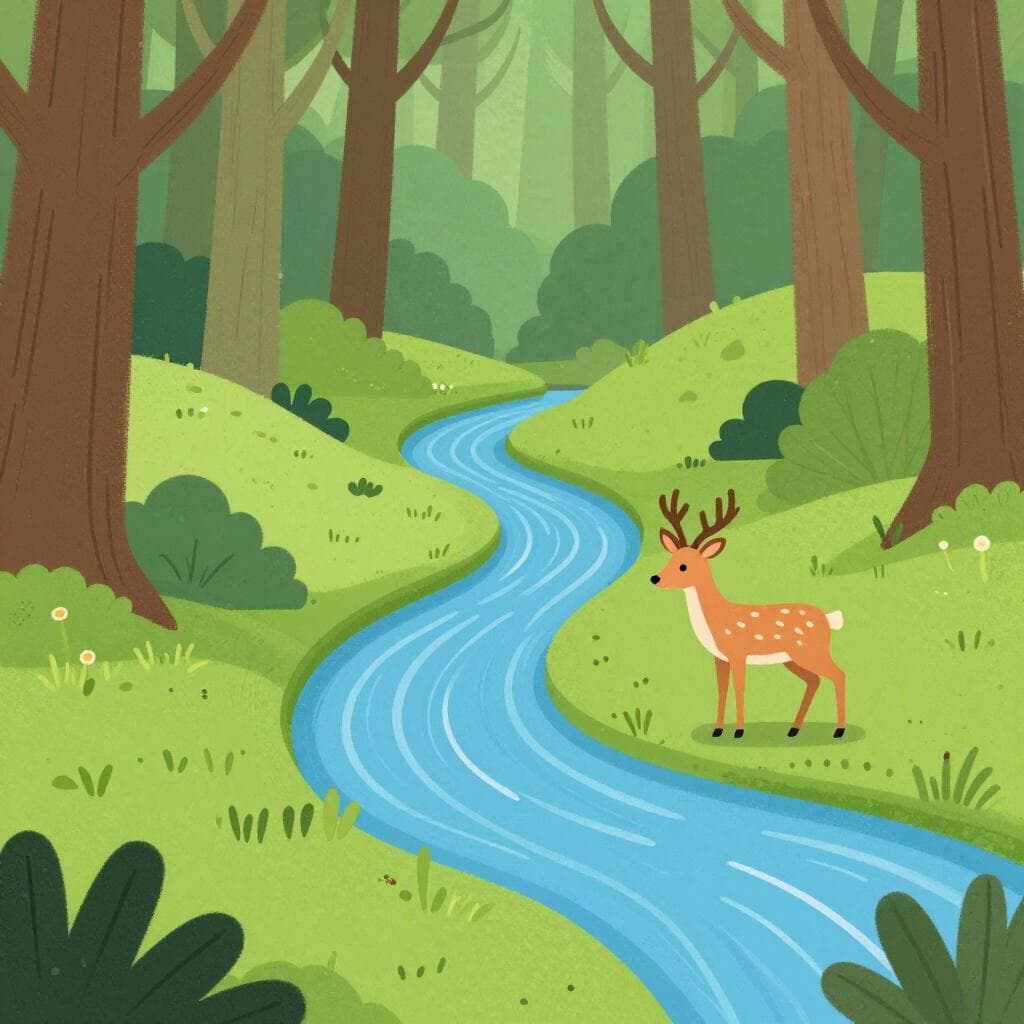
environmental
“La contaminación ambiental es un problema grave en las ciudades grandes.”
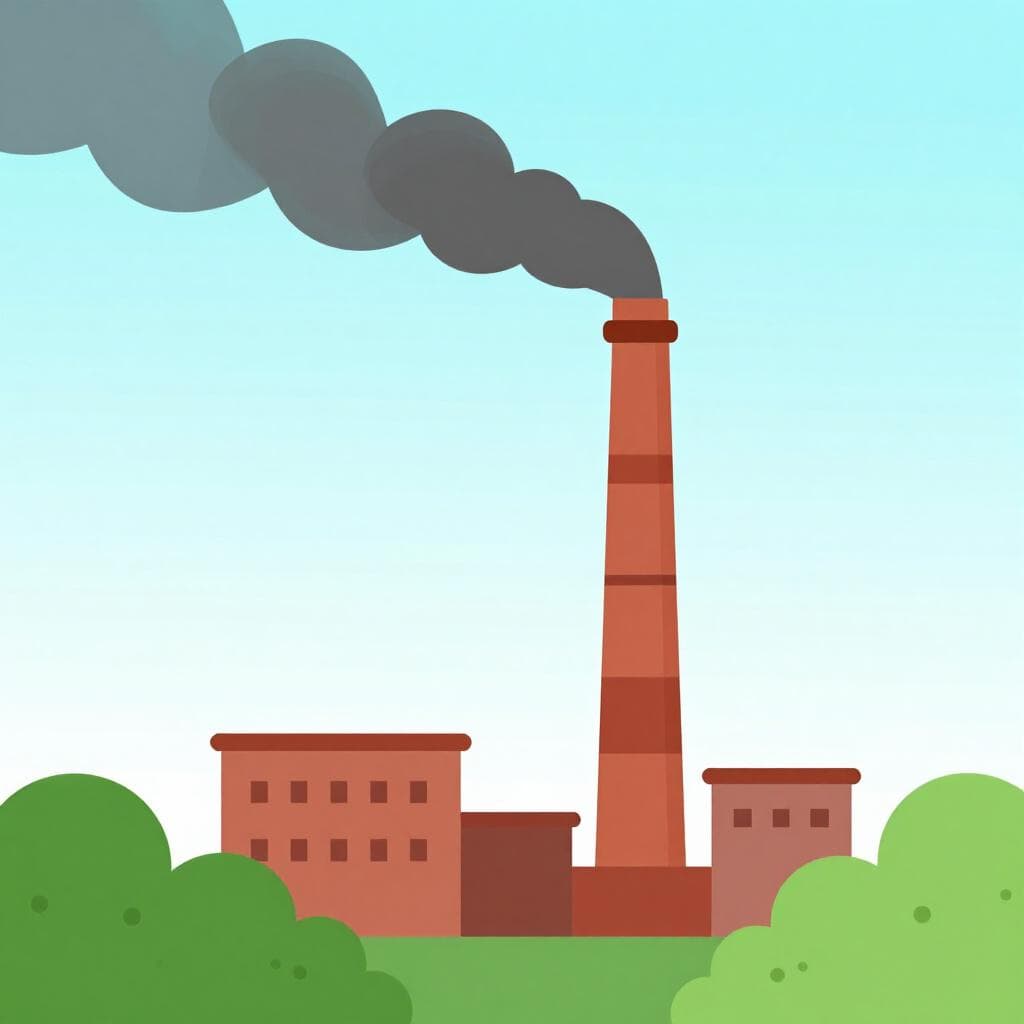
to pollute
“Las fábricas contaminan el río con sus desechos.”
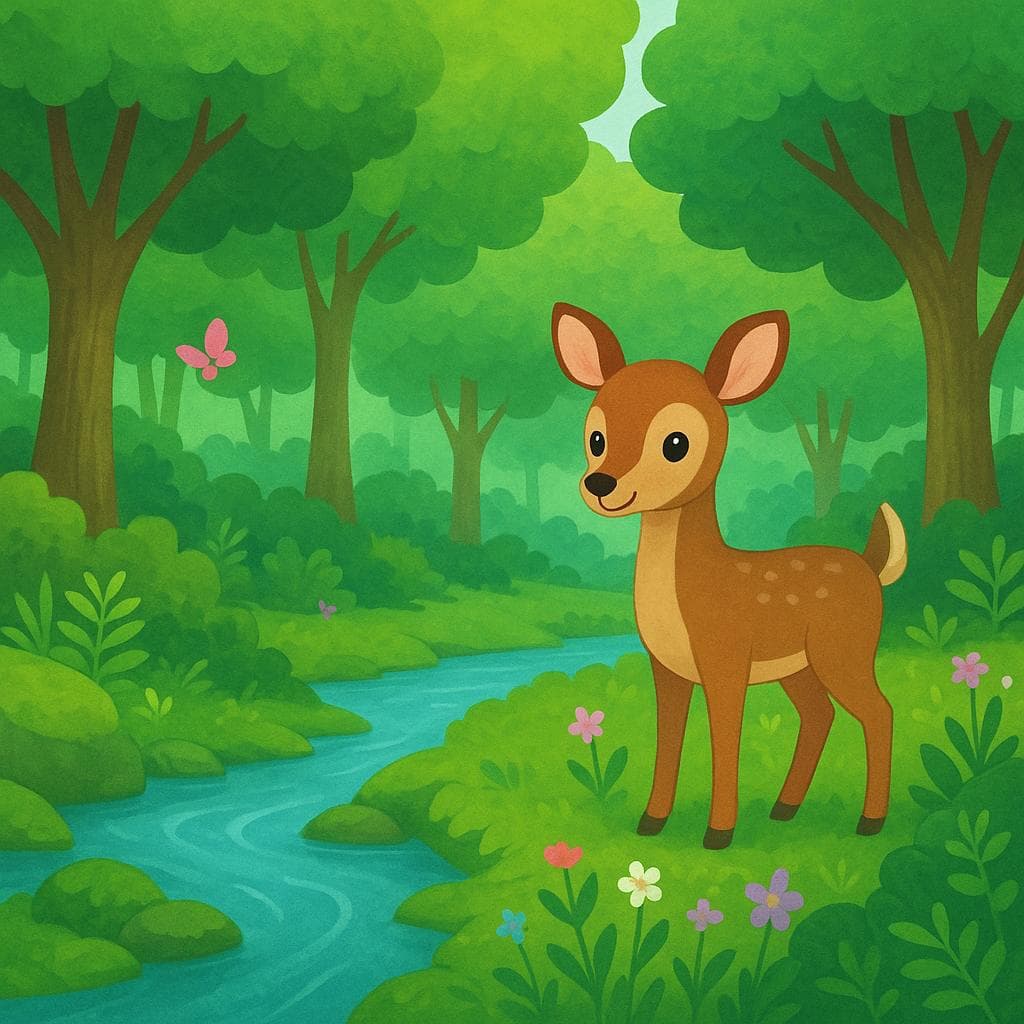
environment
“Es importante crecer en un entorno seguro.”

preservation
“La conservación del medio ambiente es una prioridad.”
extinction
“Muchos animales están en peligro de extinción debido al cambio climático.”

wildlife
“La fauna de las islas Galápagos es única en el mundo.”

plague
“La plaga de langostas destruyó toda la cosecha.”

waste
“Es importante separar cada residuo en el contenedor correcto.”
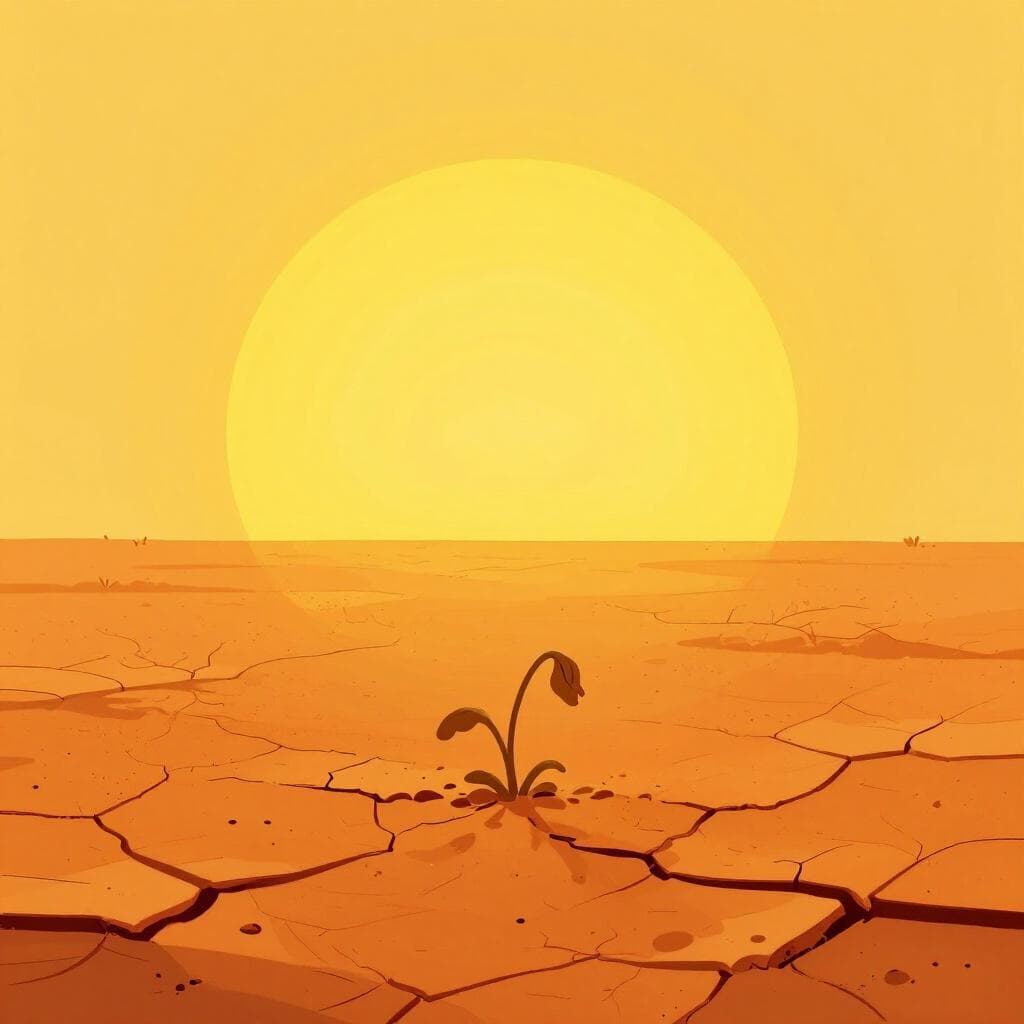
drought
“Muchos países están sufriendo una sequía severa.”
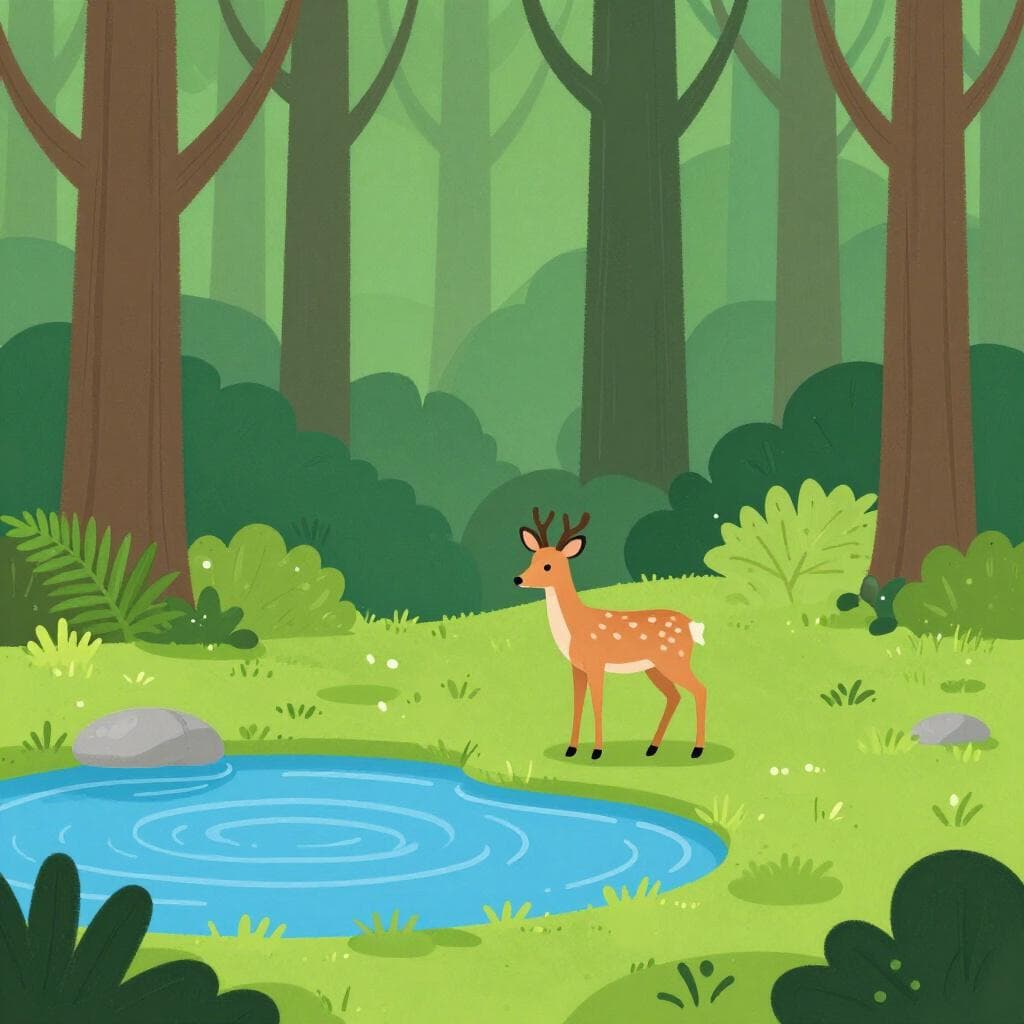
habitat
“El león está en su hábitat.”
Grammar Tips
Gender Agreement with 'Medio Ambiente'
The phrase 'medio ambiente' (environment) is masculine. Remember that adjectives describing it must also be masculine. For example, 'un ambiente sano' (a healthy environment), not 'una ambiente sana'.
Plurals for 'Contaminación'
While 'contaminación' (pollution) is a singular noun, you'll often hear about different types or sources of pollution. You can use the plural 'contaminaciones' when referring to multiple distinct instances or types of pollution, though it's less common than talking about 'la contaminación' generally.
Adjectives and Nouns
Many environmental terms are adjectives that need to agree in gender and number with the noun they modify. For instance, 'un parque ecológico' (an eco-friendly park) vs. 'una reserva ecológica' (an eco-friendly reserve).
Common Mistakes
Incorrect Gender Agreement
Mistake: “La problema ambiental es grave.”
Correction: El problema ambiental es grave. — The word 'problema' is masculine, even though it ends in '-a'. Always check the gender of nouns ending in '-ma', as many are masculine (e.g., 'el tema', 'el sistema').
Confusing 'Ambiente' and 'Entorno'
Mistake: “Me gusta el contaminado ambiente.”
Correction: Me gusta el ambiente contaminado. OR Me gusta el entorno contaminado. — While 'ambiente' can mean atmosphere or surroundings, 'entorno' specifically refers to the immediate surroundings or environment. Also, the adjective 'contaminado' must come after the noun.
Pluralizing Uncountable Nouns
Mistake: “Hay muchas contaminaciones en el aire.”
Correction: Hay mucha contaminación en el aire. — 'Contaminación' is generally treated as an uncountable noun referring to pollution in general. Use the singular form unless referring to specific, distinct types or events of pollution.
Cultural Notes
Latin America's Biodiversity Focus
Many Spanish-speaking countries in Latin America are megadiverse, meaning they hold a large percentage of the world's species. Because of this, discussions about 'la fauna' and 'la flora' are incredibly prominent and detailed in their media and everyday conversations.
Spain's Water Scarcity Concerns
Given its climate, Spain often faces significant water scarcity issues. This means terms like 'sequía' (drought), 'recursos hídricos' (water resources), and 'gestión del agua' (water management) are frequently discussed and culturally relevant, especially in southern regions.