Plants & Flowers in Spanish
Explore the beautiful world of plants and flowers in Spanish! This vocabulary set will help you describe gardens, parks, and natural landscapes, making your travels and conversations richer. You'll learn common terms for different plant parts and actions, useful for everything from discussing a bouquet to identifying wild flora.
Quick Reference
| Spanish | English | Example | Level |
|---|---|---|---|
brotar | to sprout | Las flores brotan en la primavera. | A2 |
flor | flower | Mi abuela cultiva rosas y otras flores en su jardín. | A1 |
haya | there is / there are | Ojalá que haya pastel en la fiesta. | B1 |
hierba | grass | Necesito cortar la hierba del jardín este fin de semana. | A1 |
hoja | leaf | La ardilla escondió la nuez debajo de una hoja grande. | A1 |
hongos | mushrooms | Me gusta la pizza con muchos hongos. | A1 |
margarita | daisy | Ella deshojó la margarita mientras decía: 'Me quiere, no me quiere'. | A1 |
matas | you kill | ¿Por qué no comes? ¡Te matas de hambre! | A2 |
oliva | olive | El aceite de oliva es la base de la cocina española. | A1 |
palmera | palm tree | Hay muchas palmeras en la playa de Miami. | A1 |
planta | plant | Mi abuela tiene muchas plantas medicinales en su patio. | A1 |
plantar | to plant | Queremos plantar un árbol en el patio. | A1 |
A1 — Beginner (14 words)
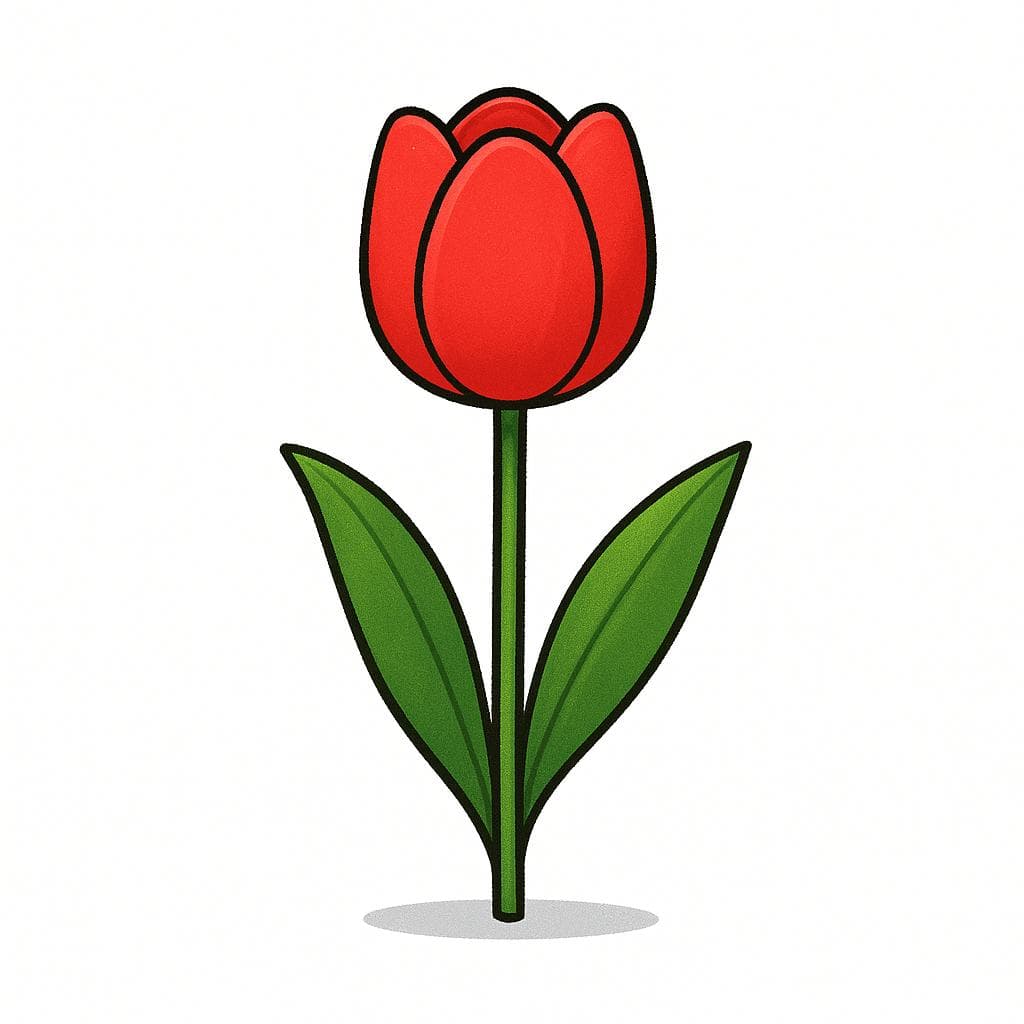
flower
“Mi abuela cultiva rosas y otras flores en su jardín.”

grass
“Necesito cortar la hierba del jardín este fin de semana.”
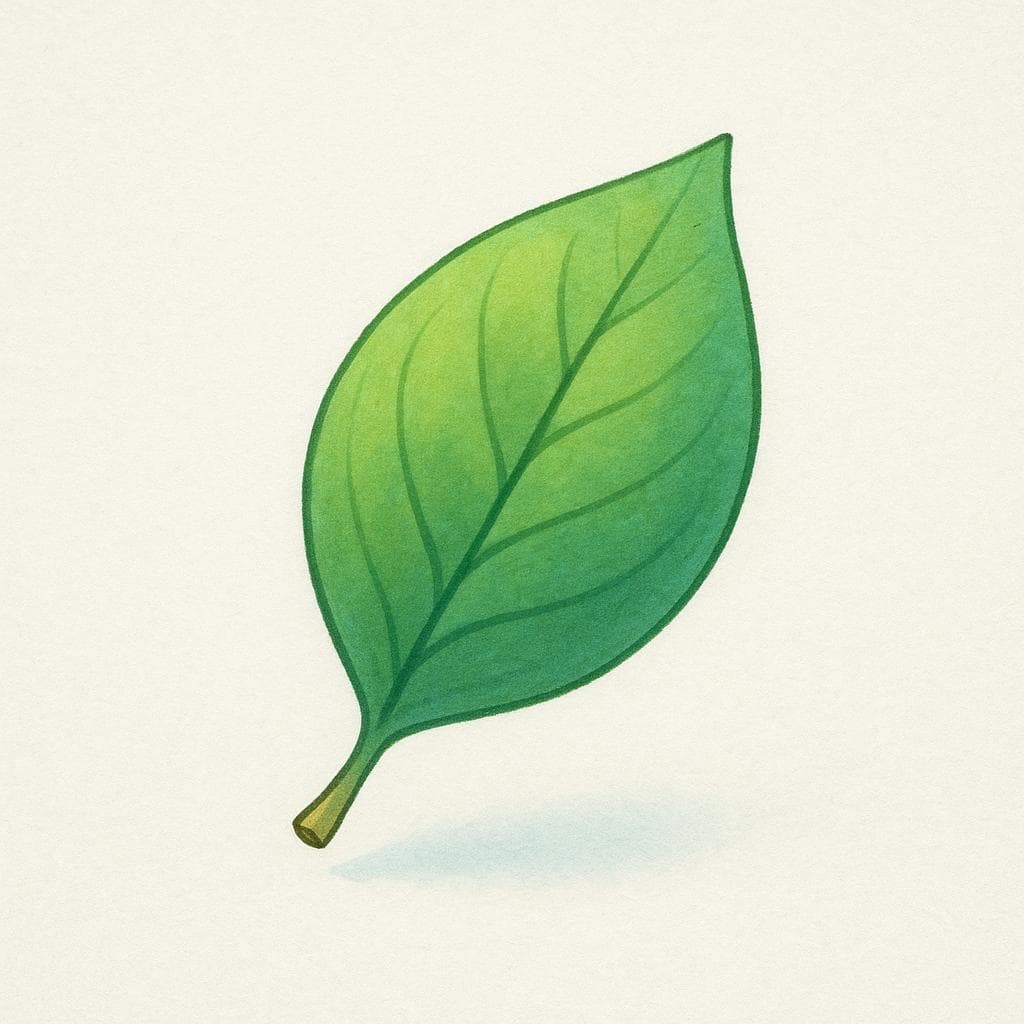
leaf
“La ardilla escondió la nuez debajo de una hoja grande.”
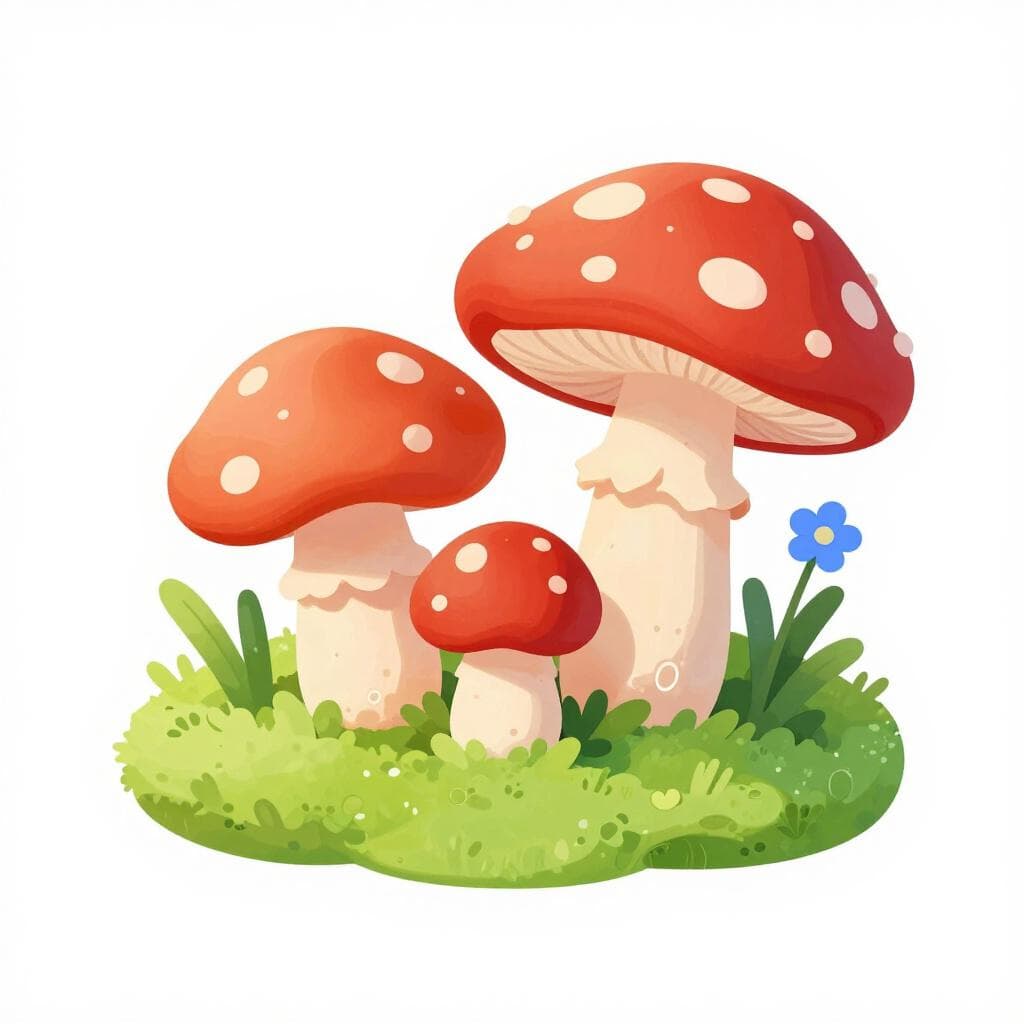
mushrooms
“Me gusta la pizza con muchos hongos.”
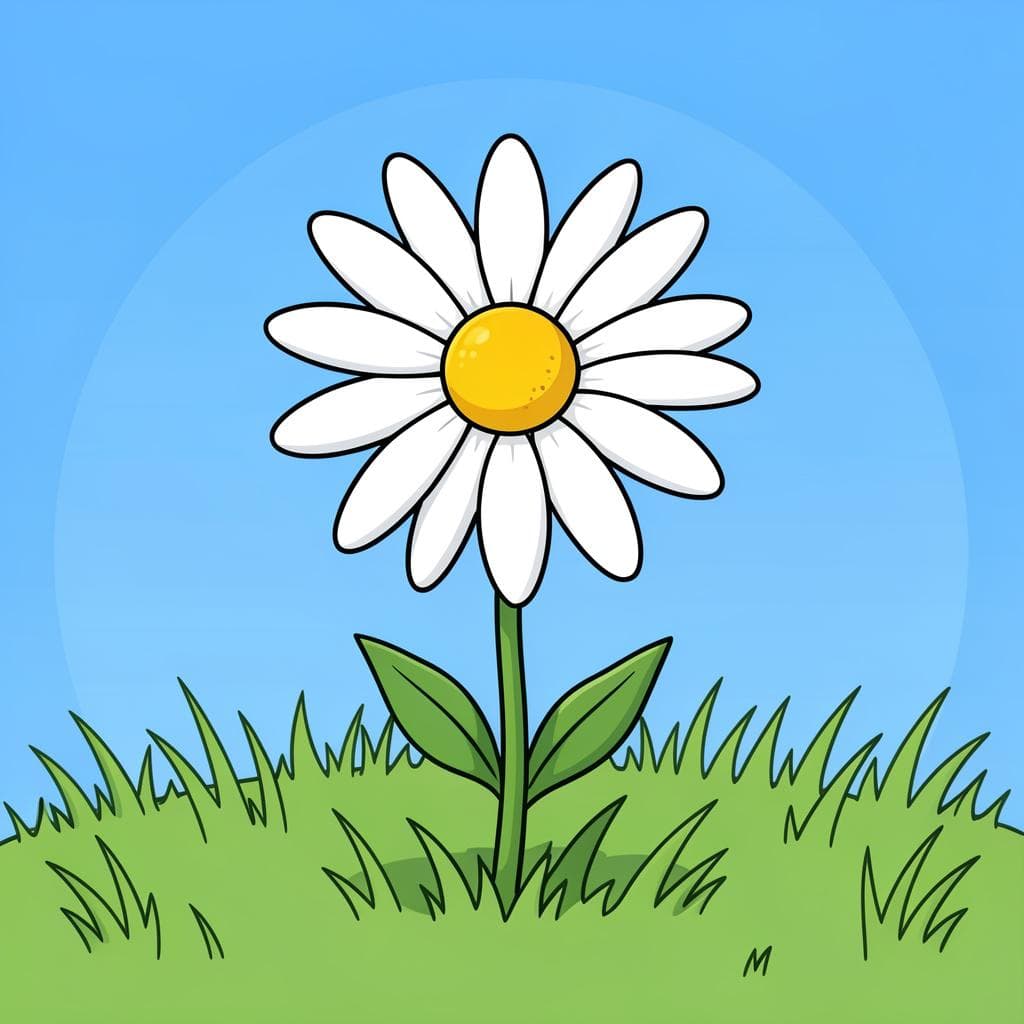
daisy
“Ella deshojó la margarita mientras decía: 'Me quiere, no me quiere'.”

olive
“El aceite de oliva es la base de la cocina española.”
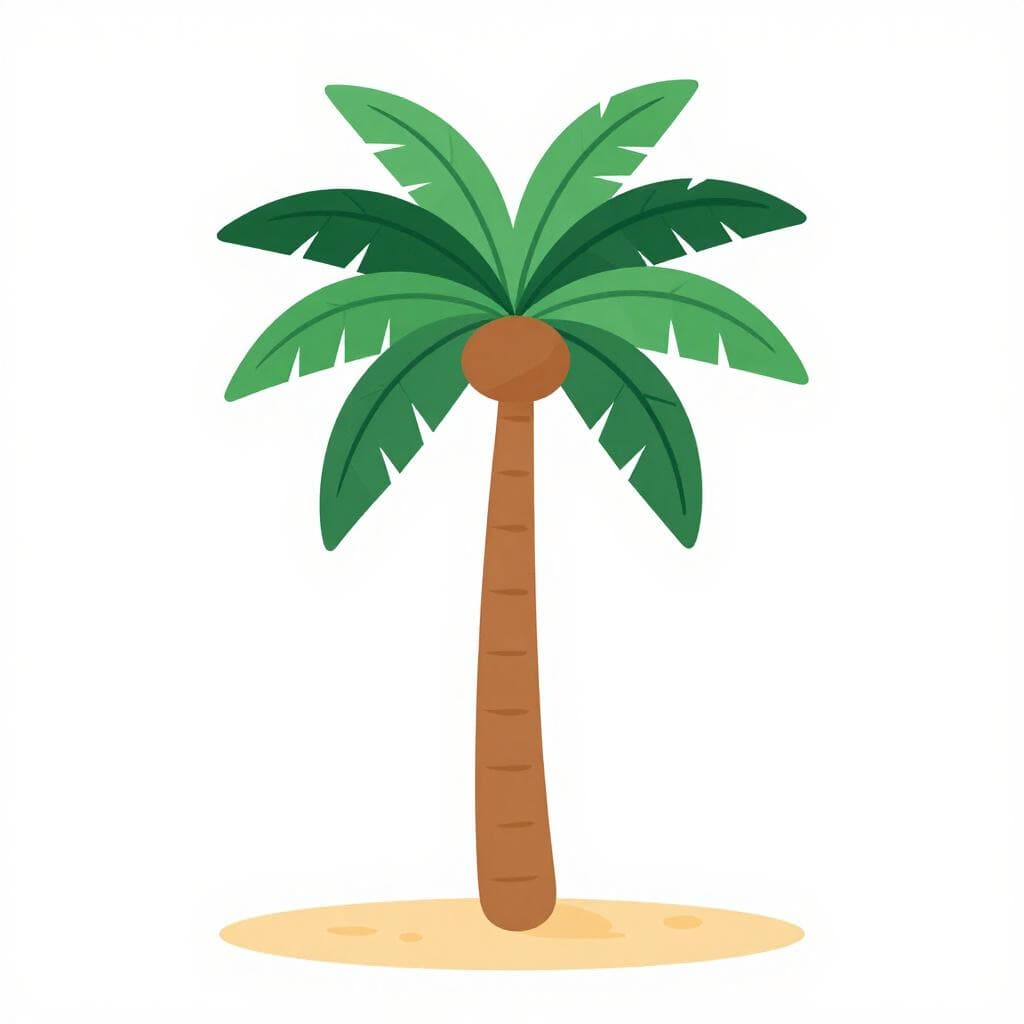
palm tree
“Hay muchas palmeras en la playa de Miami.”
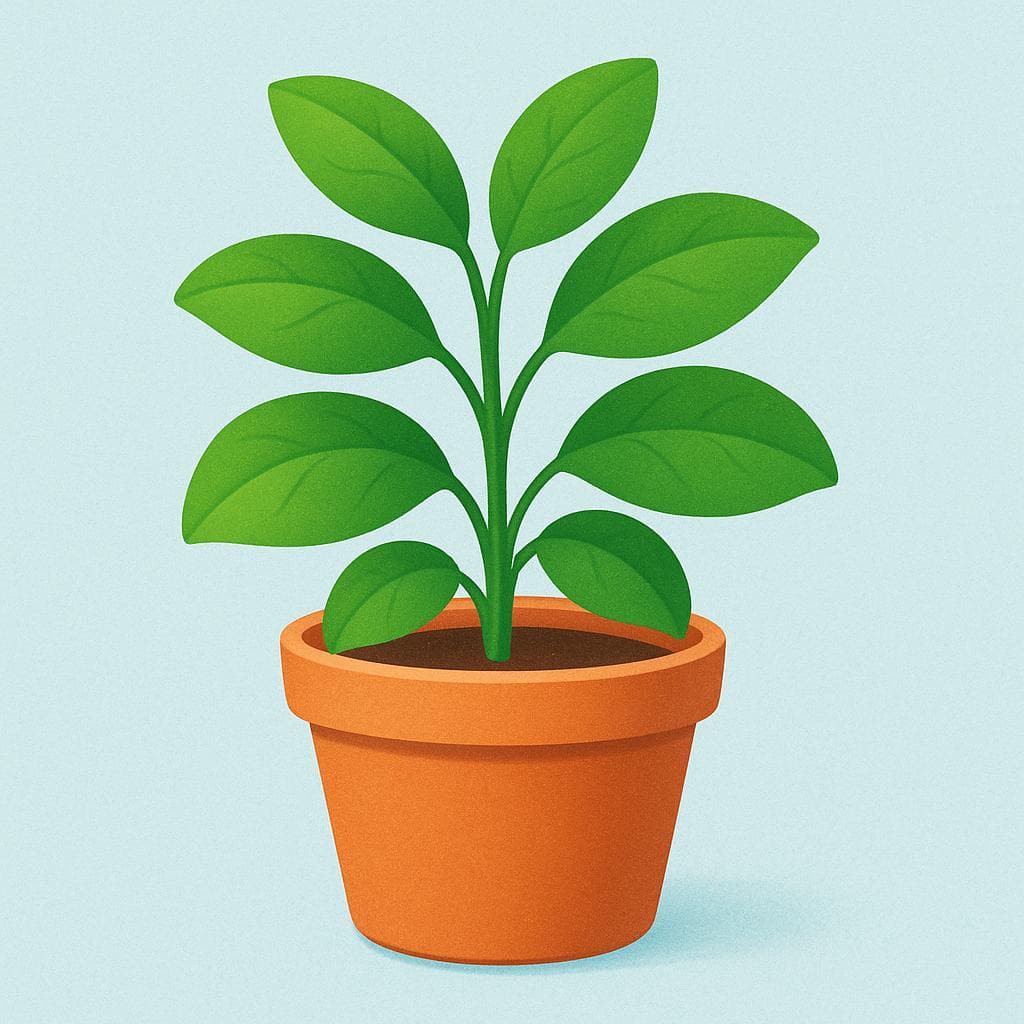
plant
“Mi abuela tiene muchas plantas medicinales en su patio.”
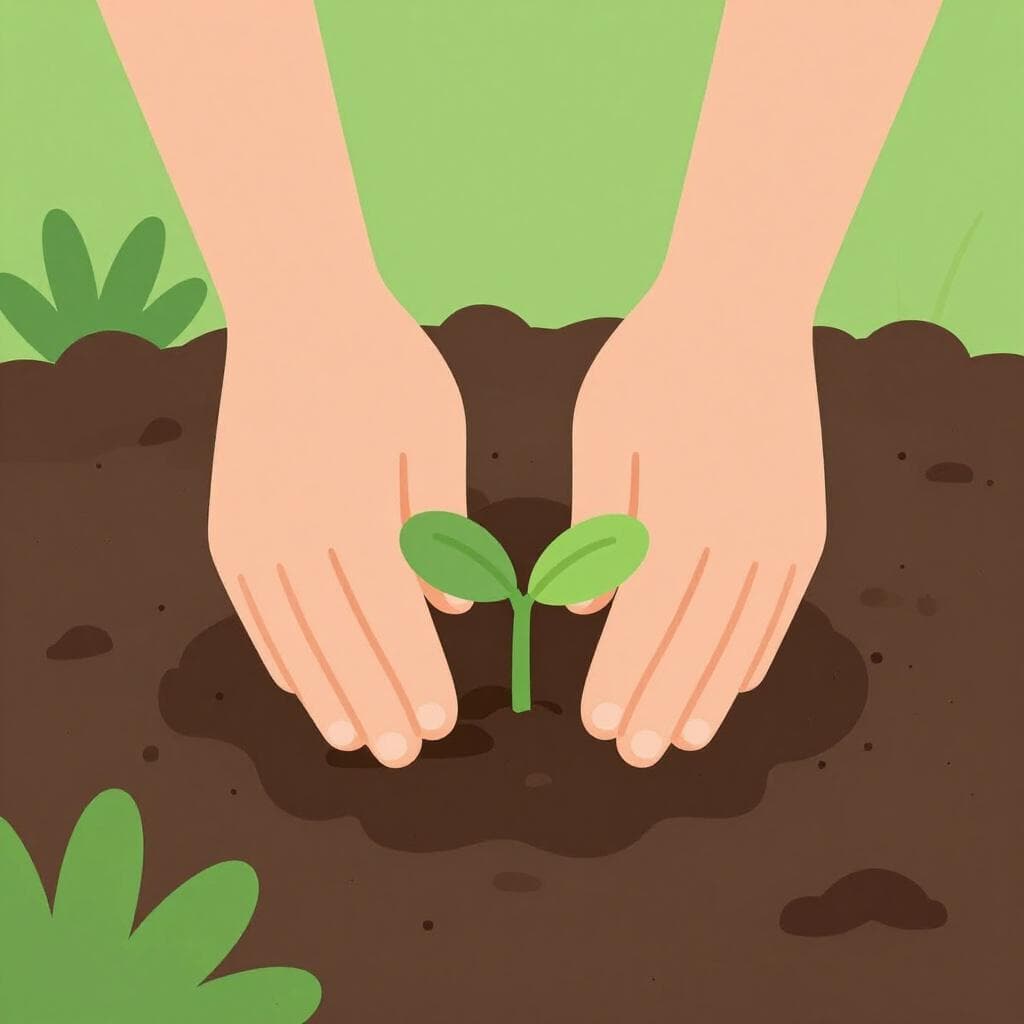
to plant
“Queremos plantar un árbol en el patio.”

bouquet
“El novio le entregó un ramo de rosas a la novia.”
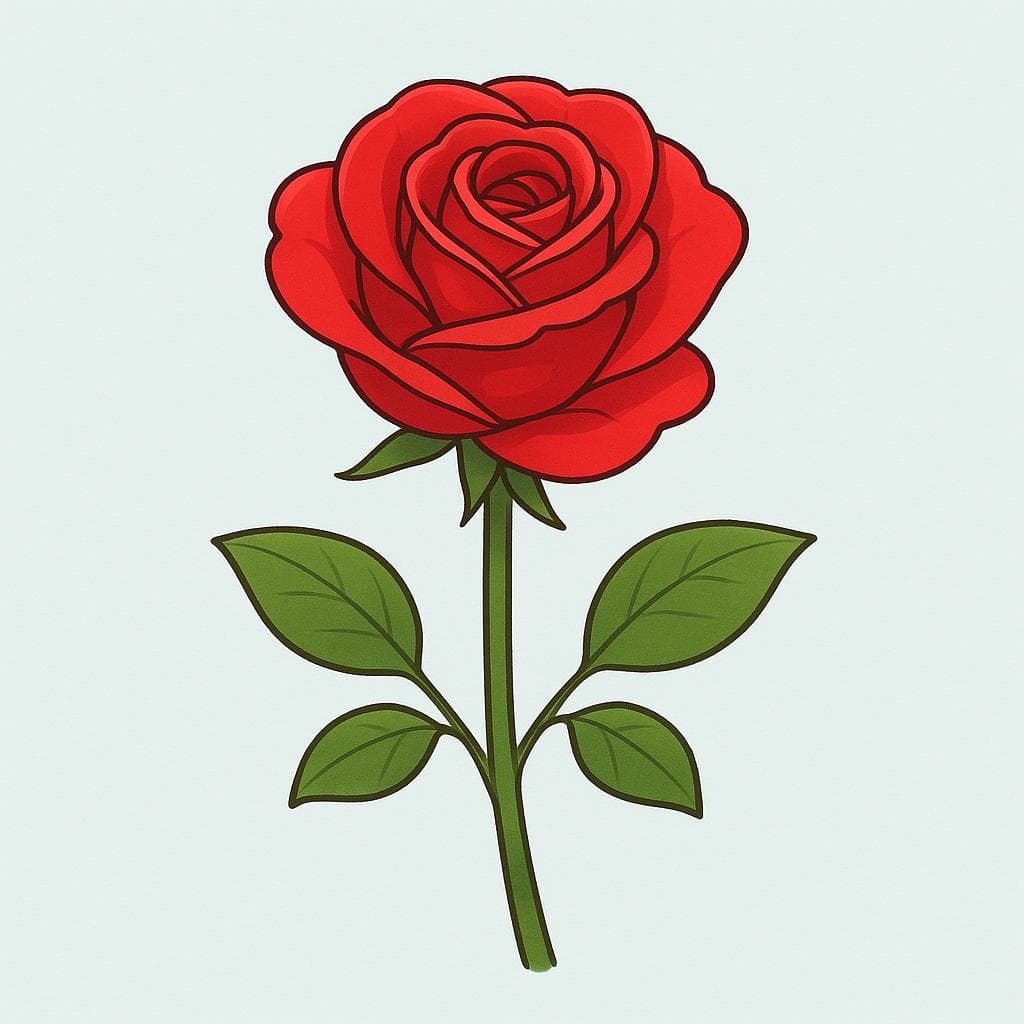
rose
“Me regaló una rosa roja por mi cumpleaños.”
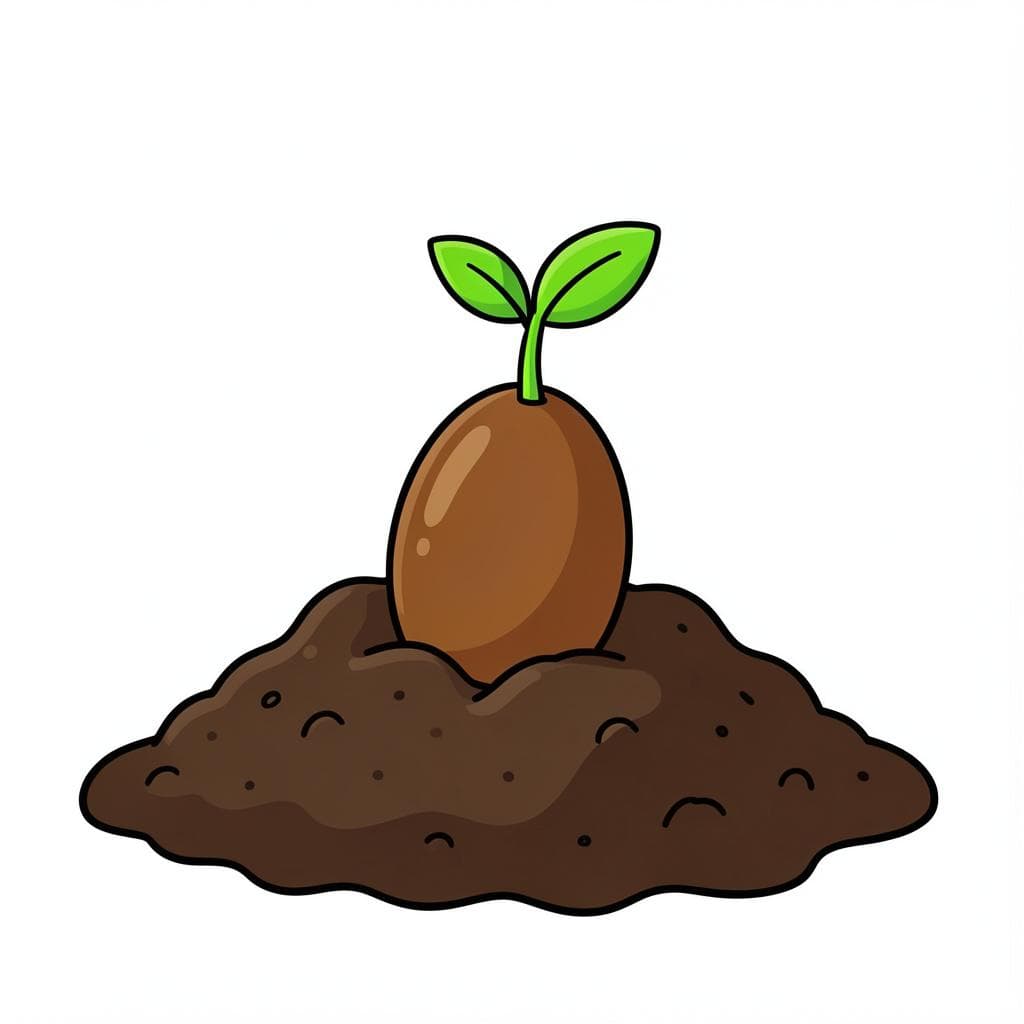
seed
“Necesitas plantar la semilla en tierra húmeda.”
plant-based
“Prefiero usar aceite vegetal para cocinar.”
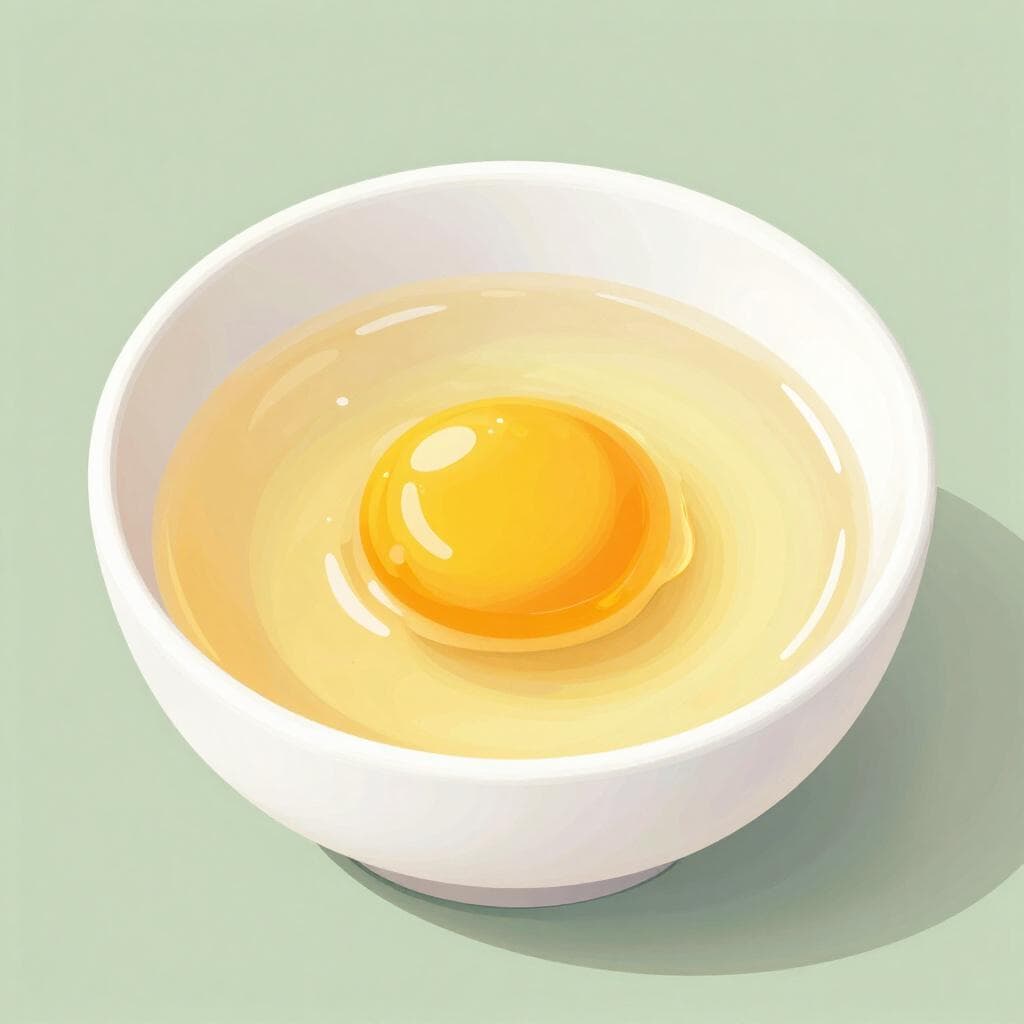
yolk
“Prefiero comer la yema del huevo blanda.”
A2 — Elementary (16 words)
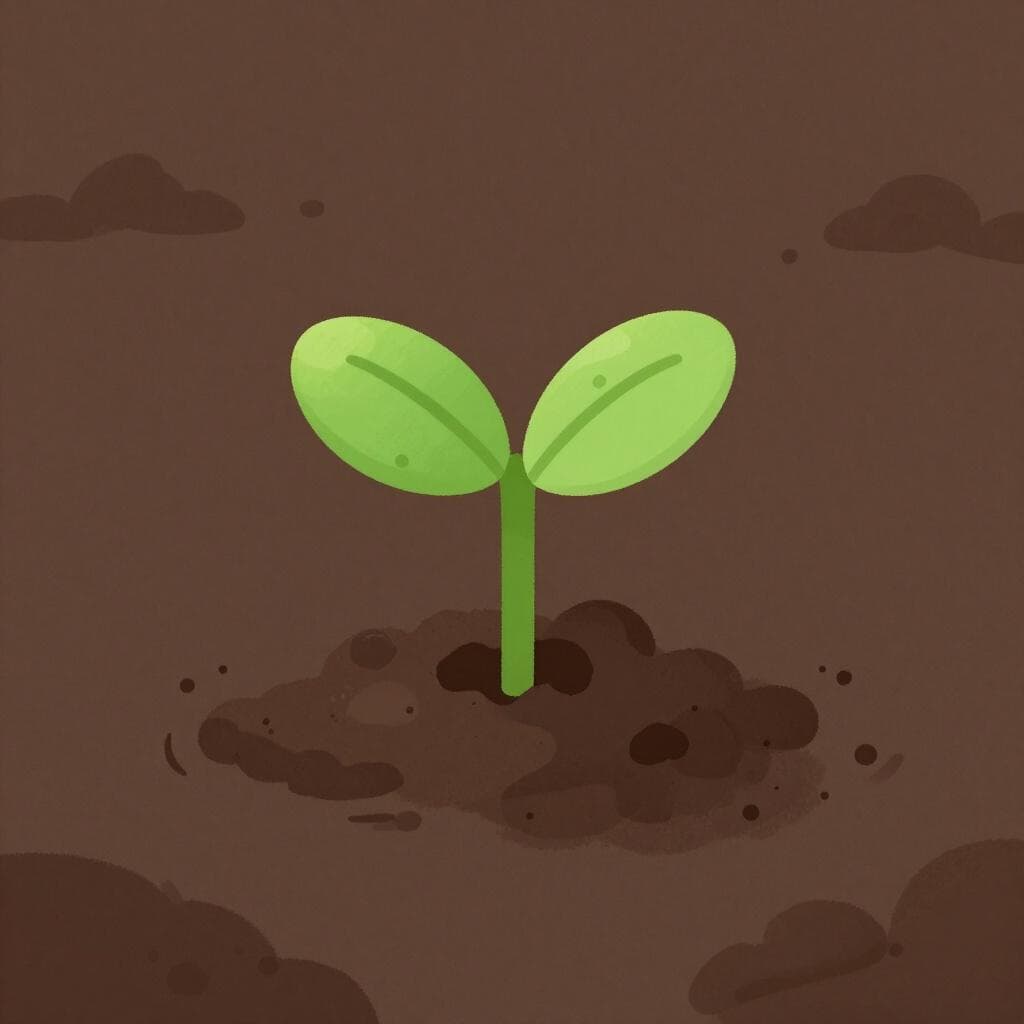
to sprout
“Las flores brotan en la primavera.”
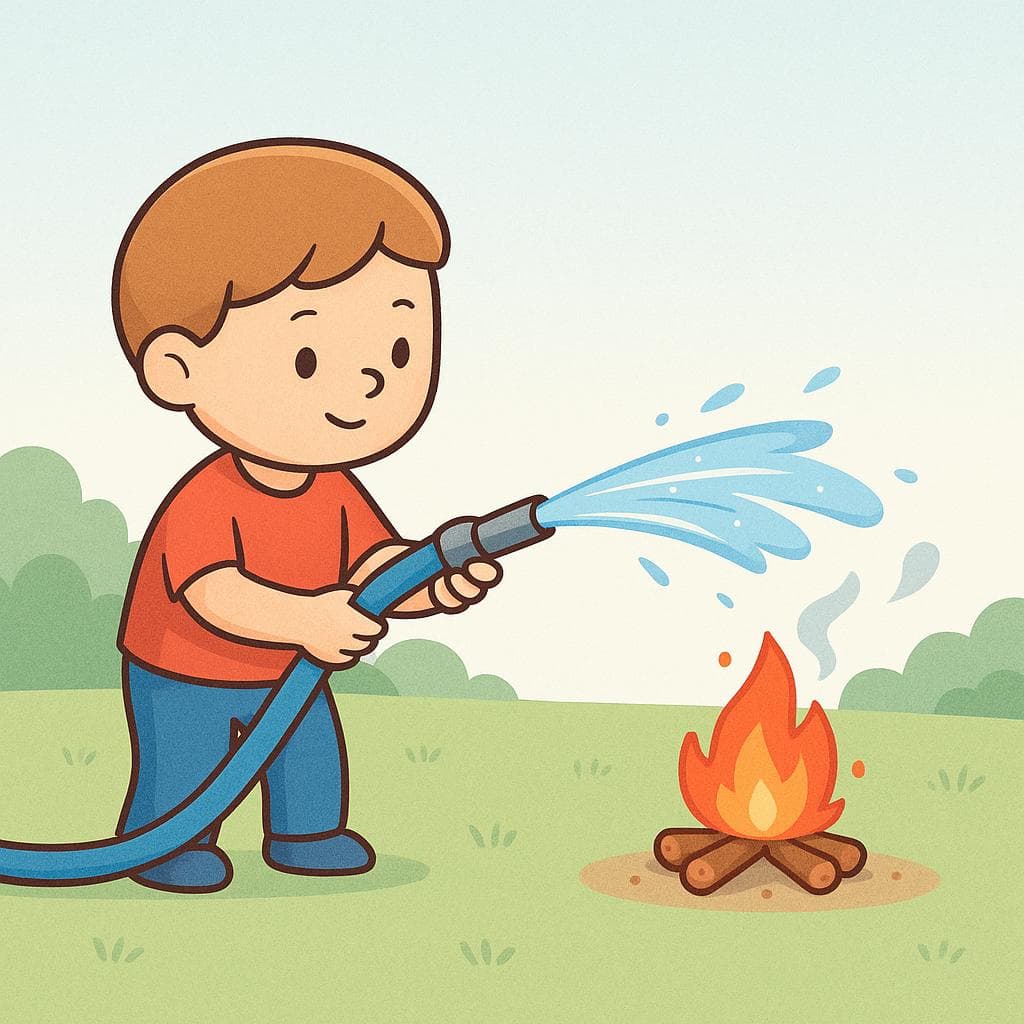
you kill
“¿Por qué no comes? ¡Te matas de hambre!”
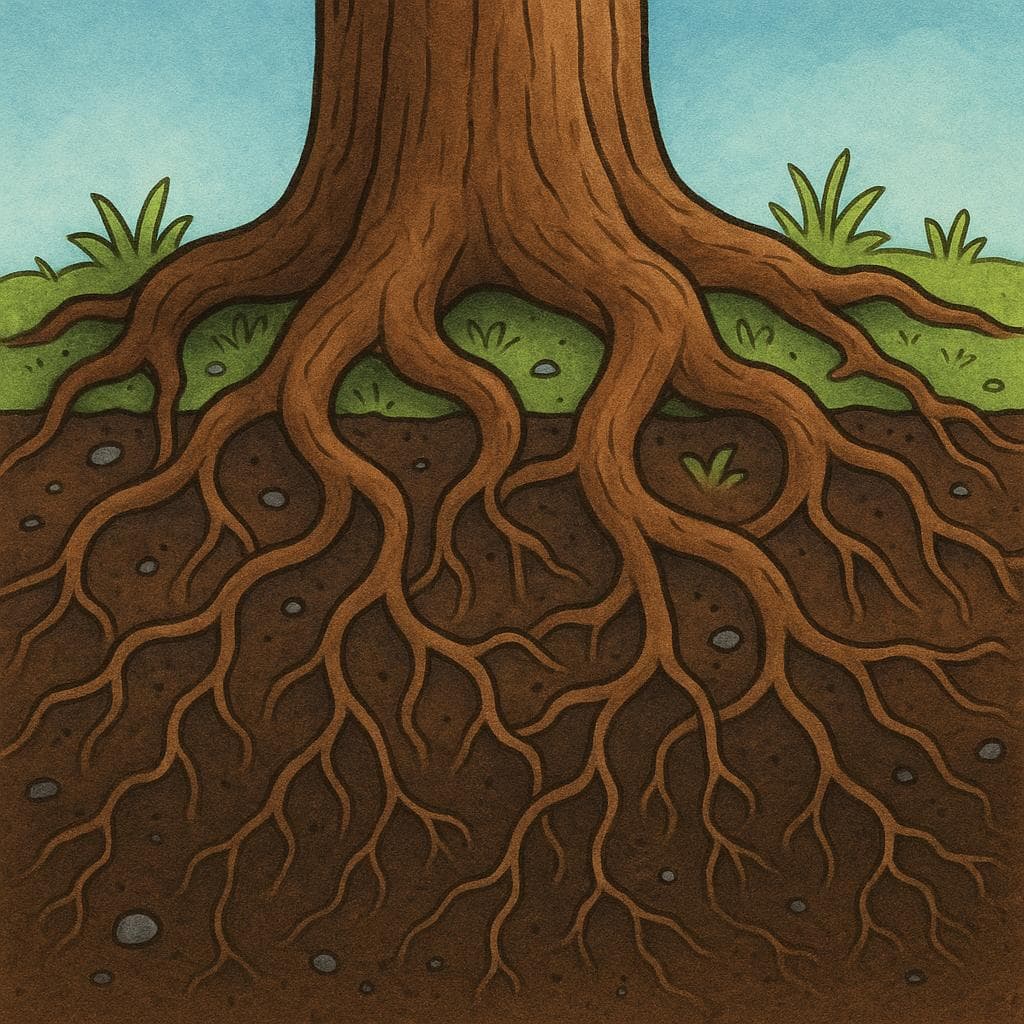
roots
“Las raíces del árbol crecieron debajo de la acera.”
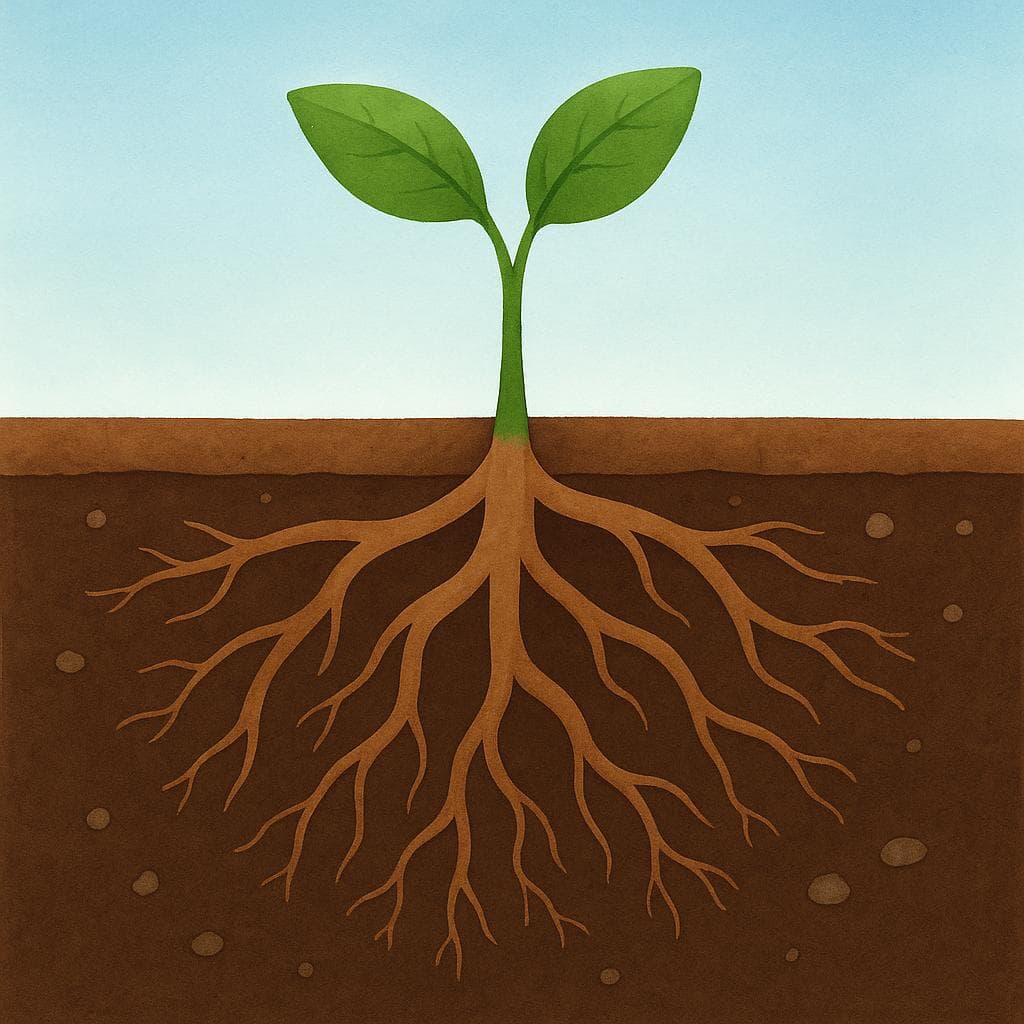
root
“Las raíces del árbol son muy profundas.”
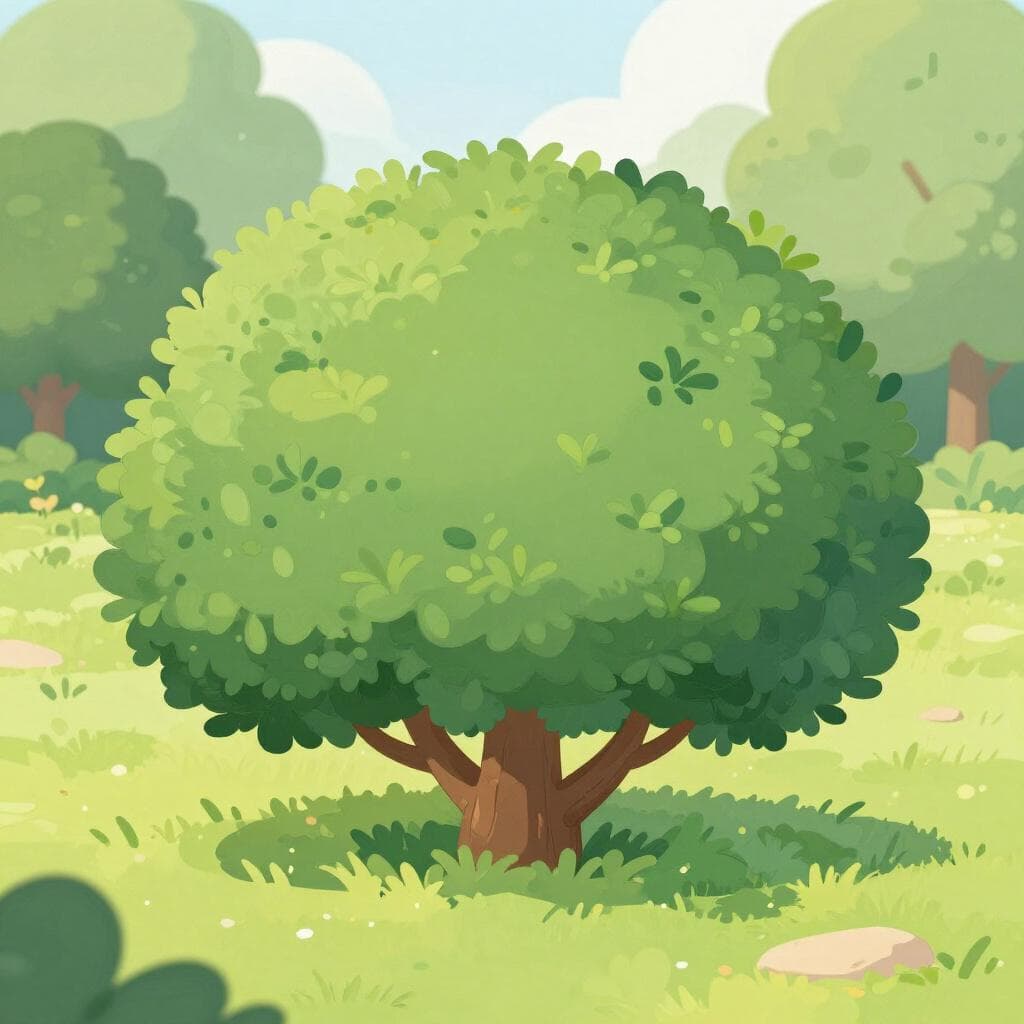
shrub
“Hay un arbusto con flores rojas frente a la casa.”
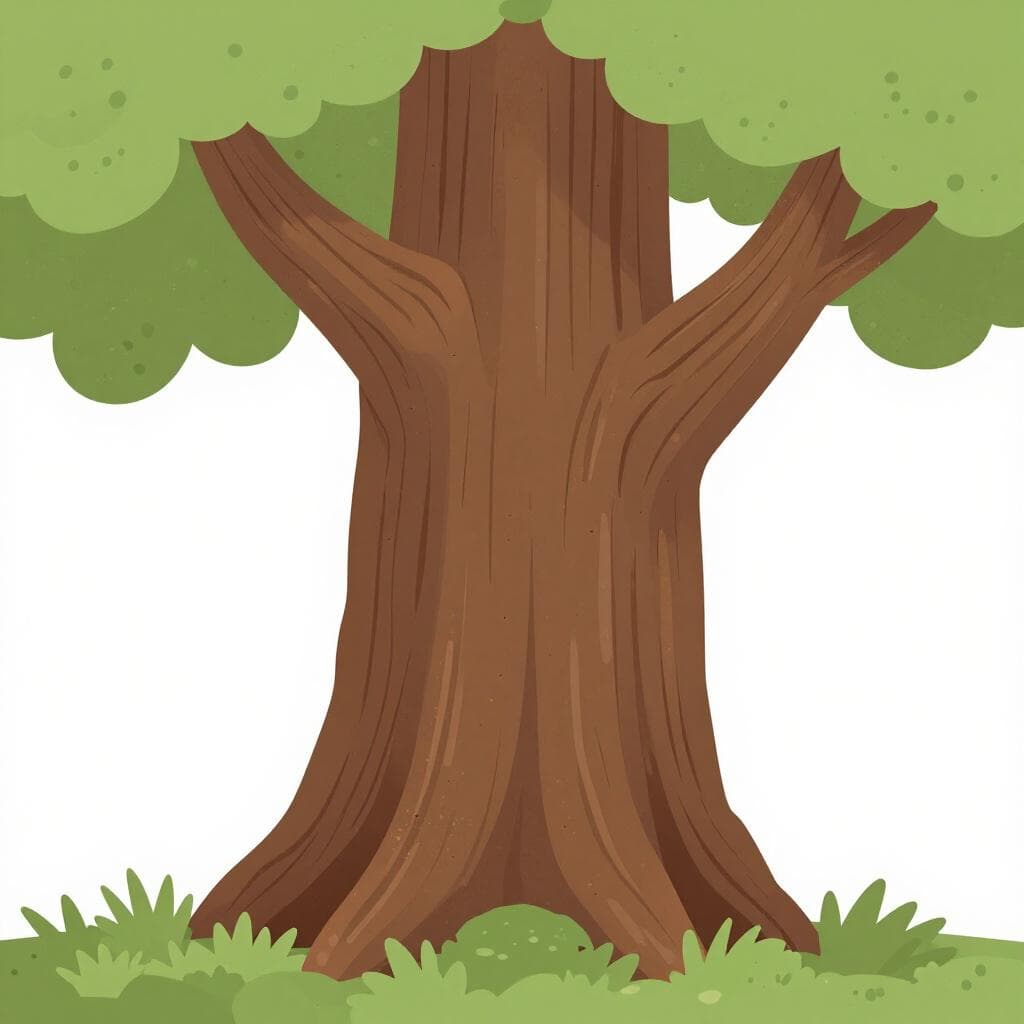
bark
“No me gusta la corteza del pan, prefiero solo la miga.”

flora
“La flora del desierto es fascinante.”

to bloom
“Los cerezos suelen florecer en el mes de abril.”

bay leaf
“Pon una hoja de laurel en la salsa para que tenga más sabor.”
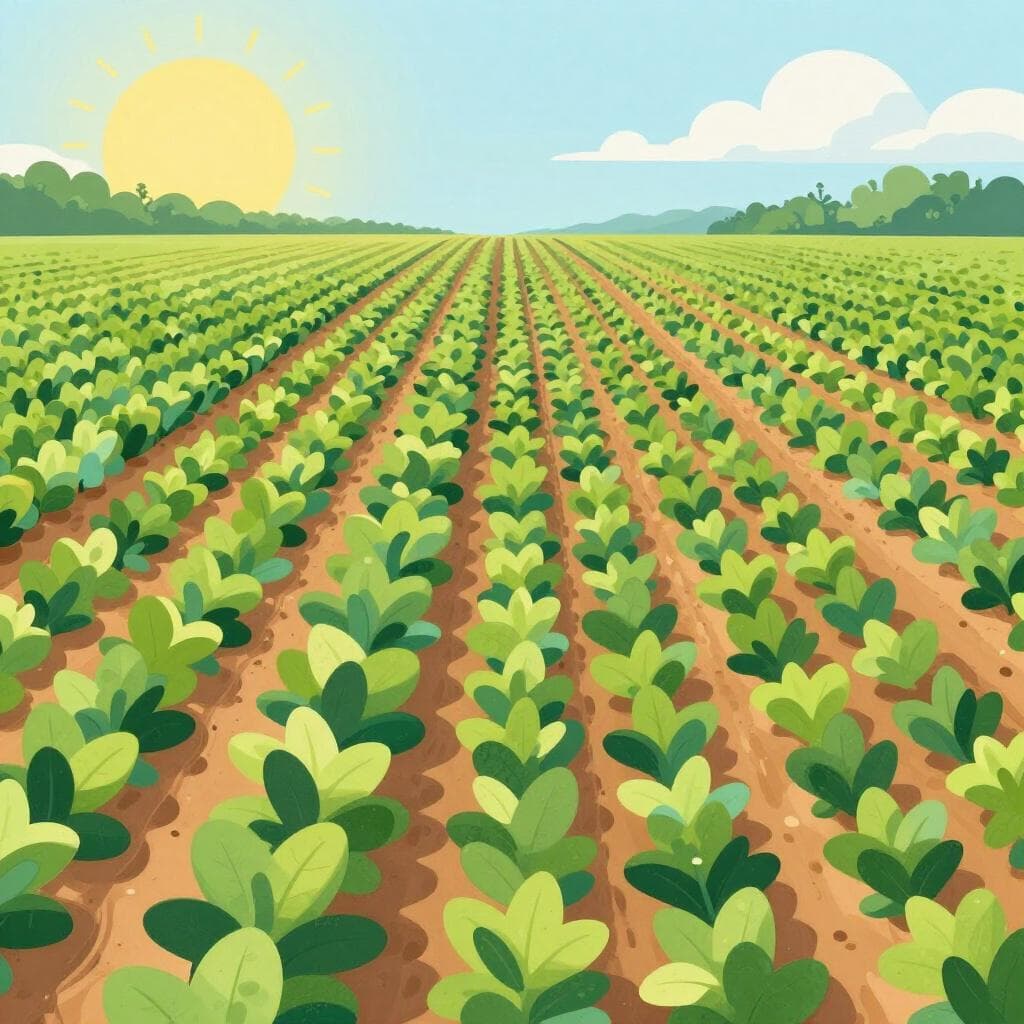
plantation
“Visitamos una plantación de café en Colombia.”
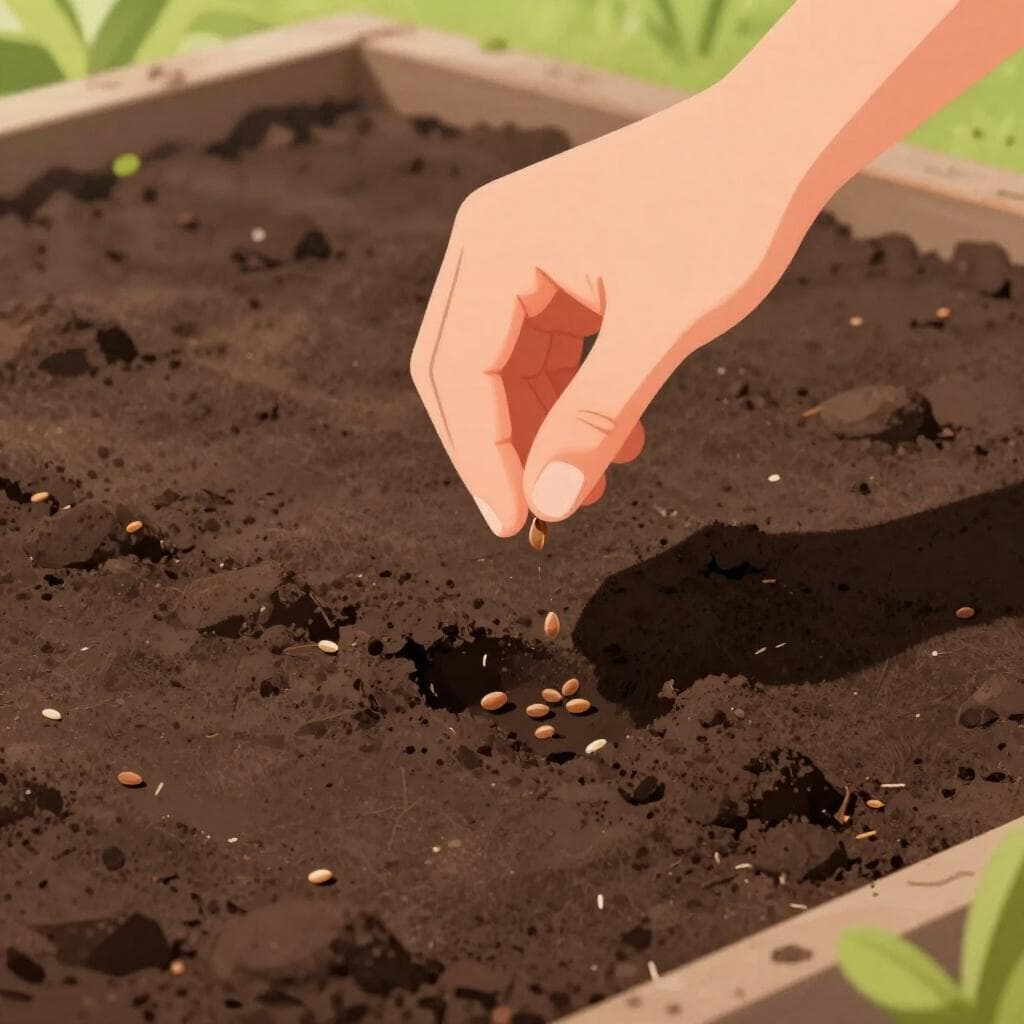
to sow
“Es el momento perfecto para sembrar las semillas de tomate.”
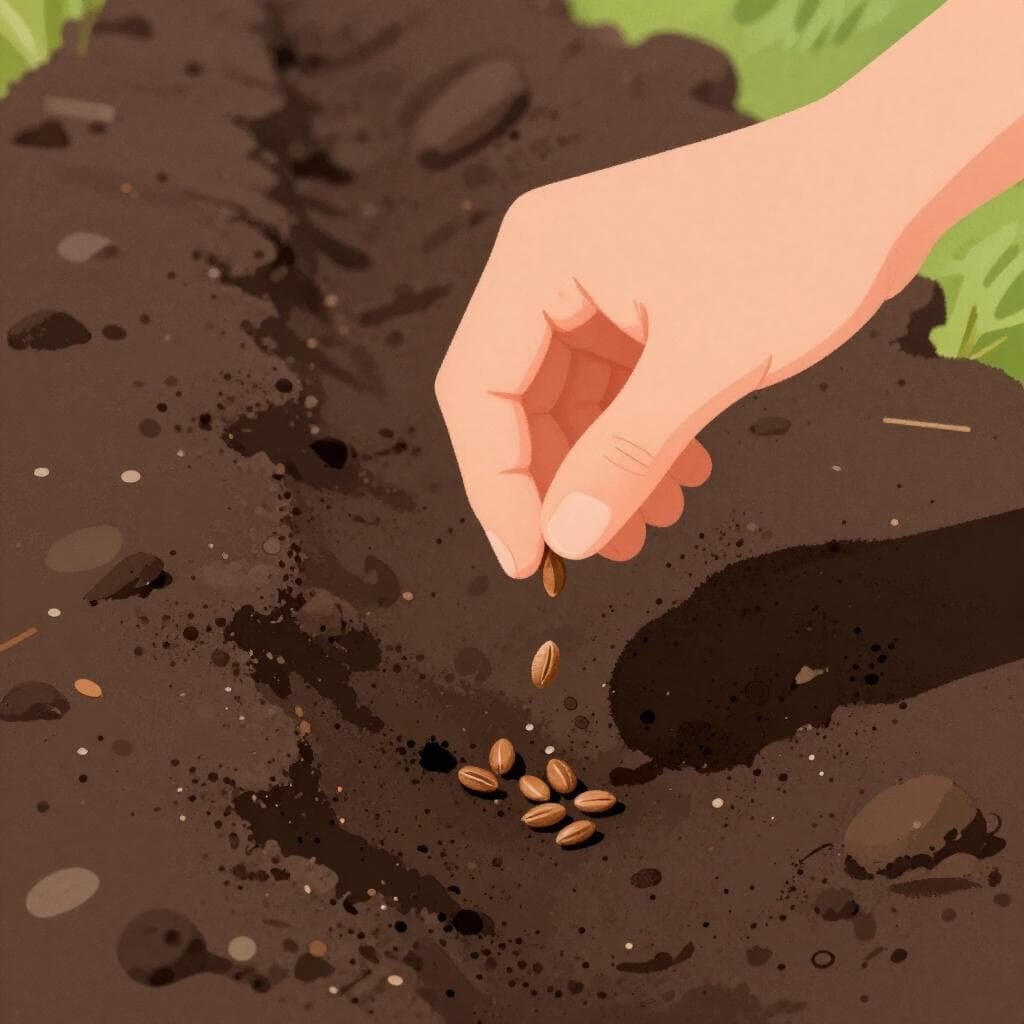
sowing
“La siembra de maíz comienza en primavera.”
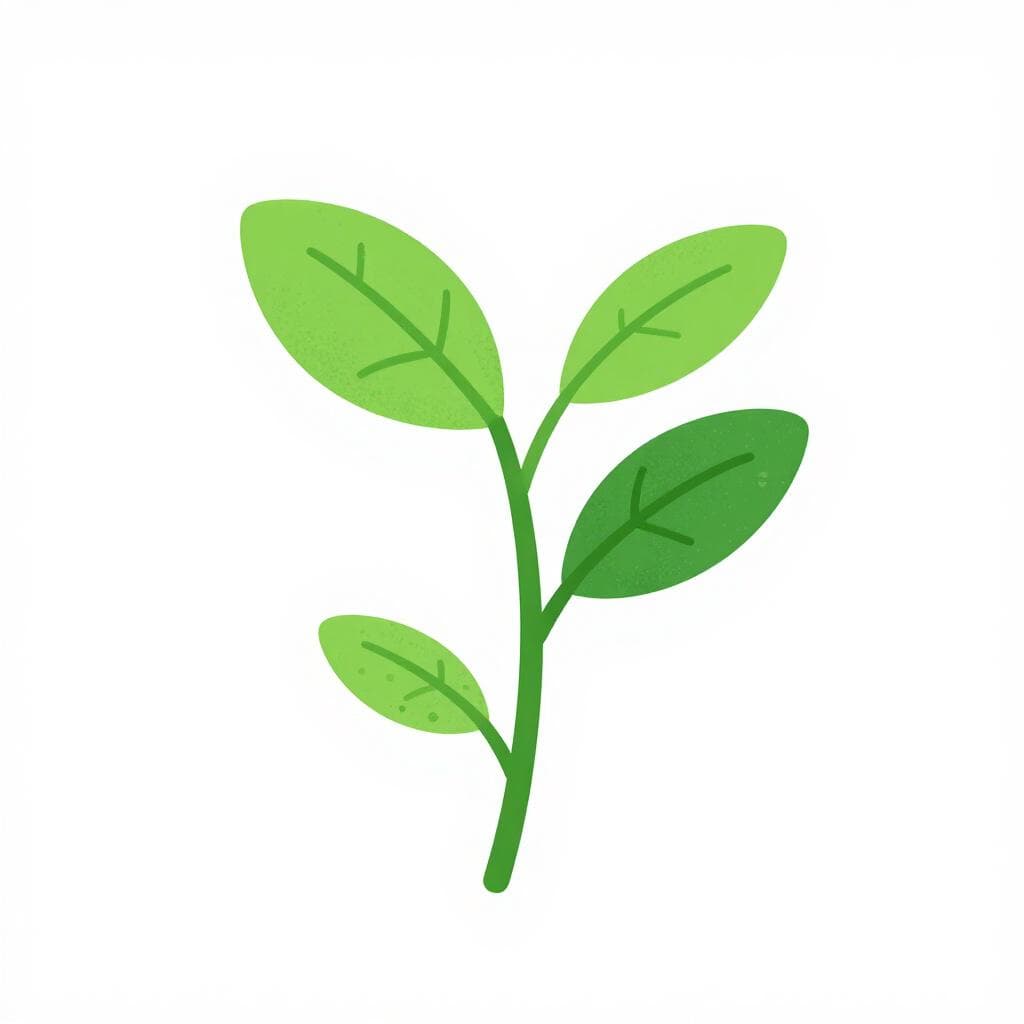
stem
“La flor tiene un tallo muy largo.”
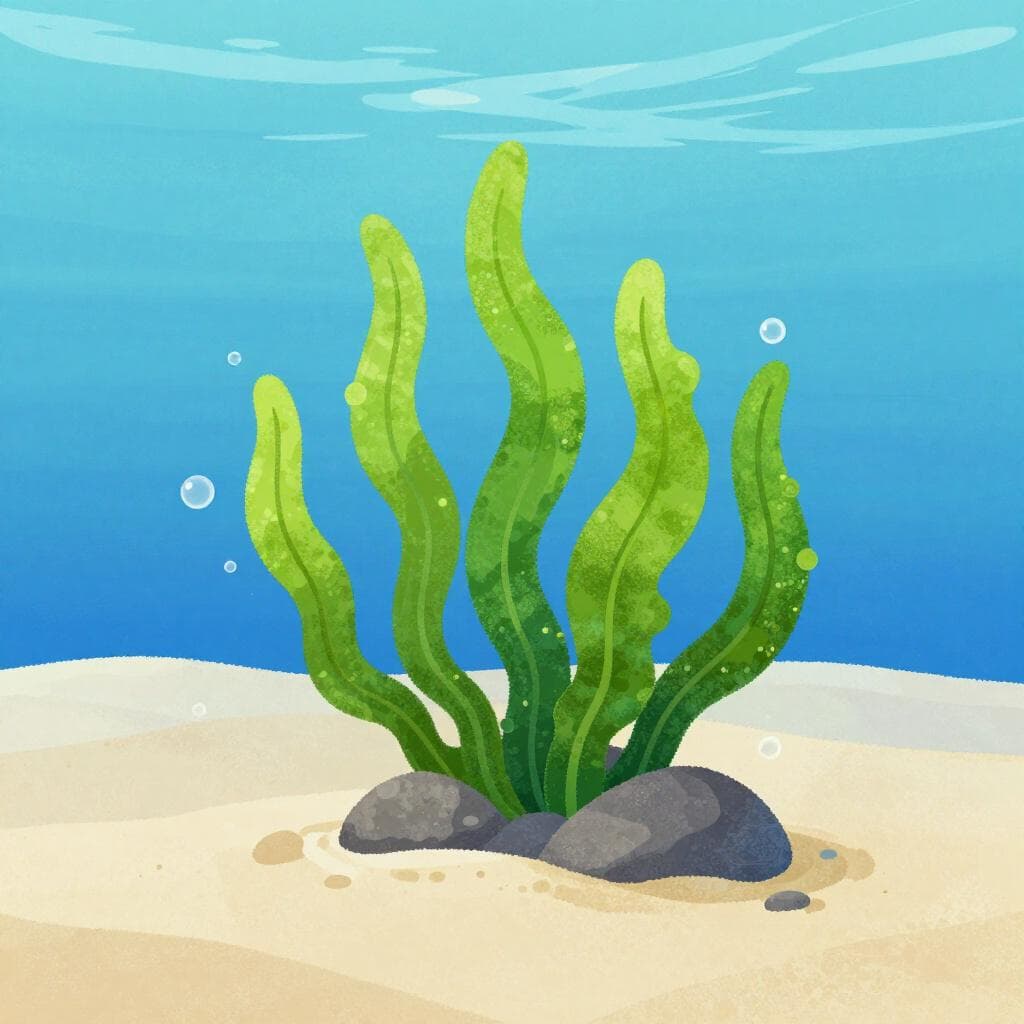
seaweed
“Hay mucha alga en la orilla de la playa.”

greenhouse
“Mi abuelo cultiva tomates en su invernadero.”
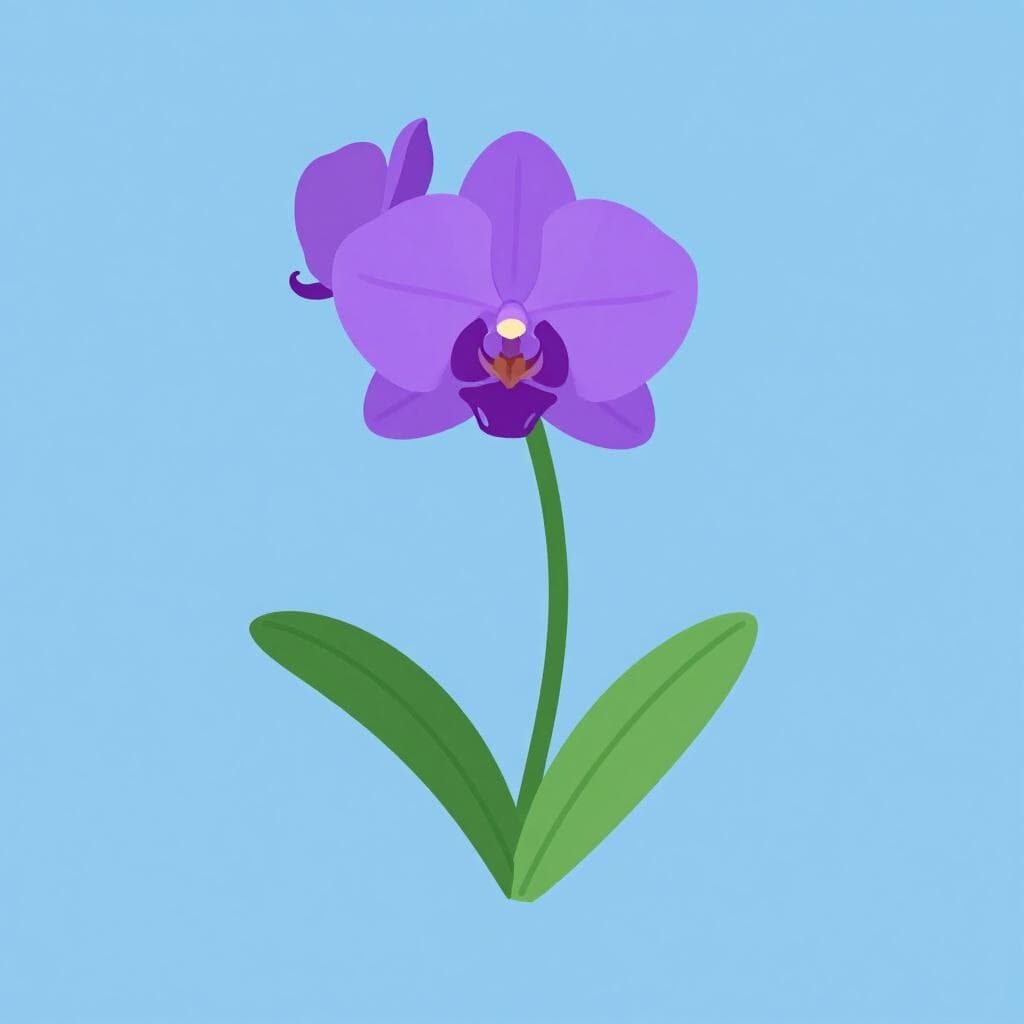
orchid
“Mi tía me regaló una orquídea muy bonita por mi cumpleaños.”
B1 — Intermediate (4 words)
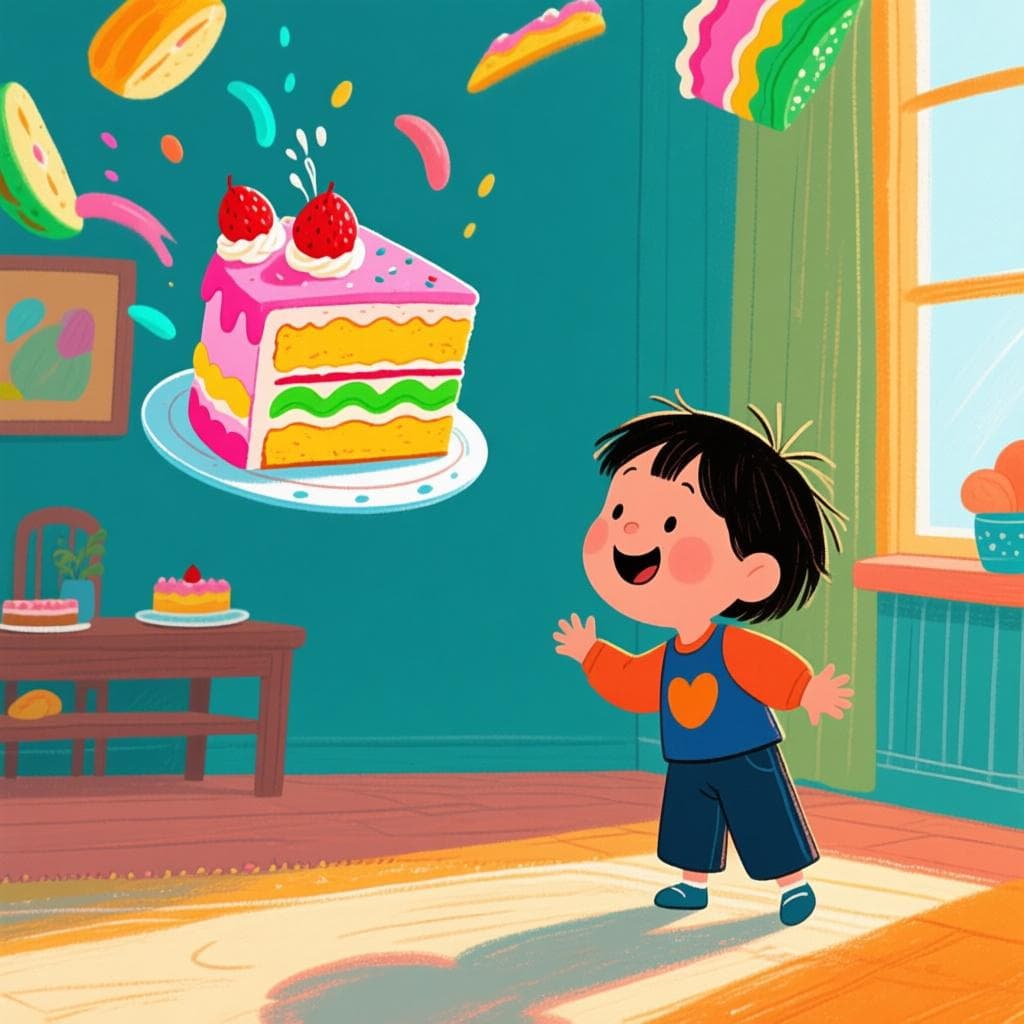
there is / there are
“Ojalá que haya pastel en la fiesta.”
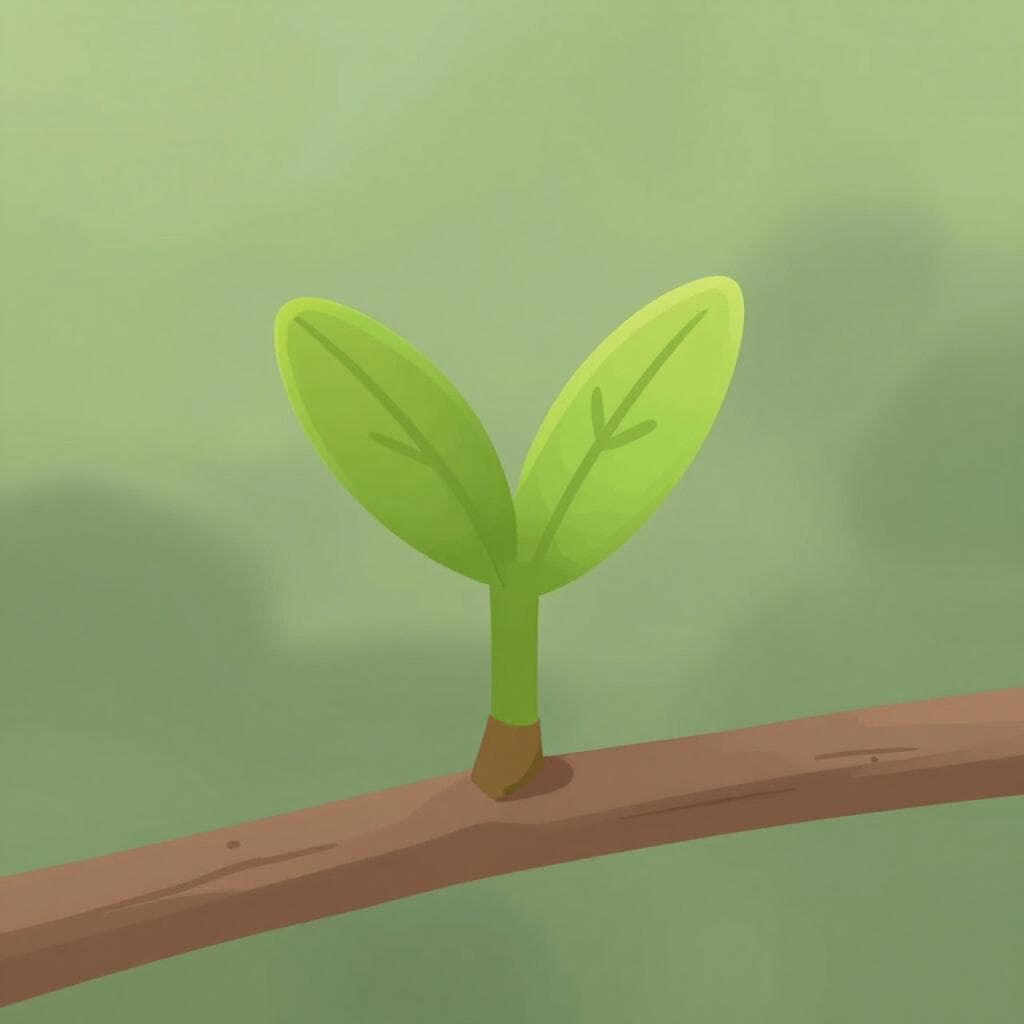
bud
“Los primeros brotes aparecen en primavera.”

bud
“Las rosas todavía están en capullo.”
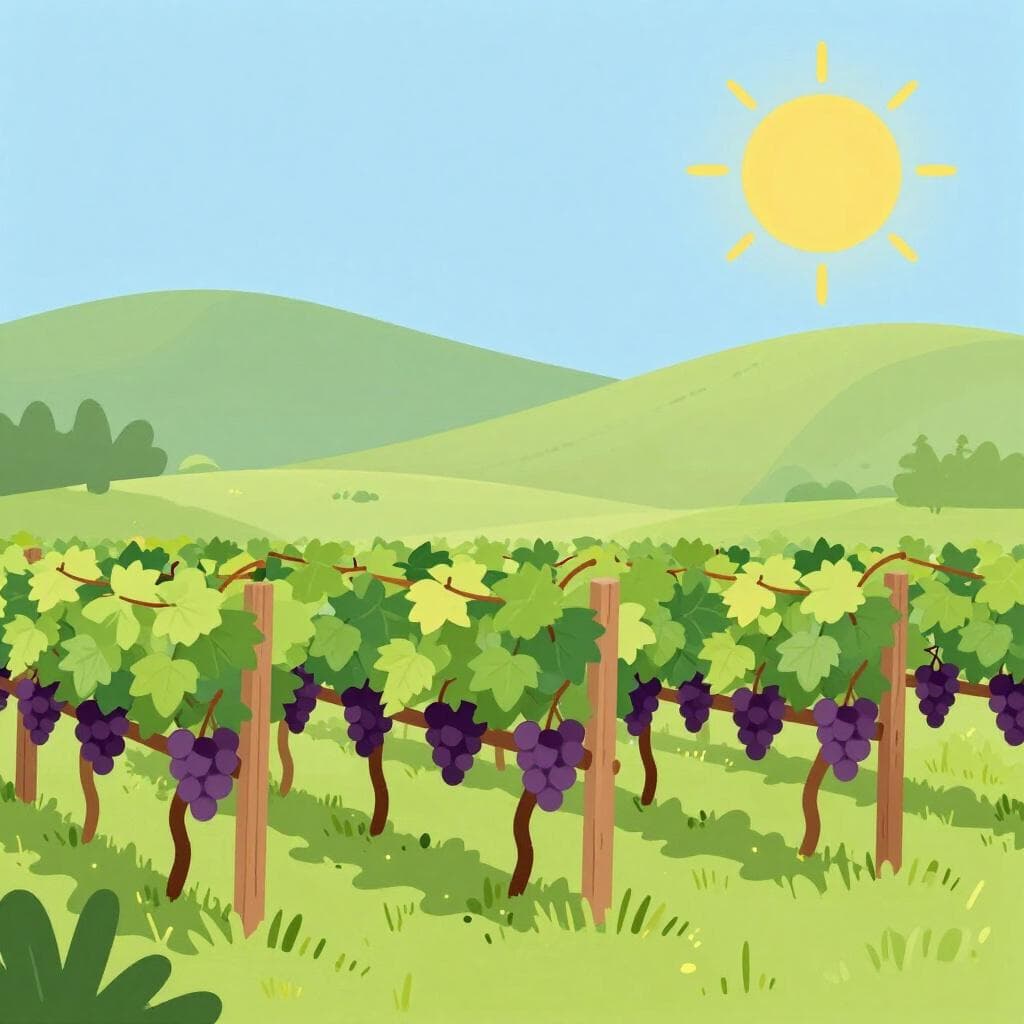
vineyard
“Mi abuelo tiene una pequeña viña en el campo.”
B2 — Upper Intermediate (1 words)
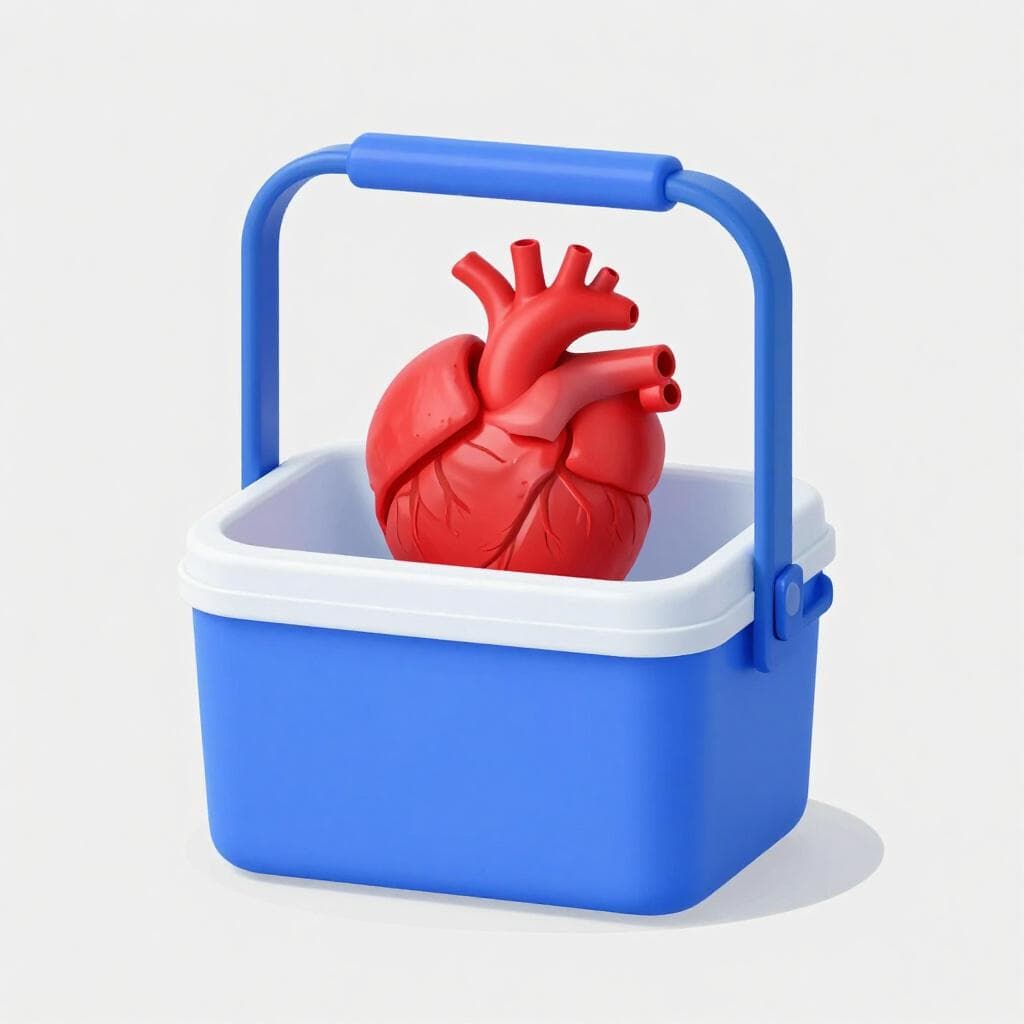
transplant
“El trasplante de riñón salvó la vida del paciente.”
Grammar Tips
Gender and Number Agreement
Like many Spanish nouns, 'plant' words have gender. 'La flor' (flower) is feminine, while 'el árbol' (tree) is masculine. Remember to match articles and adjectives: 'la flor roja' (the red flower), 'el árbol alto' (the tall tree). Plurals usually add -s or -es.
Verbs for Plant Growth
Verbs like 'brotar' (to sprout) and 'florecer' (to bloom) are essential. These often follow standard conjugation patterns. For example, 'La planta brota' (The plant sprouts) or 'Las flores florecen' (The flowers bloom).
Distinguishing 'Hierba'
The word 'hierba' can mean grass or herb. Context is key! 'Hierba' is feminine. For specific culinary herbs, you might use 'las hierbas' (e.g., 'hierbas provenzales'). For lawn grass, it's typically 'el césped' or 'la hierba'.
Common Mistakes
Adjective Placement
Mistake: “La verde hoja es bonita.”
Correction: La hoja verde es bonita. — In Spanish, descriptive adjectives like colors usually come *after* the noun they modify.
Singular vs. Plural
Mistake: “Compré una flores bonitas.”
Correction: Compré unas flores bonitas. OR Compré flores bonitas. — If you bought multiple flowers, use the plural 'unas flores' or just 'flores'. 'Una' is singular.
Using 'Haber' Correctly
Mistake: “Hay muchas árboles en el parque.”
Correction: Hay muchos árboles en el parque. — The verb 'haber' (hay) is impersonal and doesn't change for plural nouns. Use 'muchos' (masculine plural) to agree with 'árboles'.
Cultural Notes
Floral Symbolism
Flowers carry significant symbolic meaning in Spanish-speaking cultures, often used in celebrations and even expressions. For instance, roses are common symbols of love, but specific meanings can vary regionally.
Gardening Culture
Gardening is a popular hobby across the Spanish-speaking world. From small balconies in cities to large patios, people often cultivate plants and flowers, reflecting a connection to nature.