viña
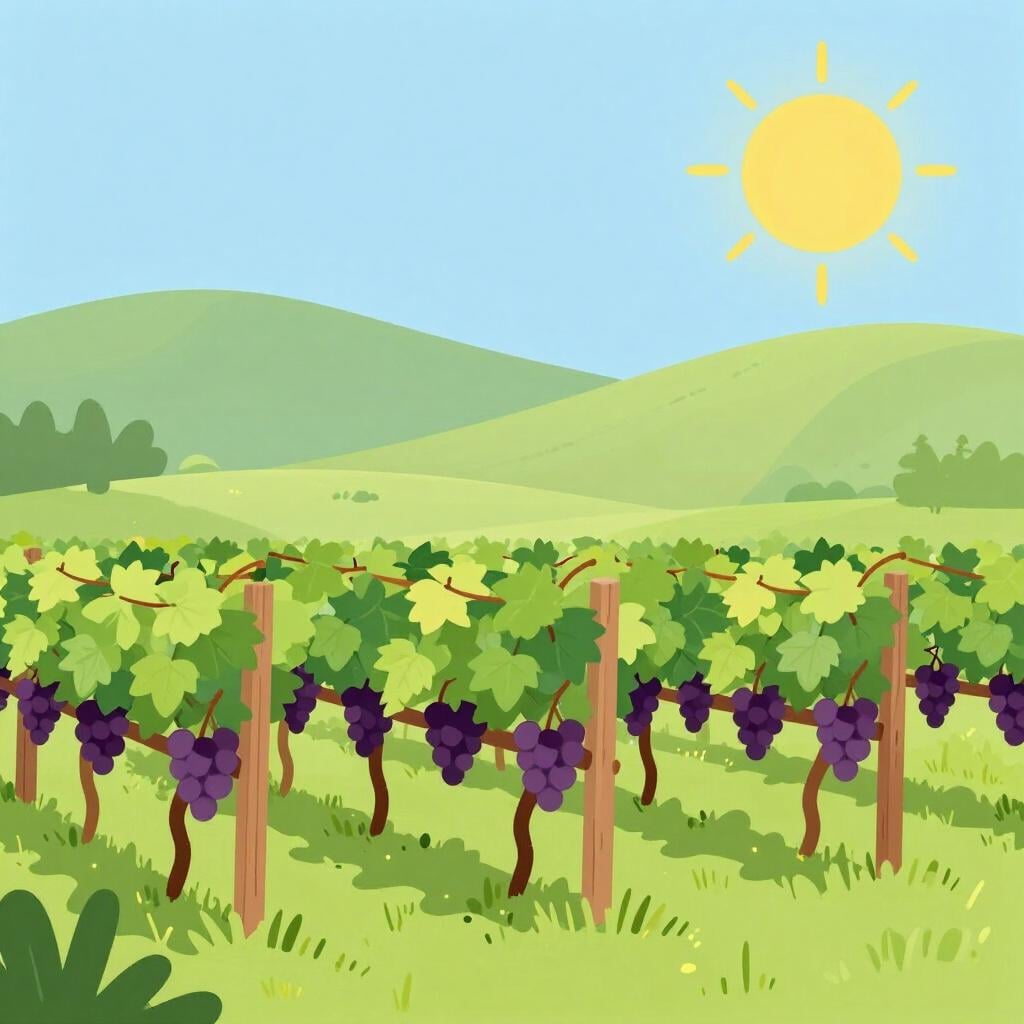
“viña” means “vineyard” in Spanish (a plantation of grapevines).
vineyardAlso: grapevine
📝 In Action
Mi abuelo tiene una pequeña viña en el campo.
A2My grandfather has a small vineyard in the countryside.
Las viñas de esta región producen las mejores uvas para el vino tinto.
B1The vineyards in this region produce the best grapes for red wine.
Tras la vendimia, la viña queda en silencio esperando el invierno.
C1After the grape harvest, the vineyard remains silent waiting for winter.
Word Connections
✏️ Quick Practice
Quick Quiz: viña
Question 1 of 3
If you are walking through a 'viña', what are you most likely to see?
📚 More Resources
👥 Word Family
🎵 Rhymes
📚 Etymology
Derived from the Latin word 'vinea,' which means 'vineyard' or 'vine.' It shares the same root as the word for wine ('vinum').
First recorded: 12th century
Cognates (Related words)
💡 Master Spanish
Take your Spanish to the next level. Read 200+ illustrated and narrated Spanish stories tailored to your level with the Inklingo app!
Frequently Asked Questions
Is 'viña' the same as 'vid'?
Not exactly. 'Vid' is the name of the specific plant (the grapevine), while 'viña' is the land or plantation where many of these plants are grown together.
Why is 'Viña del Mar' a famous place name?
Viña del Mar is a famous city in Chile. Its name literally means 'Vineyard of the Sea,' referring to the historic vineyards that used to be in that coastal area.
Can I use 'viña' to talk about grapes I buy at the supermarket?
No. You buy 'uvas' (grapes). You only use 'viña' to talk about the farm or the location where they grow.