matas
“matas” means “you kill” in Spanish. It has 2 different meanings depending on context:
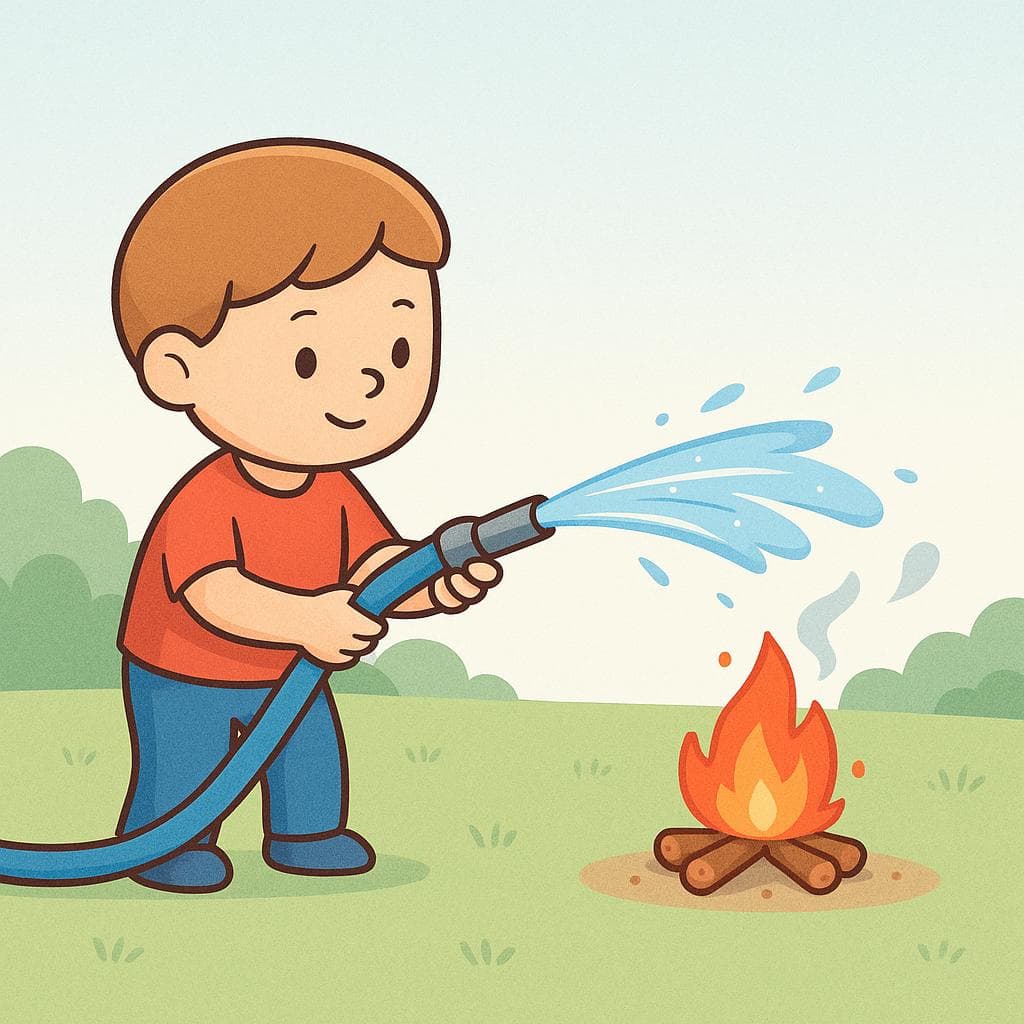

you kill, you are killing
Also: you wear out
📝 In Action
¿Por qué no comes? ¡Te matas de hambre!
A2Why don't you eat? You are starving yourself (killing yourself with hunger)!
Si no estudias, matas la oportunidad de ir a la universidad.
B1If you don't study, you kill (destroy) the opportunity to go to university.
bushes, shrubs
Also: clumps (of plants)
📝 In Action
Las matas de romero olían muy bien en el jardín.
B1The rosemary bushes smelled very good in the garden.
Tuvimos que caminar entre las matas para llegar al río.
B2We had to walk through the thick bushes to reach the river.
Indicative
Present
Imperfect
Preterite
Subjunctive
Present Subjunctive
Imperfect Subjunctive
✏️ Quick Practice
Quick Quiz: matas
Question 1 of 1
Which sentence uses 'matas' as a physical object, not an action?
📚 More Resources
👥 Word Family▼
📚 Etymology▼
The verb 'matar' (from which this form comes) originates from the Vulgar Latin verb *mattāre*, meaning 'to beat, strike, or hit.' The noun 'mata' (bush) has a separate, less clear origin, possibly related to an old Iberian word for 'bush' or 'woodland.'
First recorded: 13th century (verb sense)
Cognates (Related words)
💡 Master Spanish
Take your Spanish to the next level. Read 200+ illustrated and narrated Spanish stories tailored to your level with the Inklingo app!
Frequently Asked Questions
How can I tell the difference between the verb 'matas' and the noun 'matas'?
Look at the words around it! If 'matas' is preceded by a definite article like 'las' (Las matas...), it is the noun (bushes). If it is the only verb in the sentence, or if the subject 'tú' is implied or stated (Tú matas...), it is the verb ('you kill').
Is 'matas' informal?
Yes, 'matas' is the 'tú' form of the verb, which is used for informal address in most Spanish-speaking regions. If you are speaking formally, you would use 'usted mata' instead.