Garden & Outdoor in Spanish
Let's get our hands dirty with some Spanish vocabulary for the garden and outdoor spaces! Knowing these words will help you talk about everything from planting vegetables to enjoying a sunny afternoon. Interestingly, Spanish often uses the same word for 'grass' in different contexts, which can be a fun nuance to pick up on.
Quick Reference
| Spanish | English | Example | Level |
|---|---|---|---|
césped | grass | El niño corrió descalzo sobre el césped recién cortado. | A2 |
jardín | garden | Mi abuela pasa todo el día cuidando su jardín de rosas. | A1 |
pala | shovel | Usé la pala para cavar un hoyo en el jardín. | A1 |
parque | park | Vamos al parque a jugar al fútbol. | A1 |
pasto | grass | El pasto es muy verde en primavera. | A1 |
patio | courtyard | Necesito limpiar el patio antes de la fiesta. | A1 |
regar | to water | Tengo que regar las flores esta tarde. | A1 |
huerto | vegetable garden | Mi abuelo tiene un huerto con muchos tomates. | A1 |
jardinero | gardener | El jardinero viene todos los martes para podar los rosales. | A2 |
porche | porch | Mi abuelo siempre se sienta en el porche a leer el periódico. | A2 |
cobertizo | shed | Guardamos las herramientas en el cobertizo del jardín. | B1 |
estaca | stake | Clavamos una estaca en el suelo para sujetar la tienda de campaña. | A2 |
A1 — Beginner (7 words)
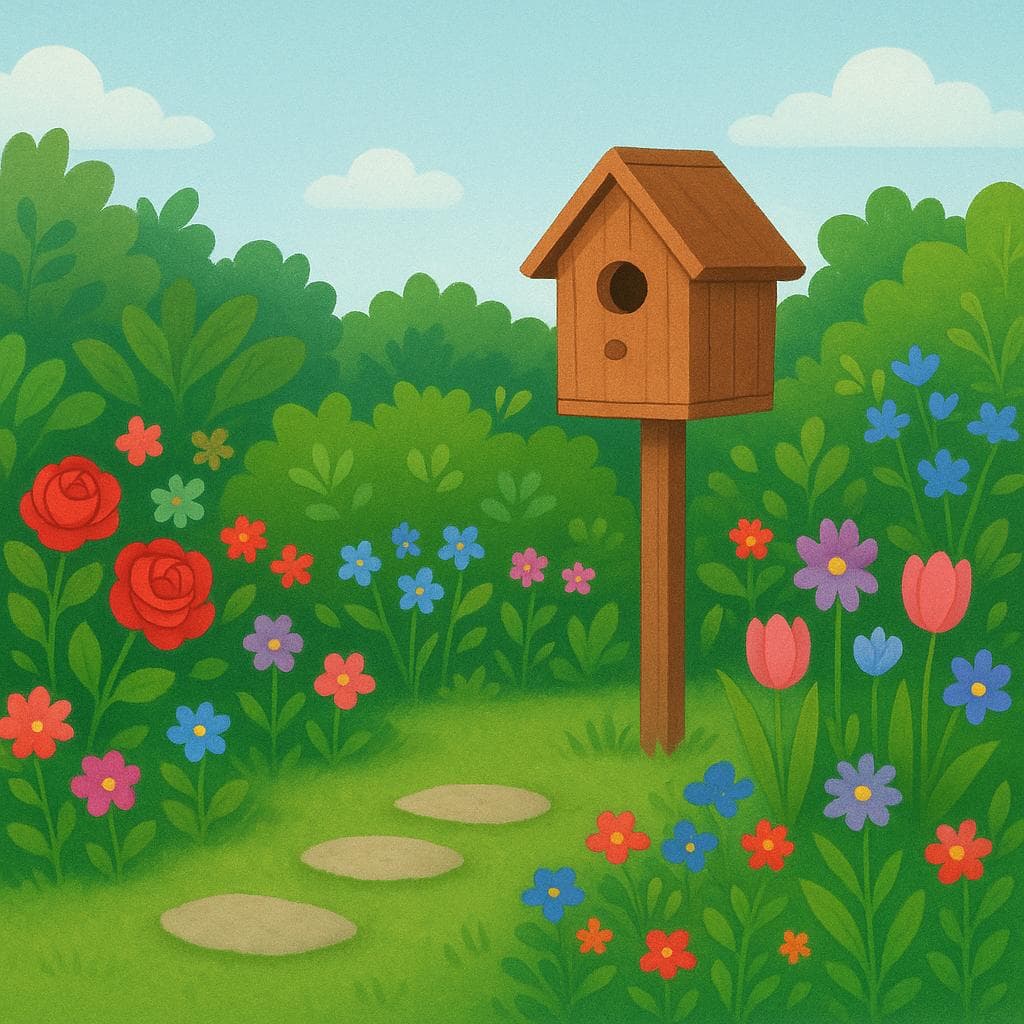
garden
“Mi abuela pasa todo el día cuidando su jardín de rosas.”
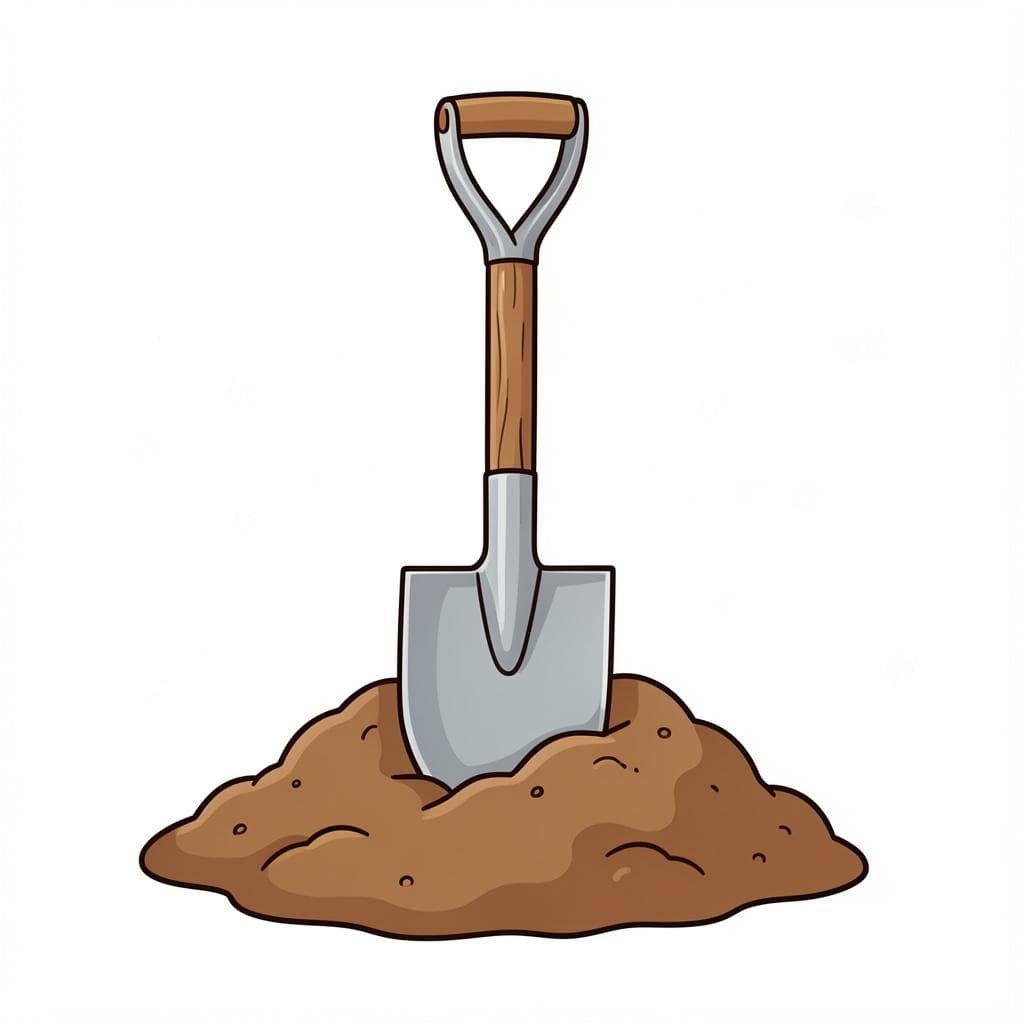
shovel
“Usé la pala para cavar un hoyo en el jardín.”

park
“Vamos al parque a jugar al fútbol.”

grass
“El pasto es muy verde en primavera.”
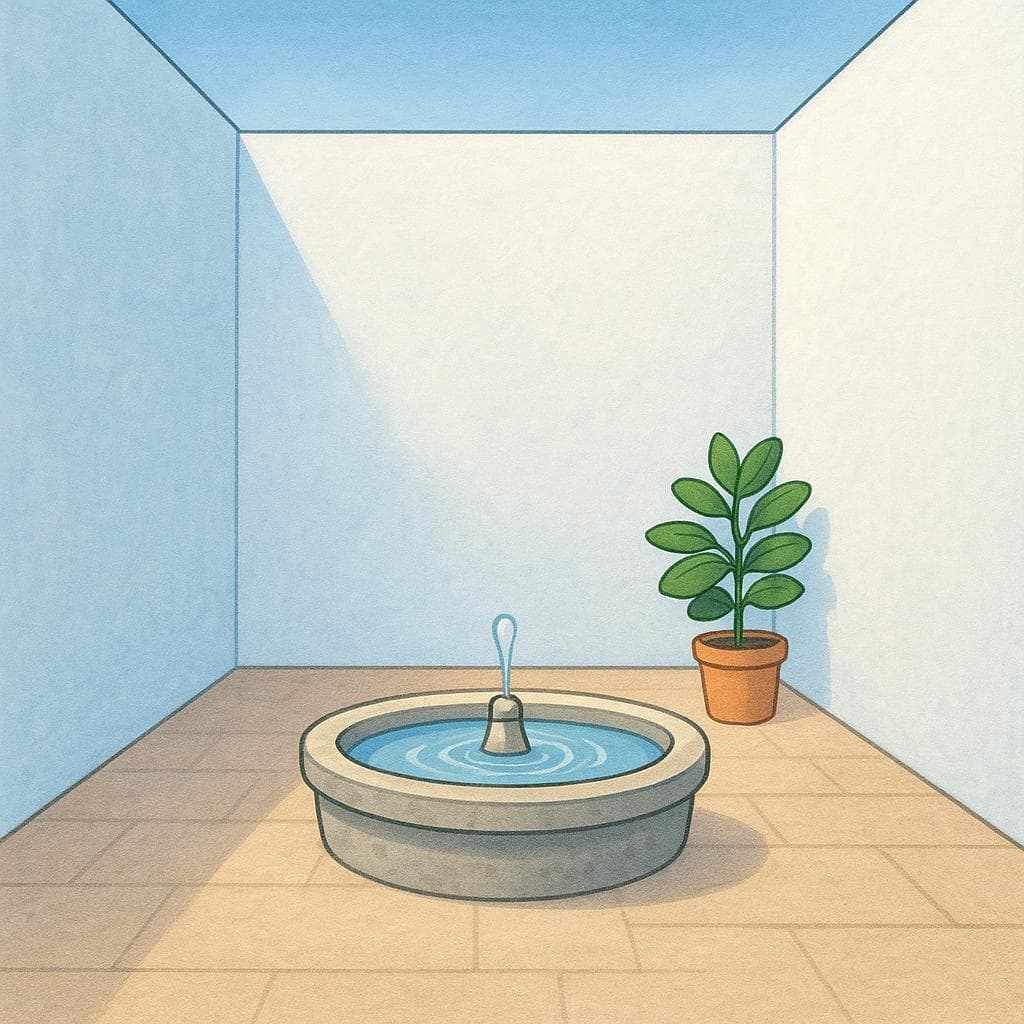
courtyard
“Necesito limpiar el patio antes de la fiesta.”
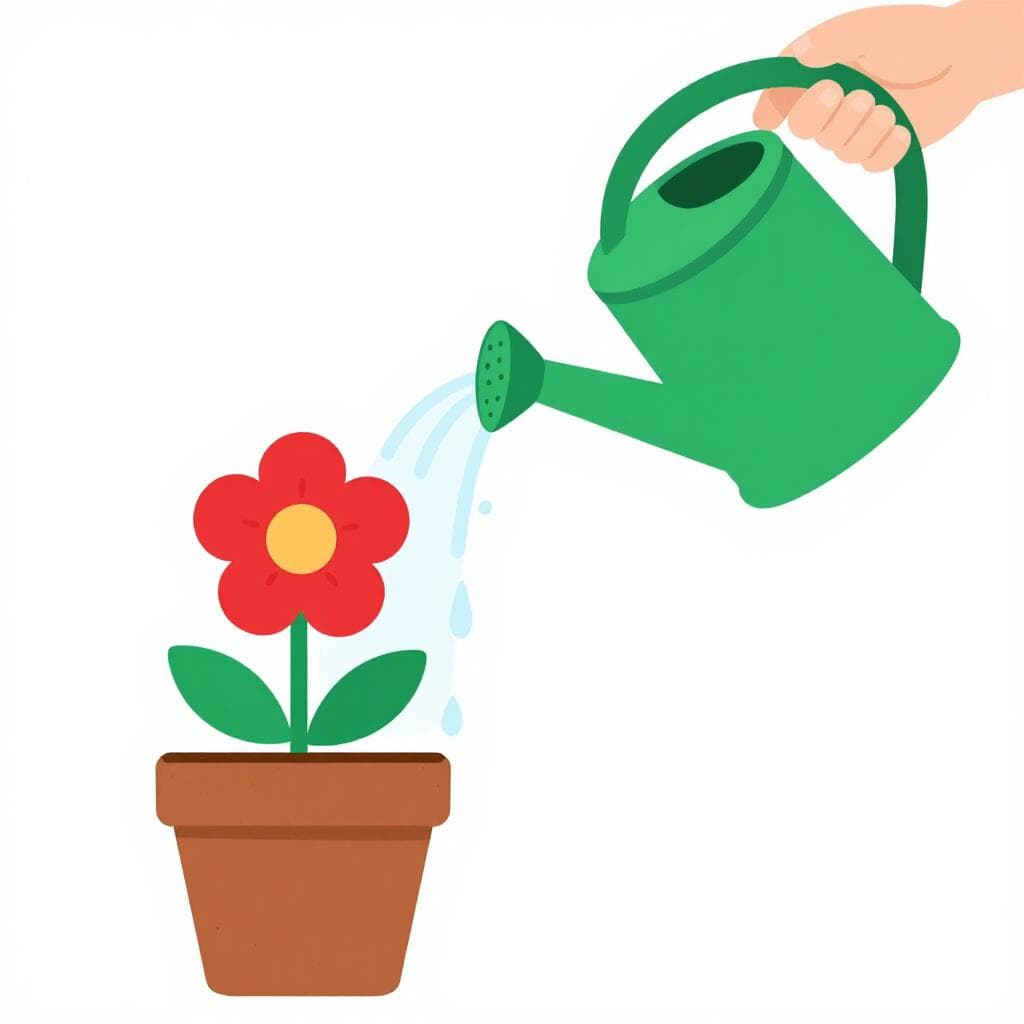
to water
“Tengo que regar las flores esta tarde.”

vegetable garden
“Mi abuelo tiene un huerto con muchos tomates.”
A2 — Elementary (5 words)

grass
“El niño corrió descalzo sobre el césped recién cortado.”

gardener
“El jardinero viene todos los martes para podar los rosales.”
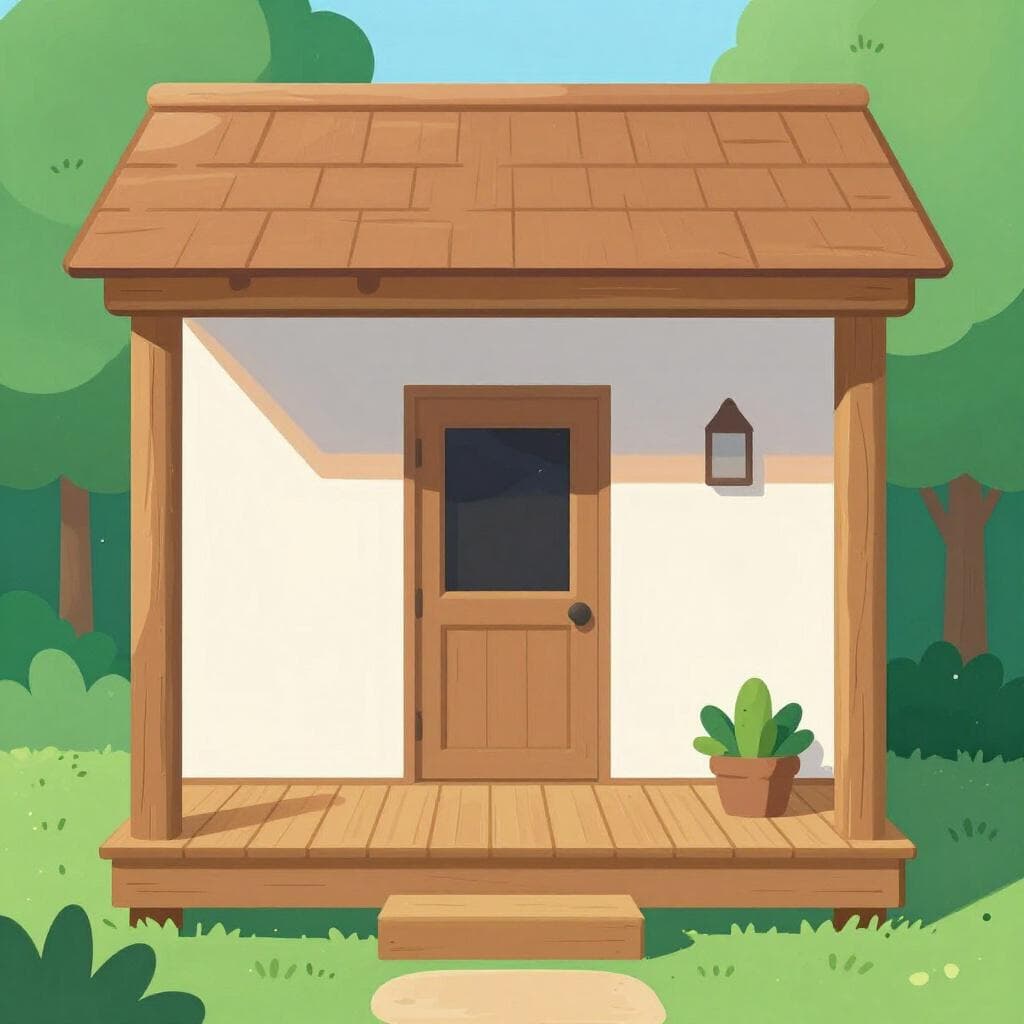
porch
“Mi abuelo siempre se sienta en el porche a leer el periódico.”
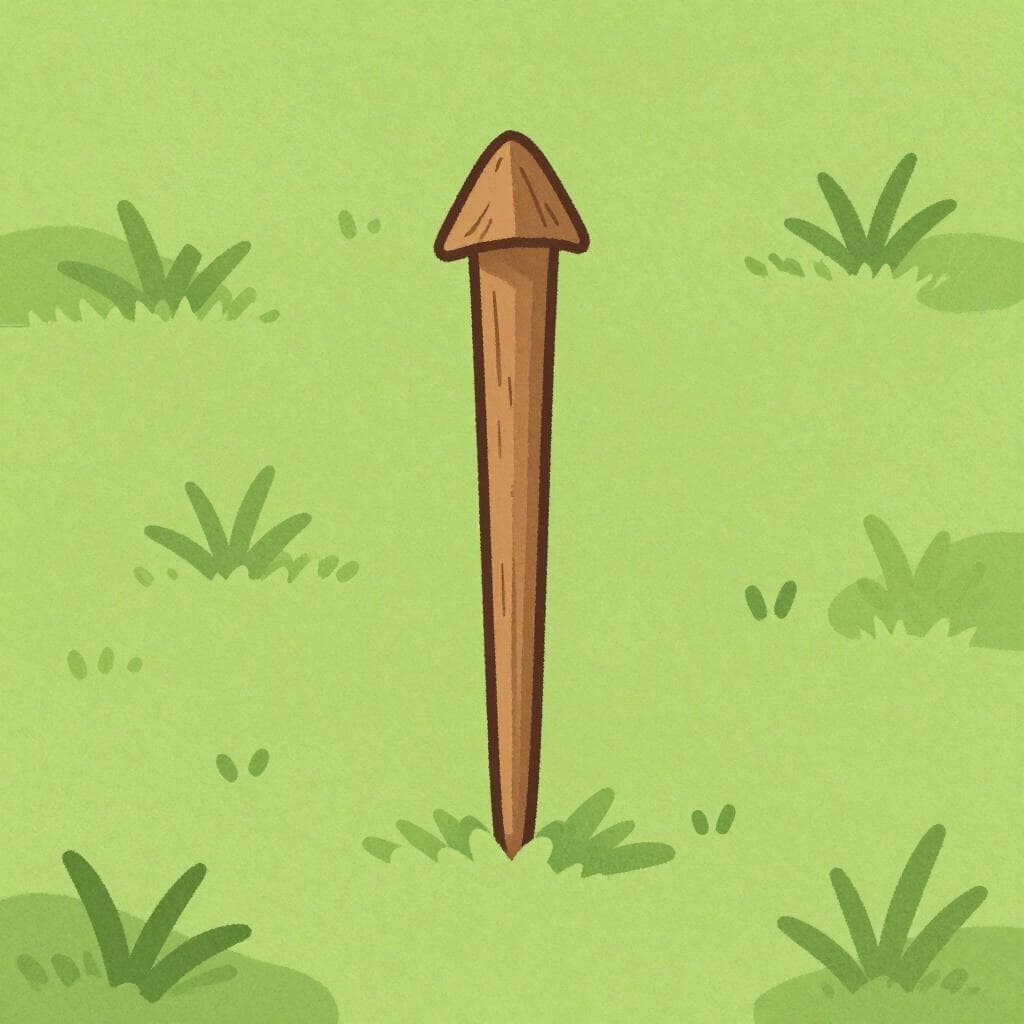
stake
“Clavamos una estaca en el suelo para sujetar la tienda de campaña.”

greenhouse
“Mi abuelo cultiva tomates en su invernadero.”
B1 — Intermediate (2 words)
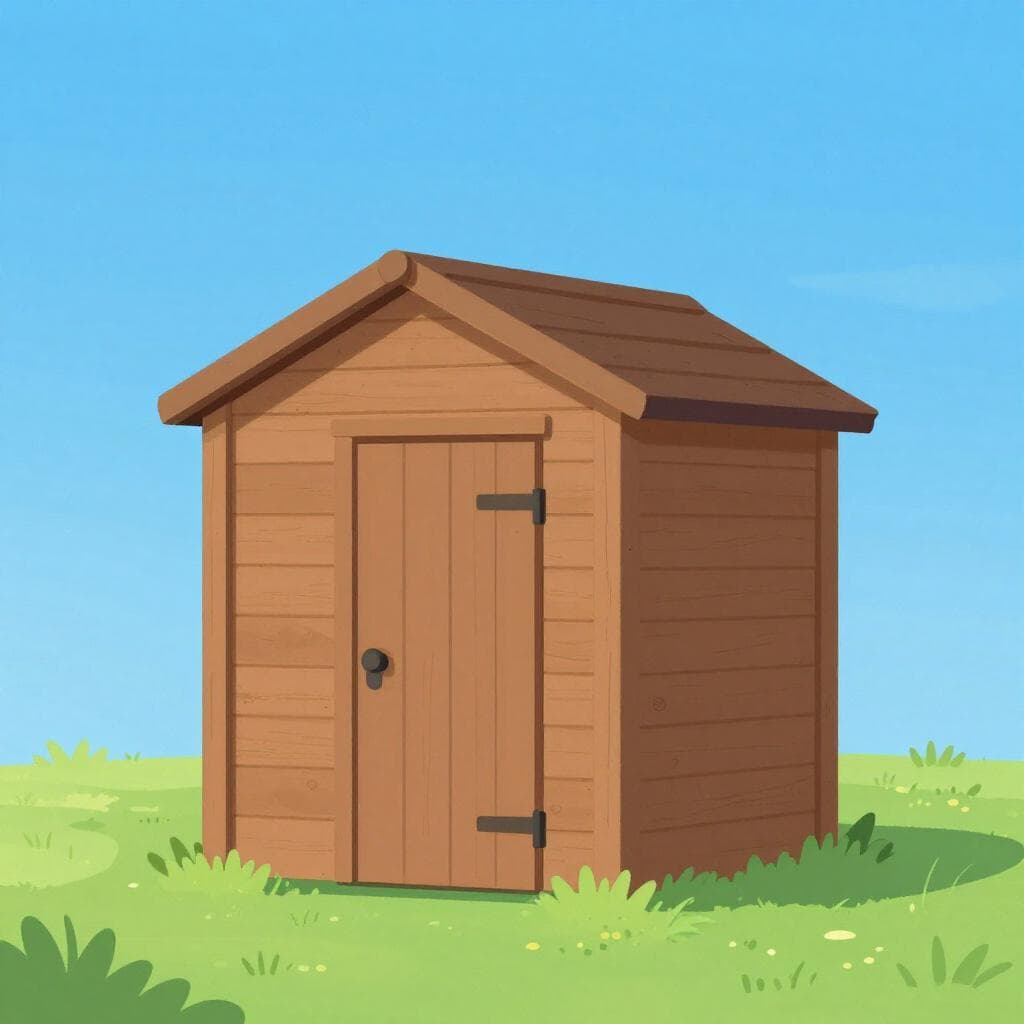
shed
“Guardamos las herramientas en el cobertizo del jardín.”

bonfire
“Hicimos una hoguera en la playa para celebrar la noche de San Juan.”
Grammar Tips
Gender Agreement in the Garden
Remember that most nouns in Spanish have a gender. For example, 'la pala' (shovel) is feminine, while 'el huerto' (vegetable garden) is masculine. Make sure any adjectives describing them agree in gender, like 'la pala *roja*' (the red shovel) or 'el huerto *grande*' (the big vegetable garden).
Pluralizing Outdoor Items
Forming plurals is usually straightforward: add -s to words ending in a vowel and -es to words ending in a consonant. So, 'la estaca' (stake) becomes 'las estacas', and 'el cobertizo' (shed) becomes 'los cobertizos'.
Expressing Action: 'Regar'
The verb 'regar' (to water) is an -ar verb, following regular conjugation patterns. For instance, 'yo riego' (I water), 'tú riegas' (you water), 'él riega' (he waters). This makes it easier to remember how to talk about watering plants or the lawn.
Common Mistakes
Adjective Placement
Mistake: “El césped es verde.”
Correction: El césped es verde. (Correct) — While 'verde' (green) is a common descriptive adjective that follows the noun, be mindful of other adjectives. Some descriptive adjectives can precede the noun for emphasis, but colors almost always follow.
Noun Gender
Mistake: “El jardín es muy bonita.”
Correction: El jardín es muy bonito. — 'Jardín' is a masculine noun in Spanish, so the adjective 'bonito' must also be masculine. Remember to match the gender of adjectives to the noun they describe.
Verb Conjugation
Mistake: “Yo rego las plantas todos los días.”
Correction: Yo riego las plantas todos los días. — The verb 'regar' (to water) has a stem change in the present tense for 'yo', 'tú', 'él/ella/usted', and 'ellos/ellas/ustedes' forms. The correct form is 'riego', not 'rego'.
Cultural Notes
Patios and Courtyards
While 'patio' is used in both Spain and Latin America, its meaning can vary. In Spain, it often refers to an inner courtyard, sometimes with plants and seating, while in many parts of Latin America, it can mean a front yard or driveway area.
The Spanish 'Jardín'
The word 'jardín' (garden) is widely understood, but the concept of a 'huerto' (vegetable garden) is also very common and culturally significant, reflecting a strong tradition of growing one's own food in many Spanish-speaking regions.