Farming & Agriculture in Spanish
Dive into the world of farming and agriculture in Spanish! This vocabulary set will help you talk about everything from planting seeds to harvesting crops and managing livestock. Understanding these terms is super useful if you're interested in rural life, food production, or even just want to chat about where your food comes from. Spanish often uses broader terms like 'agropecuario' to cover both farming and livestock, which is a neat distinction from English.
Quick Reference
| Spanish | English | Example | Level |
|---|---|---|---|
cosecha | harvest | La cosecha de trigo fue abundante gracias a la lluvia. | A2 |
cultivo | cultivation | El cultivo de hortalizas es muy común en esta zona. | A2 |
granjero | farmer | El granjero se levantó al amanecer para ordeñar las vacas. | A1 |
grano | grain | El agricultor cosechó mucho grano este año. | A1 |
pasto | grass | El pasto es muy verde en primavera. | A1 |
pienso | I think | Pienso que va a llover. | A1 |
semilla | seed | Necesitas plantar la semilla en tierra húmeda. | A1 |
tierra | ground | Las flores crecen en la tierra. | A1 |
agrícola | agricultural | Mi abuelo compró maquinaria agrícola nueva para su granja. | B1 |
agricultor | farmer | El agricultor trabaja en el campo desde que sale el sol. | A2 |
agricultura | agriculture | La agricultura es la base de la economía en este pueblo. | A2 |
agropecuario | farming and livestock | El sector agropecuario es la base de la economía en esta región. | B1 |
A1 — Beginner (9 words)
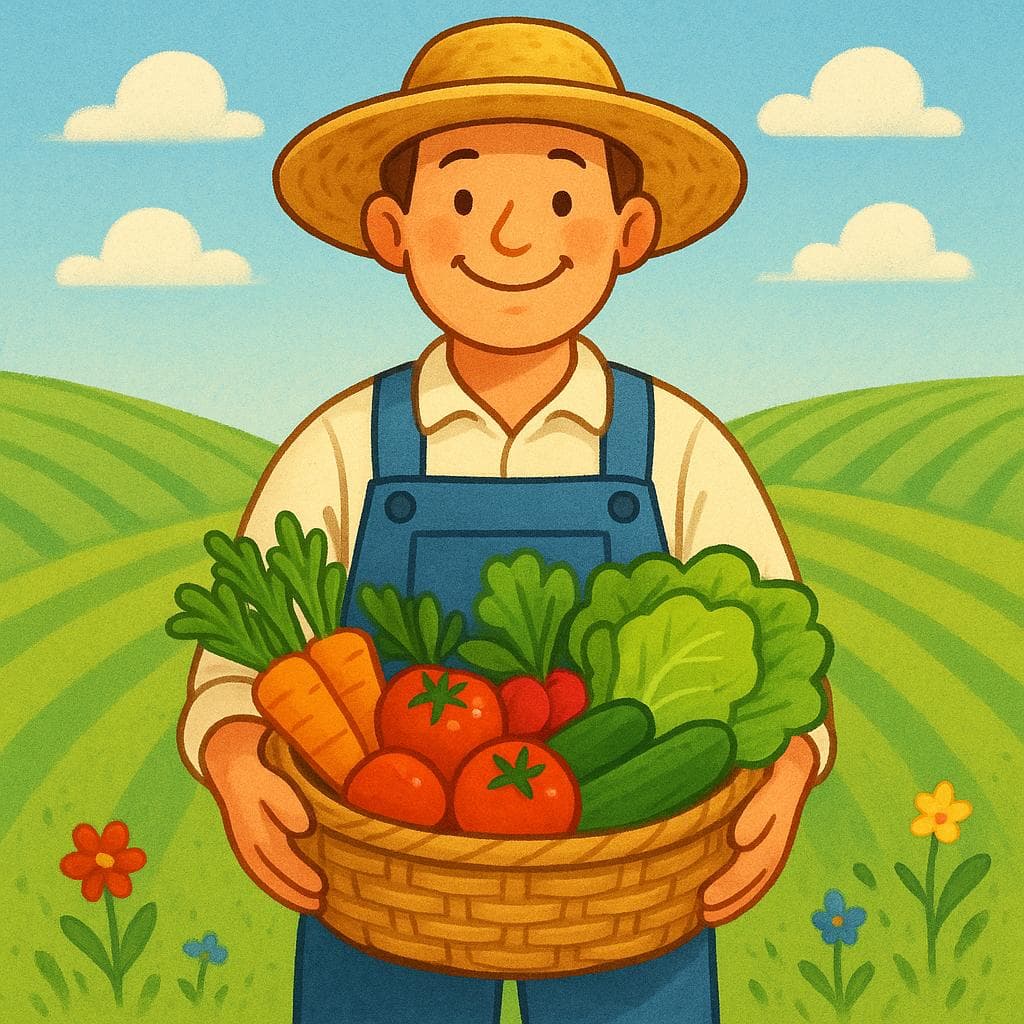
farmer
“El granjero se levantó al amanecer para ordeñar las vacas.”

grain
“El agricultor cosechó mucho grano este año.”

grass
“El pasto es muy verde en primavera.”

I think
“Pienso que va a llover.”
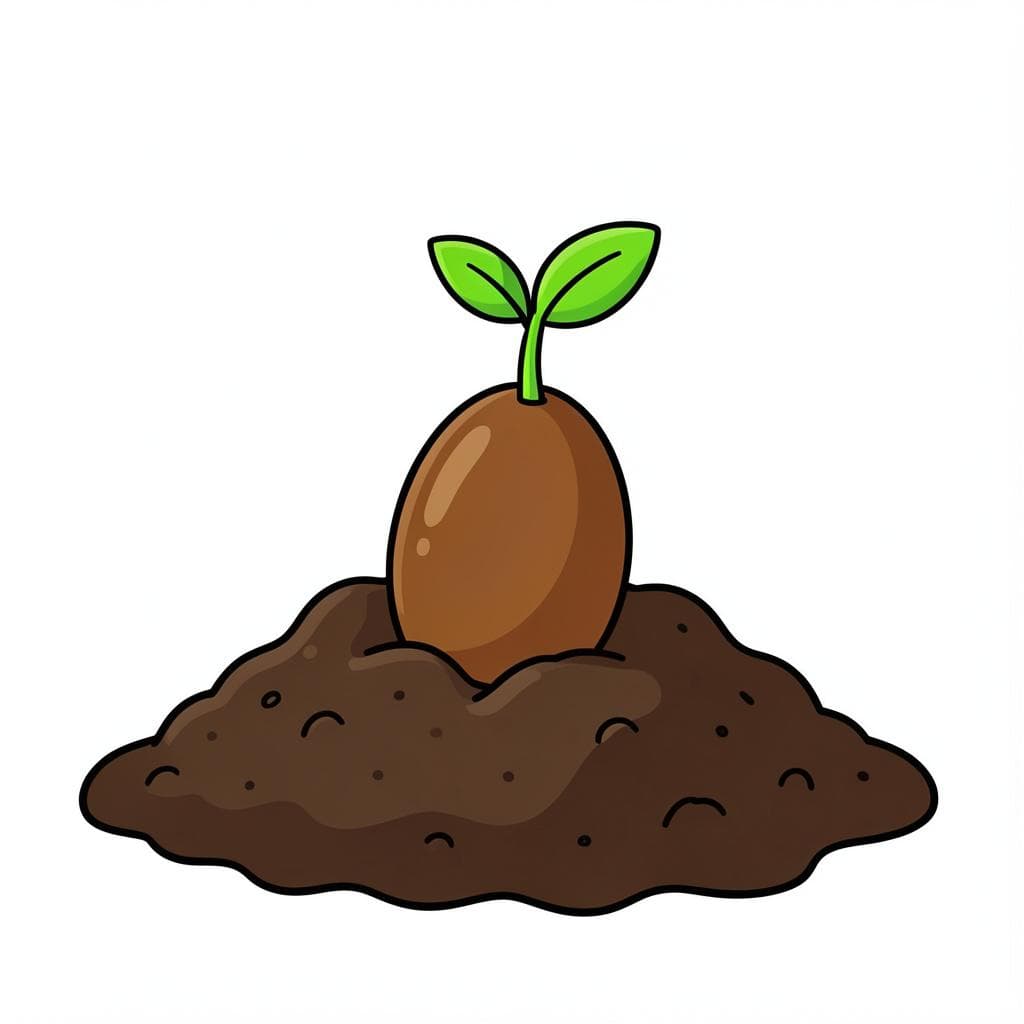
seed
“Necesitas plantar la semilla en tierra húmeda.”
ground
“Las flores crecen en la tierra.”
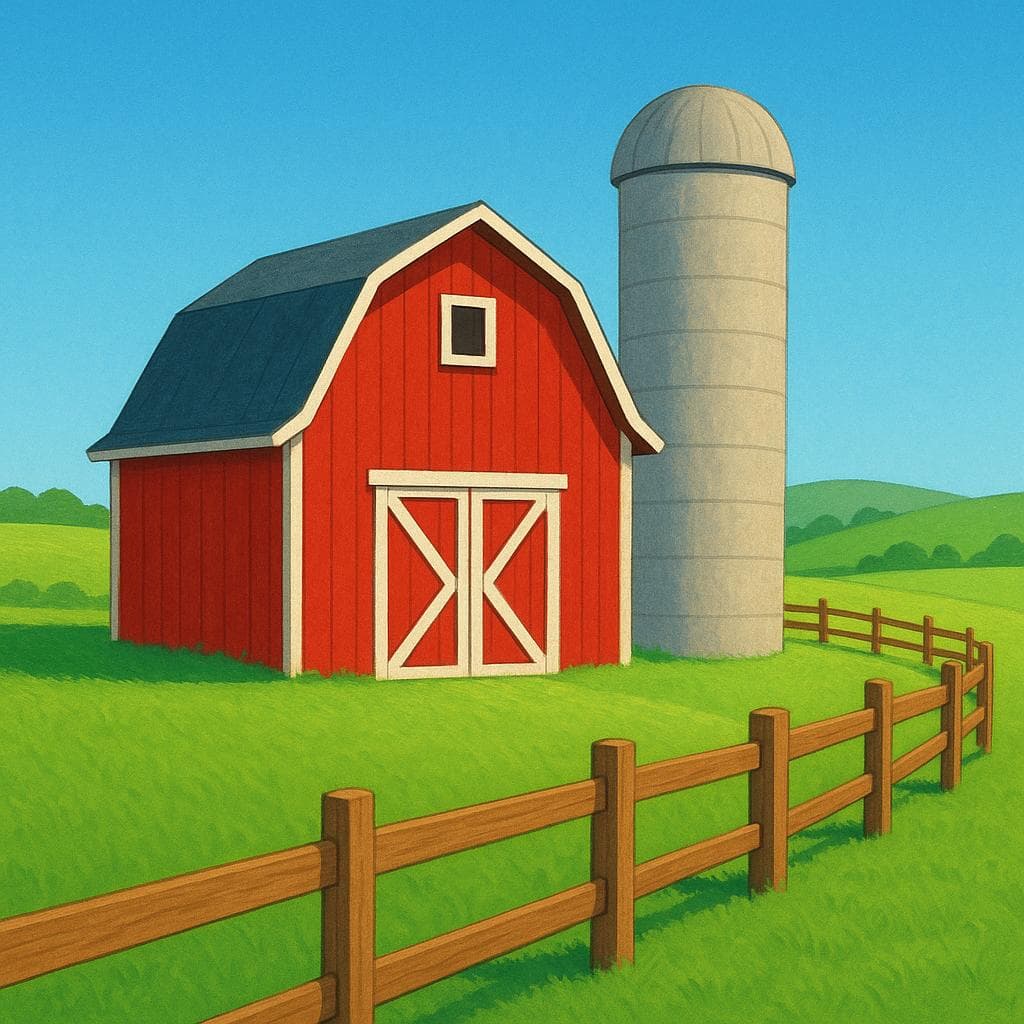
farm
“Mi abuela creció en una granja cerca del pueblo.”

vegetable garden
“Mi abuelo tiene un huerto con muchos tomates.”

tractor
“El granjero usa el tractor para arar el campo.”
A2 — Elementary (19 words)
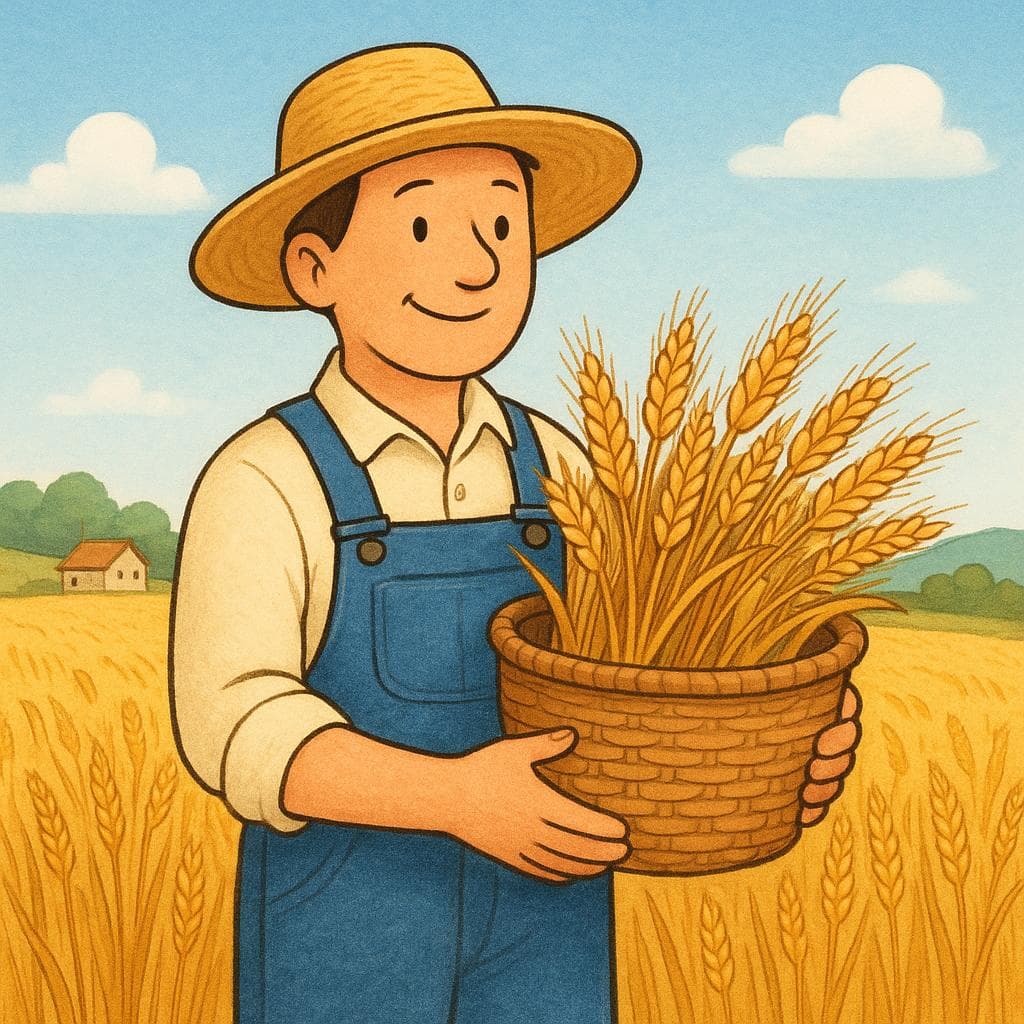
harvest
“La cosecha de trigo fue abundante gracias a la lluvia.”

cultivation
“El cultivo de hortalizas es muy común en esta zona.”
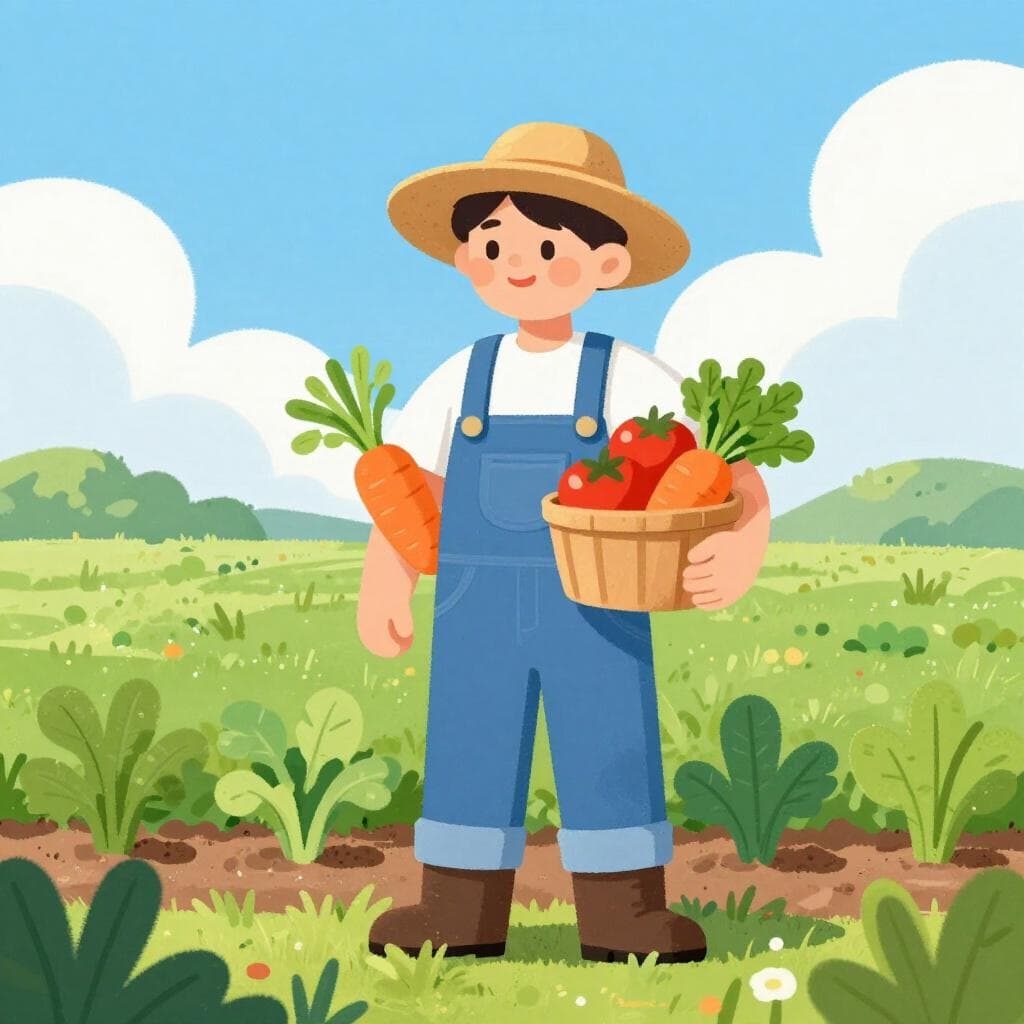
farmer
“El agricultor trabaja en el campo desde que sale el sol.”
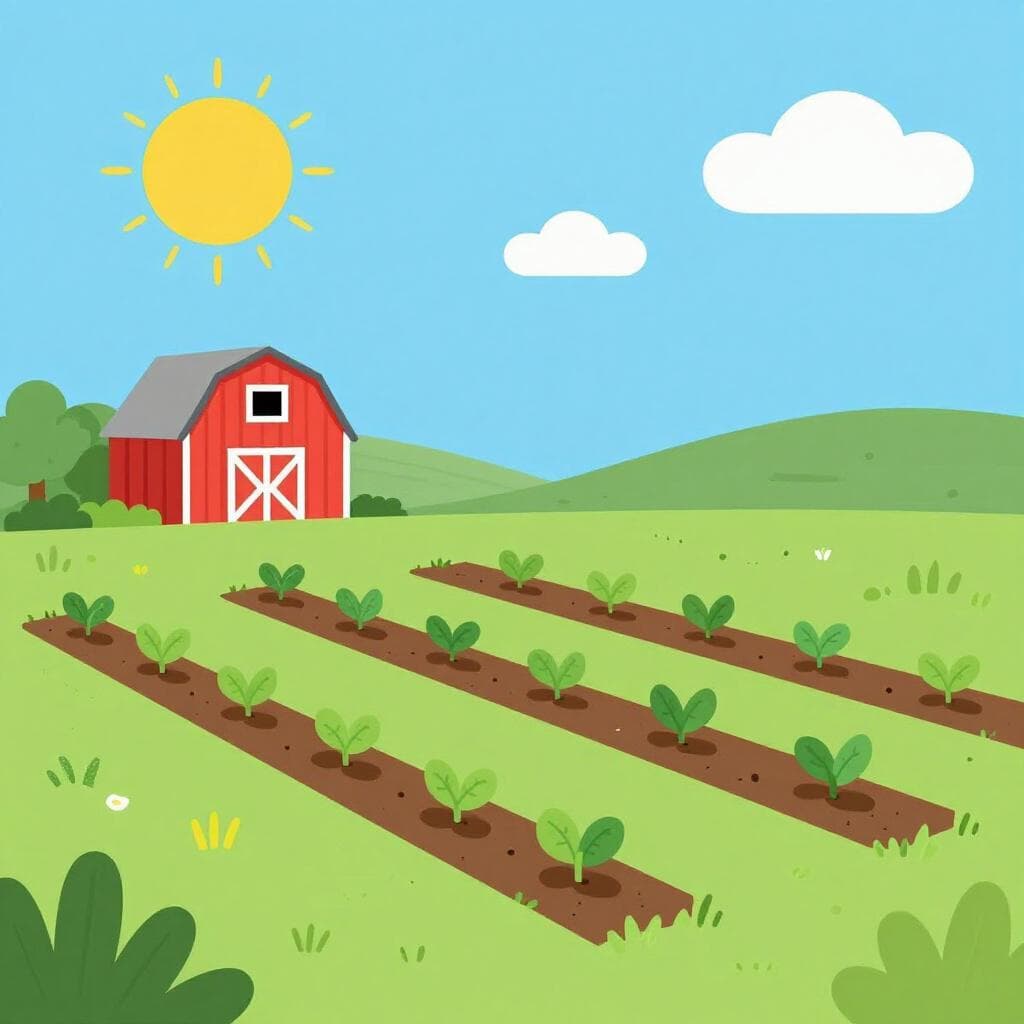
agriculture
“La agricultura es la base de la economía en este pueblo.”
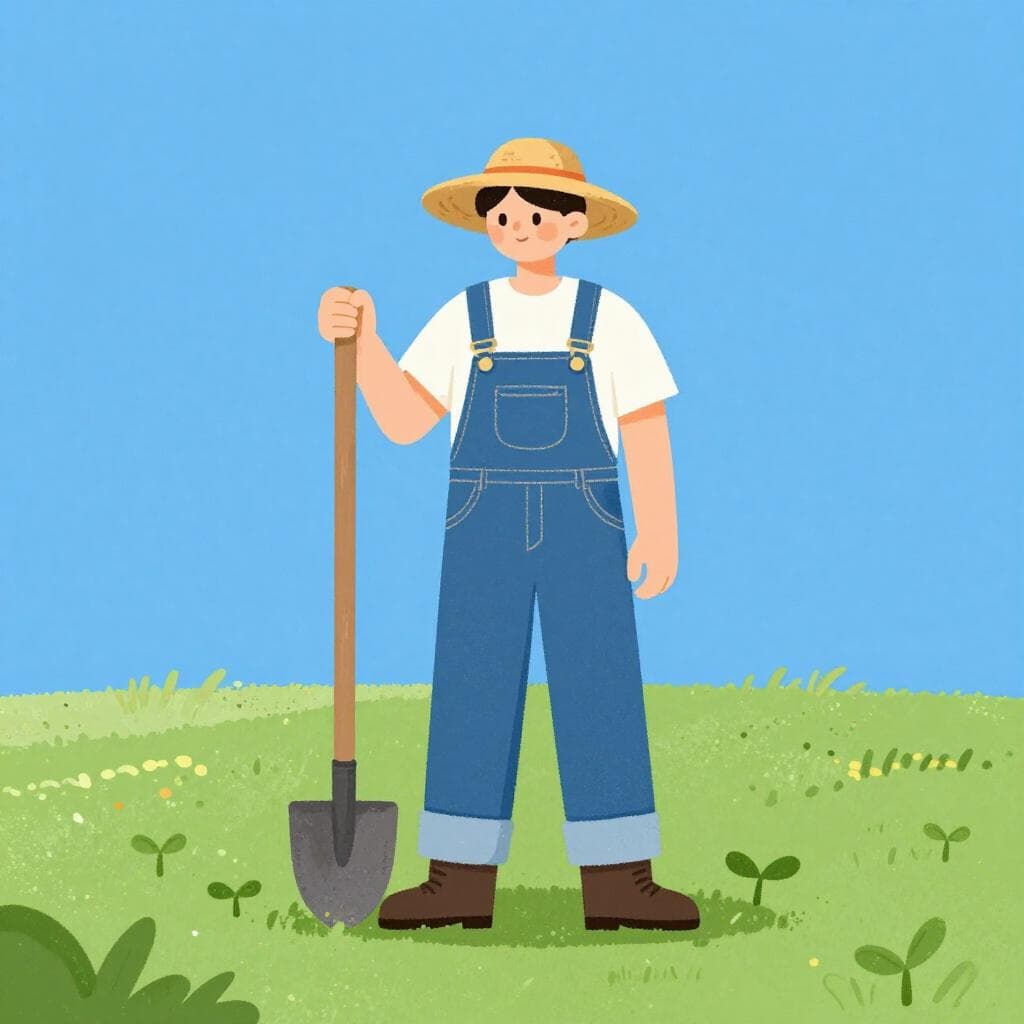
farmer
“El campesino cultiva papas en la montaña.”
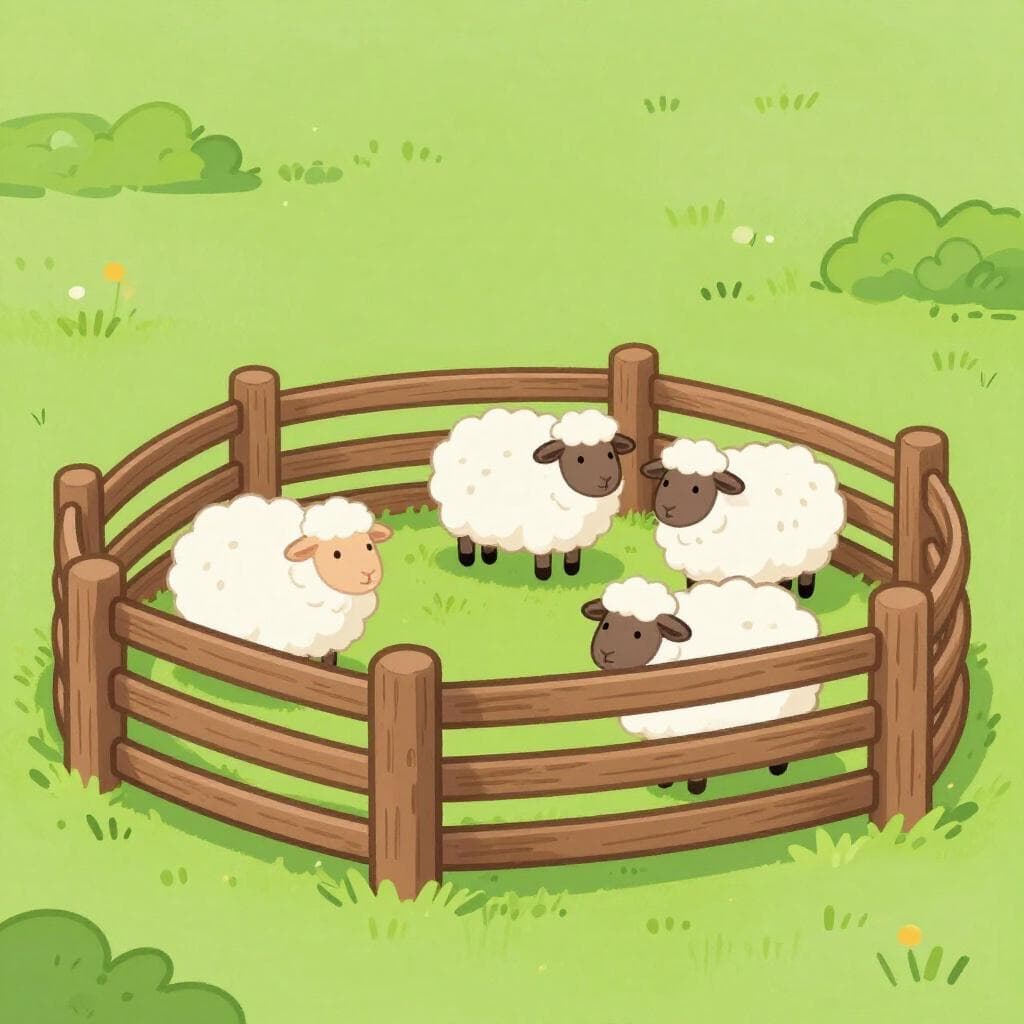
pen
“Las gallinas duermen en el corral.”

to harvest
“Los agricultores cosechan el maíz en septiembre.”
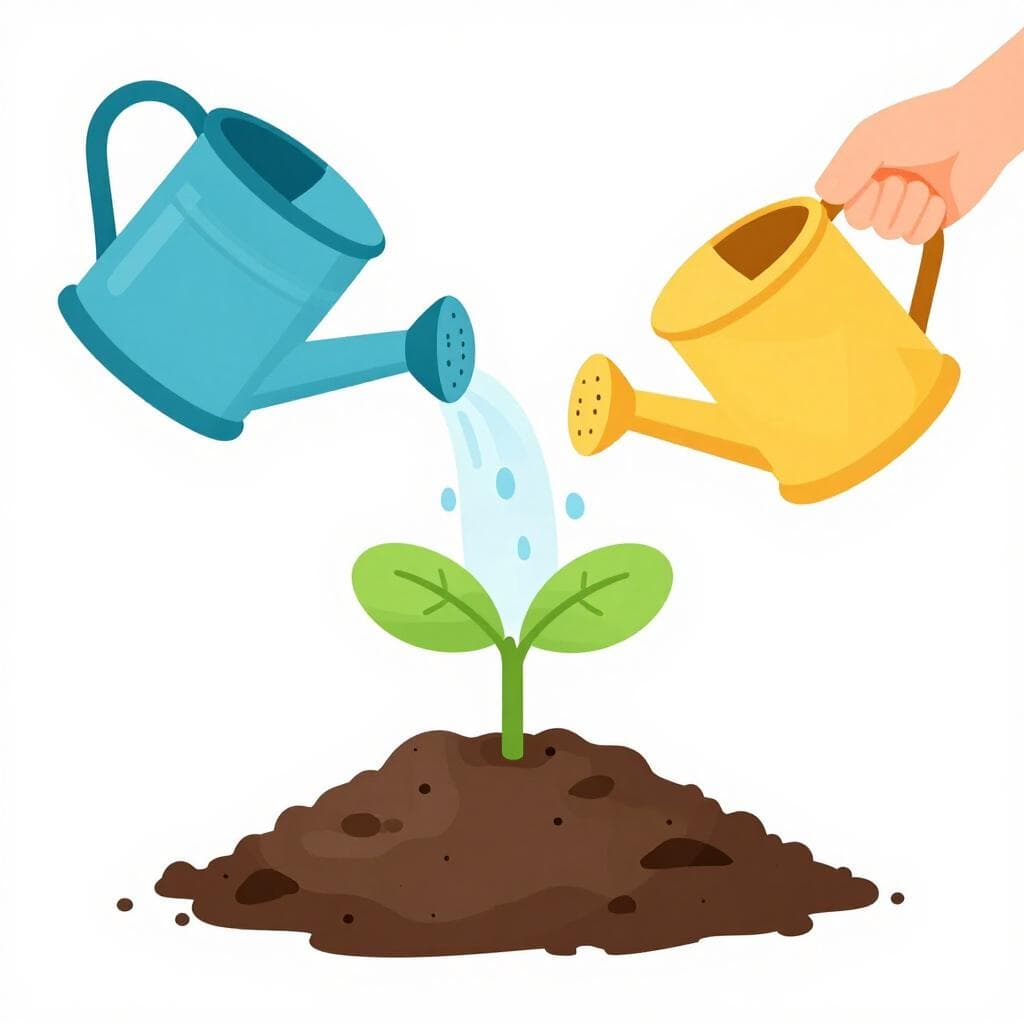
to grow
“Mi abuelo cultiva tomates en su jardín.”
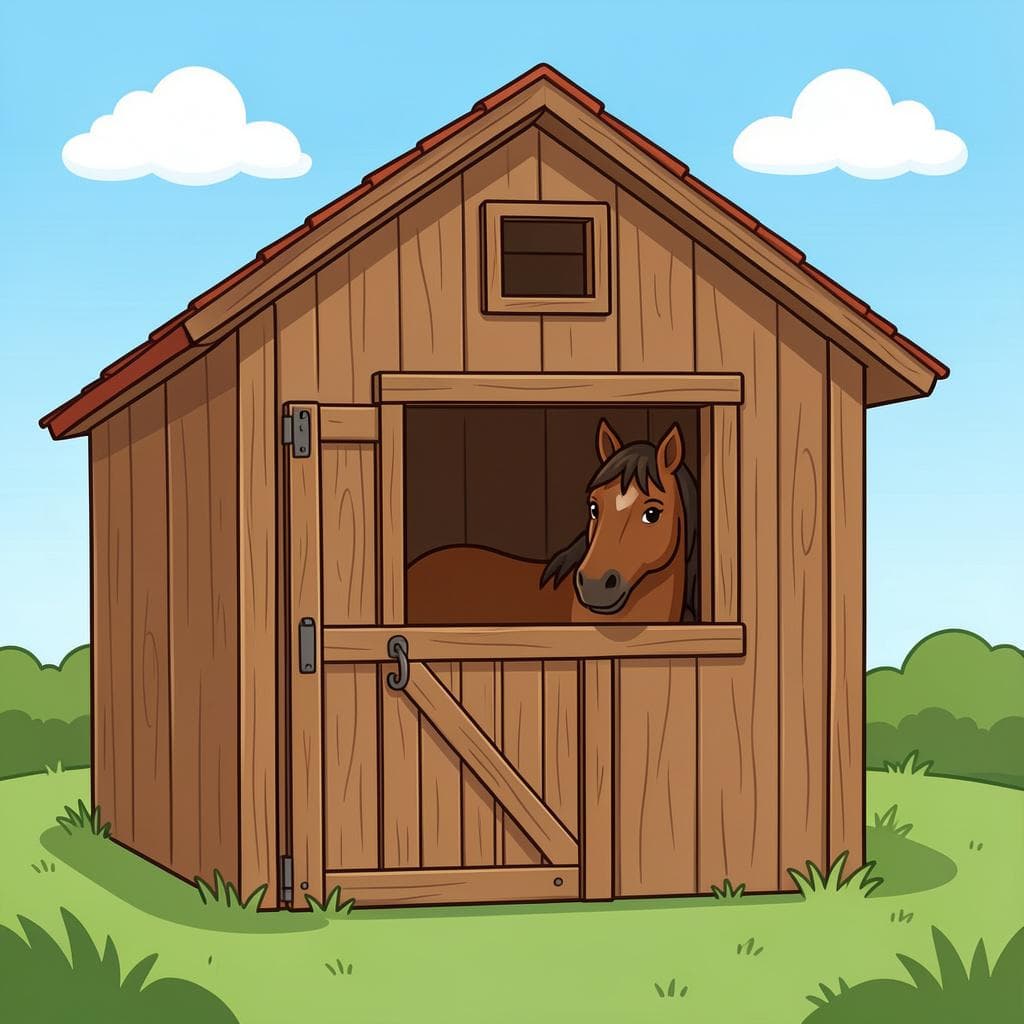
stable
“El granjero lleva las vacas al establo por la noche.”
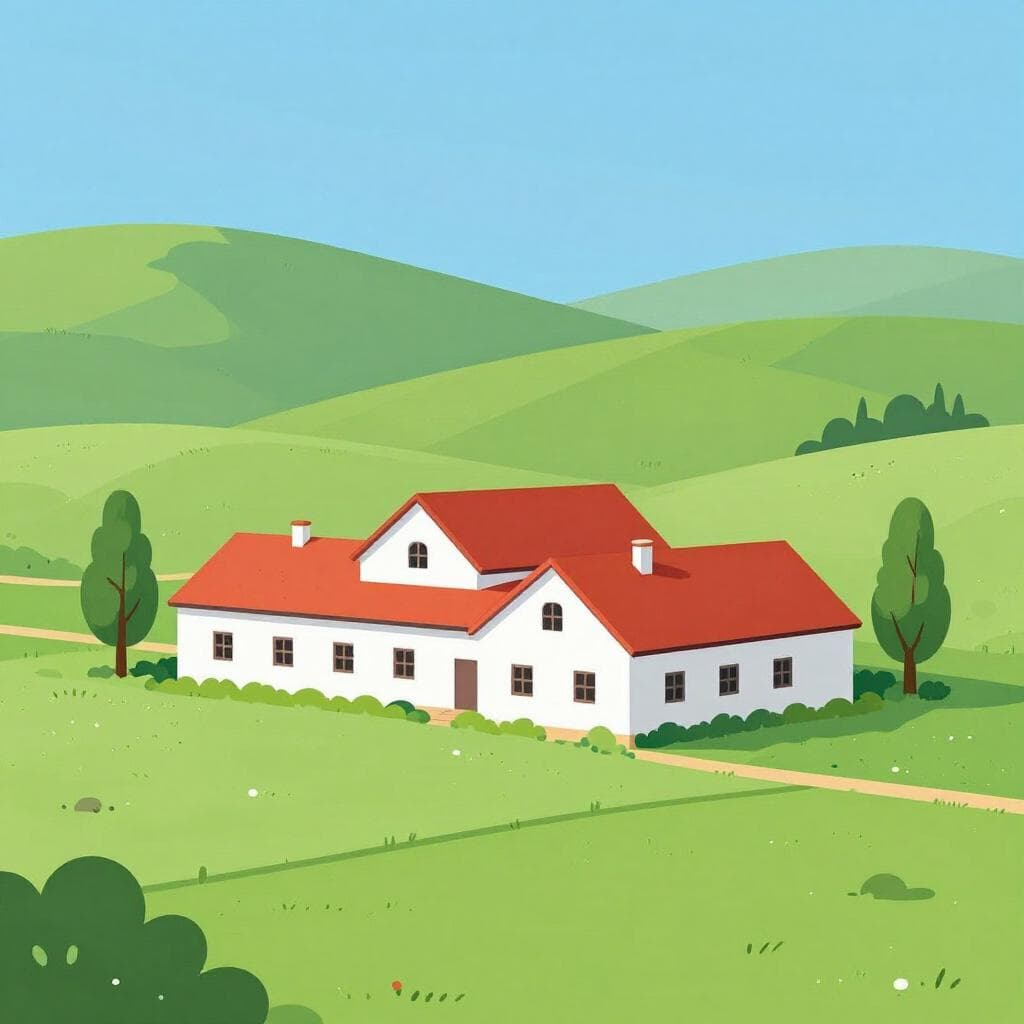
estate
“Mis abuelos viven en una finca en las montañas.”

straw
“El espantapájaros está relleno de paja.”
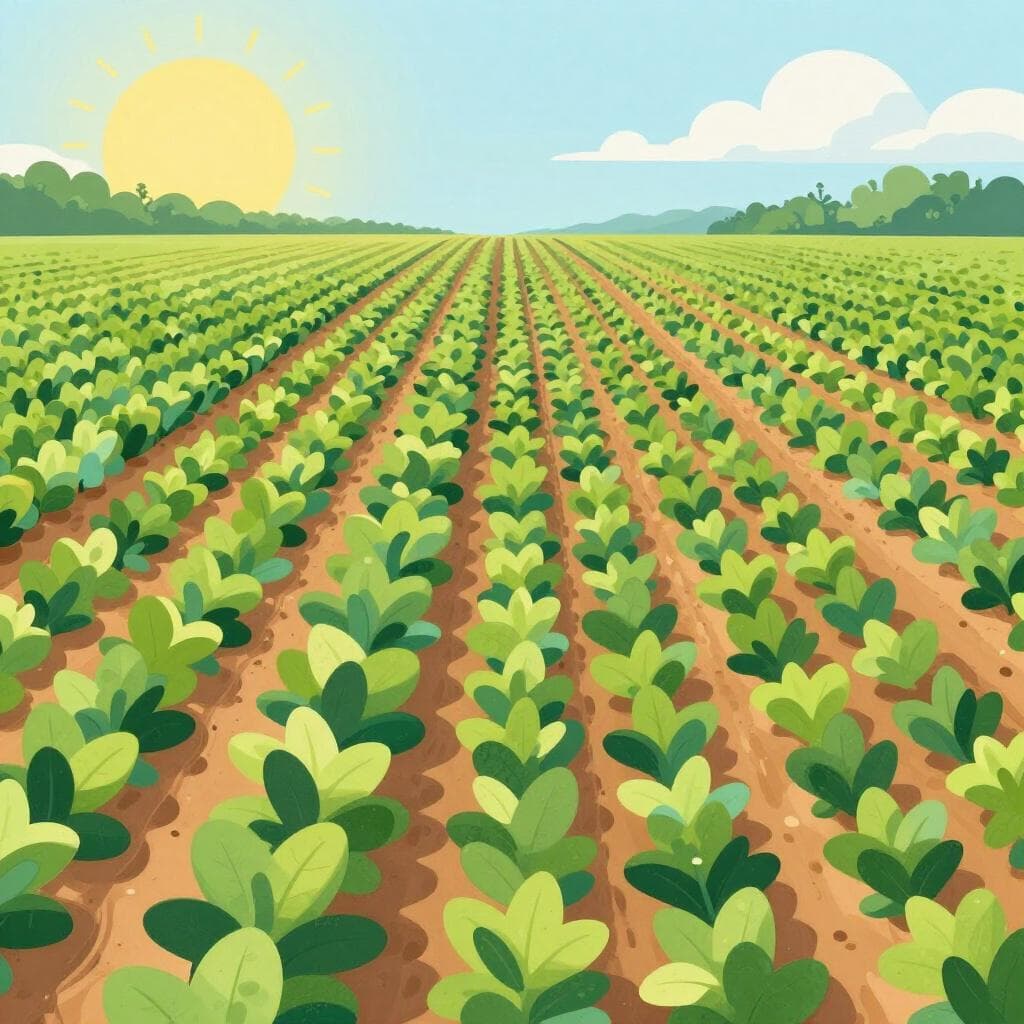
plantation
“Visitamos una plantación de café en Colombia.”
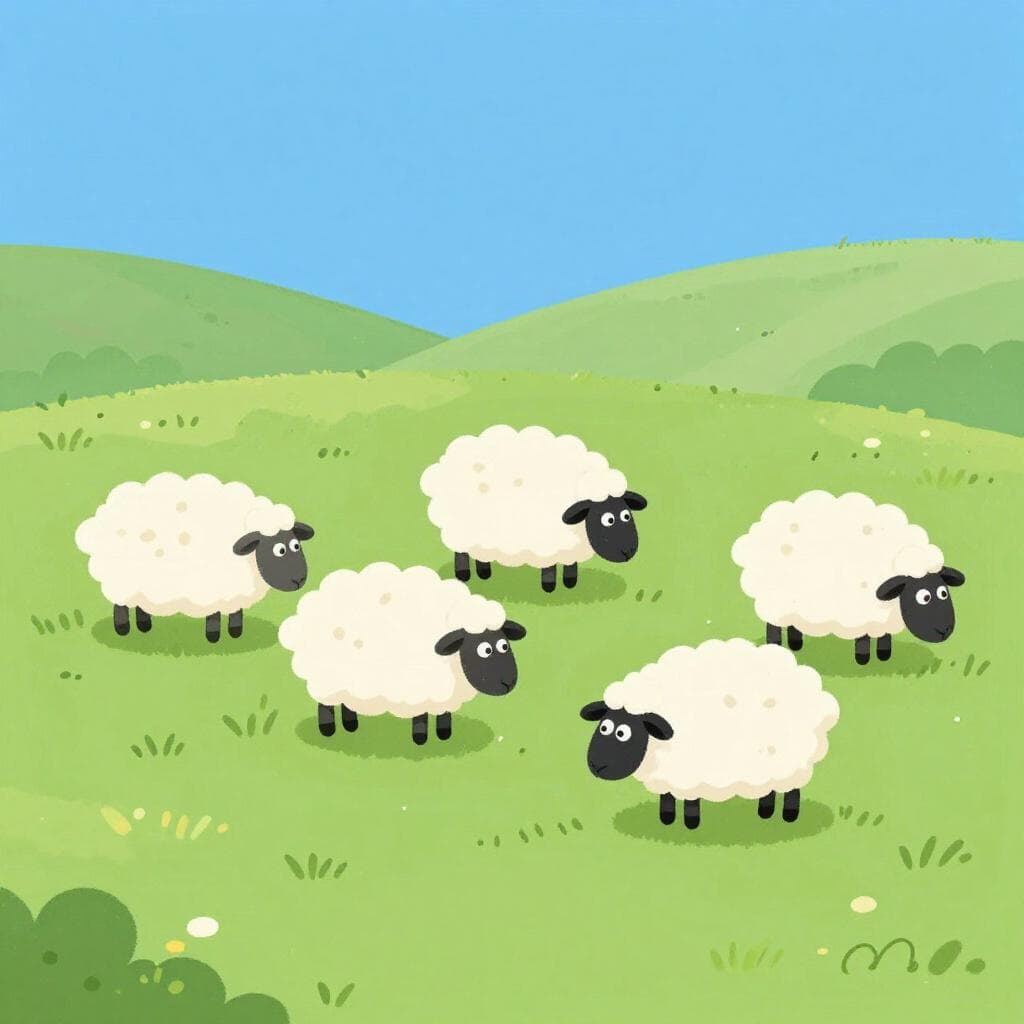
flock
“El pastor guía a su rebaño hacia la montaña.”
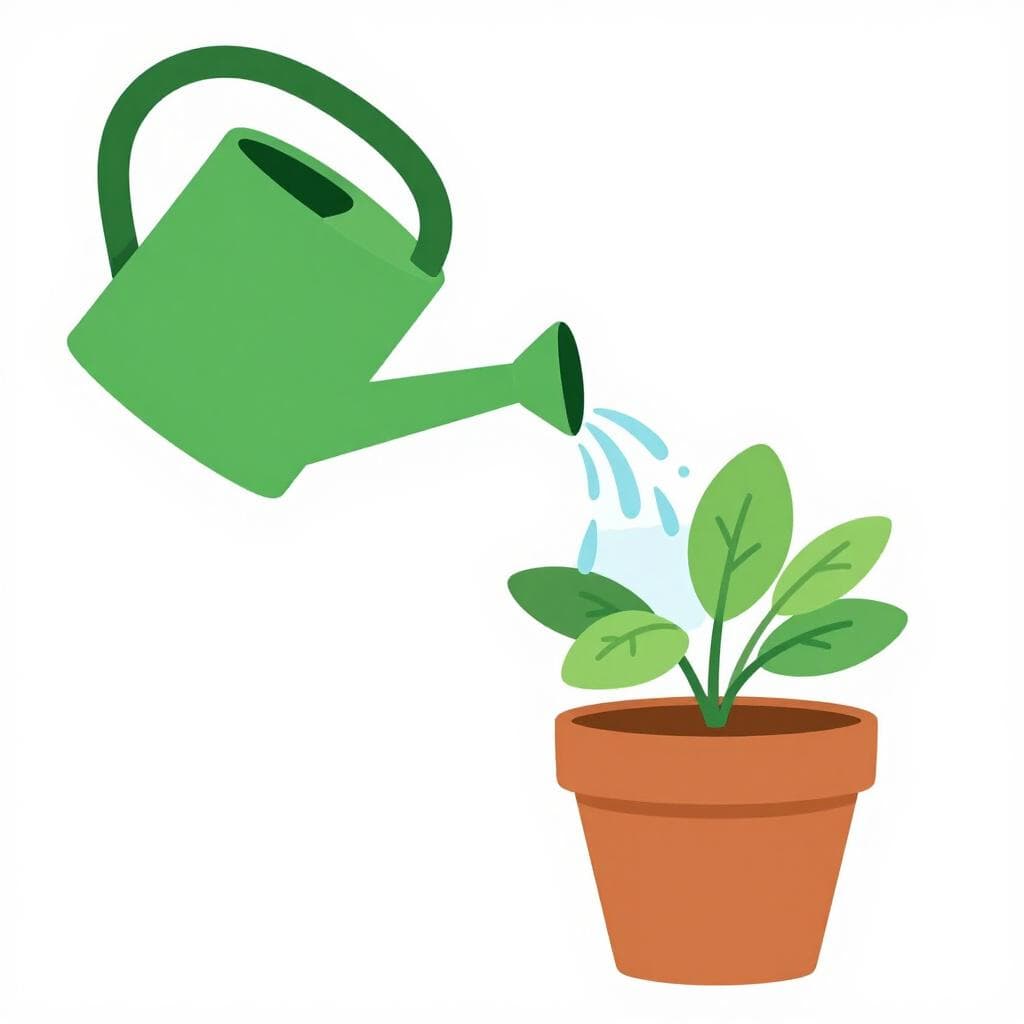
watering
“El riego por goteo es el más eficiente para el jardín.”
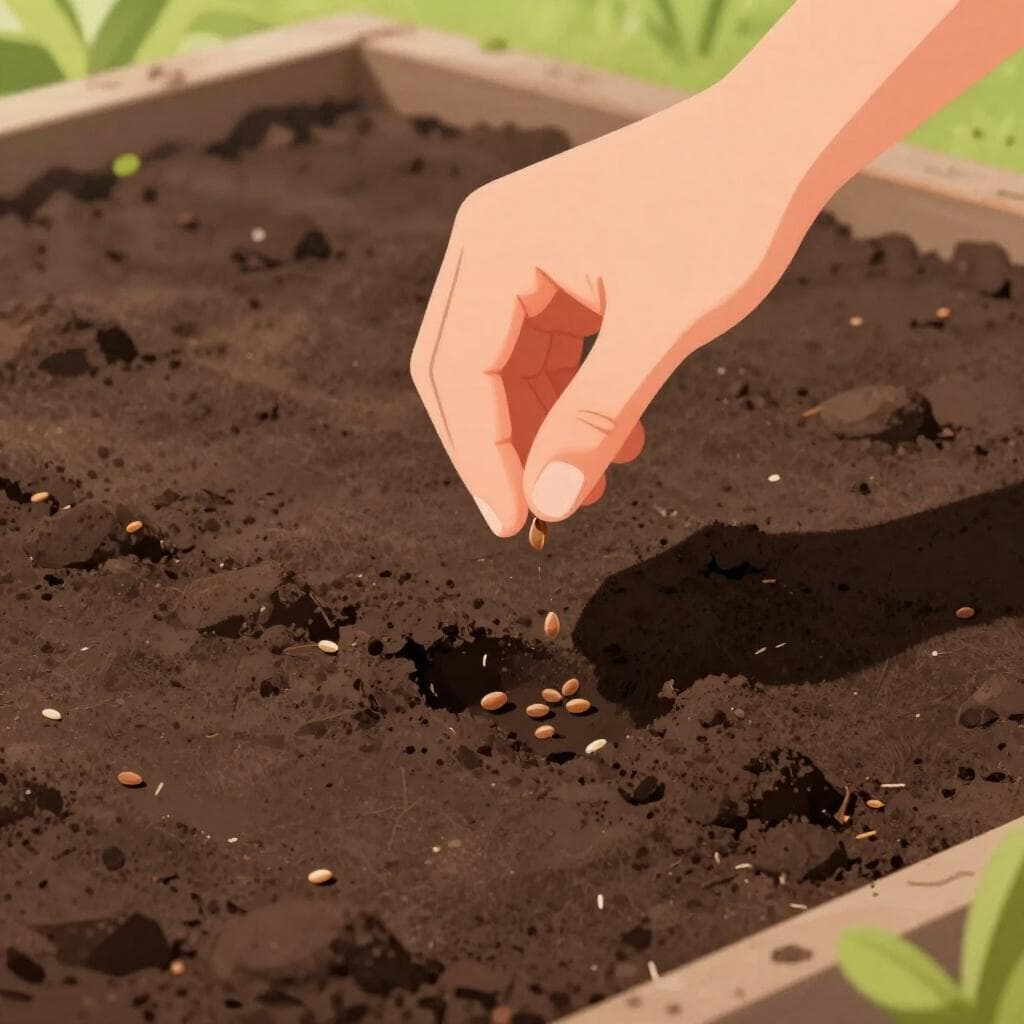
to sow
“Es el momento perfecto para sembrar las semillas de tomate.”
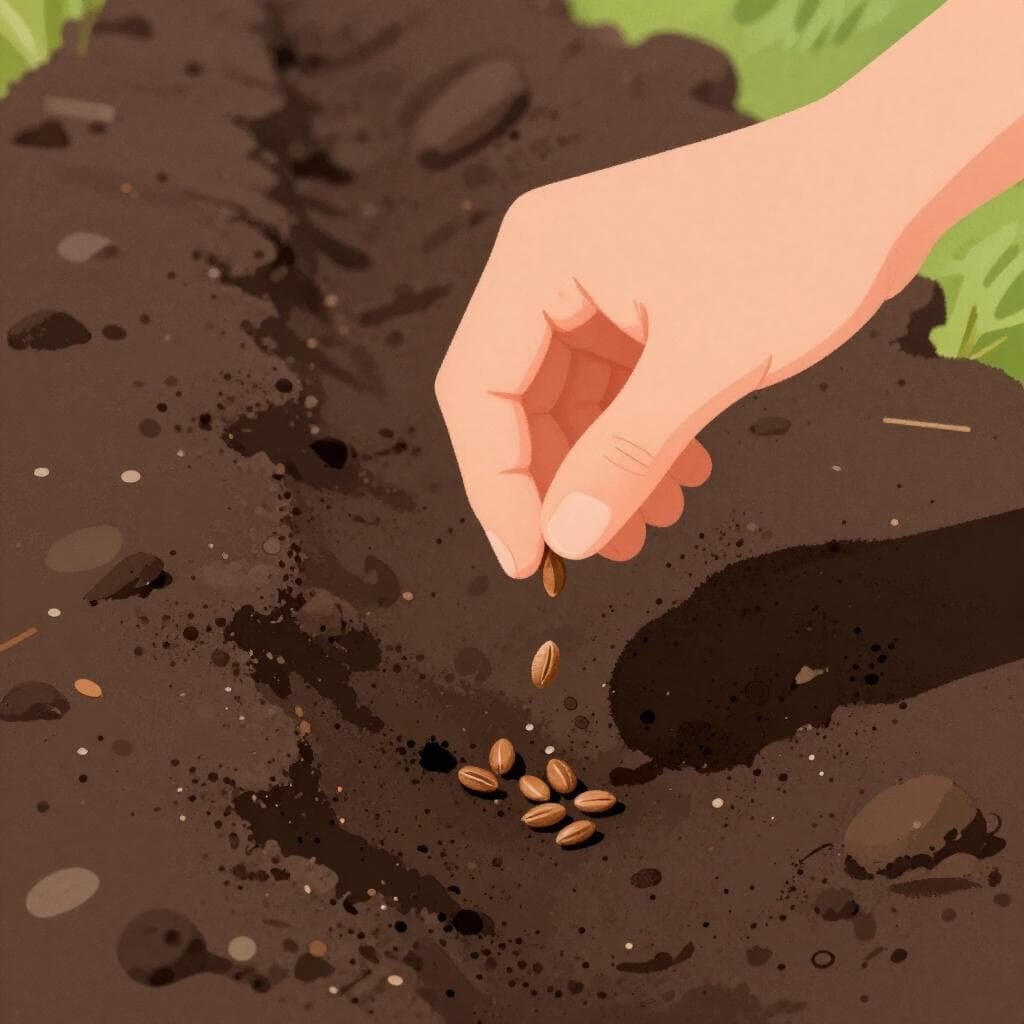
sowing
“La siembra de maíz comienza en primavera.”
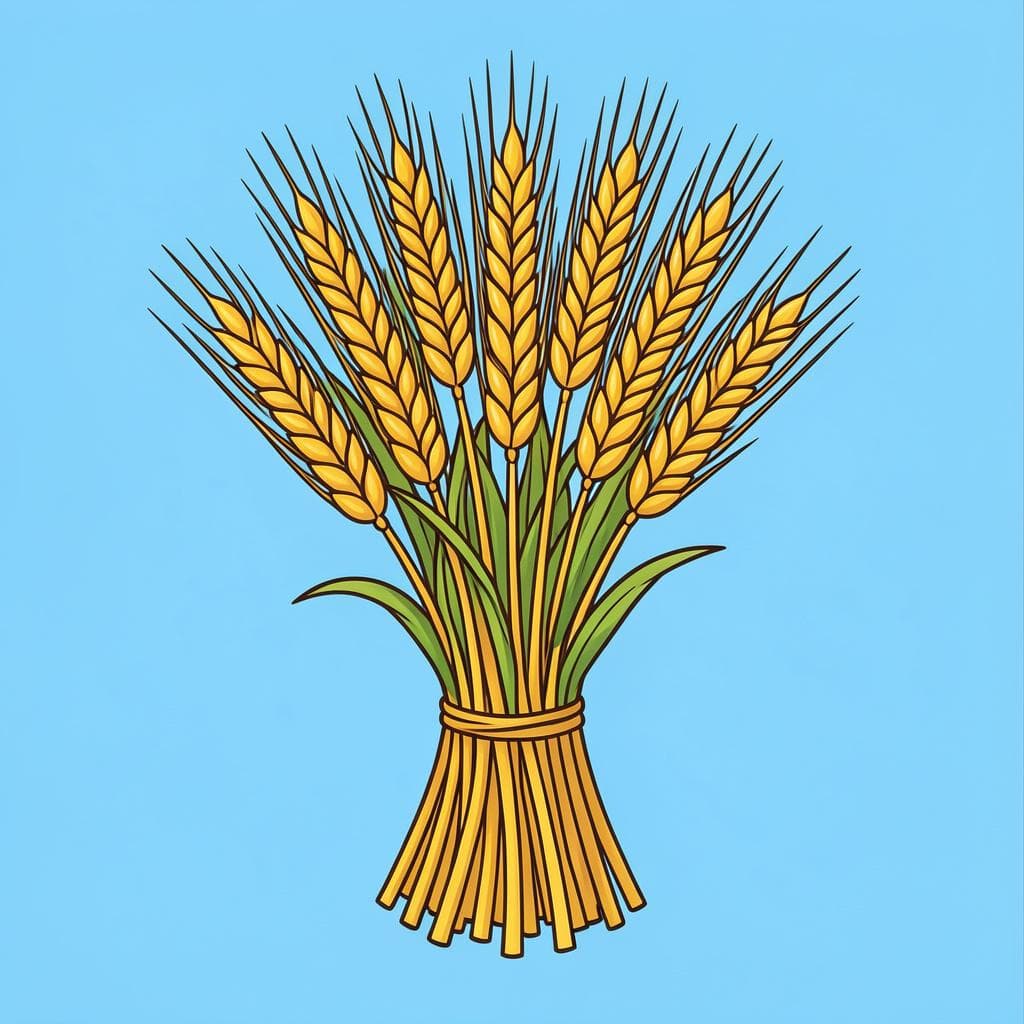
wheat
“El pan está hecho de harina de trigo.”

greenhouse
“Mi abuelo cultiva tomates en su invernadero.”
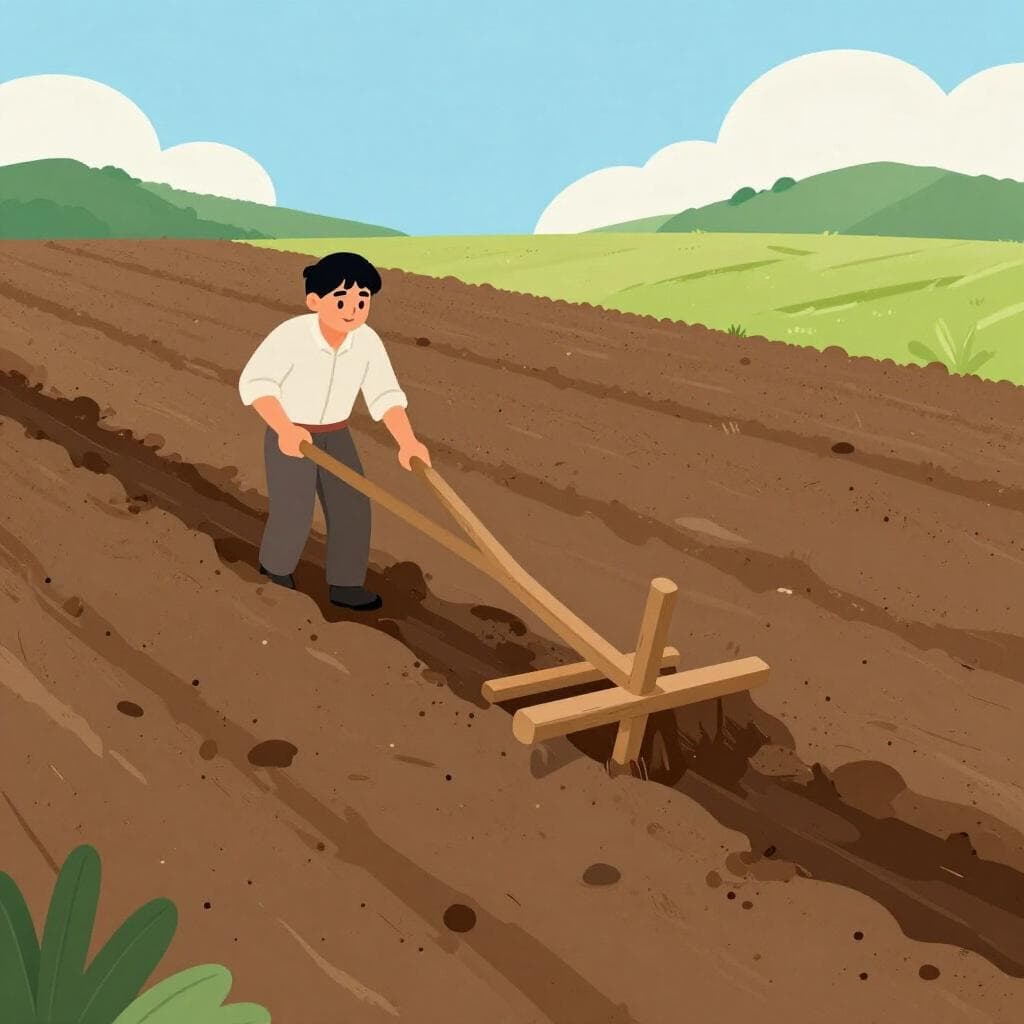
to plow
“El campesino necesita arar el campo antes de sembrar las semillas.”
B1 — Intermediate (10 words)

agricultural
“Mi abuelo compró maquinaria agrícola nueva para su granja.”
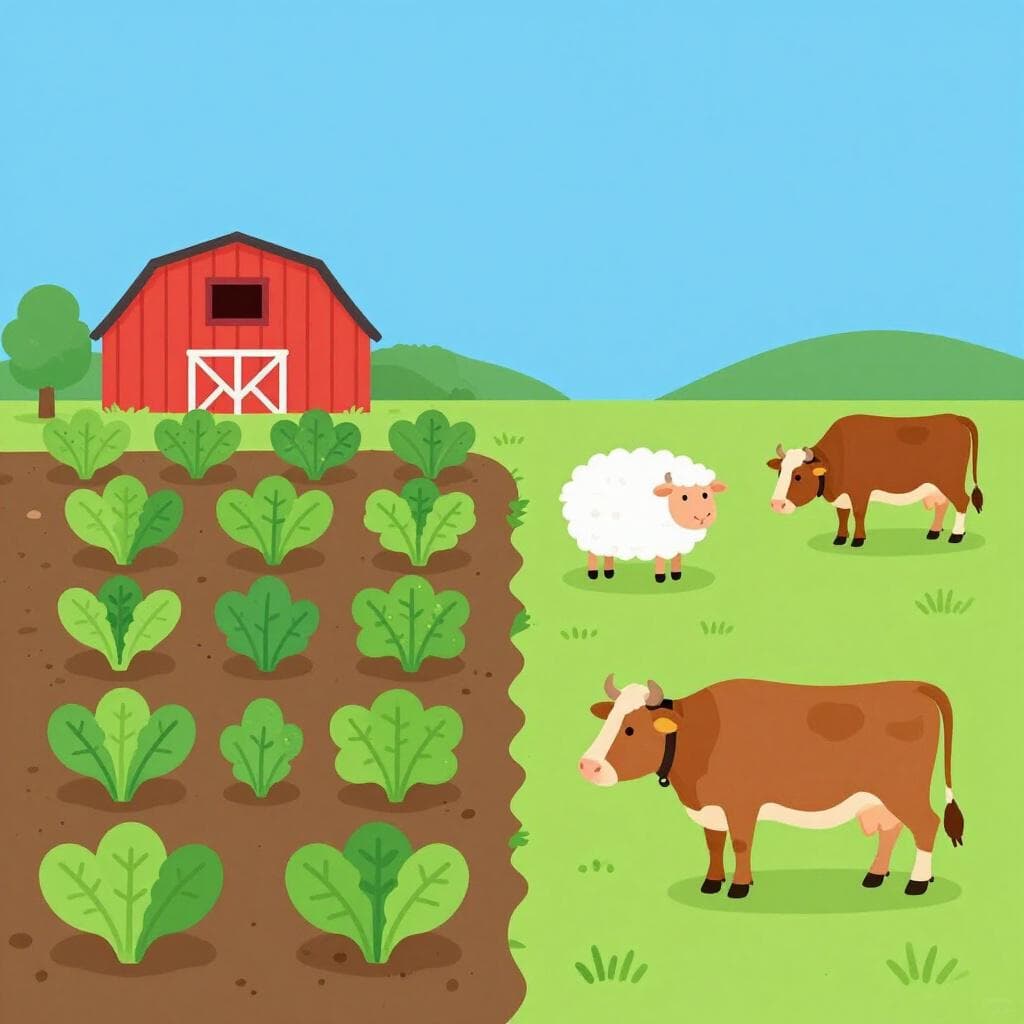
farming and livestock
“El sector agropecuario es la base de la economía en esta región.”
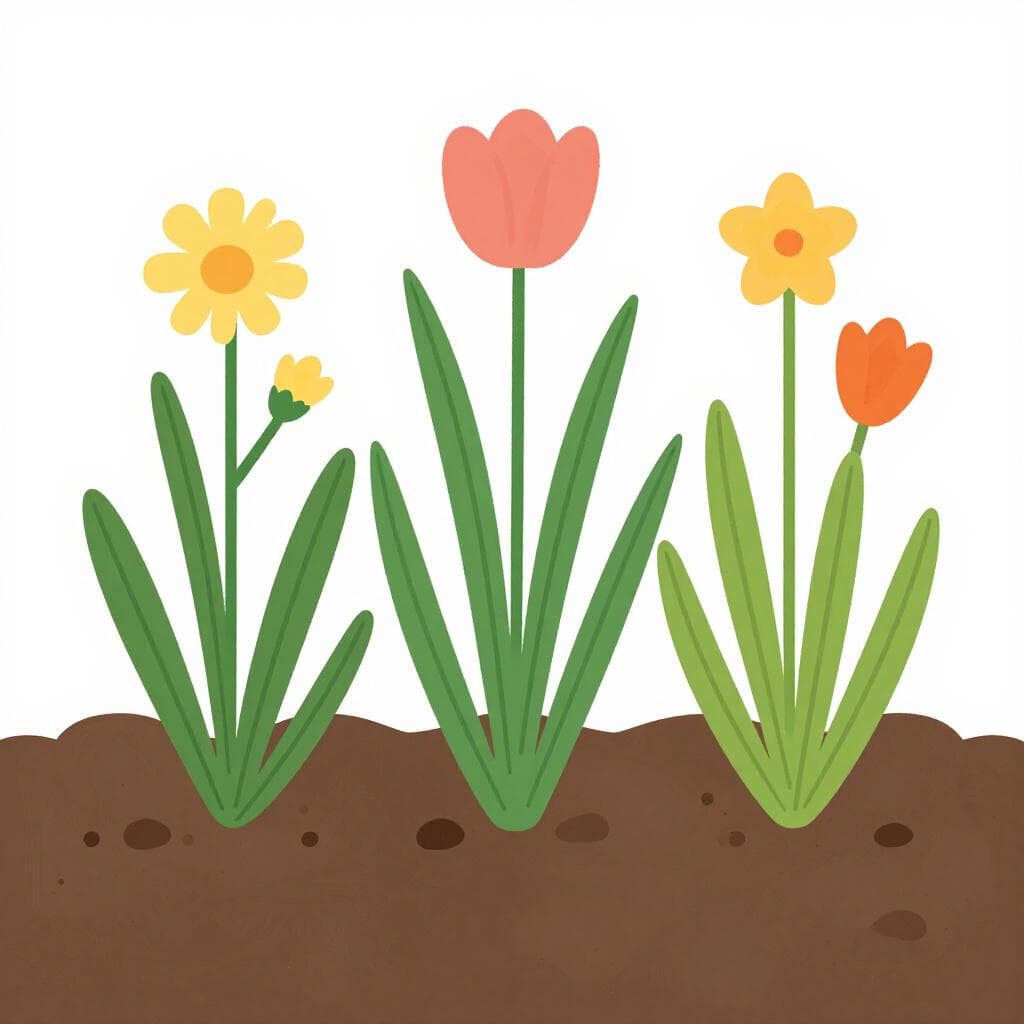
fertile
“El valle tiene una tierra muy fértil para el maíz.”
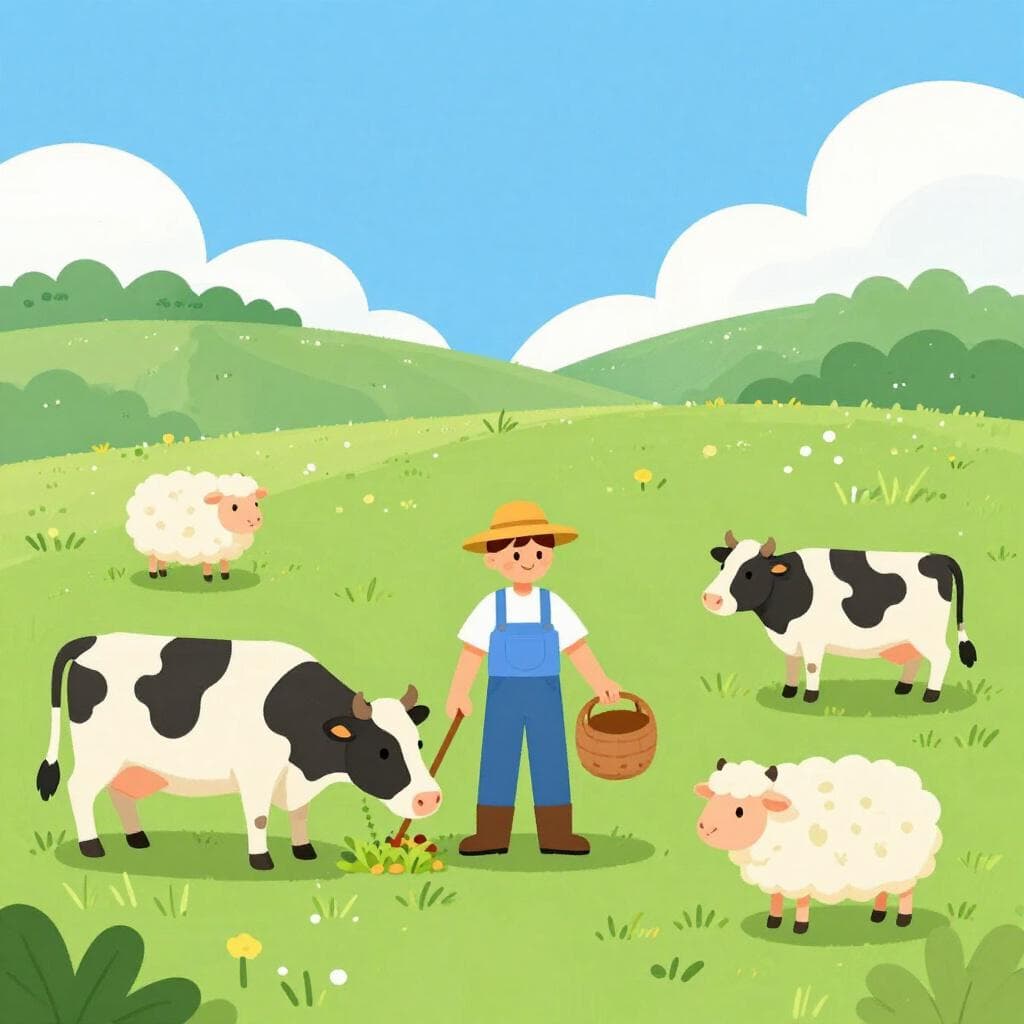
livestock farming
“La ganadería es la base de la economía en esta región.”
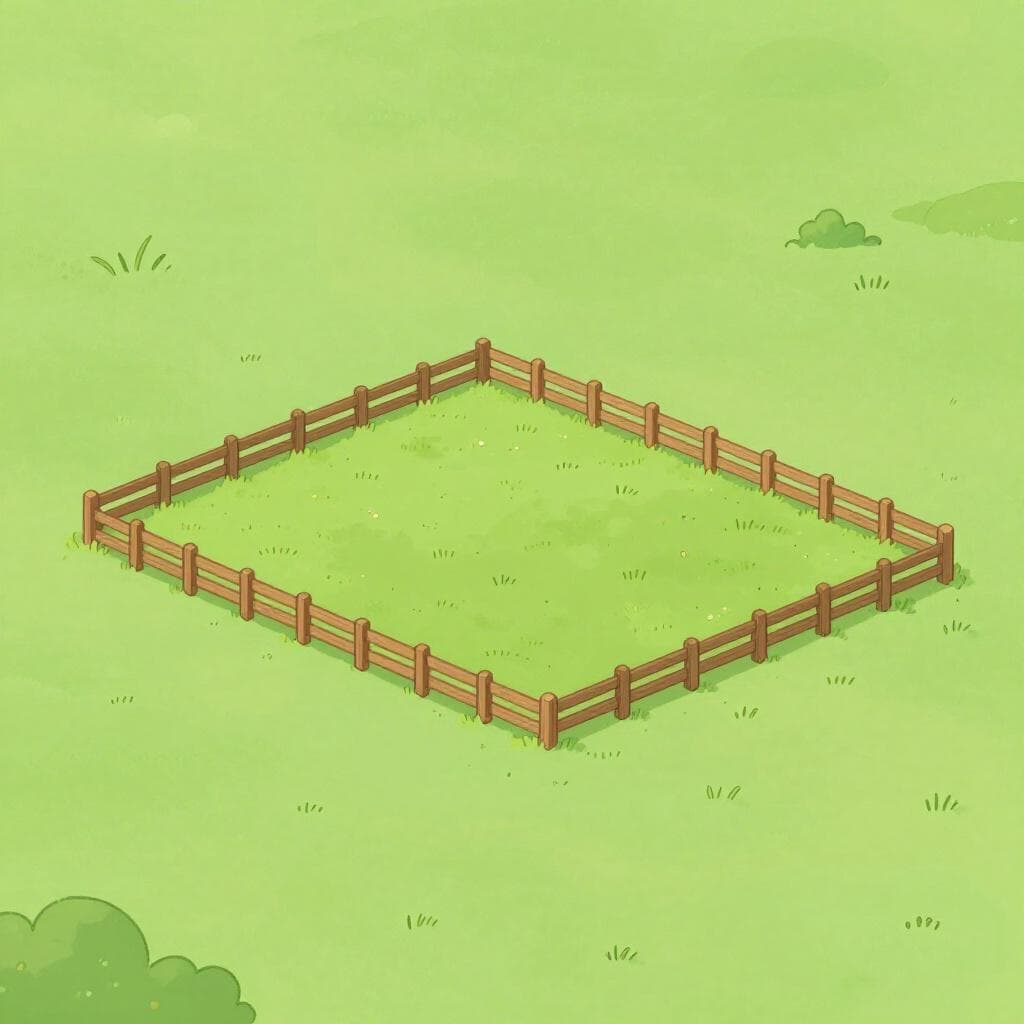
plot of land
“Compramos una parcela pequeña para construir nuestra casa de vacaciones.”
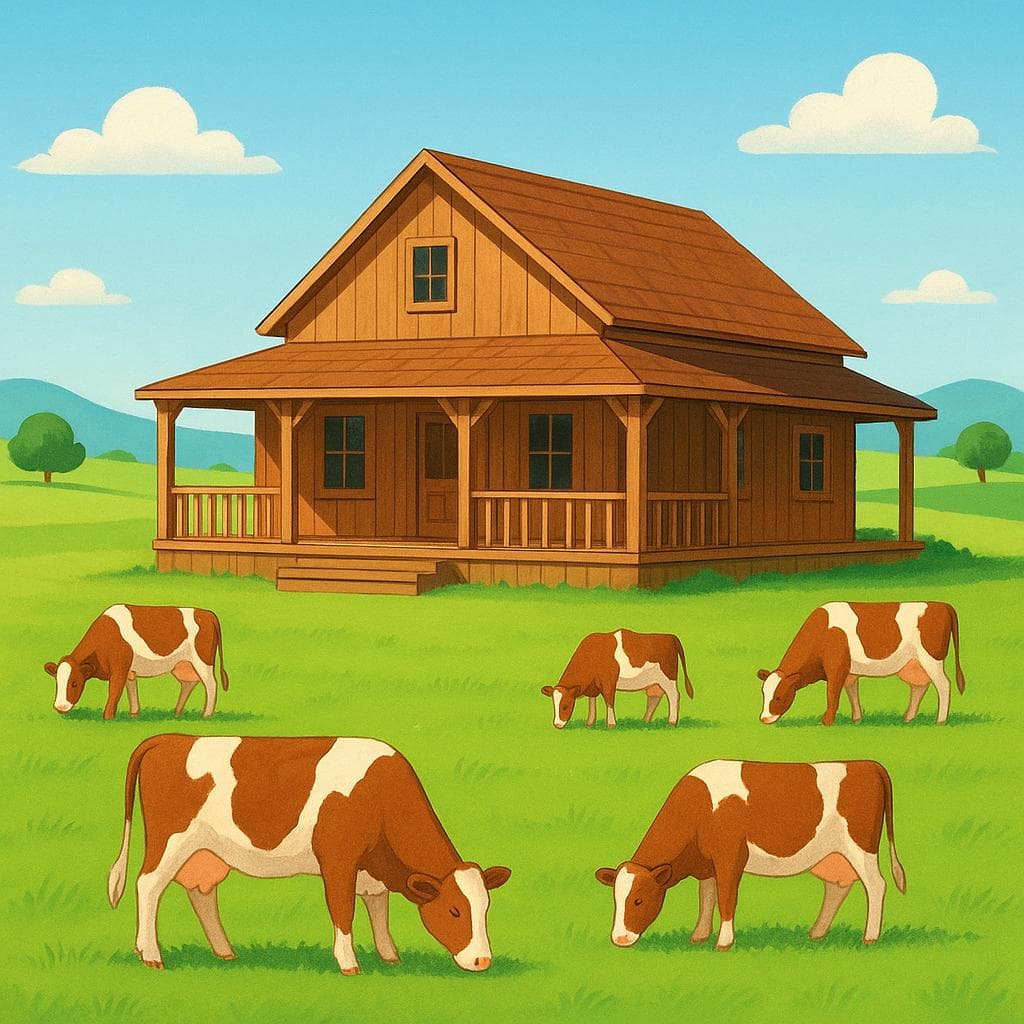
ranch
“Mi tío cría caballos en su rancho cerca de Monterrey.”
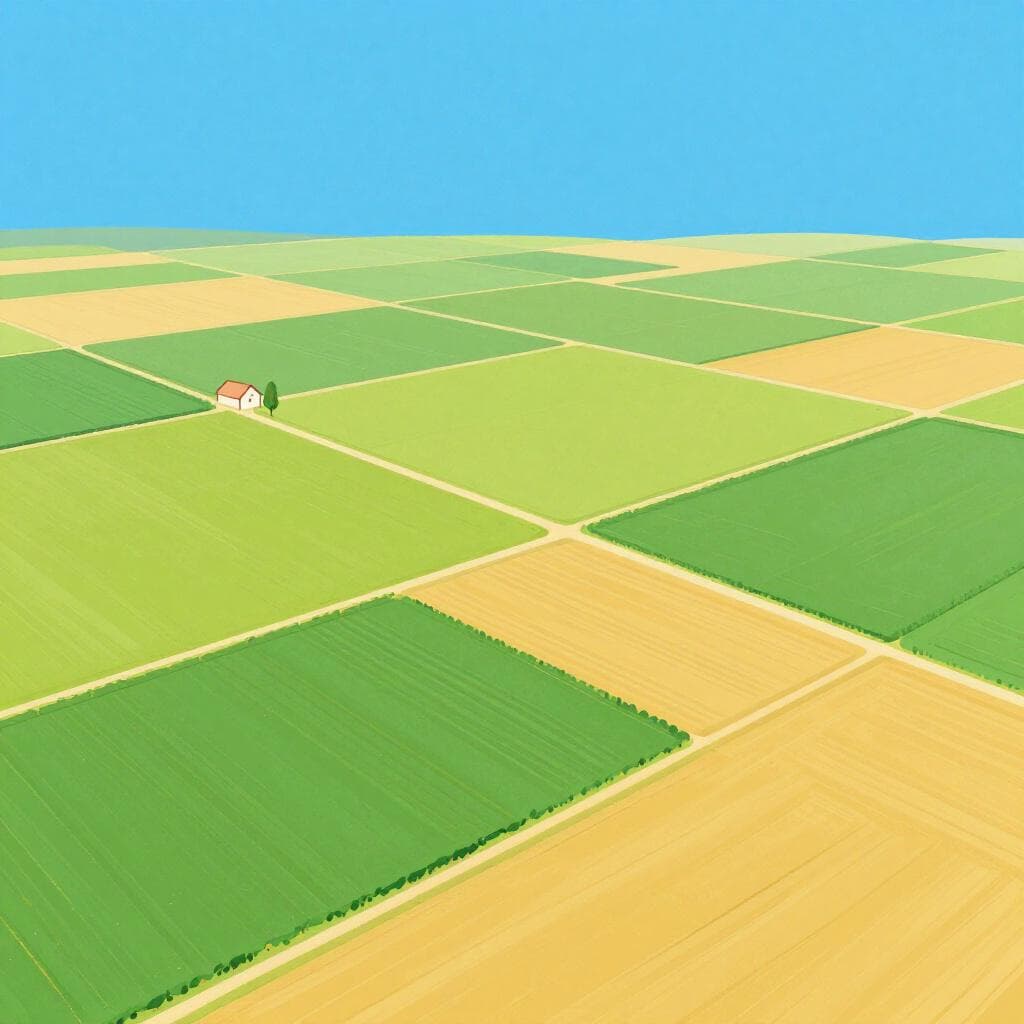
agrarian
“La reforma agraria permitió que muchos campesinos tuvieran su propia tierra.”
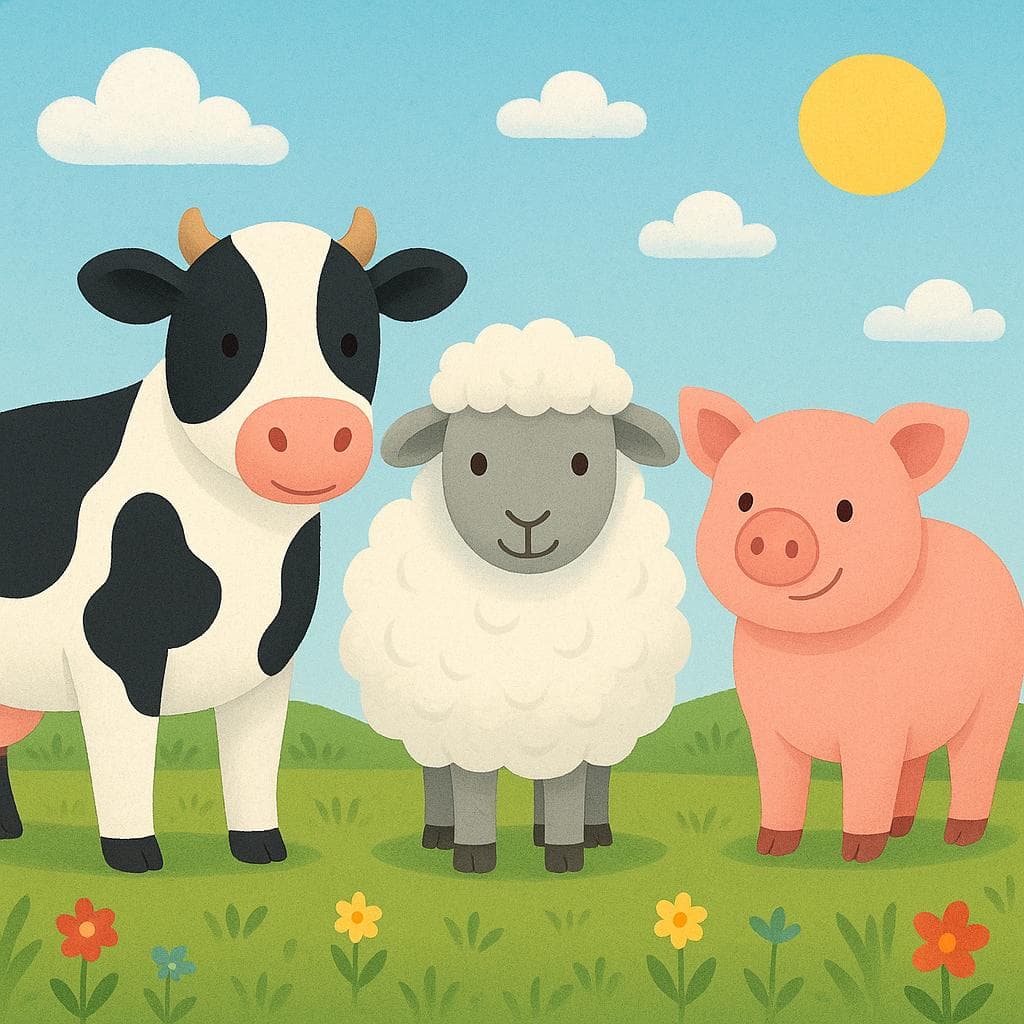
livestock
“El granjero vendió todo su ganado en la feria de primavera.”

barn
“El agricultor guardó el maíz cosechado en el granero.”
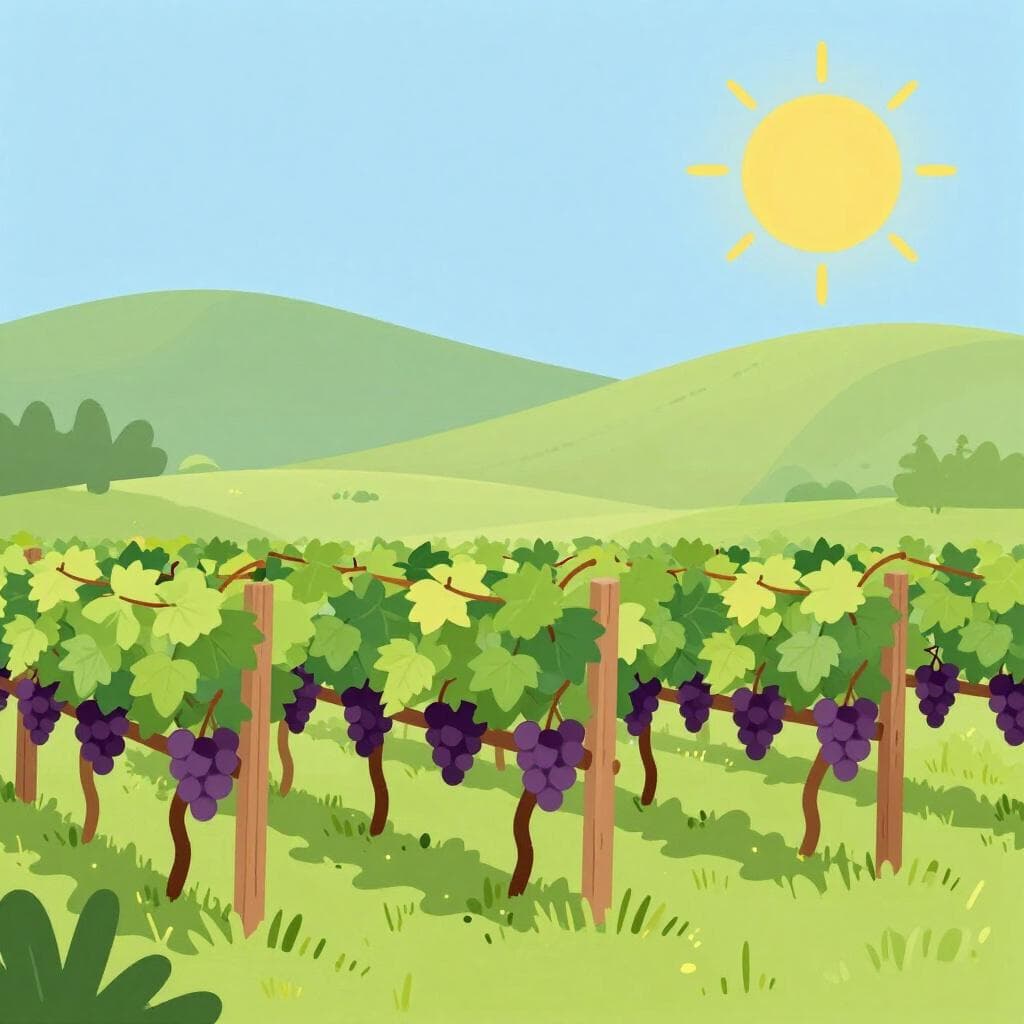
vineyard
“Mi abuelo tiene una pequeña viña en el campo.”
Grammar Tips
Gender Agreement for Crops and Fields
Many nouns related to farming have gender. For example, 'la tierra' (the land) is feminine, while 'el campo' (the field) is masculine. Remember to match your adjectives! 'La tierra fértil' (fertile land) and 'el campo verde' (green field).
Pluralizing Farm Nouns
Most farming terms follow standard Spanish plural rules. Nouns ending in a vowel usually add '-s' (e.g., 'la finca' becomes 'las fincas'), while those ending in a consonant add '-es' (e.g., 'el tractor' becomes 'los tractores').
Verb Conjugation for Actions
Verbs like 'cultivar' (to grow), 'cosechar' (to harvest), and 'arar' (to plow) will change their endings based on who is performing the action and when. For example, 'Yo cultivo' (I grow) vs. 'Ellos cosecharon' (They harvested).
Common Mistakes
Adjective Placement
Mistake: “El granjero tiene la roja cosecha.”
Correction: El granjero tiene la cosecha roja. — In Spanish, descriptive adjectives like colors usually come *after* the noun they modify. 'Roja' describes 'cosecha'.
Using 'Ser' vs. 'Estar'
Mistake: “La tierra es muy seca hoy.”
Correction: La tierra está muy seca hoy. — 'Estar' is used for temporary conditions or states, like the current dryness of the land. 'Ser' is for permanent characteristics.
Masculine/Feminine Nouns
Mistake: “Me gusta el finca.”
Correction: Me gusta la finca. — 'Finca' (estate, farm) is a feminine noun, so it requires the feminine article 'la', not the masculine 'el'.
Cultural Notes
Family Farms are Key
In many Spanish-speaking countries, family farms remain a cornerstone of agriculture. The concept of 'el campesino' or 'la campesina' often carries a strong cultural weight, representing tradition and connection to the land.
Regional Diversity in Farming
While the core vocabulary is similar, specific crops, livestock, and farming techniques can vary greatly across Spain and Latin America due to climate and tradition. A 'finca' in Spain might be very different from an 'estancia' in Argentina.