arar
“arar” means “to plow” in Spanish. It has 2 different meanings depending on context:
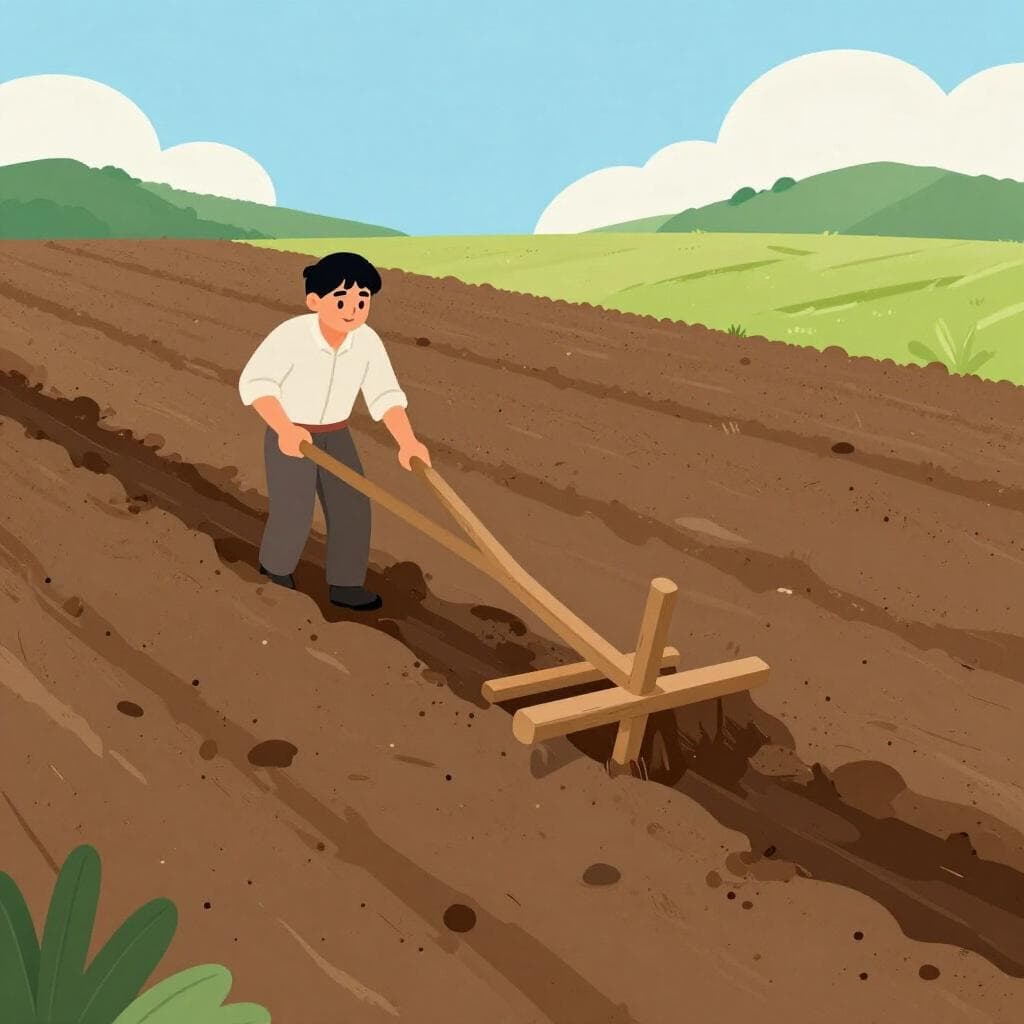
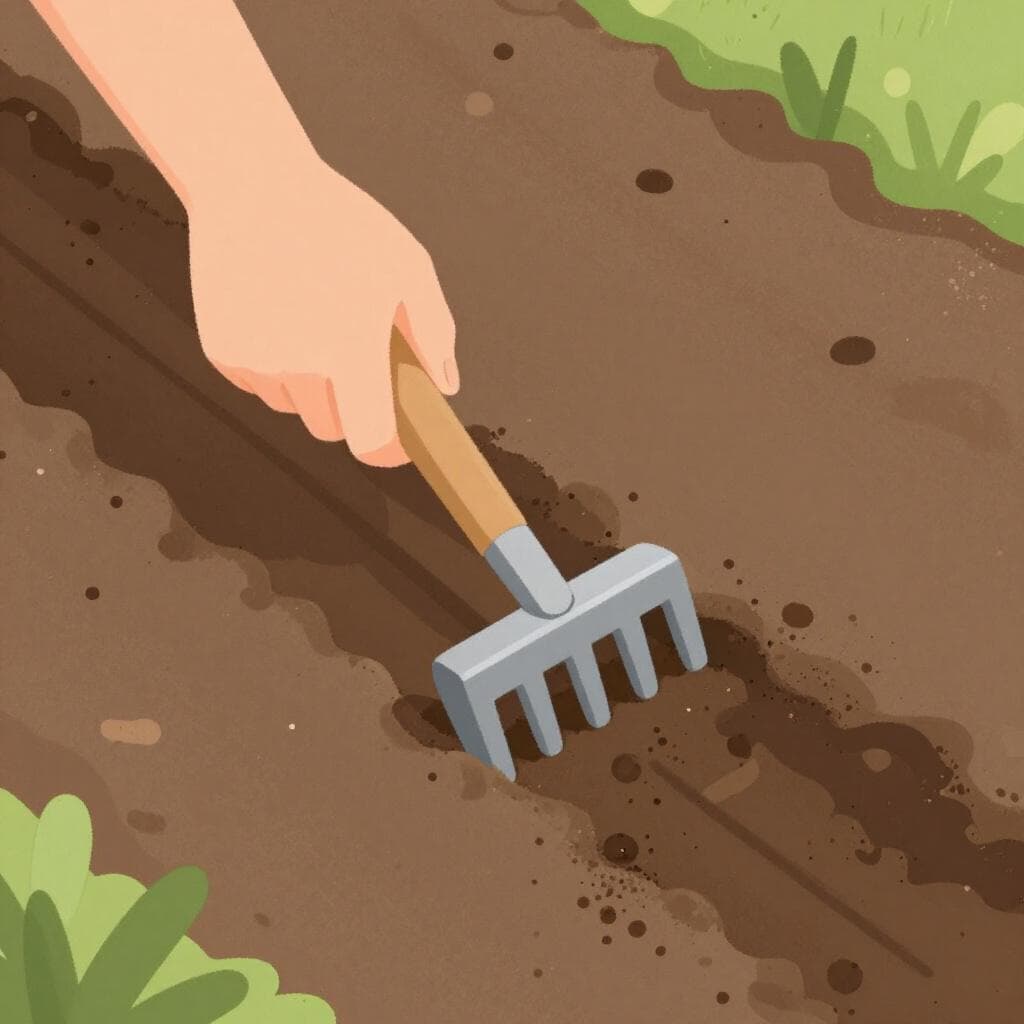
to plowAlso: to till
📝 In Action
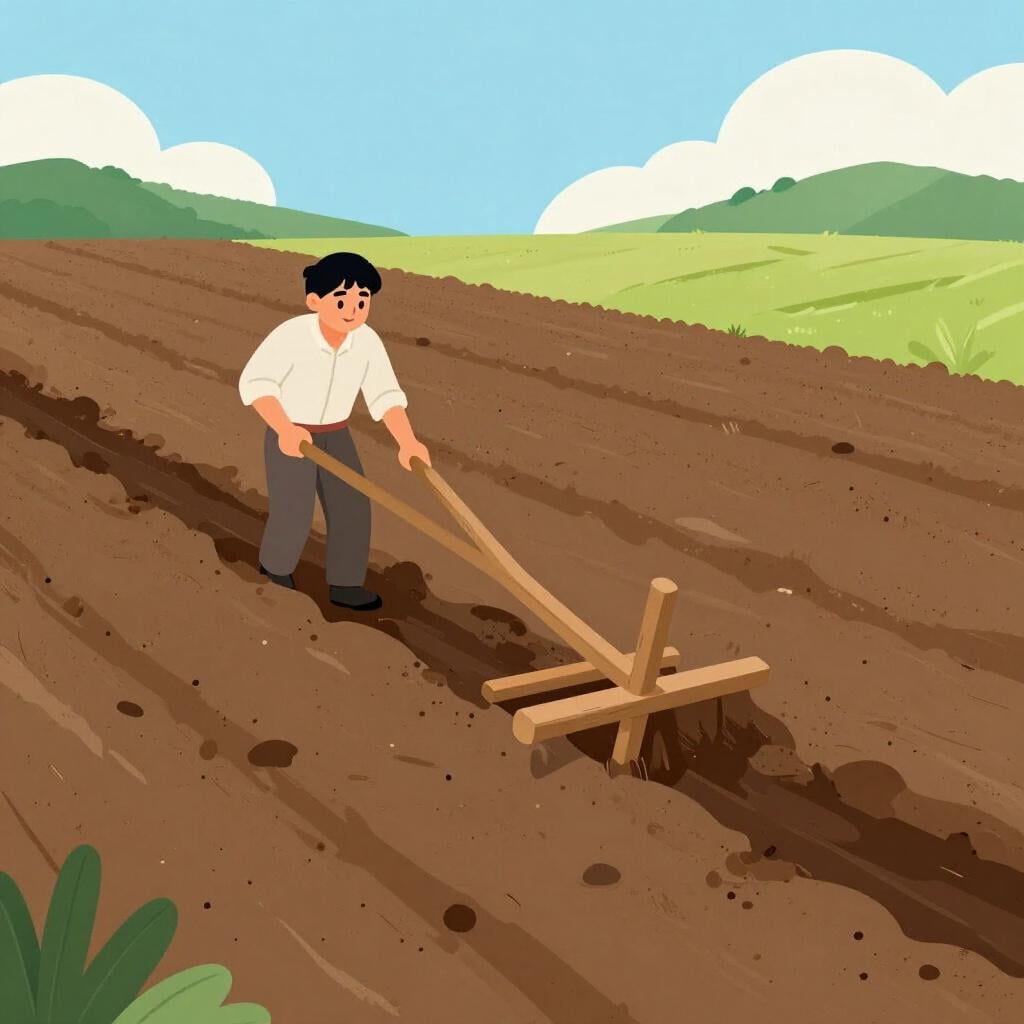
El campesino necesita arar el campo antes de sembrar las semillas.
A2The farmer needs to plow the field before sowing the seeds.
Antiguamente, usaban bueyes para arar la tierra.
B1In the old days, they used oxen to plow the land.
Es agotador arar bajo el sol todo el día.
B1It is exhausting to plow under the sun all day.
Word Connections
to furrowAlso: to cut through
📝 In Action
El barco comenzó a arar las aguas del Atlántico.
C1The ship began to plow through the waters of the Atlantic.
El tiempo empezó a arar su frente con arrugas profundas.
C2Time began to furrow his forehead with deep wrinkles.
La quilla del velero ara la espuma blanca.
C1The sailboat's keel cuts through the white foam.
Word Connections
Subjunctive
Imperfect Subjunctive
Present Subjunctive
Indicative
Preterite
Imperfect
Present
✏️ Quick Practice
Quick Quiz: arar
Question 1 of 3
What is a farmer doing if they are 'arando'?
📚 More Resources
👥 Word Family
📚 Etymology
From the Latin word 'arare,' which means the exact same thing: to plow or till.
First recorded: 12th century
Cognates (Related words)
💡 Master Spanish
Take your Spanish to the next level. Read 200+ illustrated and narrated Spanish stories tailored to your level with the Inklingo app!
Frequently Asked Questions
Is 'arar' a common word in cities?
Not really. Unless you are talking about gardening or using it metaphorically in literature, you won't hear it much in urban centers.
Are 'arar' and 'labrar' the same?
They are close! 'Arar' is specifically the act of plowing. 'Labrar' is a broader term for 'working the land,' which can include plowing, planting, and weeding.
Does it have any irregular forms?
No, 'arar' is a completely regular verb, making it very easy for learners to use.