How to Say "to till" in Spanish
The most common Spanish word for “to till” is “arar” — use 'arar' when specifically referring to plowing or turning over the soil with a plow, typically in preparation for planting crops.
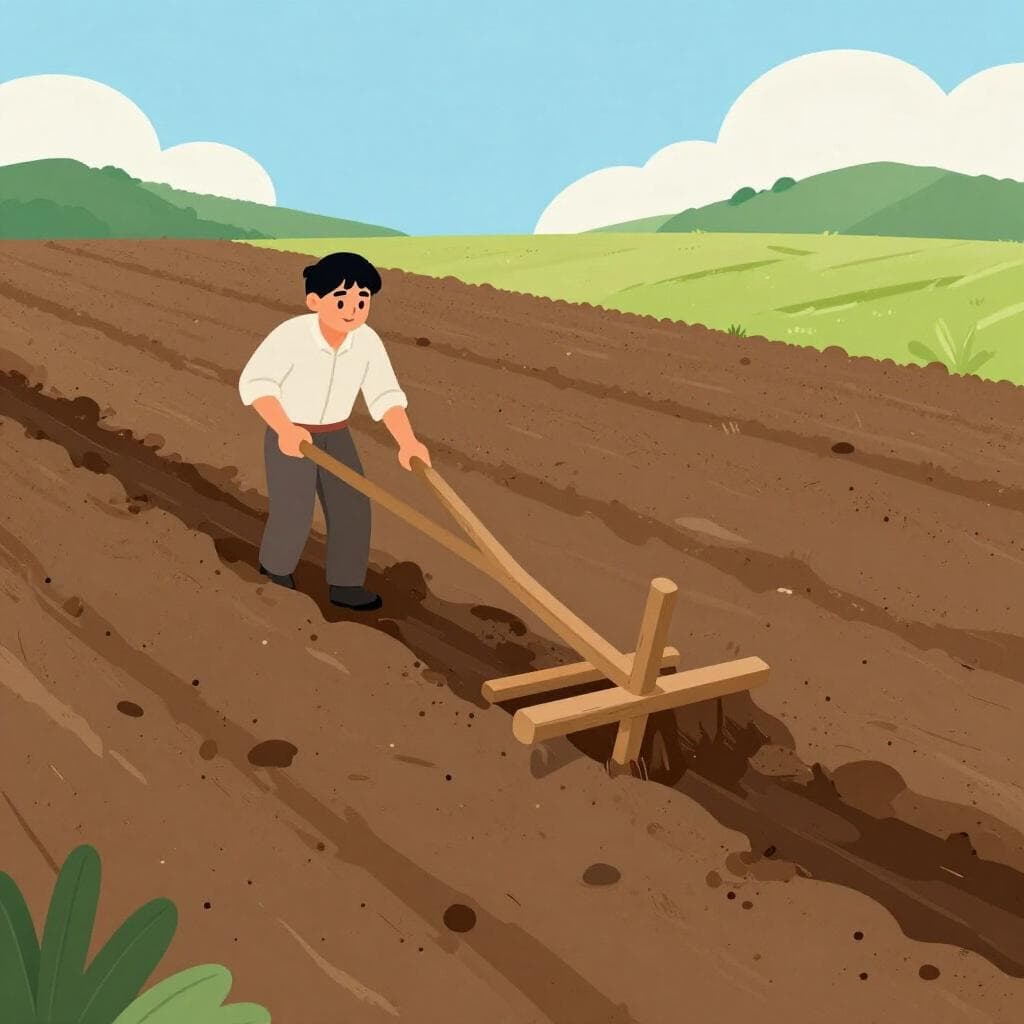
Use 'arar' when specifically referring to plowing or turning over the soil with a plow, typically in preparation for planting crops.
Learn more →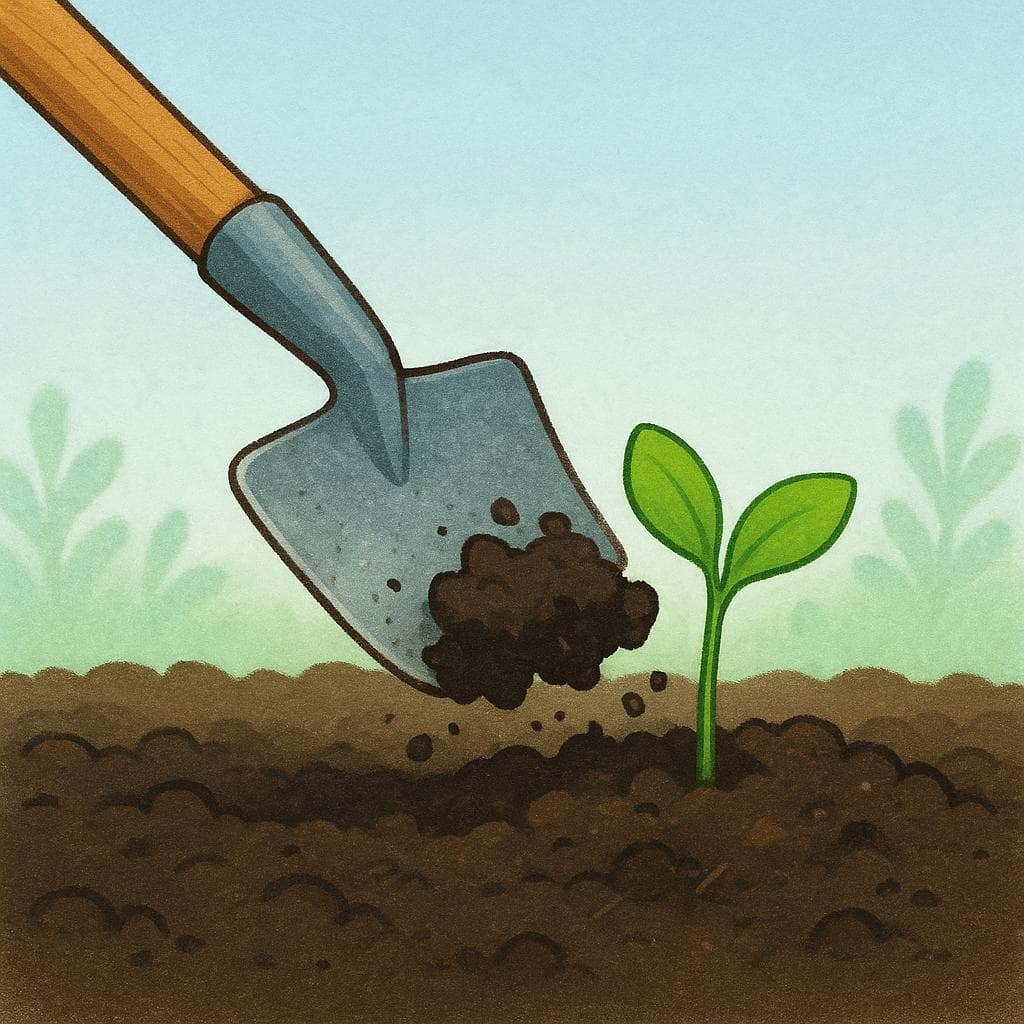
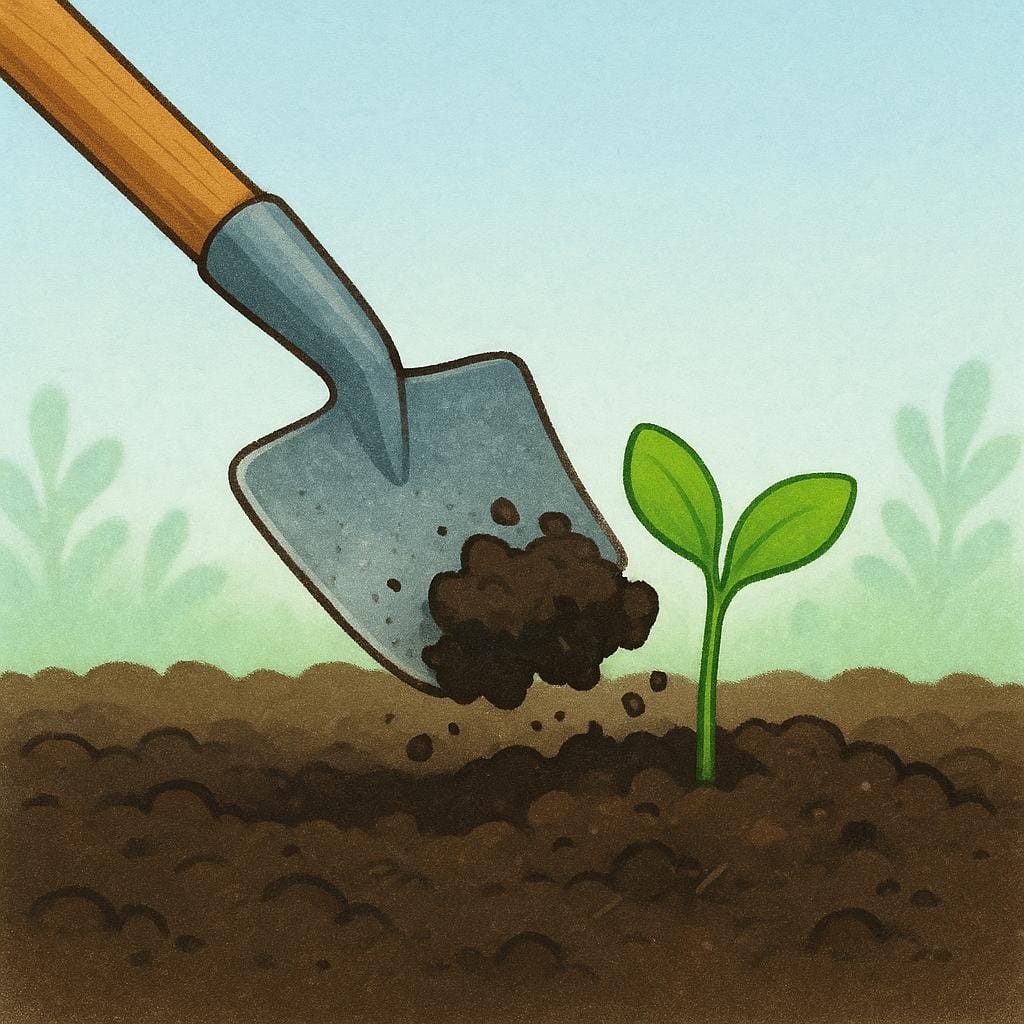
Use 'cavar' when referring to digging into the soil, often to loosen it around plants like vines or bushes, or to create holes for planting.
Learn more →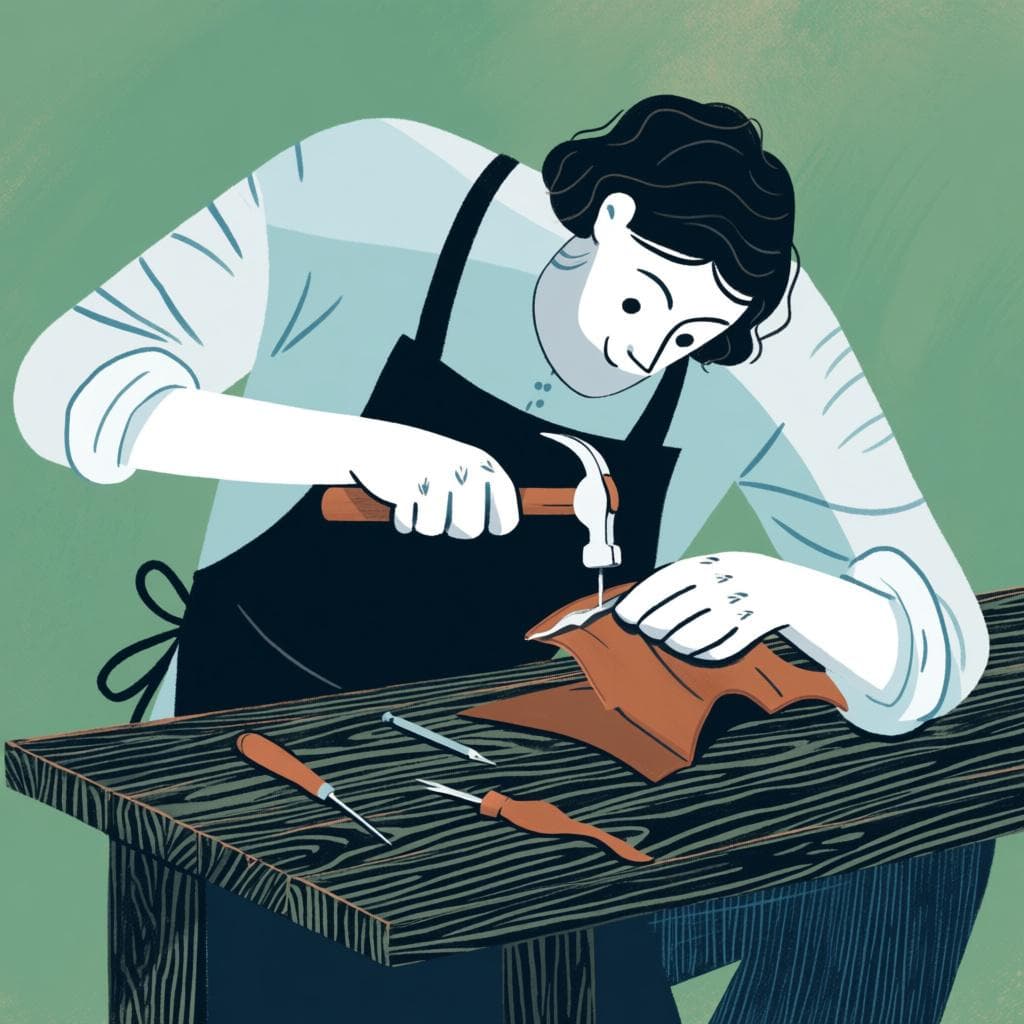
Use 'trabajar' in a broader sense when talking about working the land, which can include tilling but also other forms of cultivation or general agricultural labor.
Learn more →ah-RAHRaˈɾaɾ
Examples
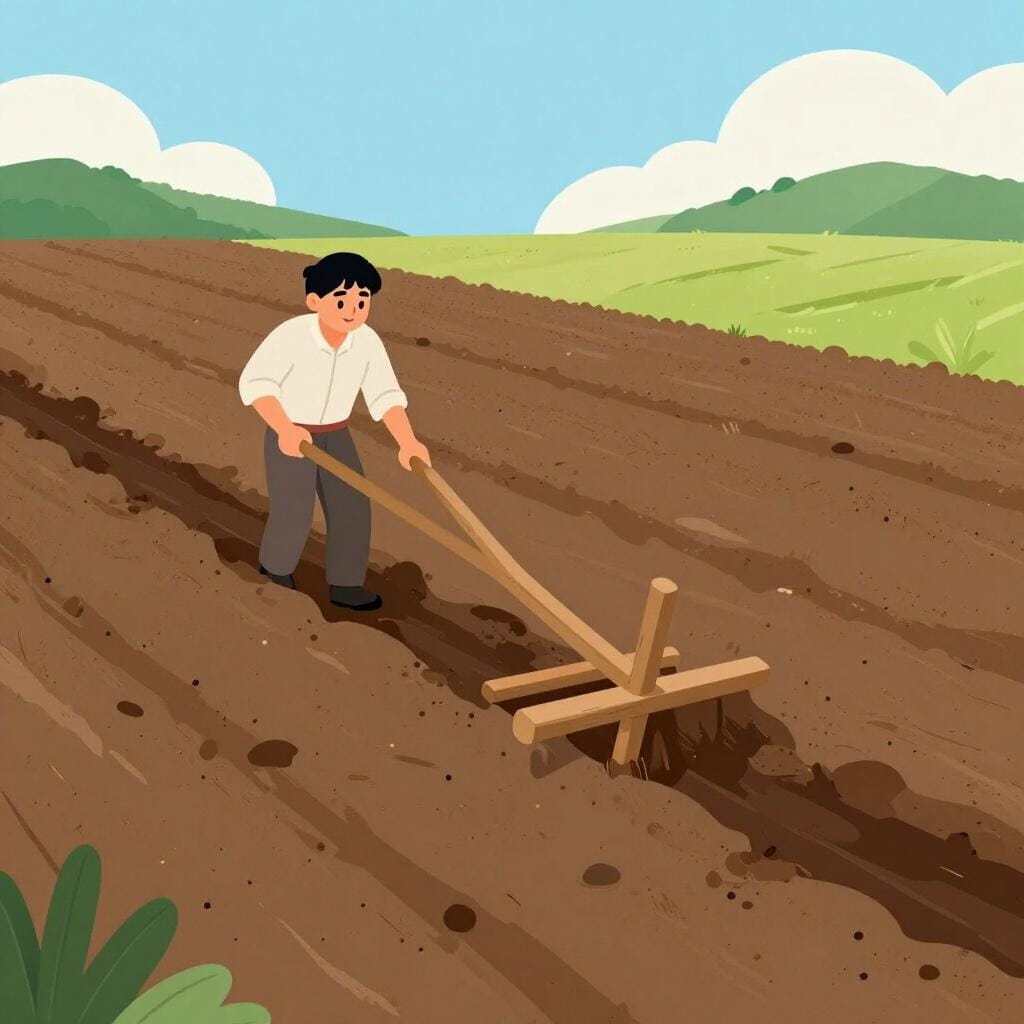
El campesino necesita arar el campo antes de sembrar las semillas.
The farmer needs to plow the field before sowing the seeds.
Antiguamente, usaban bueyes para arar la tierra.
In the old days, they used oxen to plow the land.
Es agotador arar bajo el sol todo el día.
It is exhausting to plow under the sun all day.
A perfectly regular pattern
This word follows the standard rules for all verbs ending in -ar. If you know how to conjugate 'hablar,' you already know how to conjugate 'arar'.
Direct action
You use this word directly with the thing you are plowing (the field, the land) without needing extra words like 'at' or 'on'.
Confusing 'arar' with 'orar'
Mistake: “Voy a arar a Dios.”
Correction: Voy a orar a Dios. (Arar is for farming; orar is for praying).
kah-BAHRkaˈβaɾ
Examples
Es necesario cavar las vides en primavera.
It is necessary to hoe the vines in spring.
Context is Key
While 'cavar' usually means making a hole, in a vineyard or garden, it specifically refers to turning the soil to help plants grow.
tra-ba-HARtɾa.βaˈxaɾ
Examples
El campesino trabaja la tierra con esmero.
The farmer works the land with care.
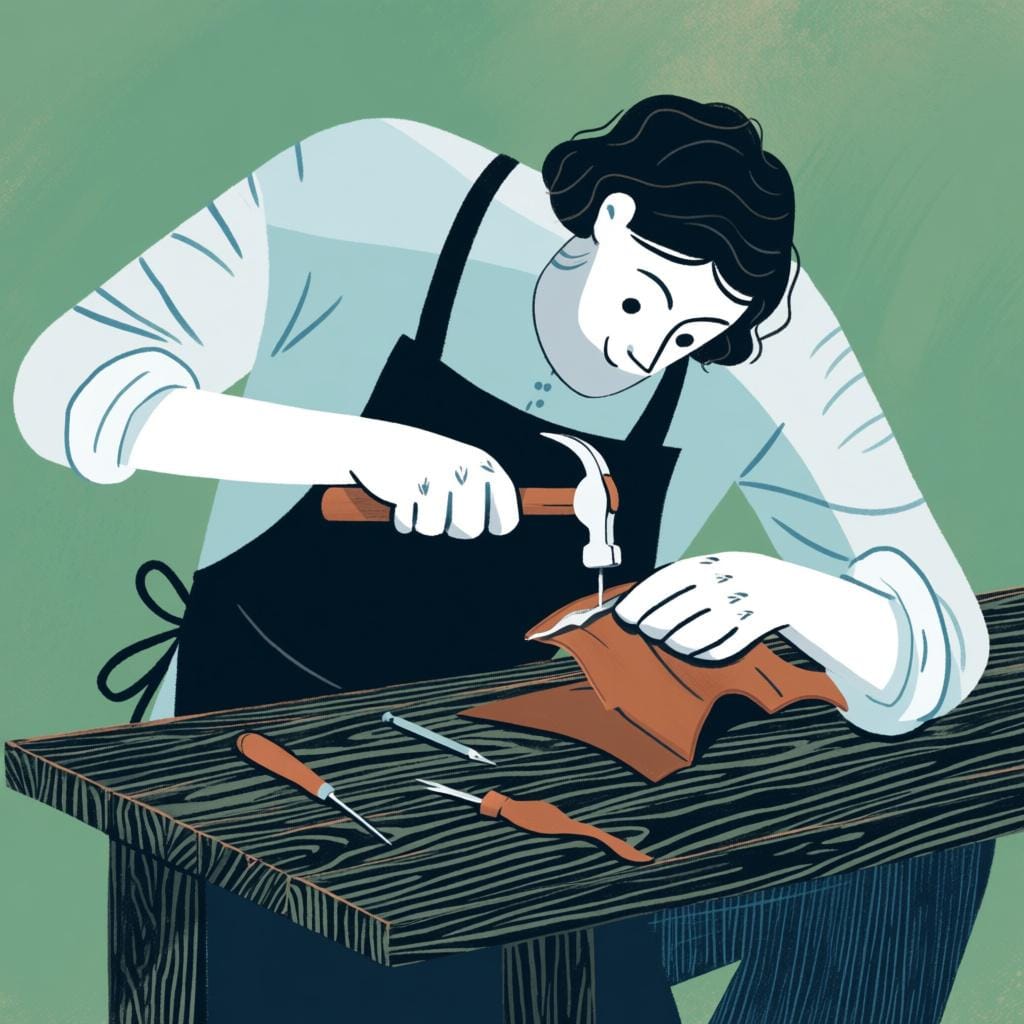
El artesano trabaja el cuero con mucha habilidad.
The artisan works the leather with great skill.
Tenemos que trabajar más la presentación antes de la reunión.
We have to work on the presentation more before the meeting.
Los agricultores trabajan la tierra para prepararla para la siembra.
The farmers work the land to prepare it for planting.
A Verb that Takes an Object
In this sense, 'trabajar' usually needs something that receives the action. You don't just 'work', you 'work something' (the wood, the idea, the land).
Arar vs. Cavar vs. Trabajar
Learners often confuse 'arar' and 'cavar'. Remember that 'arar' specifically means to plow, a distinct action from 'cavar', which means to dig or hoe. 'Trabajar' is a more general term for working the land.
Related Translations
Learn Spanish with Inklingo
Interactive stories, personalized learning, and more.