campesino
“campesino” means “farmer” in Spanish. It has 2 different meanings depending on context:

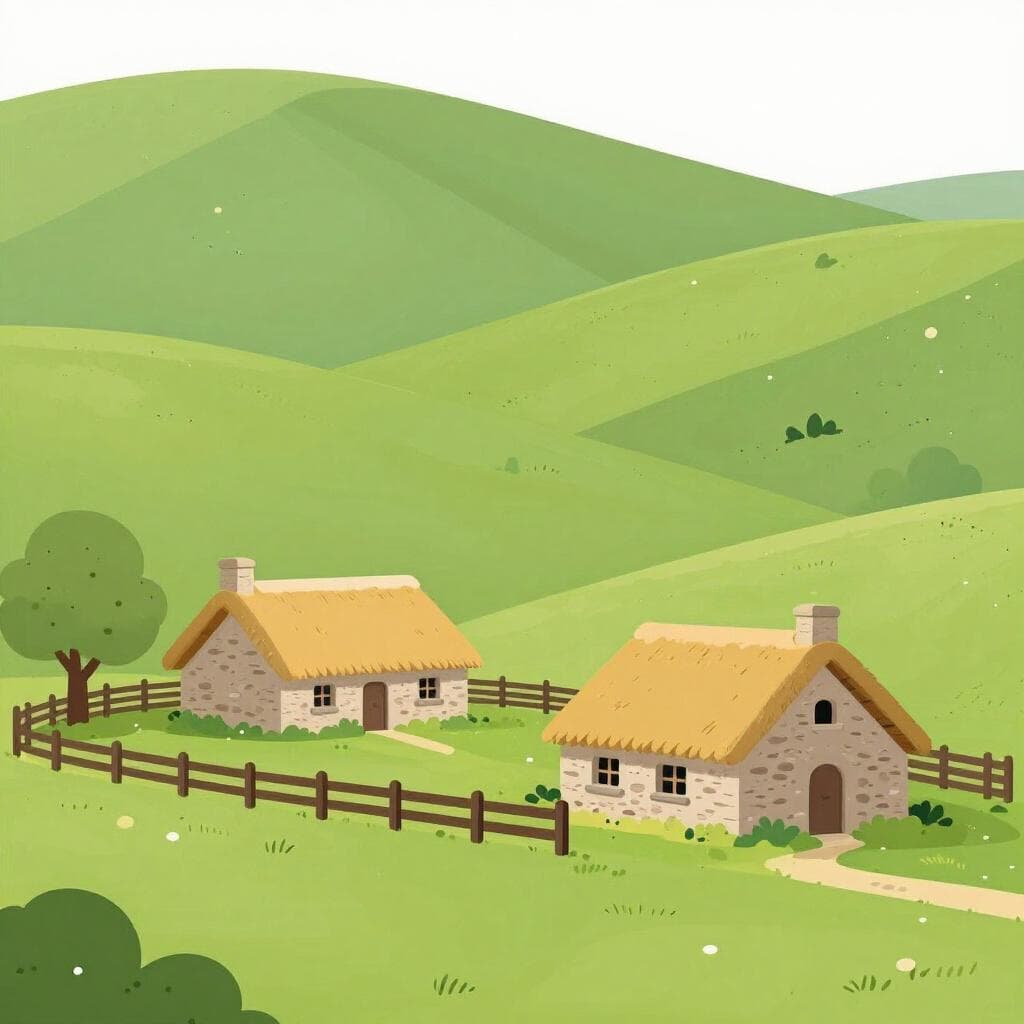
farmer
Also: peasant, country person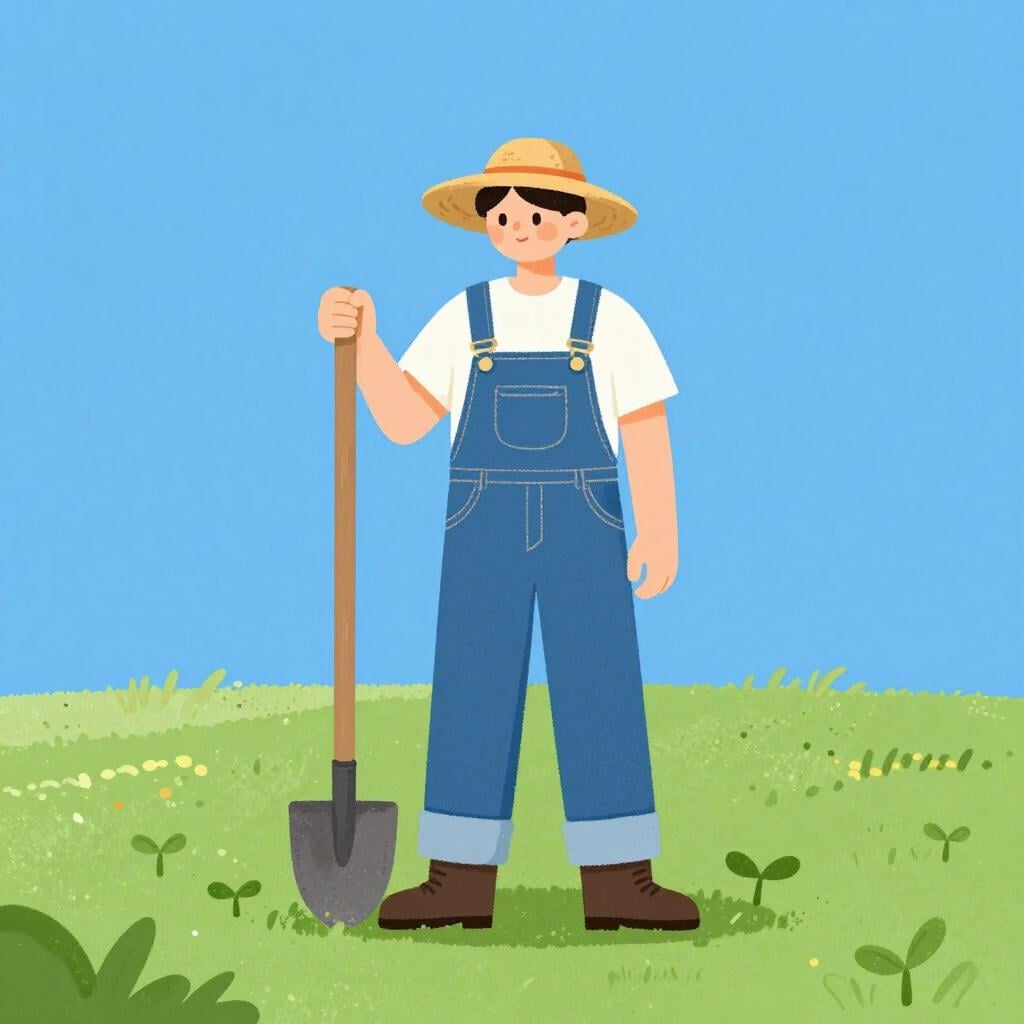
📝 In Action
El campesino cultiva papas en la montaña.
A1The farmer grows potatoes in the mountain.
Los campesinos protestaron por los precios del café.
B1The farmers protested over coffee prices.
Es un humilde campesino que ama su tierra.
A2He is a humble country person who loves his land.
rural
Also: rustic, country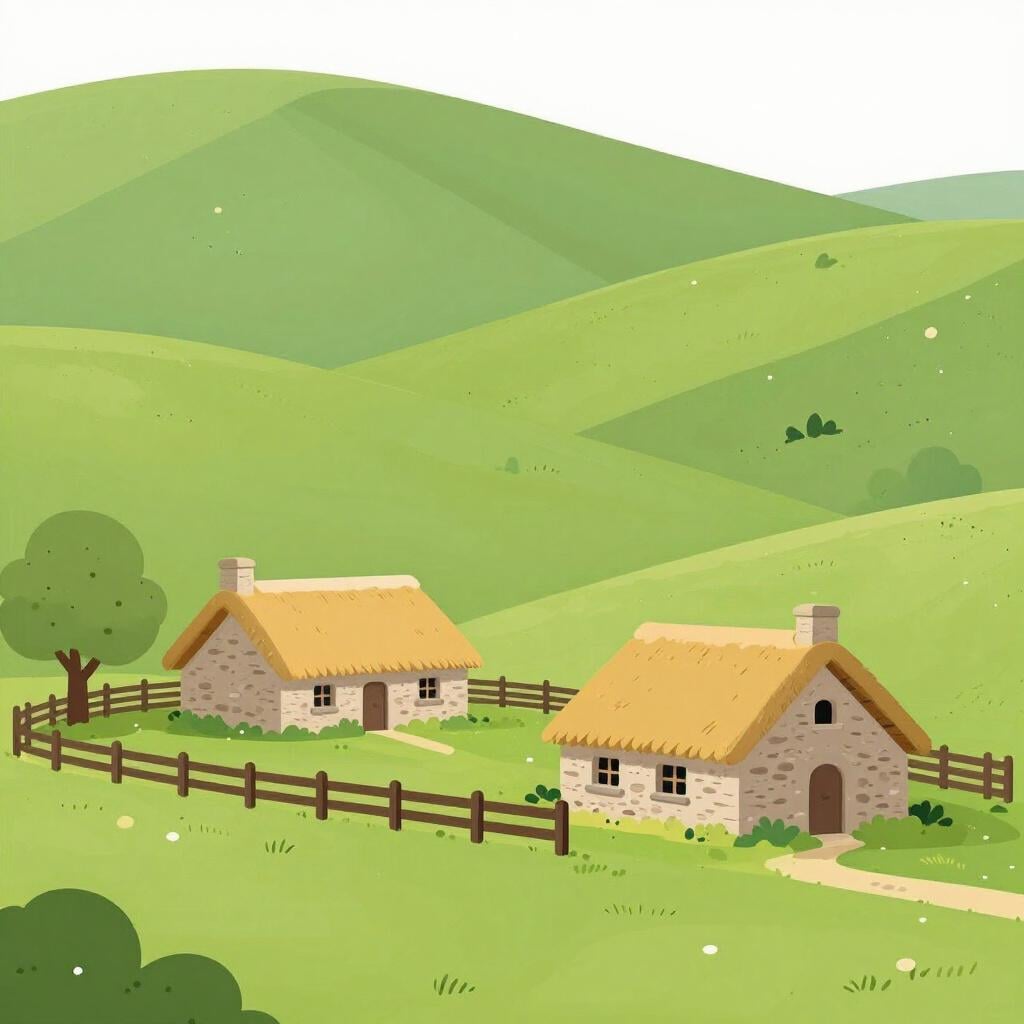
📝 In Action
Me gusta mucho la música campesina.
A2I really like country/folk music.
Lleva una vida muy campesina y sencilla.
B1He leads a very rural and simple life.
Comimos un guiso campesino delicioso.
B2We ate a delicious rustic stew.
Translate to Spanish
✏️ Quick Practice
Quick Quiz: campesino
Question 1 of 3
Which word would you use to describe a traditional dance from the countryside?
📚 More Resources
👥 Word Family▼
📚 Etymology▼
From the Spanish word 'campo' (field/countryside), which comes from the Latin 'campus'. The suffix '-esino' is used to denote belonging or origin.
First recorded: 13th century
Cognates (Related words)
💡 Master Spanish
Take your Spanish to the next level. Read 200+ illustrated and narrated Spanish stories tailored to your level with the Inklingo app!
Frequently Asked Questions
Is 'campesino' a rude word?
Generally, no. In many Spanish-speaking countries, it is a respectful term for someone who works the land. However, like many words, it depends on the speaker's tone.
What's the difference between 'rural' and 'campesino'?
'Rural' is more clinical or geographic (like 'rural area'), whereas 'campesino' relates more to the culture, traditions, and people of the countryside.
Does 'campesino' always mean 'farmer'?
Not exactly. While it often refers to someone who farms, it more broadly means someone who lives a traditional life in a rural area.