How to Say "peasant" in Spanish
The most common Spanish word for “peasant” is “campesino” — use 'campesino' when referring to a rural worker, especially in a historical or socio-economic context, focusing on their agricultural labor.
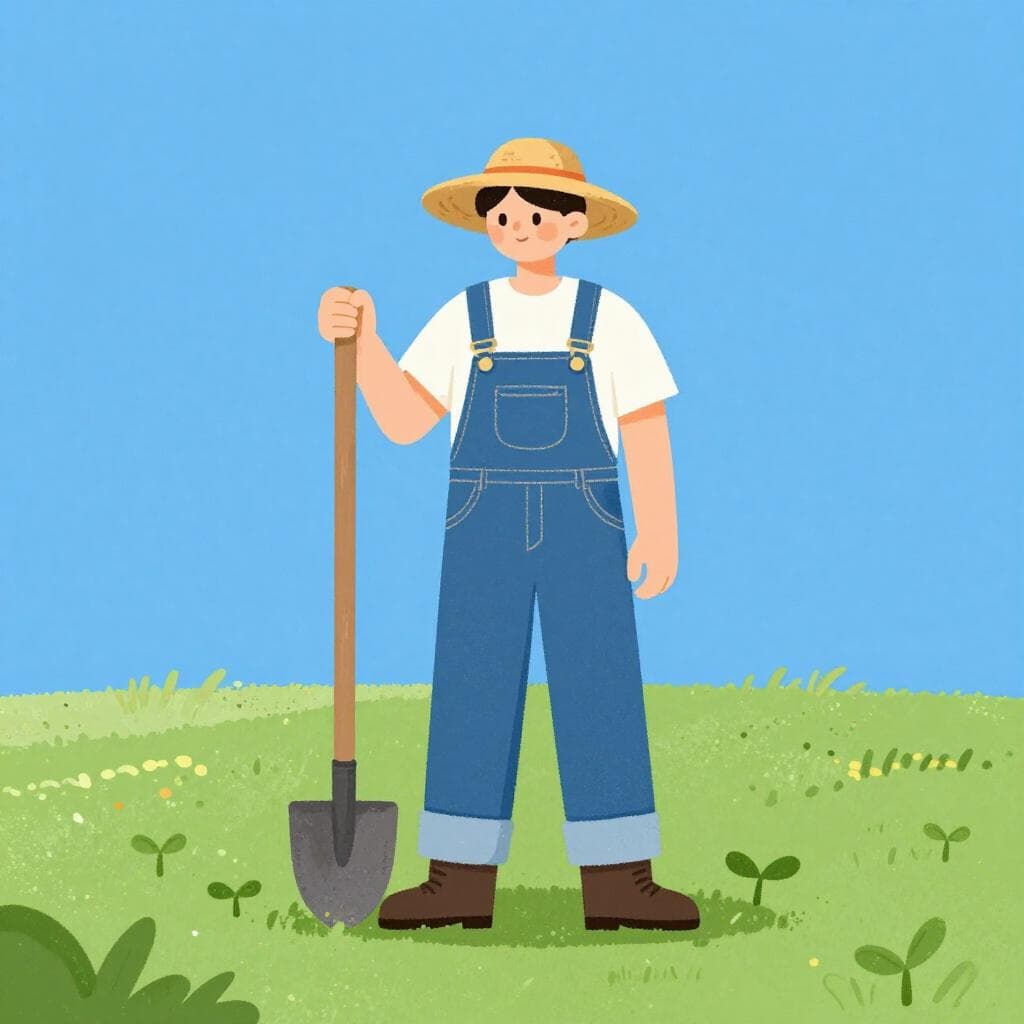
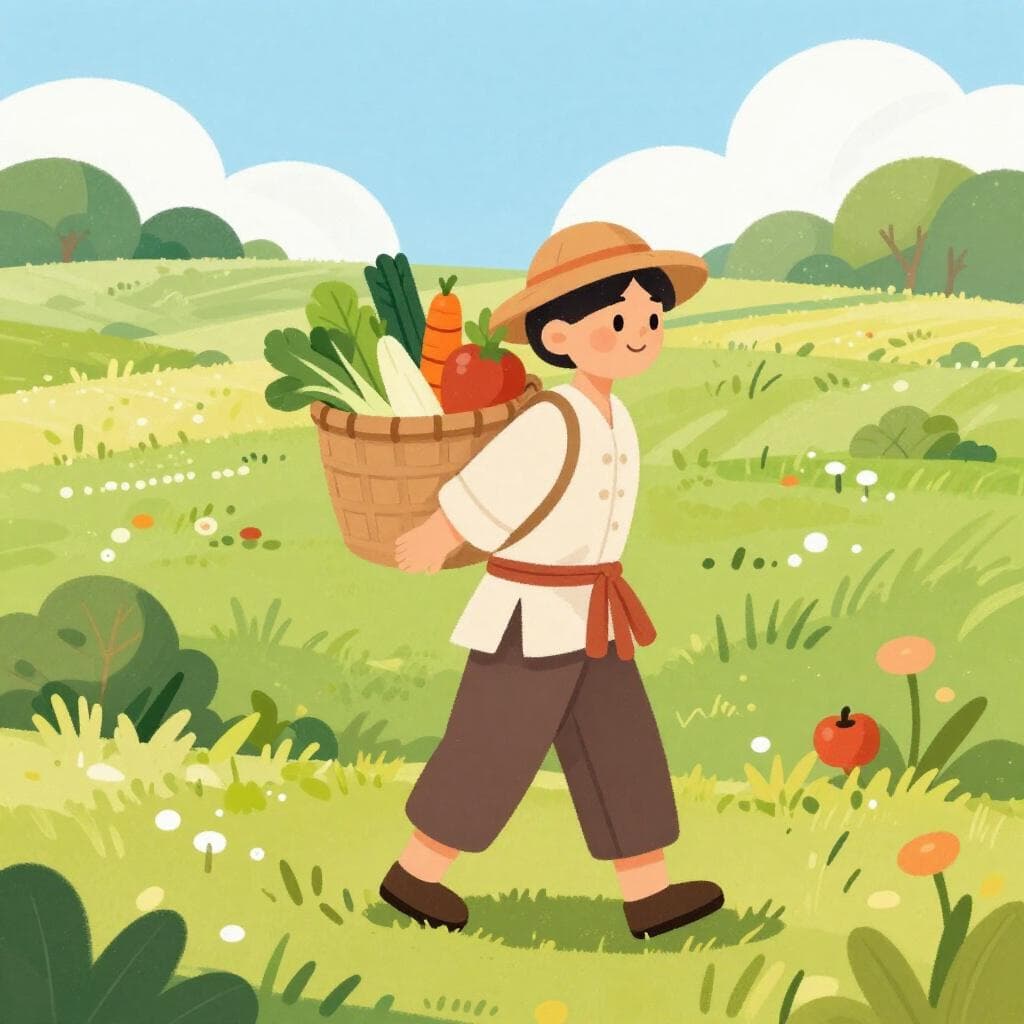
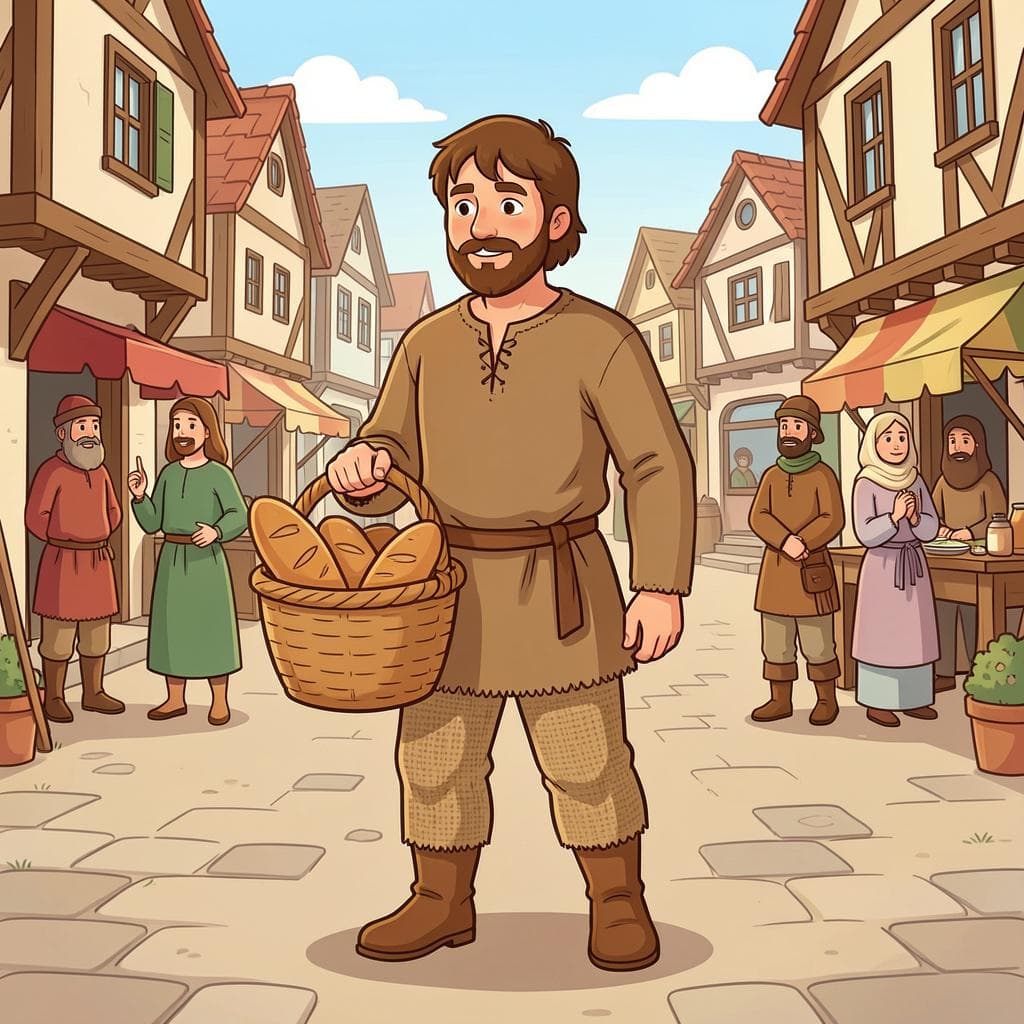
campesino
kam-peh-SEE-nohkam.peˈsi.no
Examples
El campesino cultiva papas en la montaña.
The farmer grows potatoes in the mountain.
Los campesinos protestaron por los precios del café.
The farmers protested over coffee prices.
Es un humilde campesino que ama su tierra.
He is a humble country person who loves his land.
People and Gender
When talking about a man, use 'el campesino'. If you are talking about a woman, the word changes to 'la campesina'.
Talking about groups
To refer to a group of rural workers (men and women combined), use the masculine plural form: 'los campesinos'.
Don't assume it's an insult
Mistake: “Avoiding the word because 'peasant' sounds negative in English.”
Correction: In Spanish, 'campesino' is often a proud identity for rural workers; it is not inherently an insult.
paisano
pie-SAH-nopaiˈsano
Examples
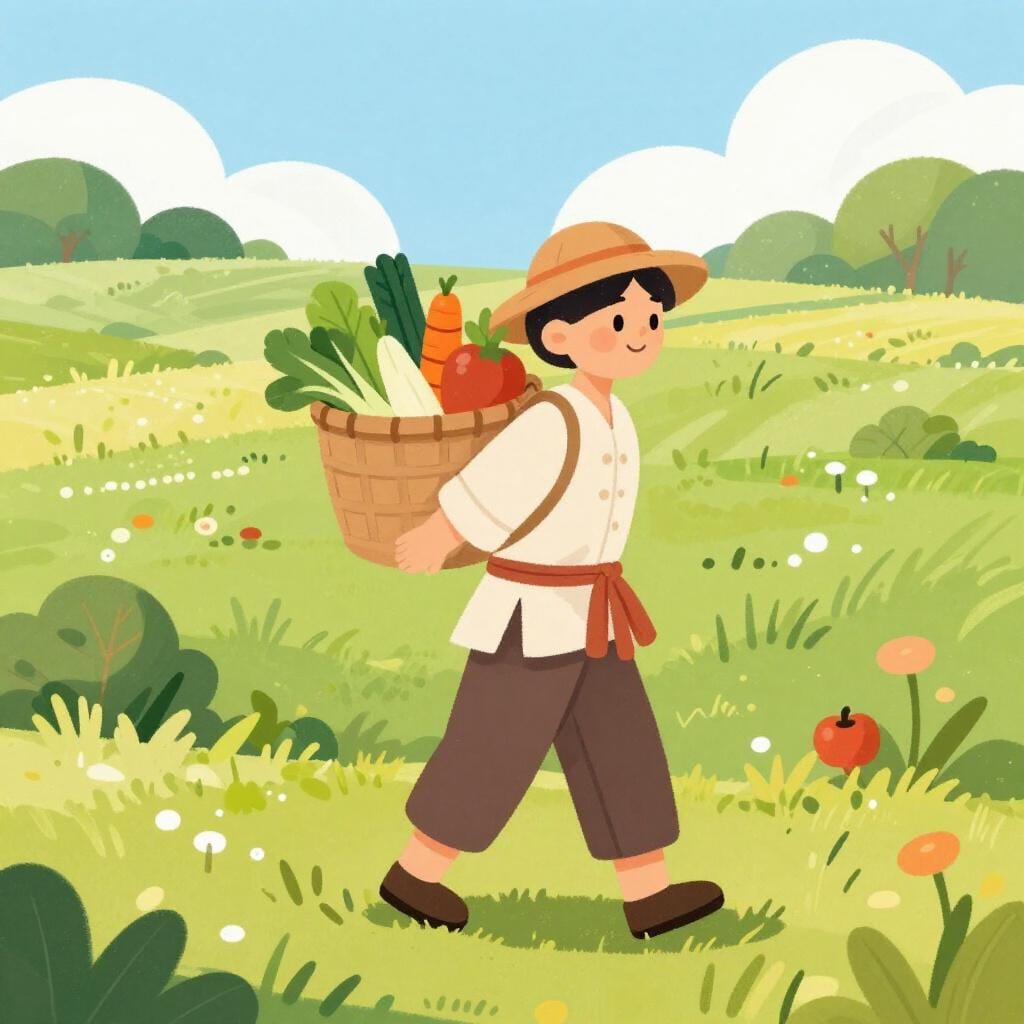
Los paisanos trajeron sus mejores frutas al mercado.
The country folk brought their best fruits to the market.
Es un hombre humilde, un paisano de las montañas.
He is a humble man, a countryman from the mountains.
Las tradiciones de los paisanos se mantienen vivas en esta región.
The traditions of the country people are kept alive in this region.
Noun vs. Adjective
This word can describe a person (noun) or be used to describe things from the country (adjective), like 'ropa paisana' (country clothes).
villano
bee-YAH-nohbiˈʝano
Examples
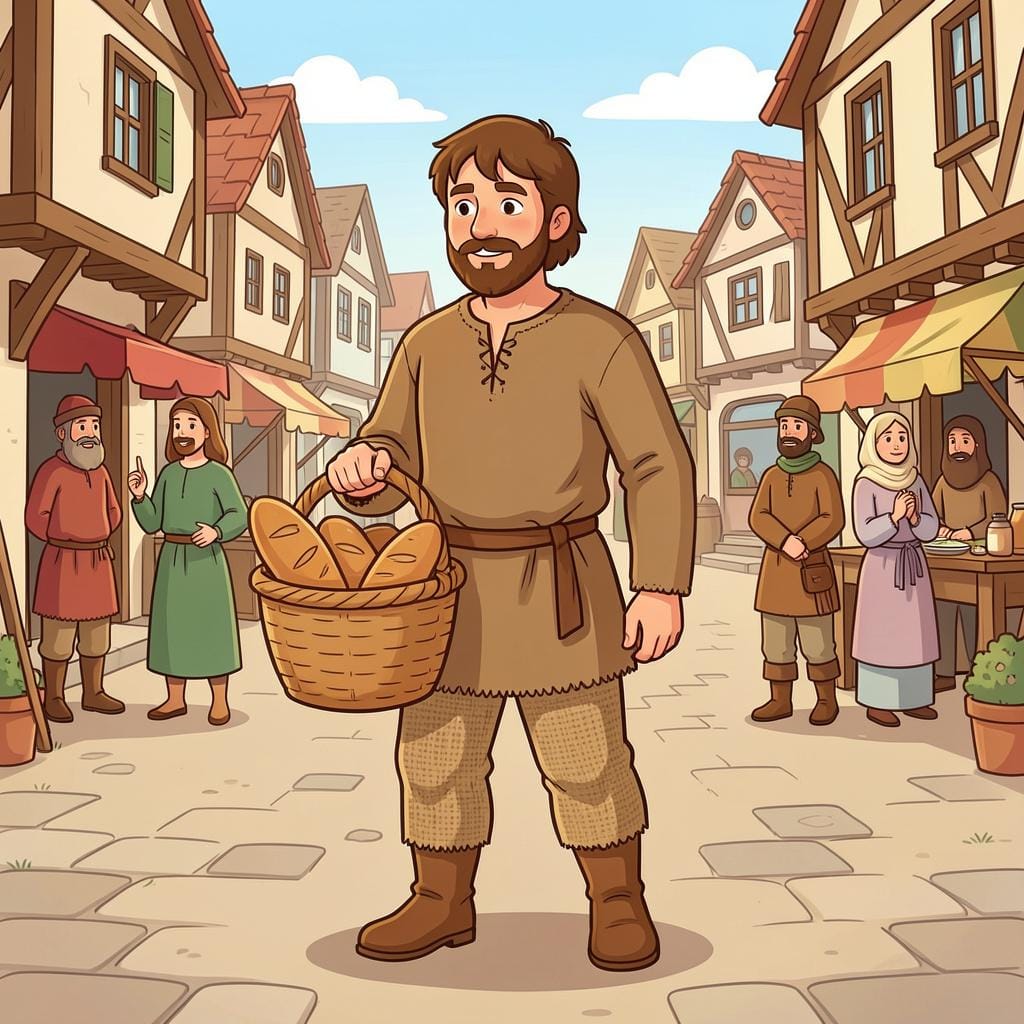
Los villanos no tenían los mismos derechos que los nobles.
The commoners did not have the same rights as the nobles.
Confusing 'Campesino' and 'Paisano'
Related Translations
Learn Spanish with Inklingo
Interactive stories, personalized learning, and more.