paisano
“paisano” means “fellow countryman” in Spanish. It has 3 different meanings depending on context:


fellow countryman
Also: homie
📝 In Action
¡Qué alegría encontrar a un paisano en este país!
A2What a joy to find a fellow countryman in this country!
Es mi paisano; los dos somos de un pueblo pequeño de Galicia.
B1He's my fellow countryman; we're both from a small village in Galicia.
Siempre trato de ayudar a mis paisanos cuando llegan a la ciudad.
B2I always try to help my fellow townspeople when they arrive in the city.
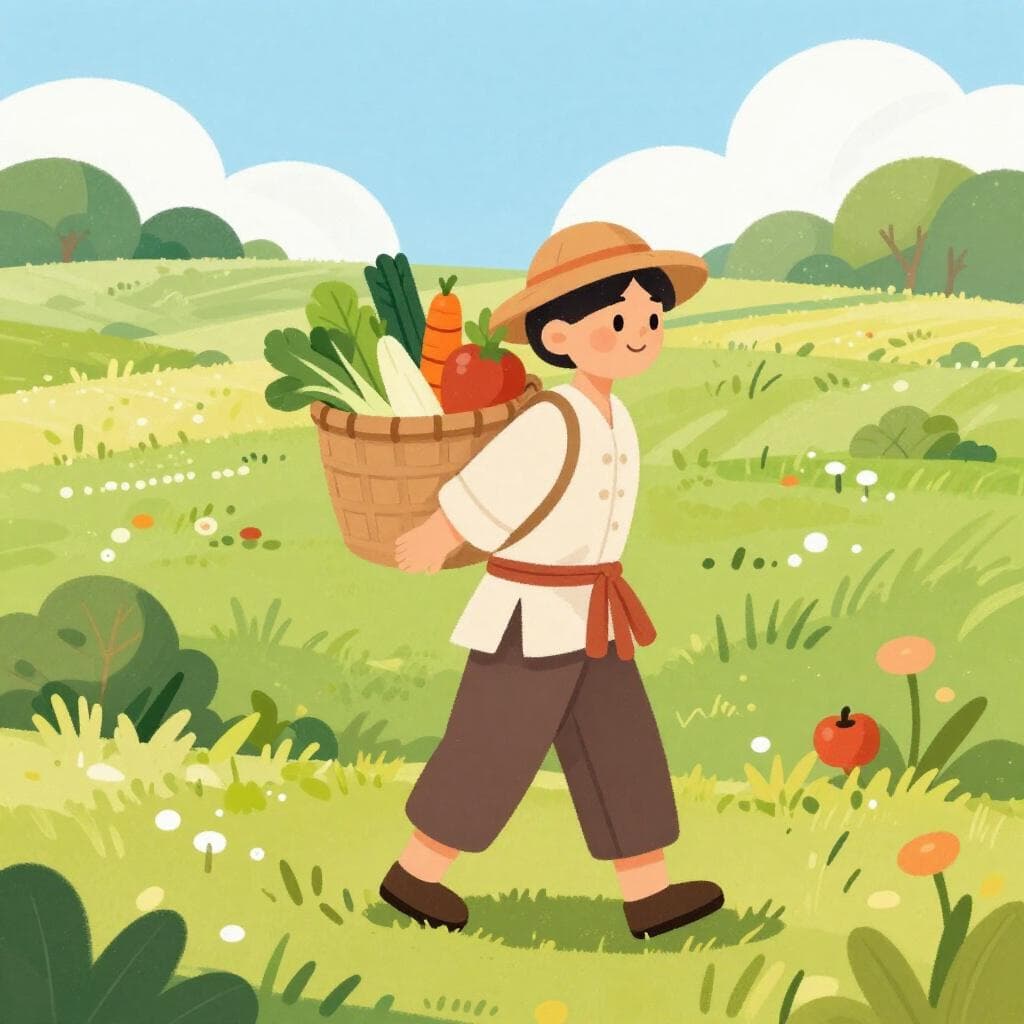
peasant
Also: countryman
📝 In Action
Los paisanos trajeron sus mejores frutas al mercado.
B2The country folk brought their best fruits to the market.
Es un hombre humilde, un paisano de las montañas.
B1He is a humble man, a countryman from the mountains.
Las tradiciones de los paisanos se mantienen vivas en esta región.
C1The traditions of the country people are kept alive in this region.
civilian

📝 In Action
El policía iba vestido de paisano para pasar desapercibido.
C1The police officer was dressed in civilian clothes to go unnoticed.
Aunque es soldado, hoy está de paisano.
B2Although he is a soldier, today he is in civilian attire.
Varios agentes de paisano vigilaban la entrada del edificio.
C2Several plainclothes agents were watching the building entrance.
Translate to Spanish
✏️ Quick Practice
Quick Quiz: paisano
Question 1 of 3
If you meet someone in London and find out you are both from the same small town in Mexico, you would call them your:
📚 More Resources
👥 Word Family▼
📚 Etymology▼
Derived from the word 'país' (country), which comes from the French 'pays'. Ultimately, it traces back to the Latin 'pagus', meaning a district or village.
First recorded: 16th century
Cognates (Related words)
💡 Master Spanish
Take your Spanish to the next level. Read 200+ illustrated and narrated Spanish stories tailored to your level with the Inklingo app!
Frequently Asked Questions
Is 'paisano' offensive?
Generally, no. It is usually a term of affection or identity. However, like 'peasant' in English, calling someone a 'paisano' to imply they are uneducated or unsophisticated could be rude depending on your tone.
Can I use 'paisano' for a woman?
Yes, but you must change the ending: 'una paisana'. Example: 'Ella es mi paisana'.
Does 'paisano' only mean someone from the same country?
It can be broader (same country) or narrower (same town). It basically means 'from my neck of the woods'.