How to Say "rural" in Spanish
The most common Spanish word for “rural” is “rural” — use 'rural' when you need a general term for anything related to the countryside, its characteristics, or its population, without specific reference to farming or a rustic lifestyle.
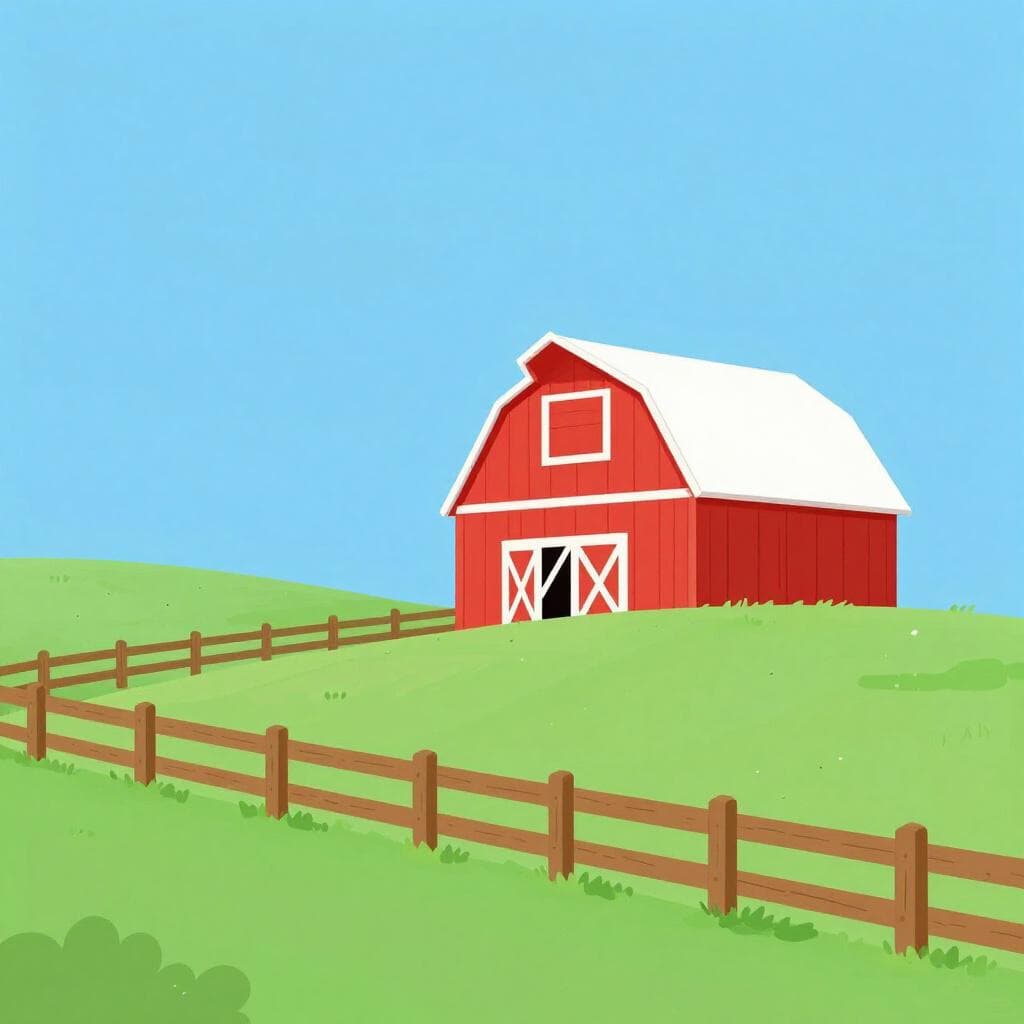
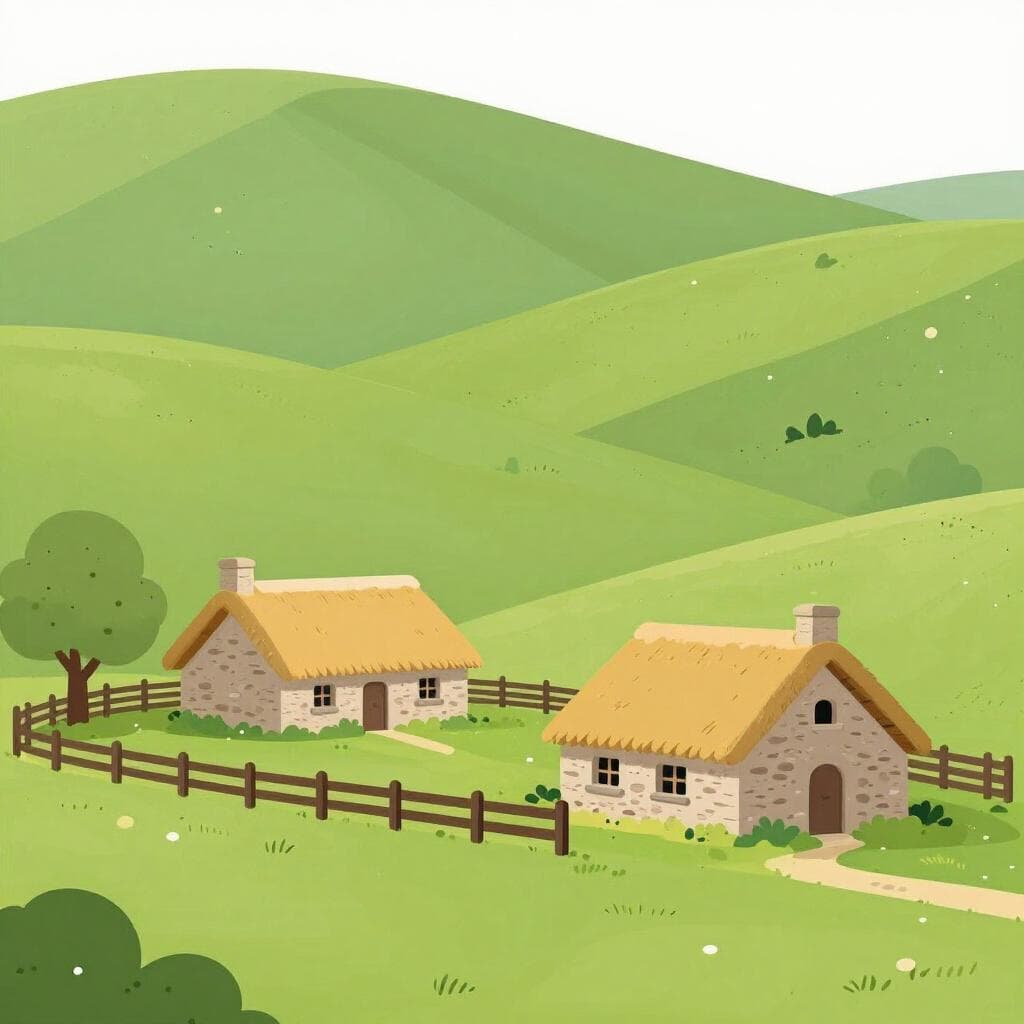
rural
roo-RAHLruˈɾal
Examples
Mucha gente prefiere la tranquilidad de la vida rural.
Many people prefer the peace of country life.
El turismo rural ha crecido mucho en esta región.
Rural tourism has grown a lot in this region.
El gobierno quiere mejorar las escuelas en el medio rural.
The government wants to improve schools in rural areas.
One form for everyone
This word doesn't change based on gender. You can use it with 'masculine' words like 'el pueblo rural' or 'feminine' words like 'la casa rural' without changing the ending.
Making it plural
To talk about more than one thing, just add '-es' to the end: 'las zonas rurales' or 'los caminos rurales'.
Don't add an 'a' at the end
Mistake: “La zona rurala.”
Correction: La zona rural. Since it ends in 'l', it stays the same for both men and women words.
campesino
kam-peh-SEE-nohkam.peˈsi.no
Examples
Me gusta mucho la música campesina.
I really like country/folk music.
Lleva una vida muy campesina y sencilla.
He leads a very rural and simple life.
Comimos un guiso campesino delicioso.
We ate a delicious rustic stew.
Matching the Noun
This word must match what it describes. Use 'campesino' for masculine words (el aire campesino) and 'campesina' for feminine words (la comida campesina).
Confusing with 'el campo'
Mistake: “Saying 'la vida campo' instead of 'la vida campesina'.”
Correction: Use the adjective 'campesina' to describe the type of life, not the noun for 'field'.
General vs. Specific Context
Related Translations
Learn Spanish with Inklingo
Interactive stories, personalized learning, and more.