How to Say "farmer" in Spanish
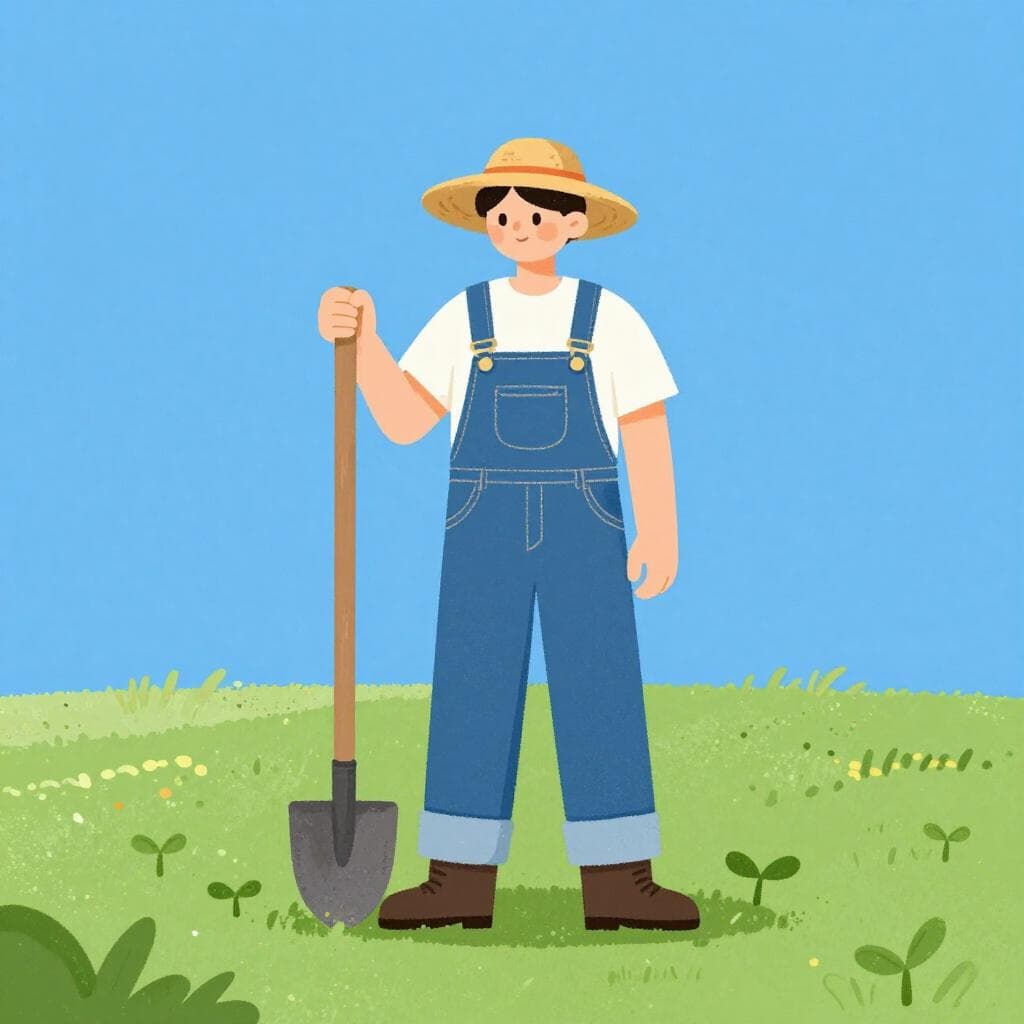
The most common Spanish word for “farmer” is “granjero” — use 'granjero' for someone who works on a farm, especially one with animals. This is the most general and common term for a farmer.


granjero
grahn-HEH-rohɡɾanˈxeɾo

Examples
El granjero se levantó al amanecer para ordeñar las vacas.
The farmer got up at dawn to milk the cows.
Mi tío es granjero y cultiva principalmente trigo y cebada.
My uncle is a farmer and mainly grows wheat and barley.
Los granjeros de la región se reunieron para discutir el precio del mercado.
The ranchers (or farmers) of the region met to discuss the market price.
Gender Change
Since 'granjero' ends in -o, it refers to a man. To talk about a woman who does the same job, you simply change the ending to -a: 'la granjera'.
Confusing 'Granjero' and 'Agricultor'
Mistake: “Using 'agricultor' when you mean a small, general farmer.”
Correction: 'Granjero' is the common, everyday word for someone who runs a farm or ranch. 'Agricultor' is more formal and focuses specifically on crop cultivation (agriculture).
agricultor
ah-gree-kool-TORa.ɣɾi.kul.ˈtoɾ

Examples
El agricultor trabaja en el campo desde que sale el sol.
The farmer works in the field since the sun rises.
Mi tío es un agricultor local que vende papas orgánicas.
My uncle is a local farmer who sells organic potatoes.
Los agricultores están preocupados por la falta de lluvia este año.
The farmers are worried about the lack of rain this year.
Dropping the 'A'
When talking about jobs in Spanish, you don't use 'un' or 'una' like in English. Say 'Soy agricultor' (I am farmer) instead of 'Soy un agricultor'.
Making it plural
Since this word ends in the consonant 'r', you add '-es' to the end to make it plural: 'agricultores'.
Using 'Granjero' vs 'Agricultor'
Mistake: “Using 'granjero' for everyone who works with land.”
Correction: Use 'agricultor' specifically for people who grow crops. 'Granjero' often implies someone working on a small farm with animals (a 'granja').
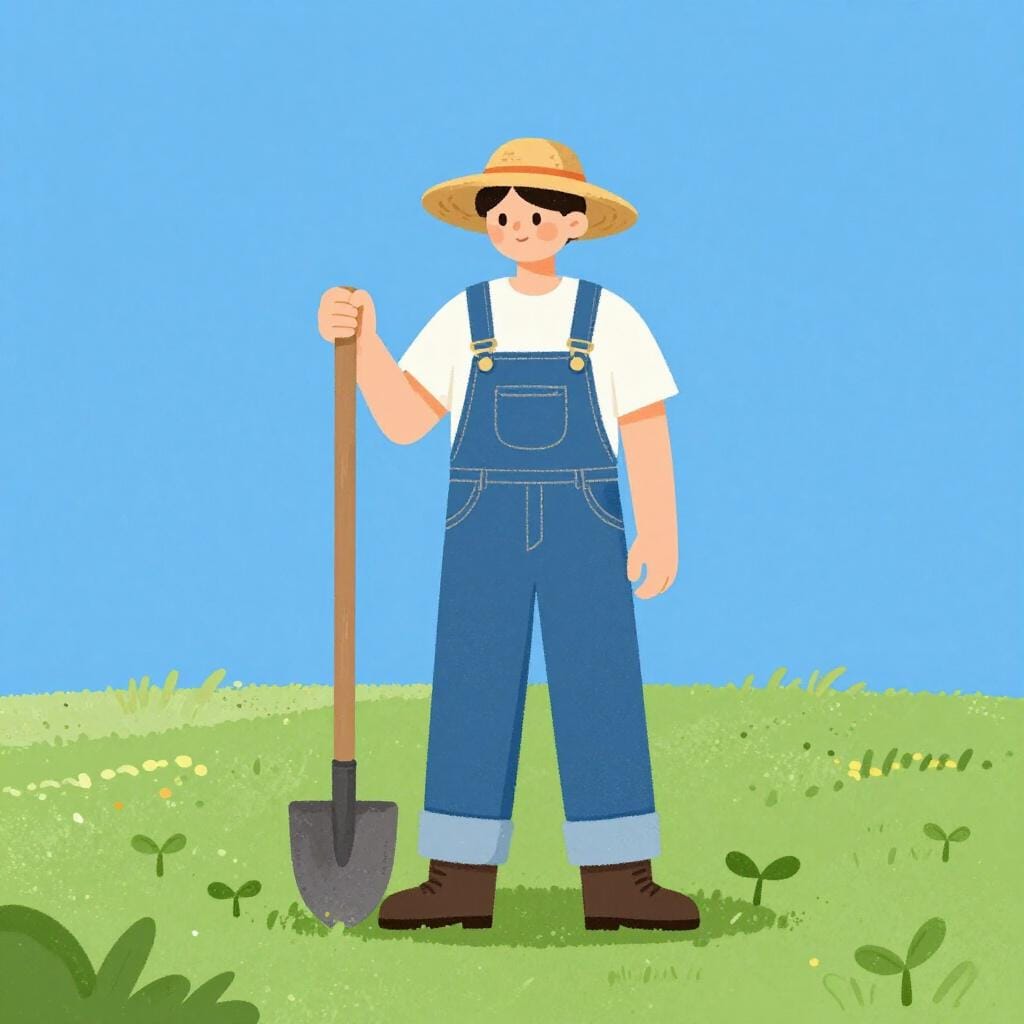
campesino
kam-peh-SEE-nohkam.peˈsi.no
Examples
El campesino cultiva papas en la montaña.
The farmer grows potatoes in the mountain.
Los campesinos protestaron por los precios del café.
The farmers protested over coffee prices.
Es un humilde campesino que ama su tierra.
He is a humble country person who loves his land.
People and Gender
When talking about a man, use 'el campesino'. If you are talking about a woman, the word changes to 'la campesina'.
Talking about groups
To refer to a group of rural workers (men and women combined), use the masculine plural form: 'los campesinos'.
Don't assume it's an insult
Mistake: “Avoiding the word because 'peasant' sounds negative in English.”
Correction: In Spanish, 'campesino' is often a proud identity for rural workers; it is not inherently an insult.
Granjero vs. Agricultor vs. Campesino
Related Translations
Learn Spanish with Inklingo
Interactive stories, personalized learning, and more.